7 Best Rotary Gear Motors for Industrial Buyers?

Time:2026-11-22 Author:Ethan
0%

Choosing a Rotary Gear Motor is less about finding the biggest torque rating and more about matching the motor to the real operating conditions. A conveyor moving cartons has different needs from a mixer handling thick material. Load, speed, duty cycle, mounting space, and power supply all affect performance. Small details matter. A shaft that does not fit, or a gearbox ratio that misses the required speed, can create costly delays.

This guide compares seven rotary gear motor options for industrial buyers, focusing on specifications that can be checked against actual applications. We consider torque and speed ranges, motor type, gear construction, efficiency, and practical installation factors. Where available, manufacturer documentation should confirm ratings and operating limits; product names alone are not enough. Check whether the stated torque is continuous or peak, and whether the motor can handle frequent starts or variable loads. Those distinctions are easy to overlook.

There is no universal winner. A compact unit may suit a packaging line but struggle with sustained heavy loads. A more powerful model may be unnecessarily large for a light-duty machine. We also recognize that published specifications do not always show how a motor behaves after months of vibration, heat, or imperfect alignment. Use the shortlist as a starting point, then verify fit with the supplier and your equipment requirements. That extra check is worth it.
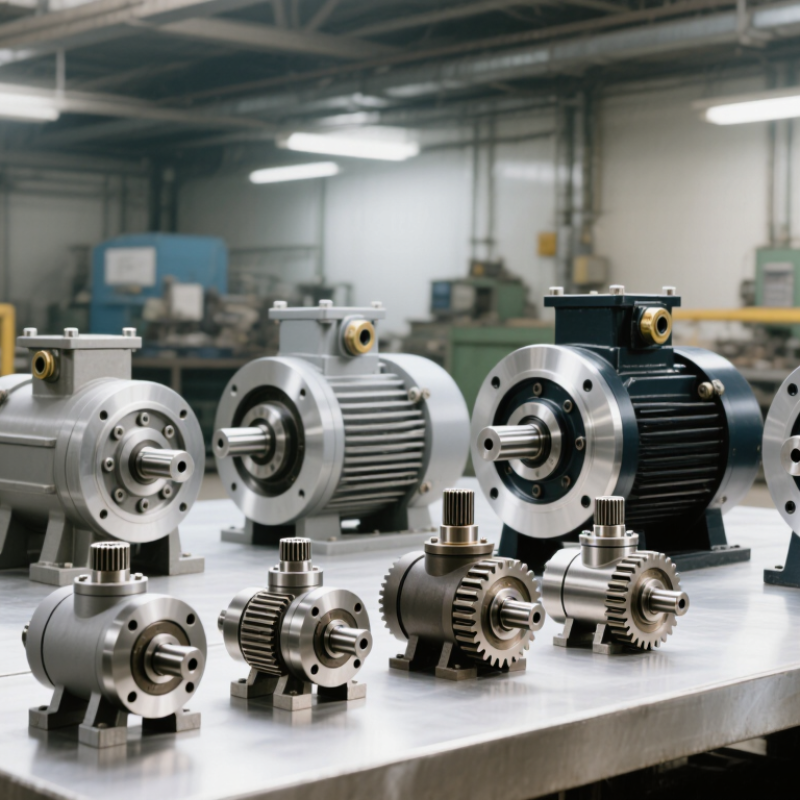
7 Best Rotary Gear Motors for Industrial Buyers?

What Rotary Gear Motors Are and How They Work

A rotary gear motor converts fluid power into continuous shaft rotation. In a common hydraulic design, pressurized oil enters a housing and pushes against the teeth of two meshing gears. One gear connects to the output shaft; the other guides the flow and maintains engagement. The turning shaft can drive a conveyor, winch, or other machine. Not magic.

Motor speed mainly depends on fluid flow and displacement. More flow generally produces faster rotation, while greater pressure difference provides more torque. The gears carry oil around the housing before it exits through the outlet. Reversing the flow can reverse shaft direction, if the motor and circuit are designed for it. Heat, contamination, and internal leakage can reduce performance.

For selection, buyers should compare required speed and torque with operating pressure, fluid type, duty cycle, and mounting constraints. A motor that works briefly at a high load may not suit continuous service. Check the manufacturer’s performance curves and installation guidance, rather than relying only on a catalog’s peak rating. Gear motors are often compact and straightforward, but they can be noisy, and their efficiency varies with load and wear. Real systems are rarely as tidy as a diagram.

Key Factors for Choosing an Industrial Rotary Gear Motor

Choosing an industrial rotary gear motor starts with the load, not the catalog headline. Estimate the torque needed at the output shaft, including startup peaks, frequent reversals, and impact loads. A conveyor carrying damp cartons behaves differently from a fixture that indexes slowly. Check output speed and gear ratio together. A higher ratio can increase output torque, but it may reduce speed and efficiency. Small details matter.

Review the duty cycle, ambient temperature, and available mounting space. A motor running continuously in a warm enclosure may need different thermal capacity from one used intermittently. Check the gearbox’s rated torque and the motor’s power against the actual operating conditions, not just peak figures. Also consider shaft alignment, backlash, and lubricant requirements. These can affect noise, wear, and positioning accuracy over time.

Installation is easy to overlook. Measure the mounting face and shaft before ordering, and confirm that cables and service access will remain clear. Ask for performance data at the required speed, then compare it with the machine’s real load profile. A spreadsheet helps, but it can miss a rough startup or an occasional jam. That part deserves a second look. If conditions are uncertain, a controlled test with the intended load can reveal issues before regular operation.

7 Best Rotary Gear Motors for Industrial Buyers? — Key Factors for Choosing an Industrial Rotary Gear Motor
Gearmotor Type Typical Reduction Ratio Typical Gearbox Efficiency Key Advantages Trade-Offs Common Industrial Uses Best Fit When You Need
Inline helical About 3:1–100:1 per stage arrangement Approximately 94–98% High efficiency, smooth operation, and a compact inline layout Higher ratios may require multiple stages, increasing length and cost Conveyors, mixers, packaging machinery, and material handling Efficient continuous-duty operation with the motor and output shafts aligned
Bevel helical About 5:1–200:1, depending on stages Approximately 94–98% Changes the direction of drive while maintaining strong efficiency and torque capacity More complex construction can increase purchase and maintenance costs Conveyors, bucket elevators, and machinery with right-angle drives A right-angle output and reliable operation under sustained loads
Worm About 5:1–100:1 in a single stage Approximately 50–90%; varies substantially with ratio and design Compact right-angle arrangement and high reduction in a single stage Typically produces more heat and loses more energy than helical designs; do not assume it is self-locking Small conveyors, positioning equipment, lifts, and packaging systems Compact, economical speed reduction where efficiency is not the primary priority
Planetary About 3:1–100:1 per gearbox configuration Approximately 95–98% High torque density, compact dimensions, and good load distribution Precision versions can be costly; correct alignment and lubrication are important Robotics, machine tools, indexing systems, and mobile equipment High torque in a small footprint or precise speed control
Parallel-shaft helical About 5:1–200:1, depending on stages Approximately 94–98% Efficient power transmission and flexible mounting for parallel input and output shafts Requires more space around the shafts than some inline arrangements Industrial conveyors, feeders, and production-line equipment Parallel shafts, substantial torque, and dependable continuous operation
Hypoid About 5:1–100:1, depending on design Approximately 90–96% Right-angle drive with offset shafts and a compact, quiet-running arrangement Efficiency and permissible load depend on design; lubricant selection is important Compact conveyors, packaging machinery, and equipment with offset right-angle drives A quiet, space-saving right-angle drive with offset input and output shafts
Spur About 3:1–10:1 per stage; higher ratios use multiple stages Approximately 90–97% Simple construction, straightforward servicing, and efficient operation in suitable applications Can be noisier than helical gearing; multi-stage designs take more space Light-duty conveyors, feeders, and general machinery A simple, serviceable drive for moderate loads and straightforward duty cycles
Selection note: Figures are indicative ranges for gearbox types, not guaranteed ratings for a particular unit. Actual efficiency, ratio, output torque, thermal capacity, and service life vary by design and operating conditions. Confirm required power, output speed, starting torque, duty cycle, mounting position, environment, and service factor with the equipment supplier.

Seven Rotary Gear Motor Options for Industrial Applications

Industrial buyers can choose among seven rotary gear motor arrangements: inline helical, parallel-shaft helical, bevel-helical, worm, planetary, spur, and cycloidal. Each trades speed reduction, torque capacity, footprint, efficiency, and maintenance needs differently. Inline helical units suit conveyors with straight-through layouts. Parallel-shaft designs fit tight machine frames, while bevel-helical units turn power through a right angle. Compact planetary units handle high torque in limited space. Worm drives can offer large reductions, but heat and efficiency need careful checking. Spur gears are simple; cycloidal drives tolerate shock loads in some duty cycles.

The U.S. Department of Energy’s 2014 motor-systems sourcebook reports that motor-driven equipment uses about 64% of electricity in U.S. industry. That figure is a useful reminder: gear losses and oversized motors can matter across long operating hours. Still, the most efficient option on paper may not suit a dusty washdown line or frequent start-stop service. Check output speed, service factor, mounting position, ambient temperature, and lubrication access against the actual load profile. Small details count.

A selection table can mislead. For example, a mixer’s changing viscosity may demand more starting torque than its steady running load suggests. Request rated torque and thermal limits, then compare them with measured operating conditions. Ask how backlash, noise, and maintenance intervals affect the process. A lower purchase price is not always a lower operating cost.

Comparing Torque, Speed, Efficiency, and Durability

A useful comparison of seven rotary gear motor types starts with the load, not the catalog’s headline torque. Spur gear motors suit simple, moderate-duty drives, while helical designs usually run more smoothly and quietly. Planetary units pack substantial torque into a compact housing, making them useful where space is tight. Bevel and hypoid motors turn power through an angle; hypoid gears also allow an offset shaft. Worm gear motors provide high reduction in a compact package, but sliding contact can reduce efficiency. Cycloidal designs can handle shock loads well, though their motion and maintenance needs may not suit every installation. These are tendencies, not guarantees.

Speed and torque must be checked across the actual operating range. A conveyor may need strong starting torque, while a mixer may face changing resistance as material thickens. Ask for rated output speed, peak torque, duty cycle, and thermal limits. Efficiency varies with gear geometry, ratio, lubrication, and load; a no-load figure tells little about production use. Durability depends on more than gear material. Look at bearing support, seals, housing stiffness, and lubricant access. Fine dust near a packing line can expose weak sealing quickly. In practice, that comparison is less tidy than a chart suggests. Measure the real load if possible, and leave room for uncertainty.

7 Best Rotary Gear Motors for Industrial Buyers? Comparing Torque, Speed, Efficiency, and Durability

Representative comparison of seven common gearmotor configurations. Torque values are illustrative reference points, not product ratings; actual performance depends on motor size, ratio, duty cycle, and operating conditions.

Hover over a bar for typical output-speed and efficiency ranges. Gear-train efficiency varies with ratio, load, lubrication, and temperature. Durability is not a directly comparable gear-type rating: service life depends on sizing, maintenance, and operating conditions.

How to Match a Gear Motor to Your Operating Requirements

Matching a rotary gear motor starts with the driven load, not a catalog headline. Record the required output speed, continuous torque, and peak starting torque. A loaded conveyor may need a brief torque surge when it starts. Sizing only for its running load can cause slow starts or overheating. That matters.

Check operating hours, starts per hour, and expected speed changes. A motor running continuously needs a different duty rating from one that cycles every few minutes. Compare the gearbox ratio and rated output torque with the actual requirement. Leave a sensible margin, but avoid oversizing without reason; larger units can add cost and may not improve performance. Check the shaft, too. Confirm its diameter, mounting position, and available space before ordering.

The environment shapes the choice. Dust, washdown, heat, and vibration can affect enclosure needs, lubrication, and service life. During commissioning, observe the motor under a representative load. Measure current, listen for unusual noise, and check temperature after steady operation. These checks do not replace the manufacturer’s data, but they can reveal a mismatch early. One detail is easy to overlook: real loads rarely behave exactly like estimates. Recheck your assumptions when the driven equipment changes.

FAQS

What should I check before choosing an industrial rotary gear motor?

Estimate output torque, speed, startup peaks, reversals, and impact loads. A damp-carton conveyor may behave differently from a slow indexing fixture.

How do gear ratio, speed, and torque relate?

A higher ratio can increase output torque, but usually reduces speed and may lower efficiency. Check performance at your required operating speed.

Why does duty cycle matter?

Continuous operation in a warm enclosure creates different thermal demands from intermittent use. Compare rated limits with actual working conditions.

Which gear motor type suits a compact installation?

Planetary designs can provide substantial torque in a compact housing. Confirm dimensions and heat limits; compact does not mean suitable for every load.

Which designs can handle angled or offset power transmission?

Bevel and hypoid units turn power through an angle. Hypoid designs also allow an offset shaft. Check the machine layout.

Are worm gear motors always efficient?

No. Their sliding contact can reduce efficiency, depending on the design, ratio, lubrication, and load. A no-load figure may mislead.

What affects durability beyond gear material?

Bearing support, seals, housing stiffness, and lubricant access all matter. Fine dust near a packing line can quickly expose weak sealing.

What should I measure before installation?

Measure the mounting face and shaft, then check cable clearance and service access. I might overlook one awkward detail, so verify the layout twice.

How can I test a motor choice when operating conditions are uncertain?

Compare performance data with the real load profile, including rough starts or occasional jams. A controlled test with the intended load can reveal problems early.

Conclusion

This guide explains what a Rotary Gear Motor is, how its motor and gearbox work together, and why this combination is useful in industrial applications. It outlines the main factors buyers should consider, including required torque and speed, power efficiency, operating conditions, durability, and maintenance needs. Understanding these factors can help narrow the selection to a motor that performs reliably within the demands of a particular system.

The article also reviews seven types of Rotary Gear Motor options for industrial use and compares their strengths in torque, speed, efficiency, and service life. Rather than treating one option as suitable for every application, it shows how to match motor and gearbox characteristics to operating requirements, such as load, duty cycle, and available space. This practical approach helps buyers make a more informed choice and balance performance with long-term reliability.

Ethan

Ethan

Ethan is a seasoned marketing professional with a deep expertise in our company's innovative product line. With a passion for sharing knowledge and insights, he takes the lead in regularly updating our corporate blog, where he explores industry trends, product features, and effective marketing......