DC Motor B2B
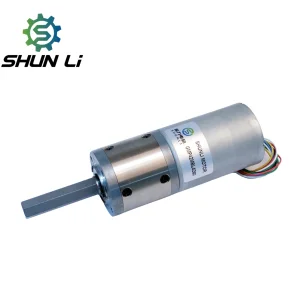
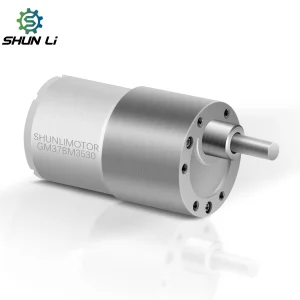
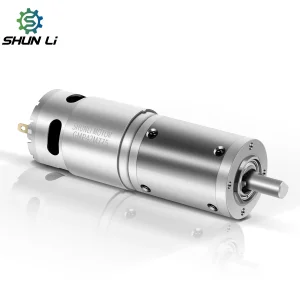
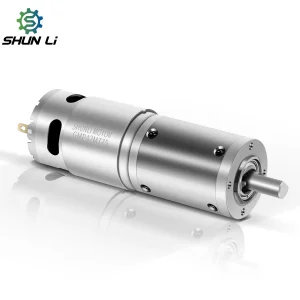
Featured High-Performance Motor Drives
Industrial components optimized for low noise, massive torque, and structural durability.
ABOUT DQC
Packing Massive Torque Into Miniature Spaces
Inside a premium robotic joint, an automated medical pump, or a high-end smart lock, space is the ultimate luxury. At DQC, we measure our success in micrometers and decibels. Our mission is to take advanced, heavy-duty rotational power and compress it into the most compact, energy-efficient footprints imaginable.
Our expertise lies in the micro-details of motion. From precision-wound copper rotors and high-purity commutators to zero-backlash planetary gear trains, every single internal component of a DQC motor is optimized to eliminate friction and maximize heat dissipation. By combining advanced automated Swiss-style hobbing with Japanese dynamic balancing, we ensure our micro drives deliver the fluid, whispering-quiet power your brand promises. When your next high-tech innovation relies on repeated mechanical perfection, let DQC be the core that spins it forward.

Global Market Landscape of Industrial Micro-Motors
An in-depth look at B2B dynamics, supply chains, and the surging global demand for smart actuator drives.
The Rising Demand for High-Density Micro Motion
The global micro-motor market has undergone a dramatic transformation, shifting from simple mechanical components to complex, highly integrated electromechanical sub-systems. Across Europe, North America, and the Asia-Pacific region, B2B procurement managers and system architects are prioritizing high torque density, power efficiency, and dynamic response speed. According to industrial research statistics, the global market for coreless and miniature brushless DC motors is expected to maintain a compound annual growth rate (CAGR) of over 7.5%, driven primarily by medical devices, smart home automation, and lightweight robotics.
Unlike traditional, bulky industrial motors, micro drives with diameters ranging from 12mm to 37mm must navigate stringent space constraints while maintaining operational safety. To meet these rigorous demands, tier-one manufacturers must master micro-scale gear engineering, premium materials sourcing, and tight assembly tolerances. Key drivers like rapid urbanization, the automation of logistics, and the proliferation of IoT-connected locking systems have created a highly competitive supply ecosystem where product consistency and structural reliability differentiate industry leaders.
"The challenge of modern motion systems is not simply delivering mechanical force, but ensuring that force remains stable, predictable, and virtually silent across millions of operational cycles under varying thermal conditions."
Geopolitical Supply Chain Dynamics & Procurement Strategy
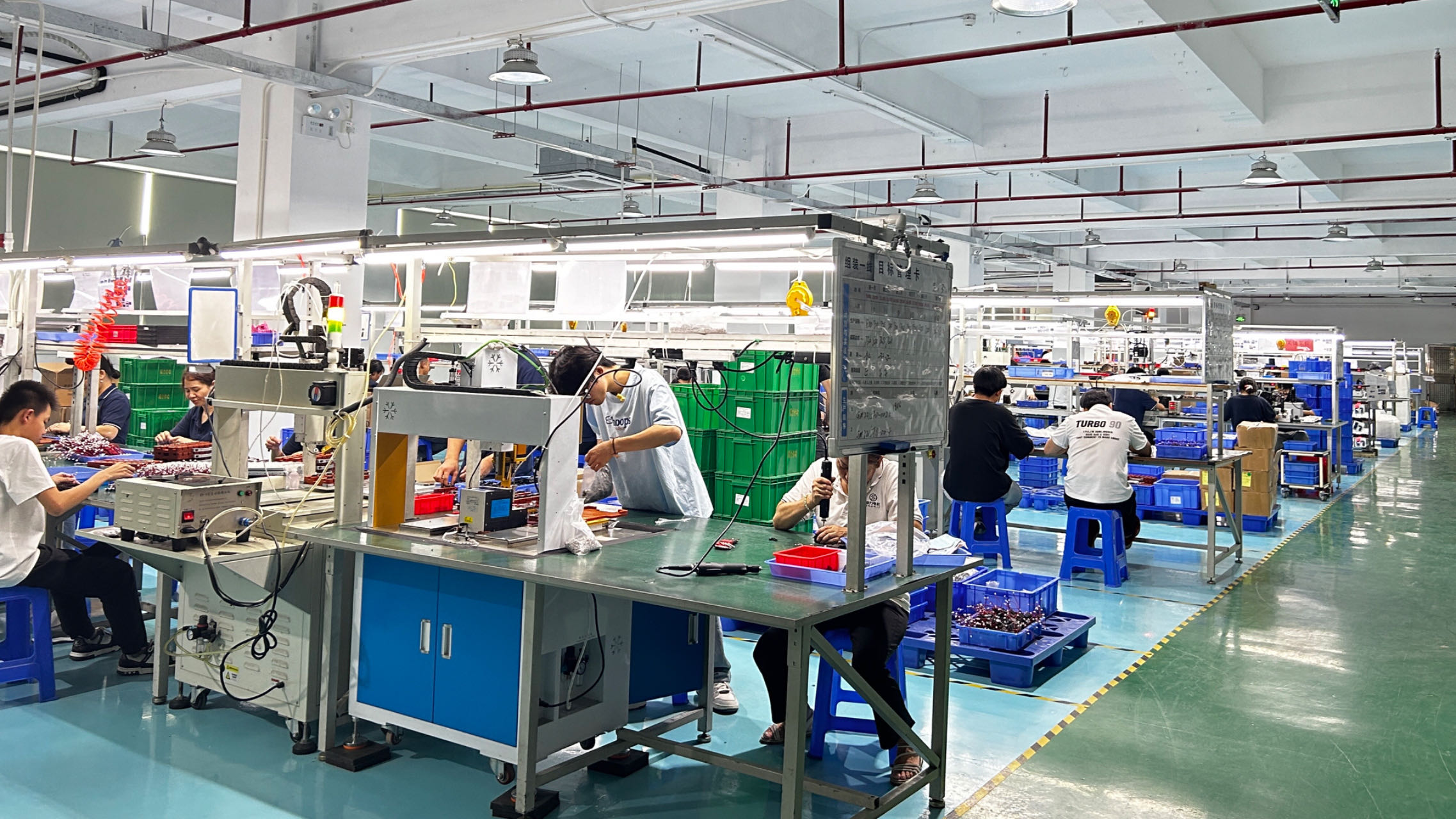
Today’s B2B motor procurement landscape is shaped by the need for supply chain resiliency. With raw material costs fluctuating—particularly for high-grade rare-earth magnets like Neodymium (NdFeB) and pure copper wire—sourcing professionals are looking beyond simple unit cost. They seek strategic partners who maintain verified supply channels, utilize automated equipment to minimize labor-dependent variability, and possess robust in-house quality testing facilities. As regulatory standards like RoHS, CE, and REACH become stricter, working with certified, transparent suppliers like DQC ensures smooth international customs processing and seamless end-market compliance.
DQC Engineering Milestones
Pioneering reliability standards in miniature electromechanical systems.
Key Industry & Technological Shifts
Exploring the engineering breakthroughs pushing the boundaries of micro motion efficiency.
1. Migration to Brushless DC (BLDC) Systems
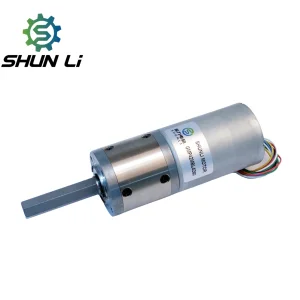
One of the most clear trends in the micro-drive industry is the rapid migration from brushed commutators to Brushless DC (BLDC) technology. While brushed motors remain highly cost-effective and simple to operate, they suffer from mechanical wear due to brush friction, which creates carbon dust and limits the component's lifespan. Sensored and sensorless BLDC motors utilize electronic commutation, extending operational life, eliminating sparks (vital in explosive or medical settings), and reducing electronic noise. DQC’s 6-wire brushless options deliver precise speed feedback, allowing design engineers to implement complex close-loop control systems with minimal external components.
2. Advanced Planetary Gear Integration
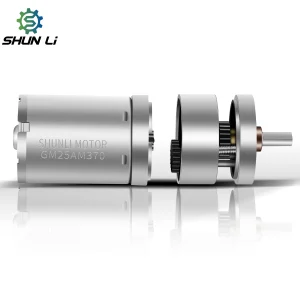
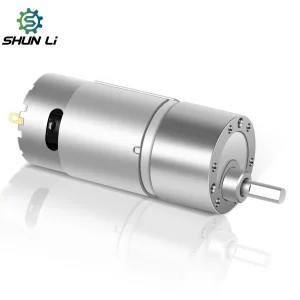
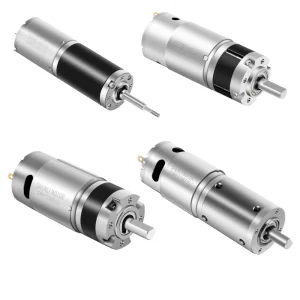
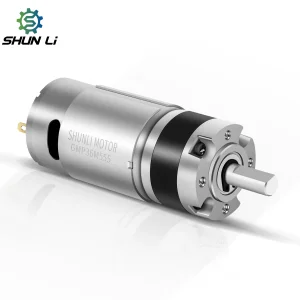
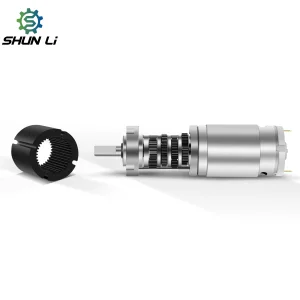
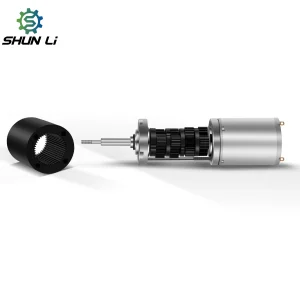
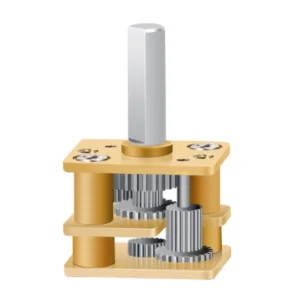
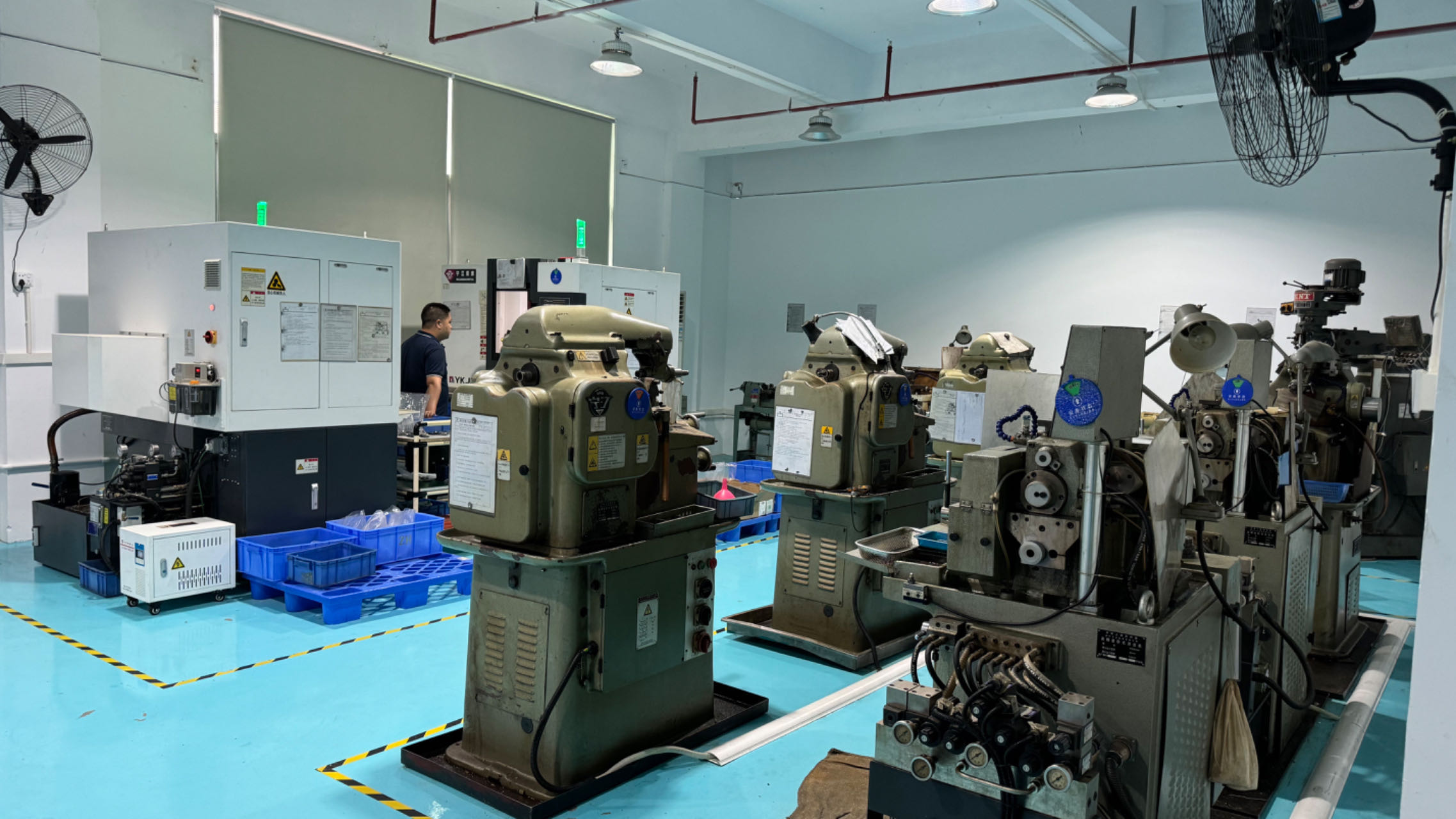
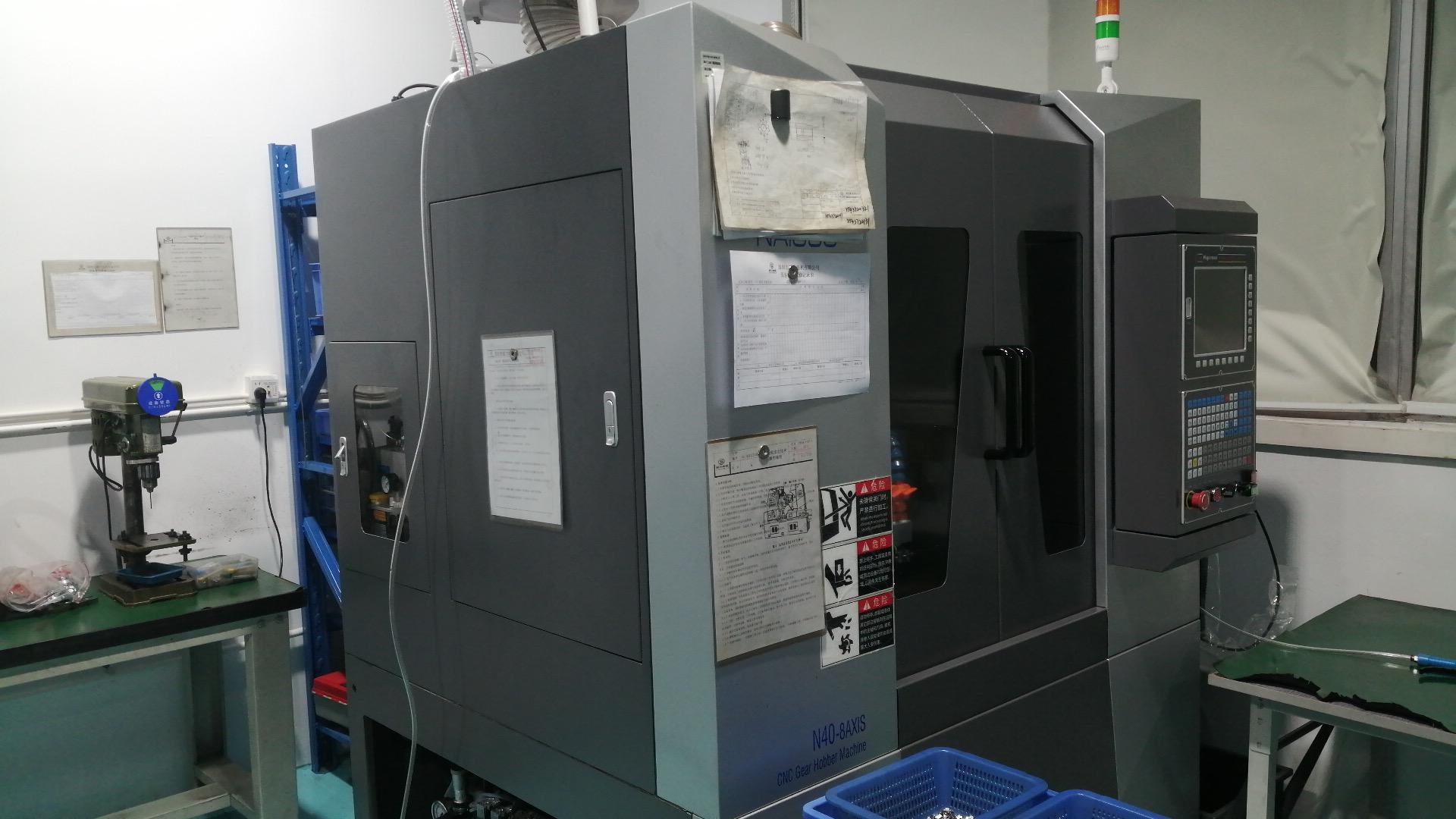
To deliver massive torque without increasing motor size, integration with a high-efficiency gearbox is essential. Planetary gearboxes are the preferred architecture because they distribute load across multiple planet gears, preventing tooth shear and ensuring efficient torque transmission in minimal footprints. Dynamic alignment of these gears is critical; a slight concentricity error can cause premature wear and loud operational noise. Our manufacturing process utilizes specialized micro-hobbing machines to maintain tolerances of less than 0.02mm, ensuring quiet operation and maximum lifespan.
Technology Roadmap & Future Outlook
Our strategic engineering direction for upcoming micro-drive system architectures.
Adopting ultra-high coercive force NdFeB magnets and optimized core laminations to decrease iron losses and thermal footprints.
Embedding advanced magnetic encoders and compact drive controllers directly onto the motor end-cap for smart feedback.
Using advanced metallurgy and ceramic compound gears to ensure near-zero backlash performance across extreme temperature ranges.
Cross-Industry Engineering Applications
DQC micro drives are integrated into critical systems where mechanical failure is not an option.
High-End Smart Lock Systems
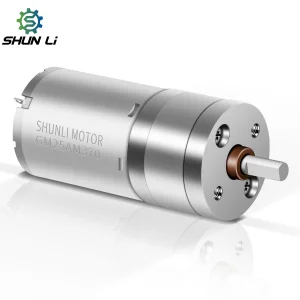
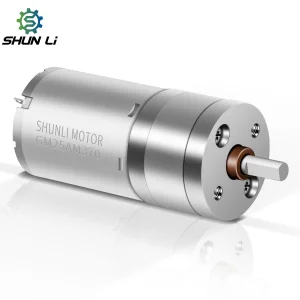
Smart home door locks and institutional access control units require high starting torque to overcome physical latch resistance, yet must operate quietly. Miniature gear motors like our 12mm or 25mm series provide reliable, low-noise lock actuation with minimal power consumption, maximizing system battery life.
Medical Devices & Dosing Pumps
Peristaltic, syringe, and diaphragm pumps demand precise speed control and consistent torque delivery to ensure accurate fluid dosing. Our brushless planetary gear motors offer high torque and precise speed control, making them ideal for long-life clinical devices.
Industrial Robots & AGV Steering
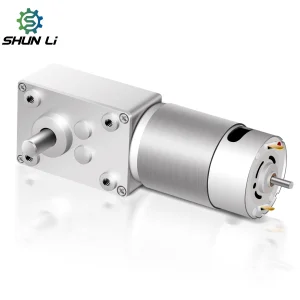
Automated Guided Vehicles (AGVs) and robotic joints rely on robust micro gearboxes to execute precise, repetitive movements. Our high-torque planetary and worm gear units provide stable mechanical reduction, maintaining accuracy under heavy axial and radial loads.
Vending Machines & Automated Dispensers
Commercial dispensing systems operate in demanding environments, requiring gear motors that can handle sudden torque spikes without stalling. DQC's micro gearboxes are designed to withstand high mechanical shock, ensuring continuous operation and low maintenance overheads.
Production Workflows & Manufacturing Excellence
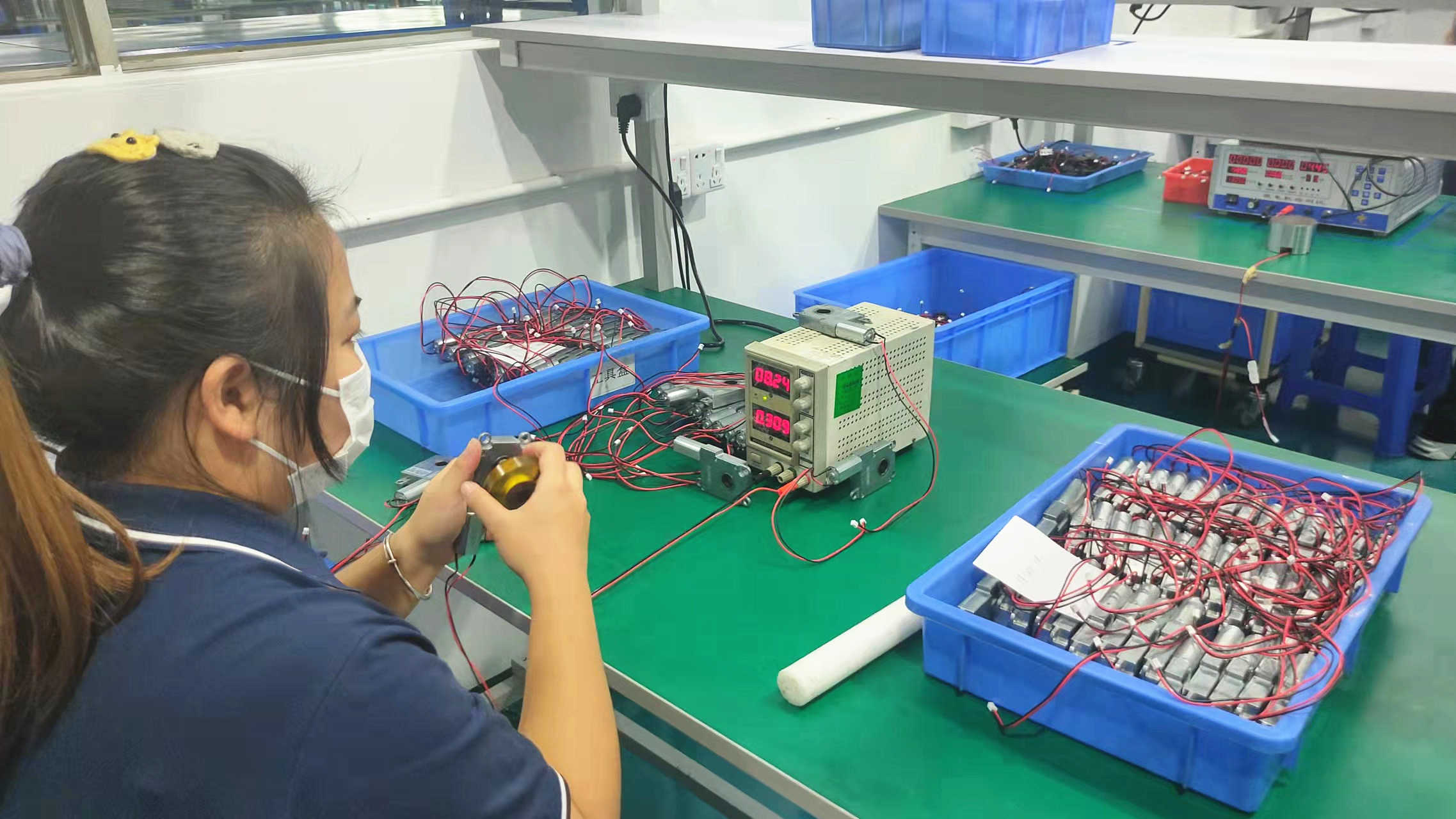
A step-by-step overview of our internal quality assurance and assembly lines.

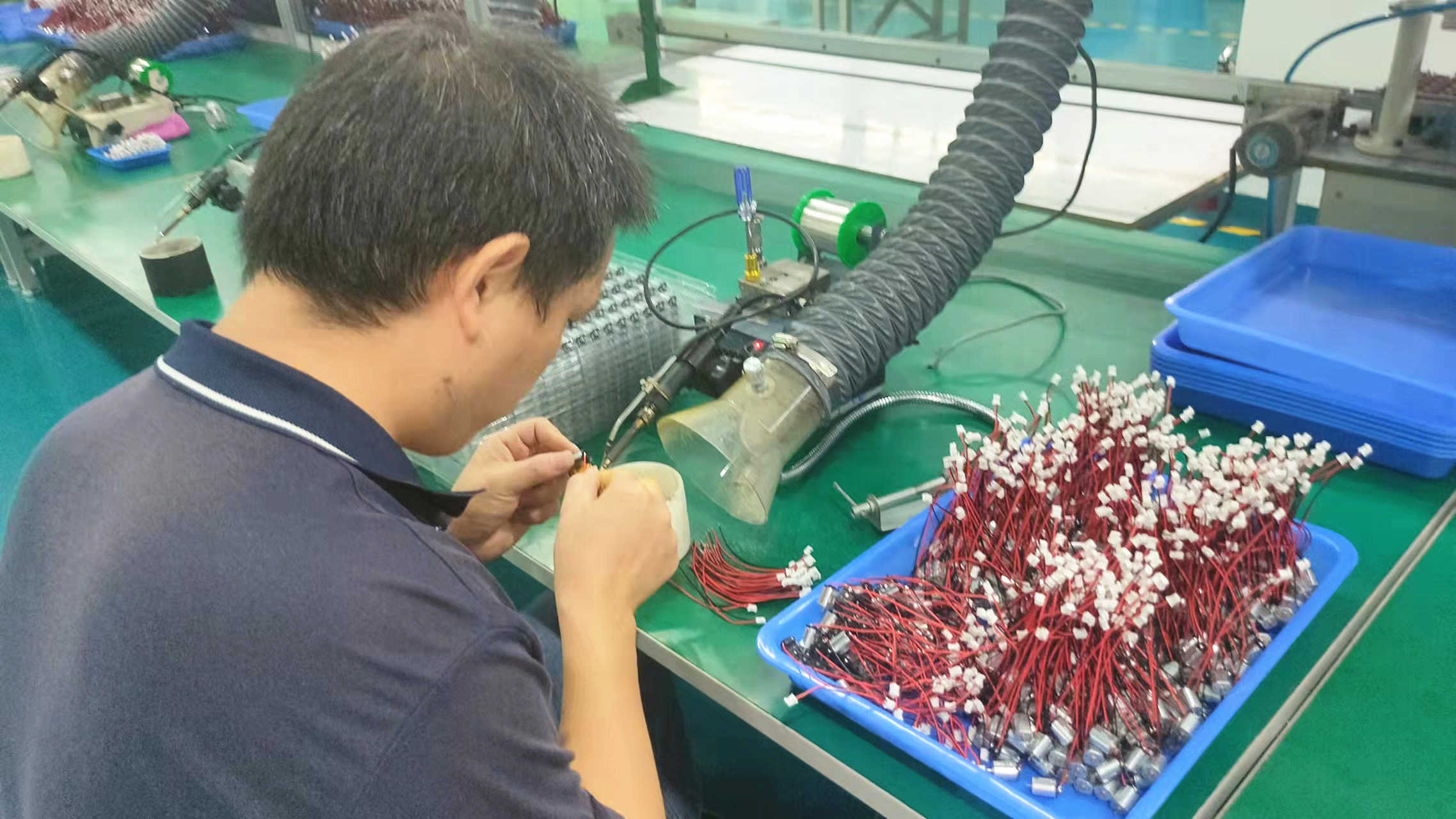
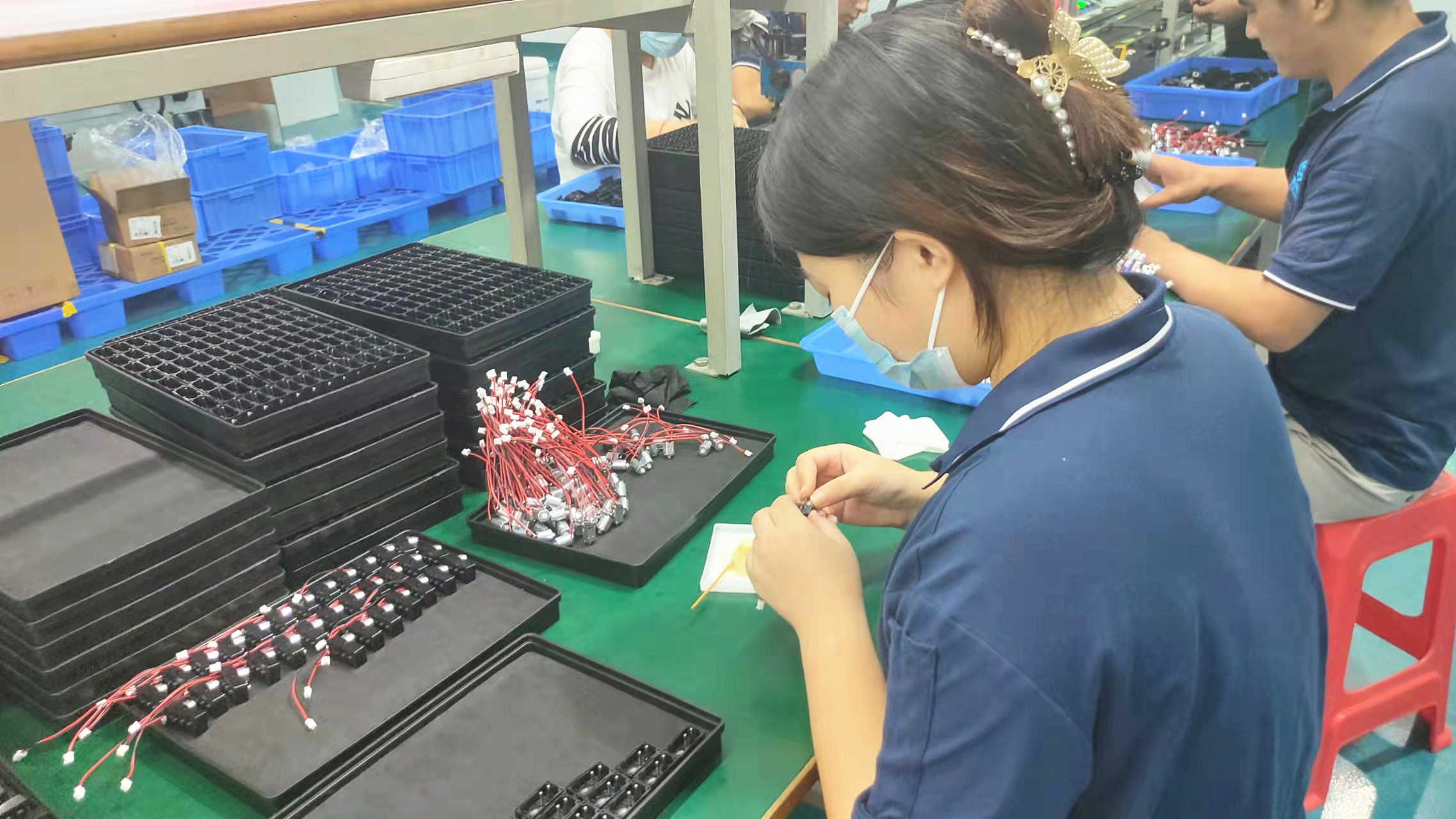
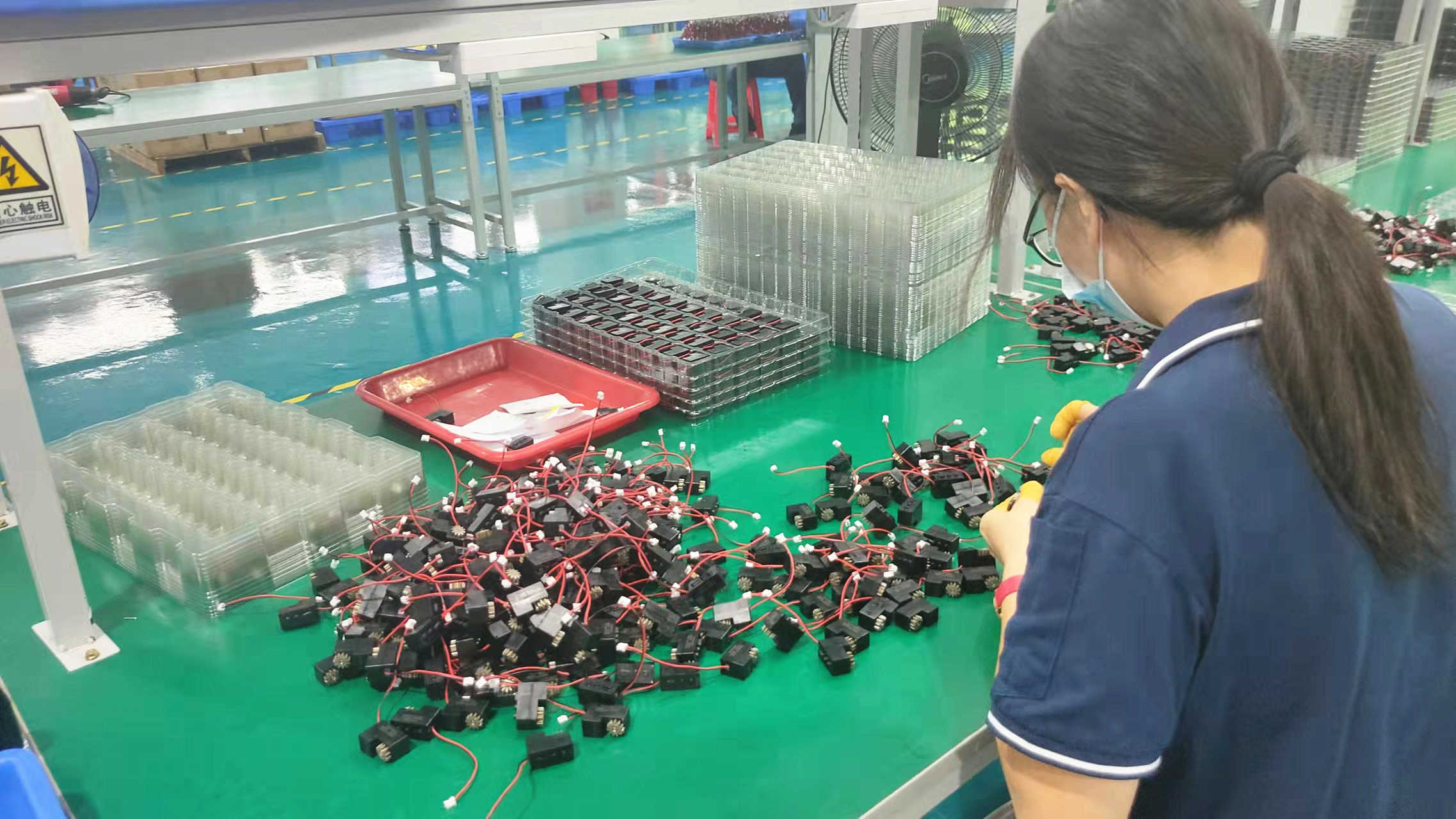
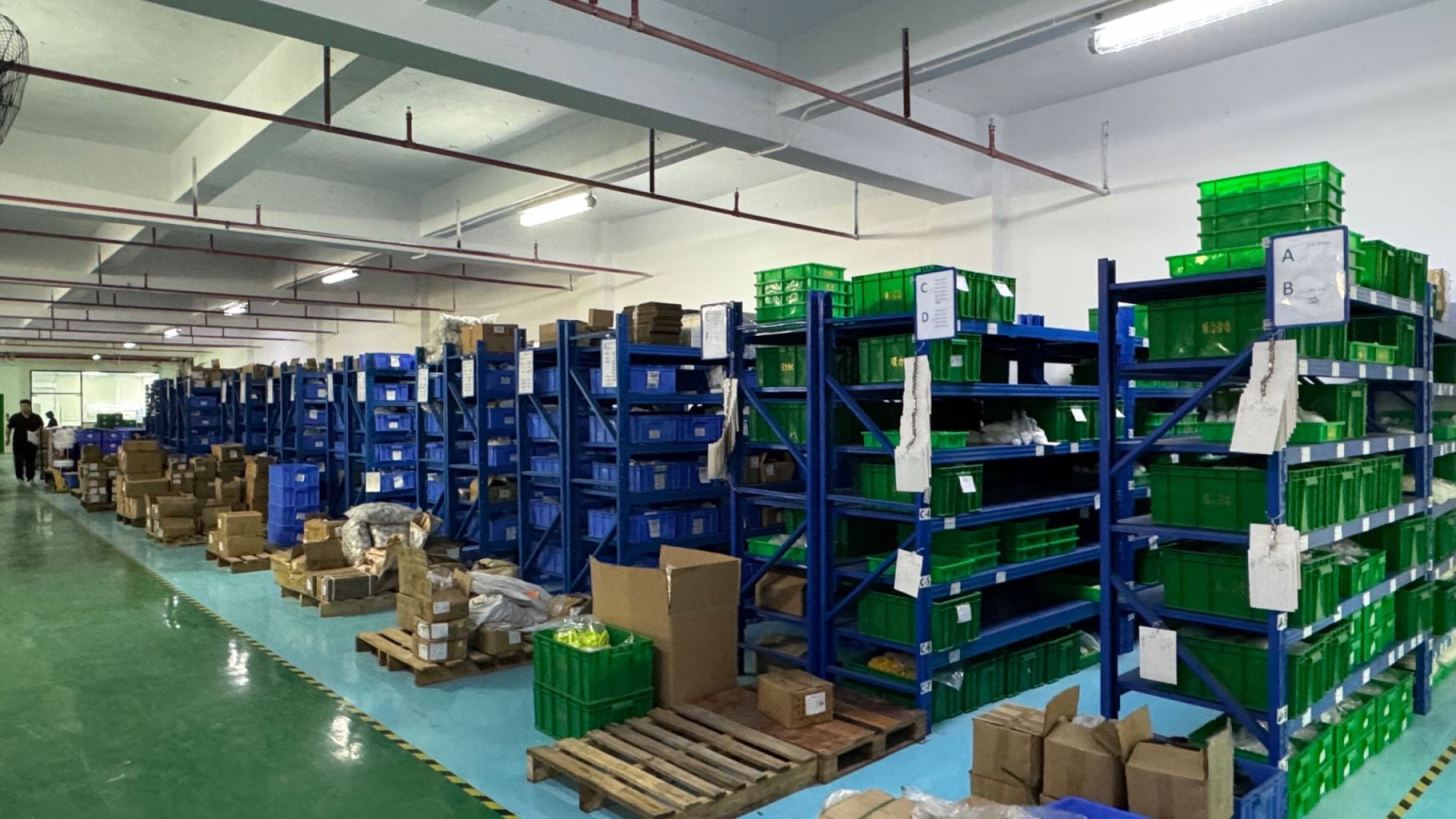
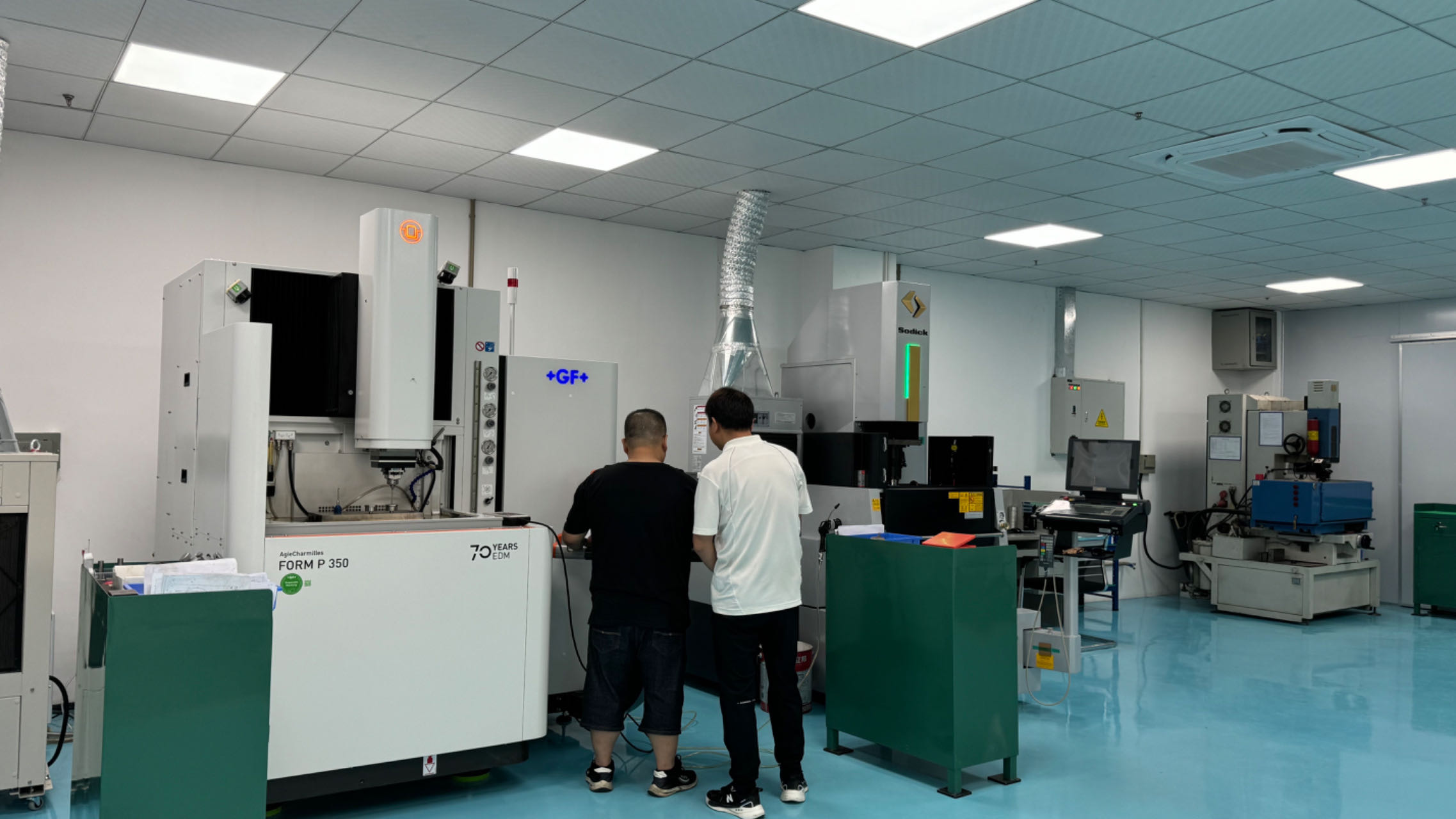
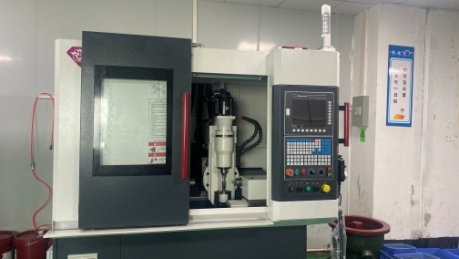
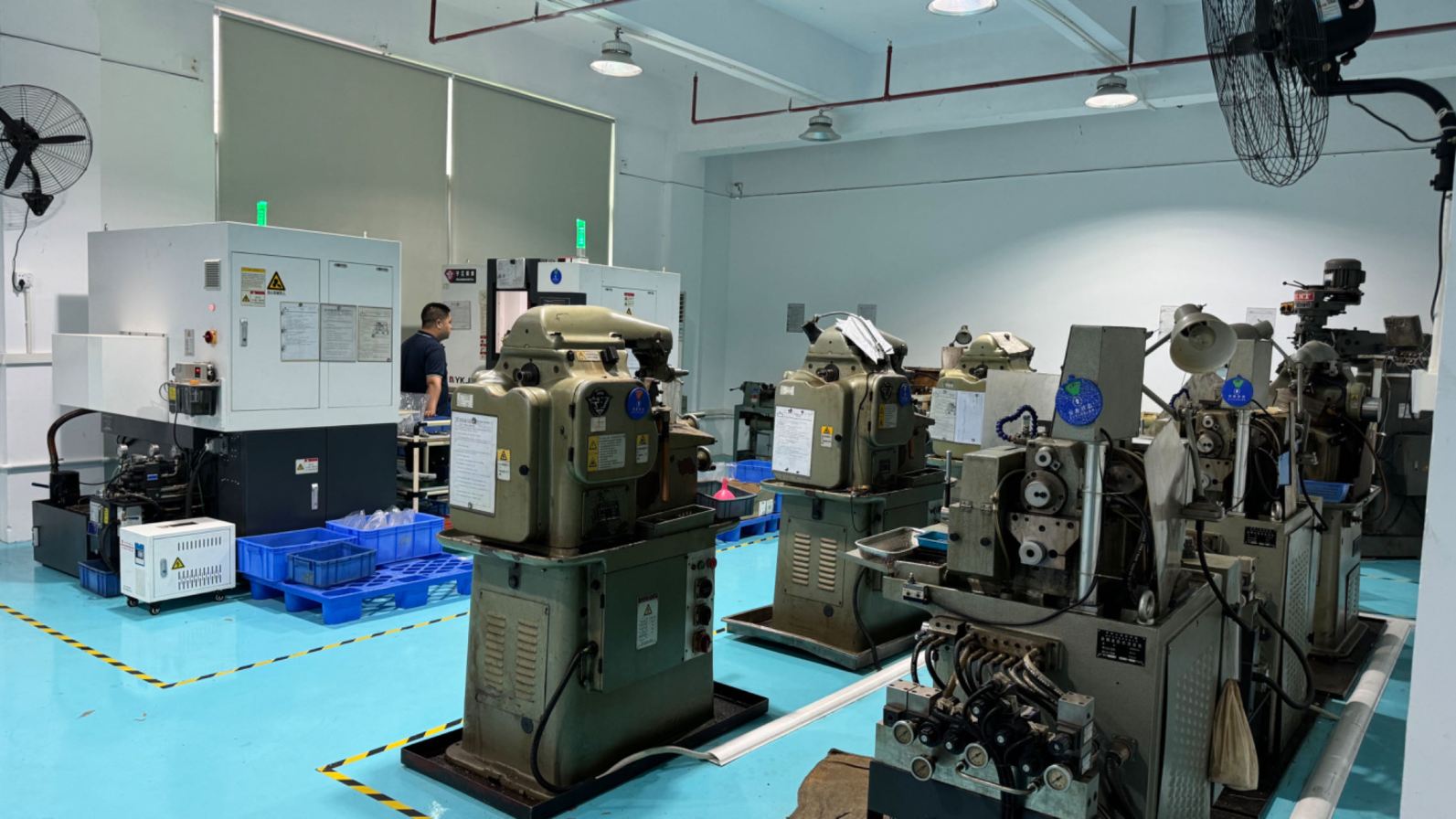
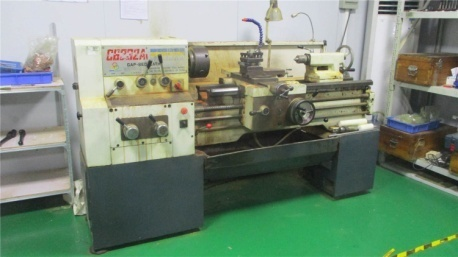
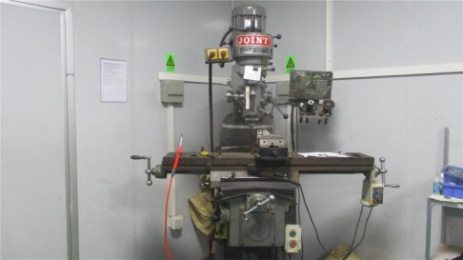
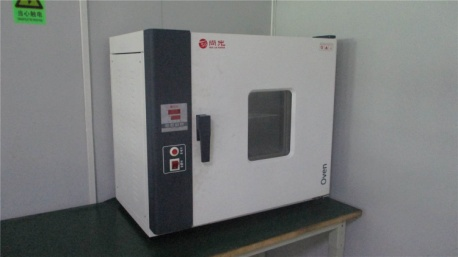
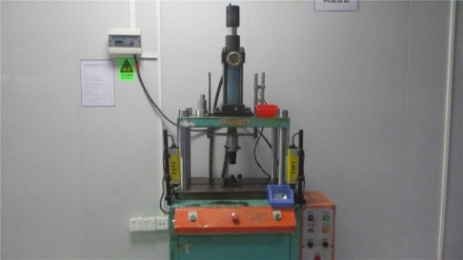
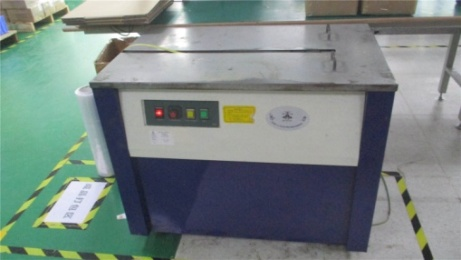
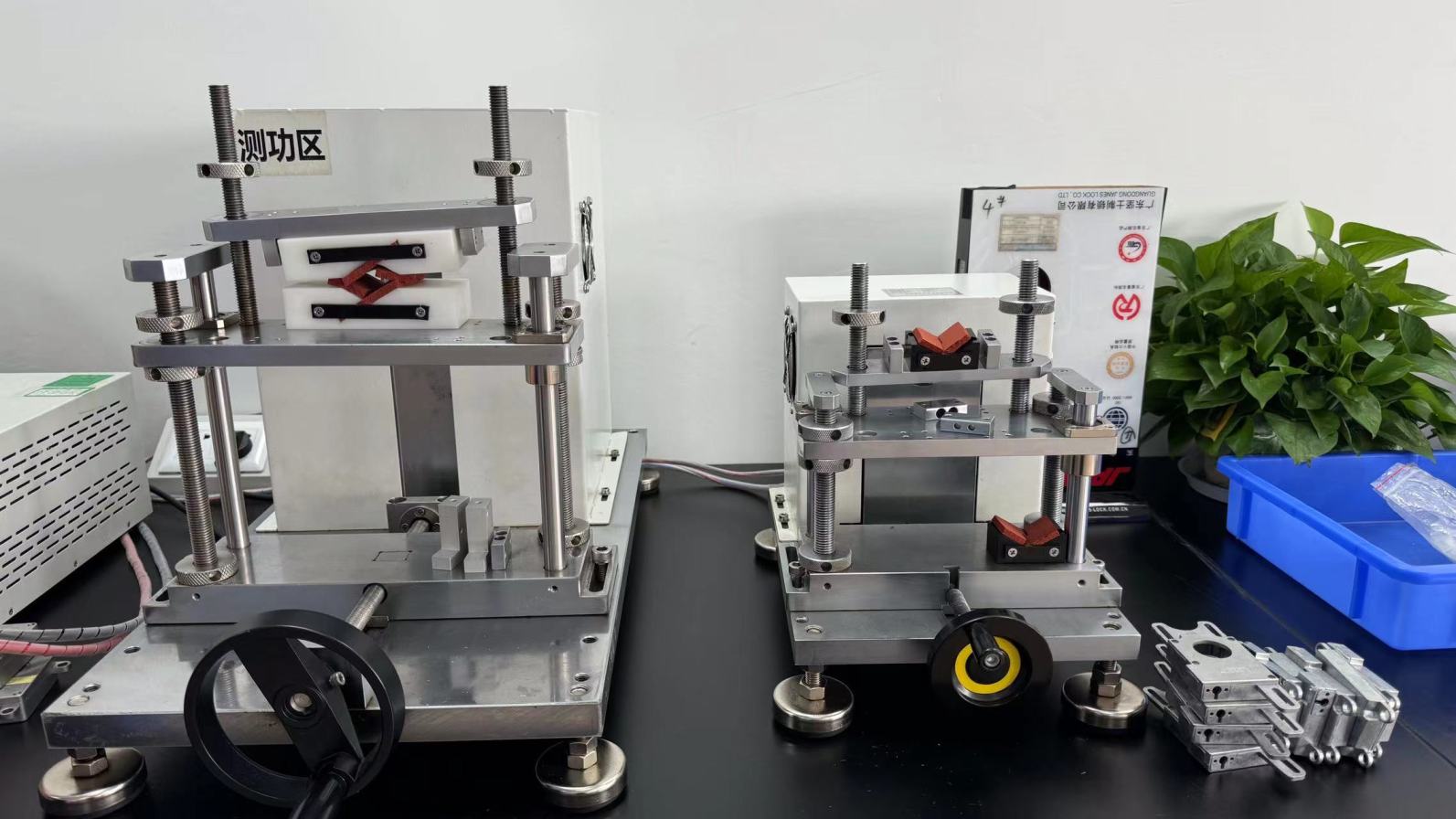
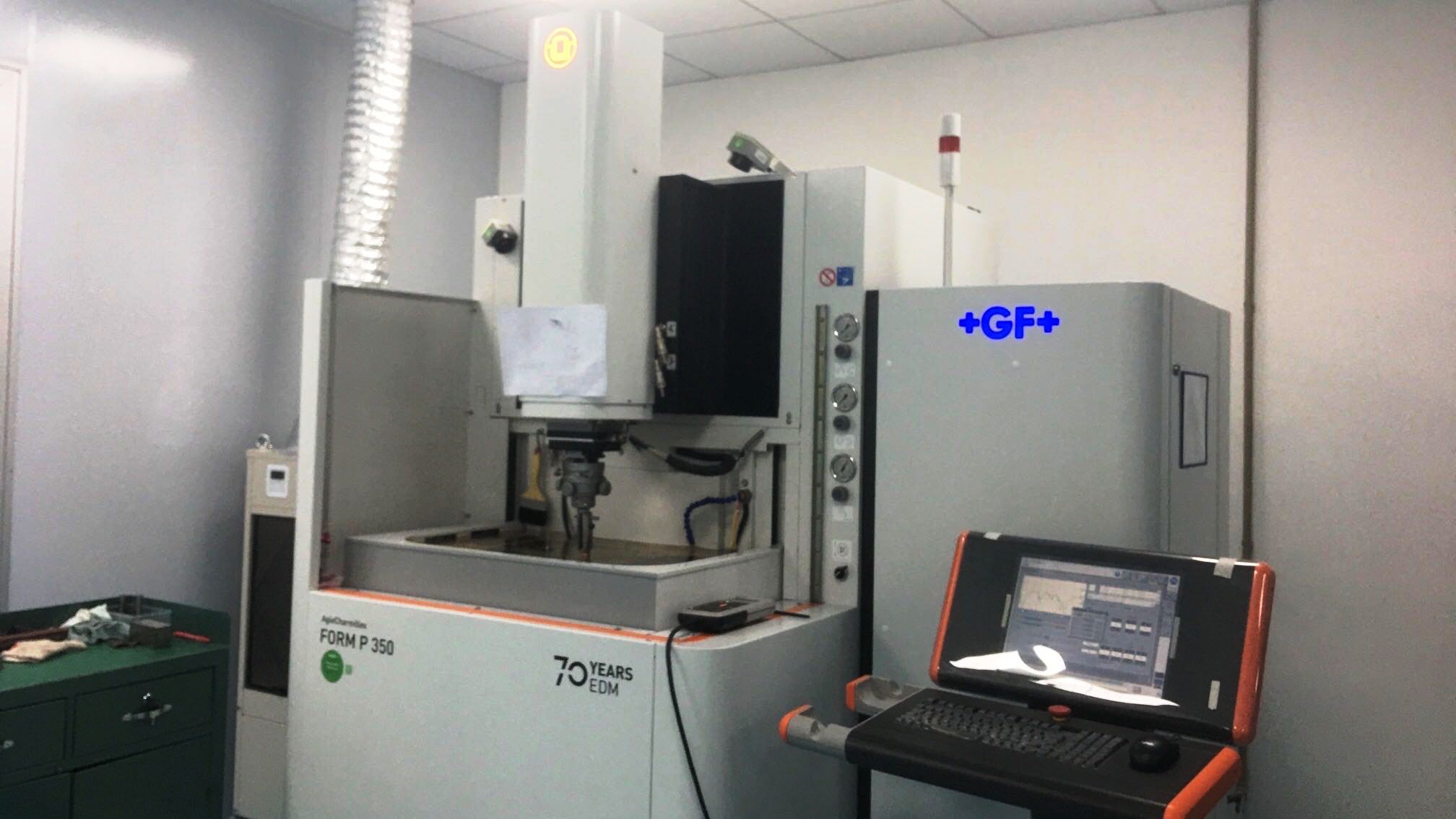
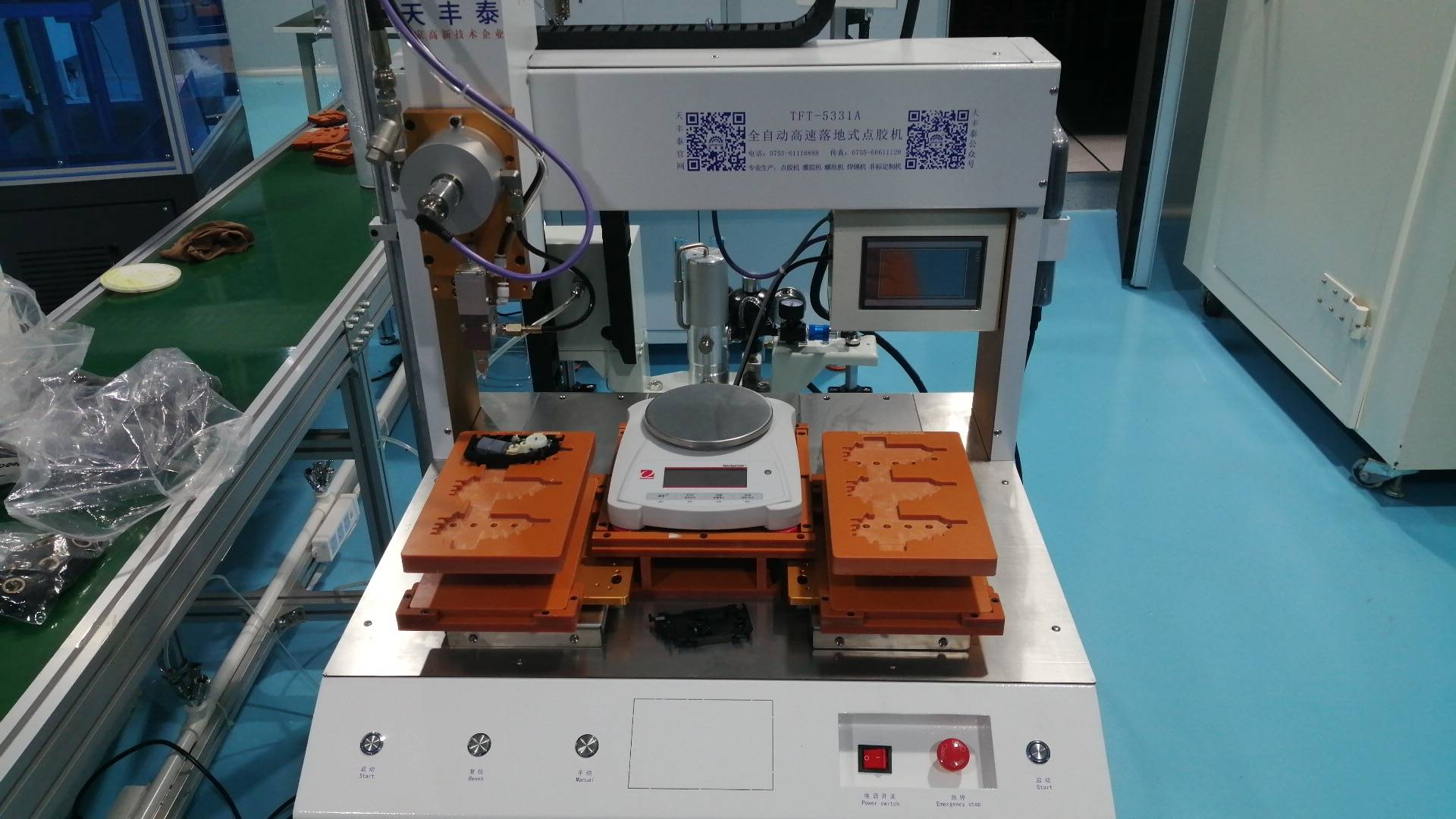
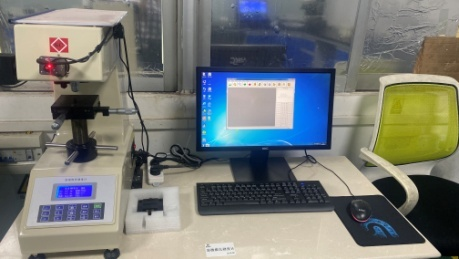
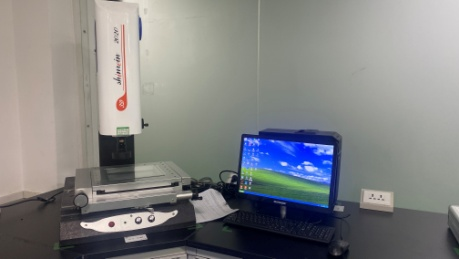
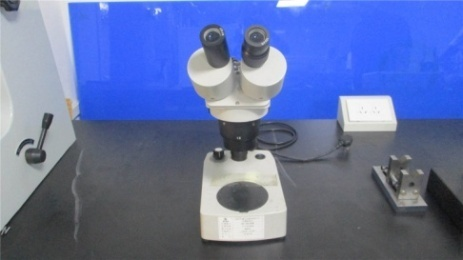
State-of-the-Art Production Machinery
Our facility houses high-precision equipment to maintain tight tolerances and design integrity.
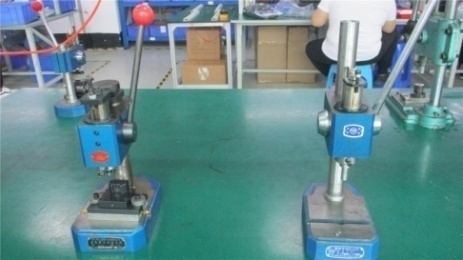
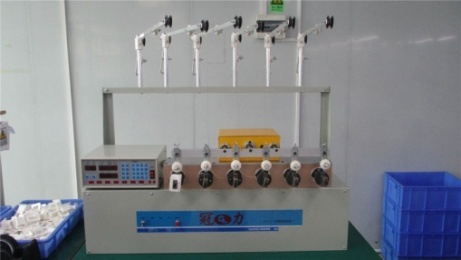
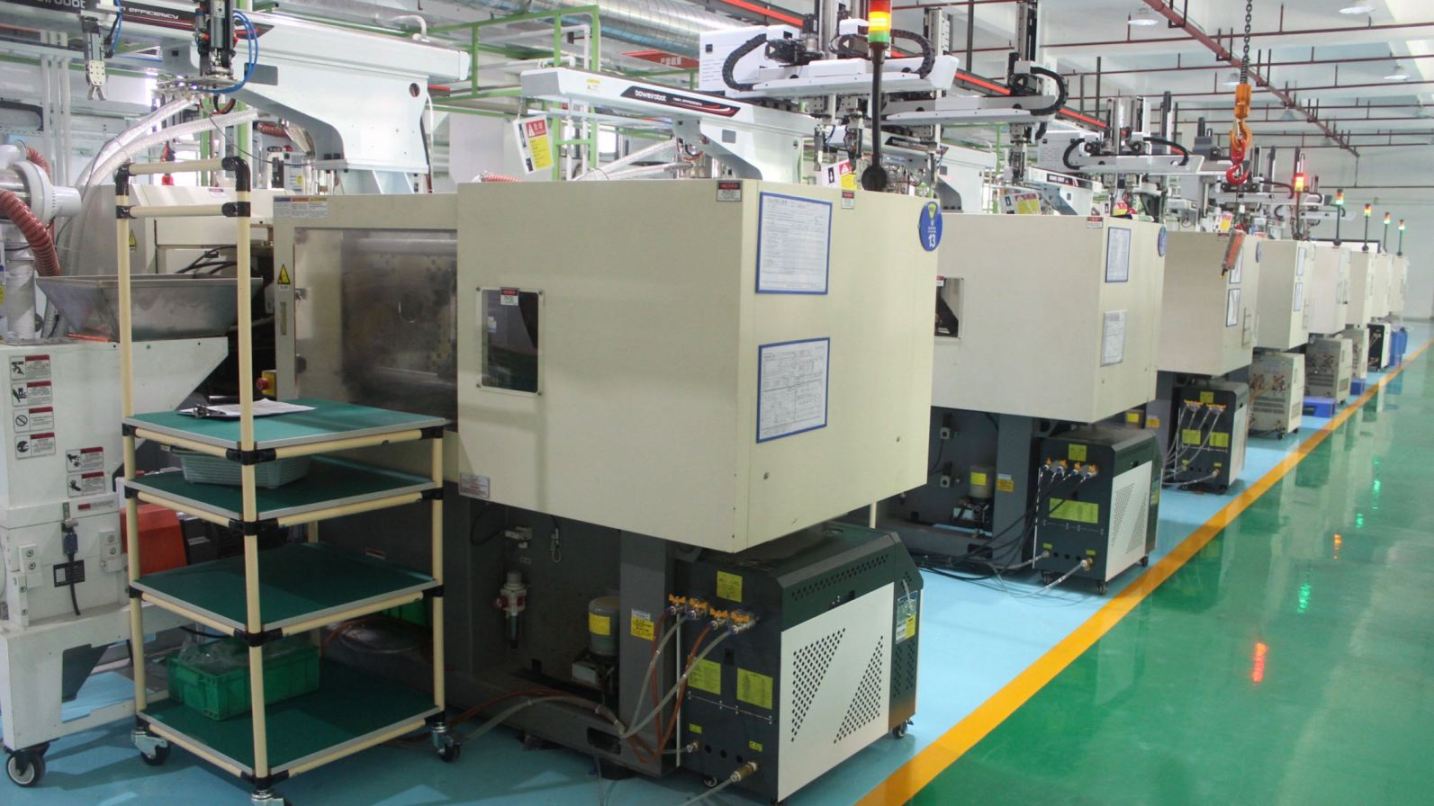
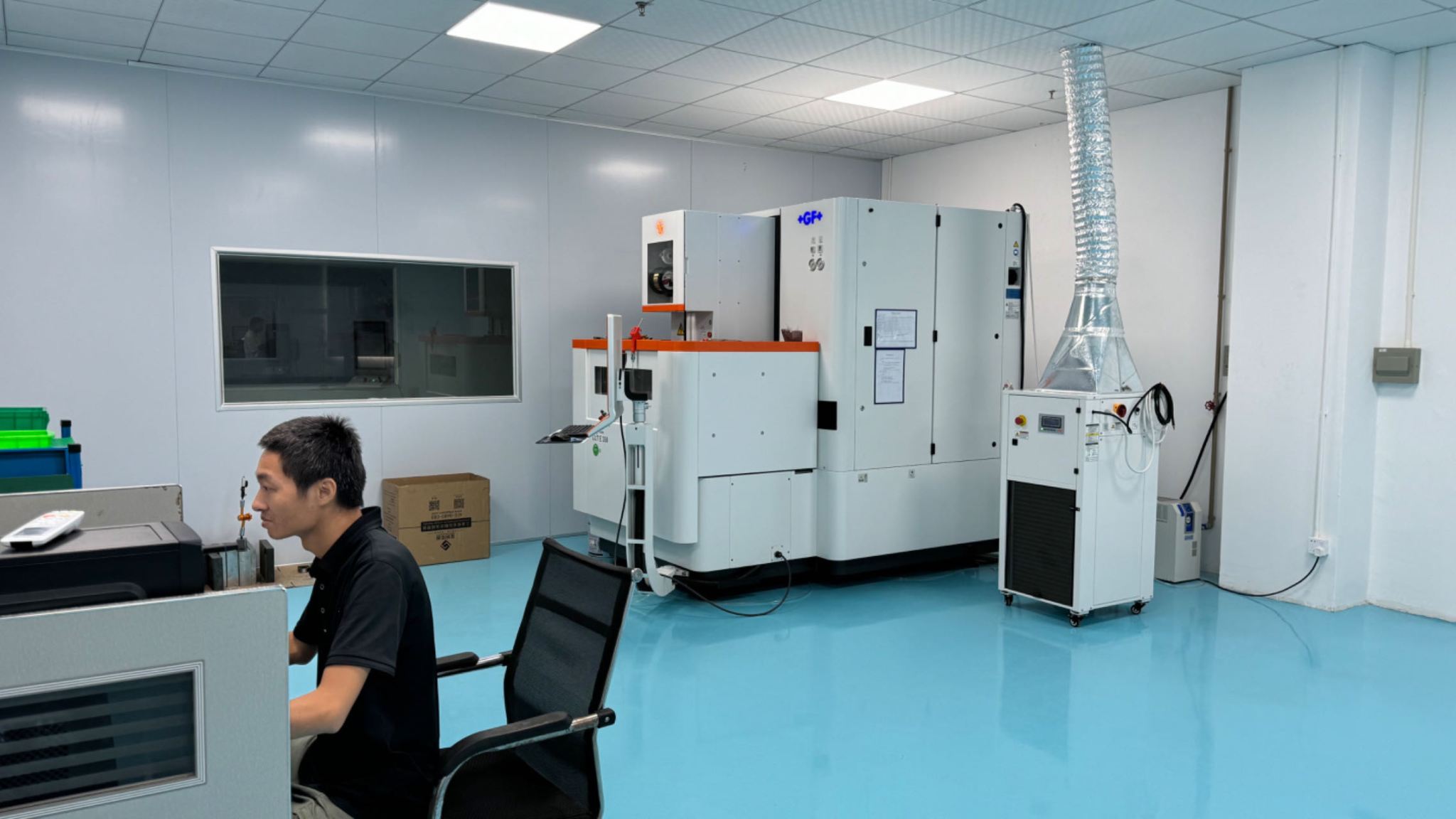
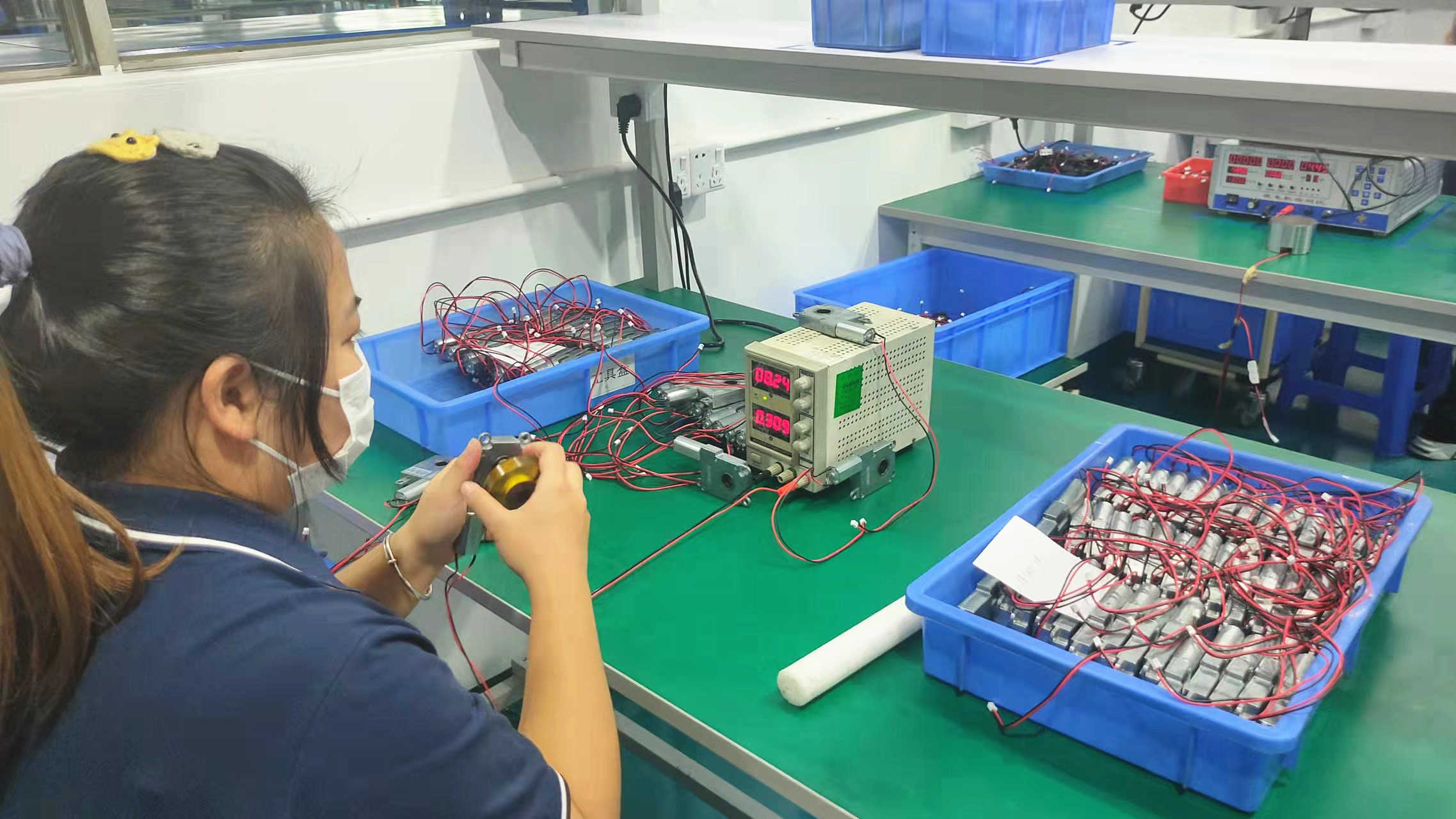
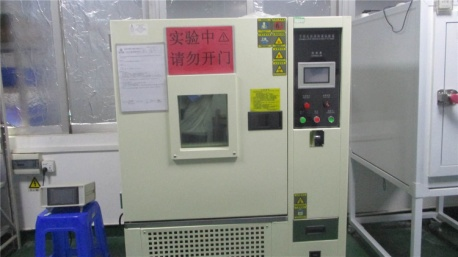
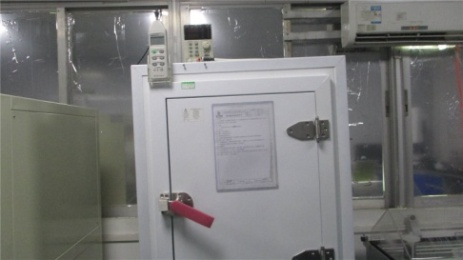
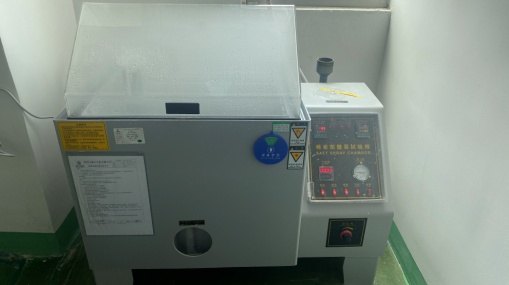
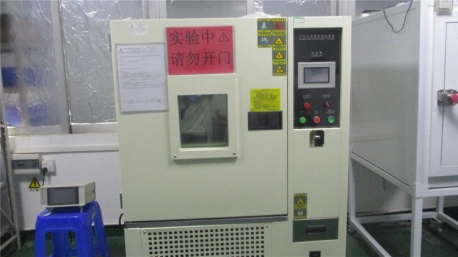
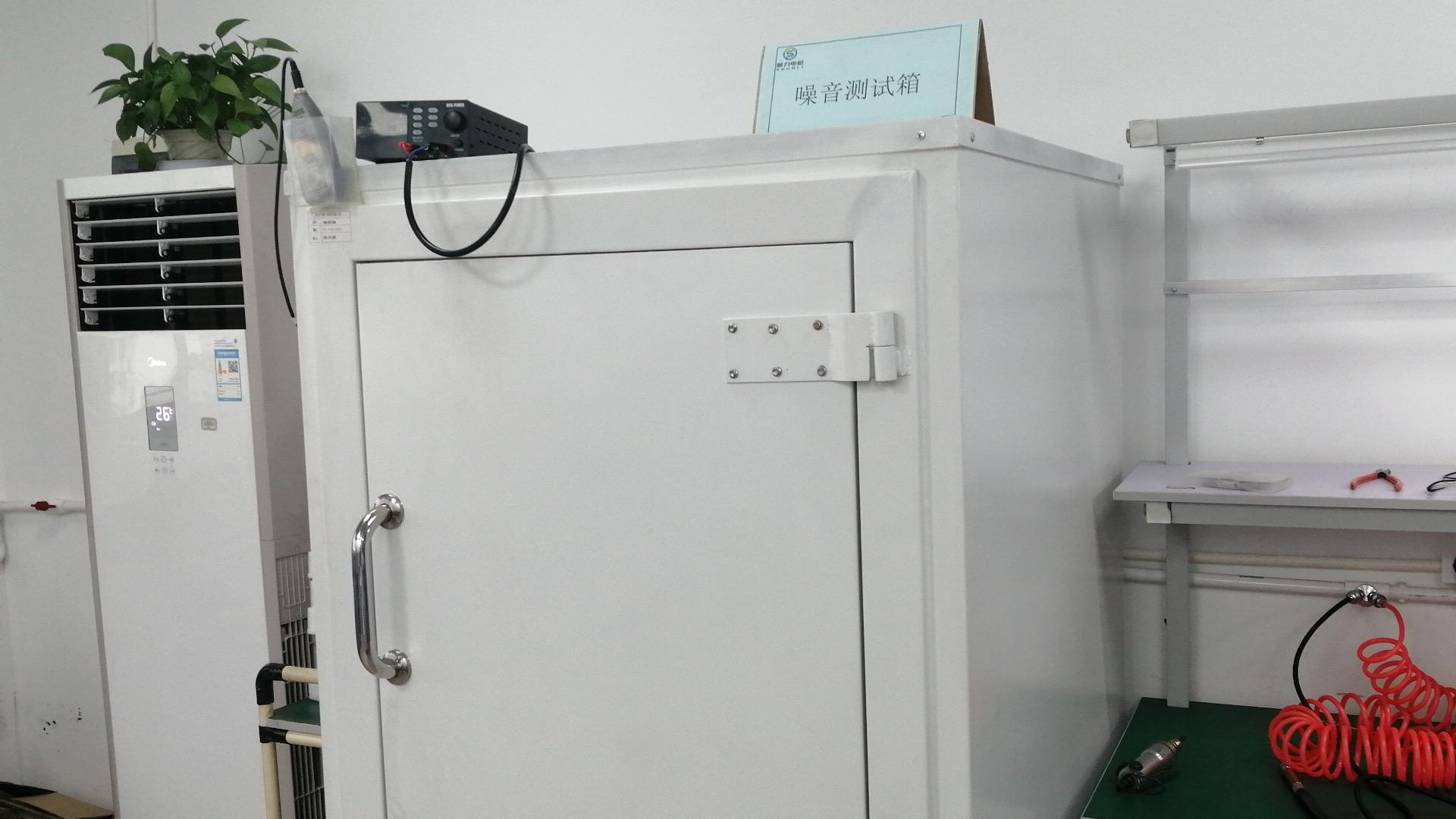
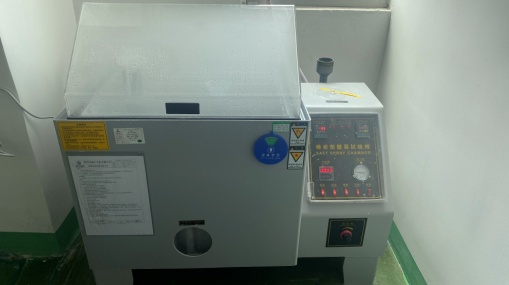
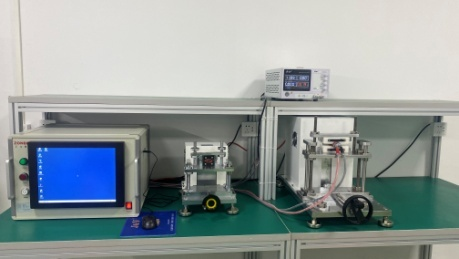
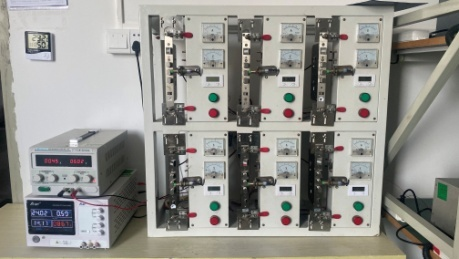
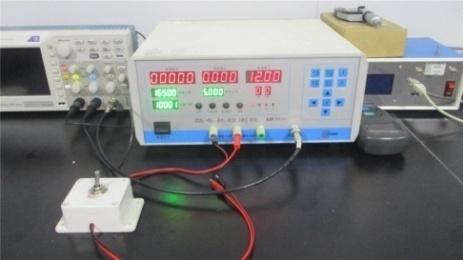
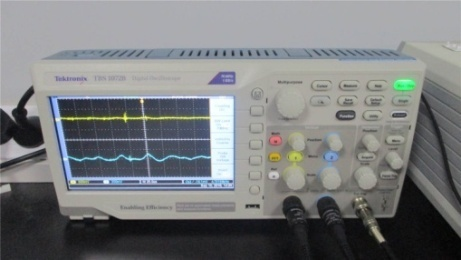
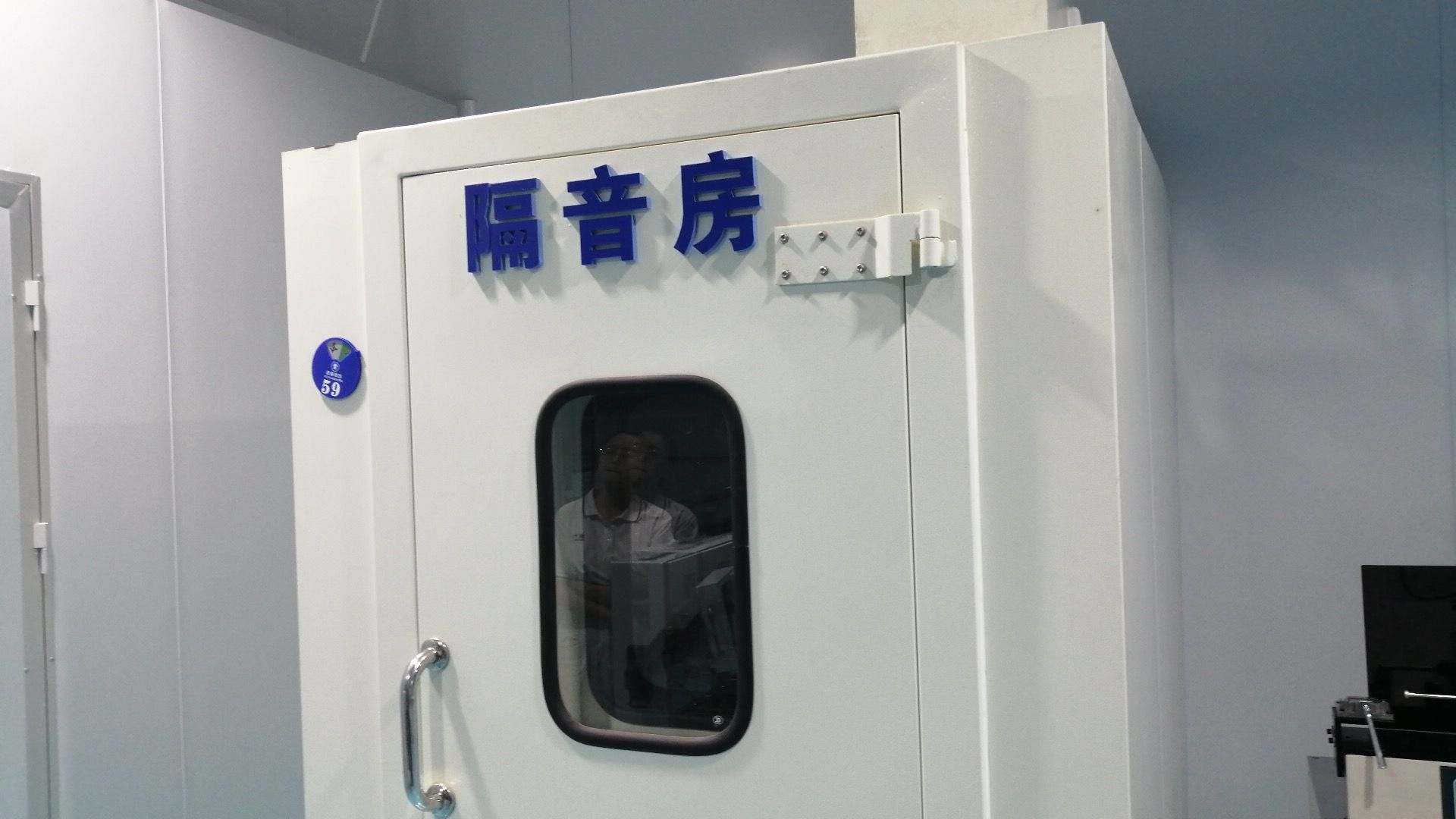
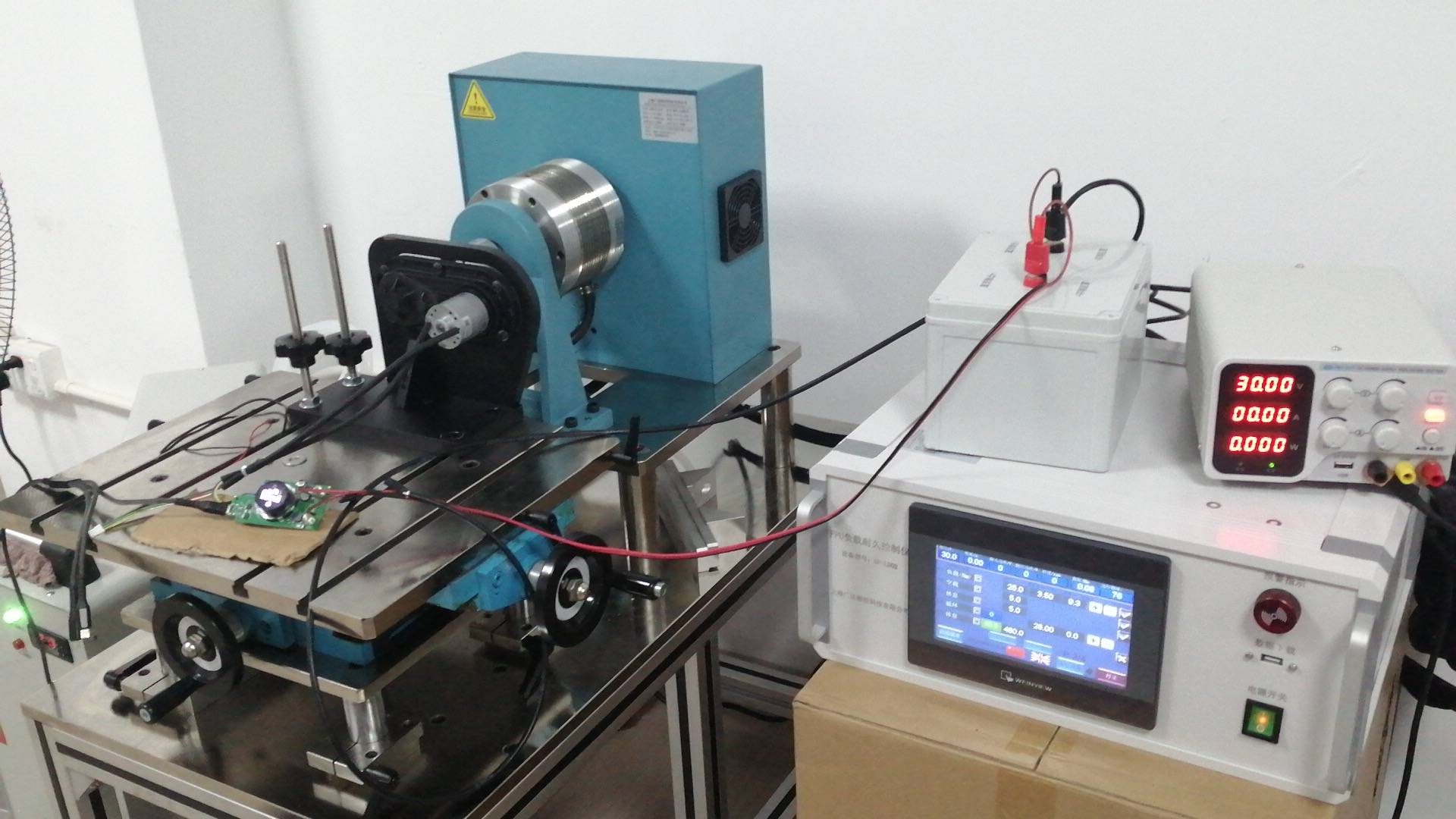
Advanced Testing Chambers & Quality Control
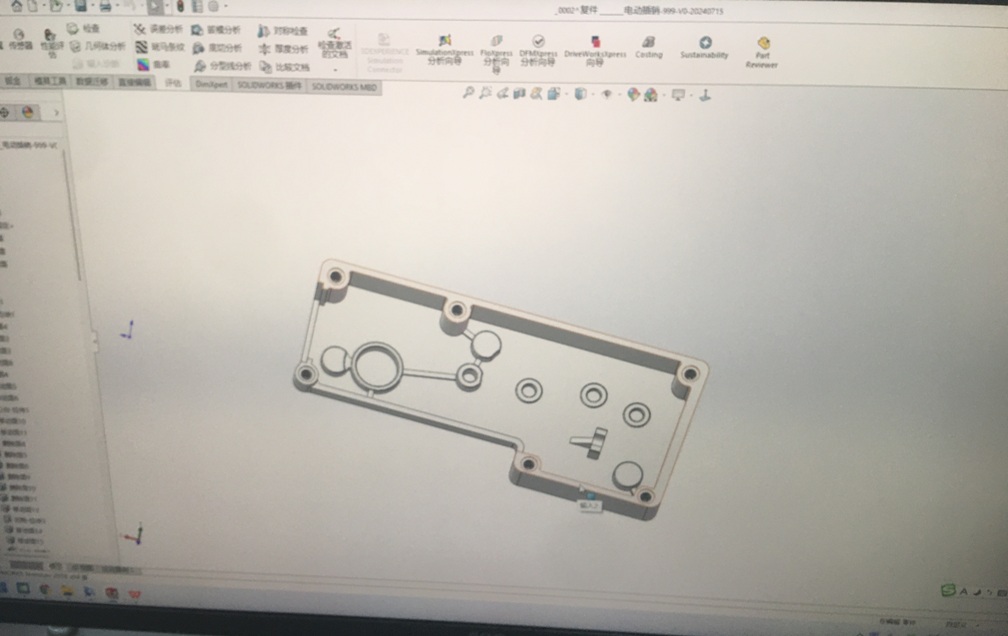
Every motor batch undergoes thorough verification inside specialized laboratories before shipment.
Macro Solutions: Standardizing Quality in Heavy Industry
How DQC addresses global supply chain concerns, system integration issues, and product lifetime costs.
Engineered for Long-Term Structural Reliability
For system integrators, selecting a motor supplier is a balance between initial acquisition costs and long-term maintenance expenses. When a drive motor fails inside an automated production line or a medical facility, the resulting downtime can cost thousands of dollars per hour. DQC addresses this by applying strict engineering standards to every micro-drive we build. By sourcing high-grade silicon steel for rotor laminations and implementing dual-bearing support structures, we minimize axial and radial play. Our internal testing procedures subject random production units to extreme thermal cycling and high humidity, ensuring they withstand harsh field environments without performance degradation.
Custom OEM/ODM Engineering Capabilities
Every application is unique. A motor that fits a robotic actuator may not work in a smart lock due to differences in speed, current limit, or shaft dimensions. DQC provides comprehensive engineering customization, including planetary gearbox ratio modifications, specialized output shaft geometry (such as D-cut, splined, or threaded), custom wiring harness configurations, and integrated feedback sensors. Our technical department collaborates directly with client engineering teams to review specifications, simulate mechanical stresses, and manufacture prototypes, accelerating time-to-market and ensuring seamless system integration.
Frequently Asked Questions
Detailed technical answers regarding micro-motor selection, custom engineering, and integration.
Browse Our Complete Micro-Drive Catalog
Industrial components optimized for low noise, massive torque, and structural durability.