DC Motor B2B
🚀 Featured Precision Micro Motors
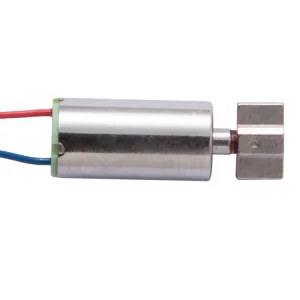
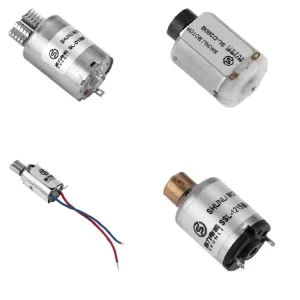
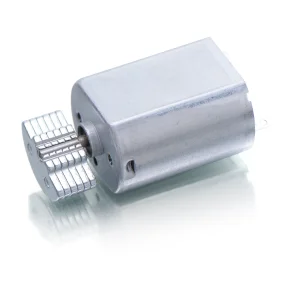
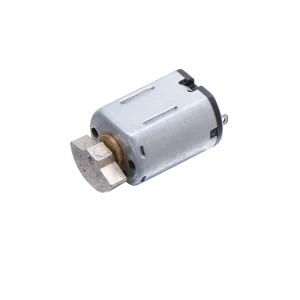
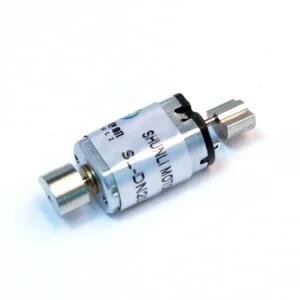
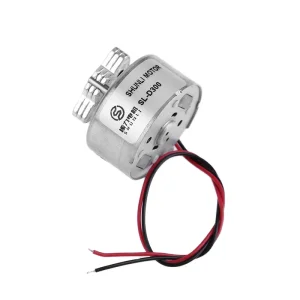
🌐 The Global Landscape of DC Micro Vibration Motors
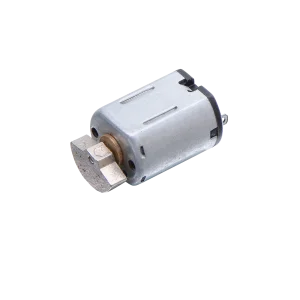
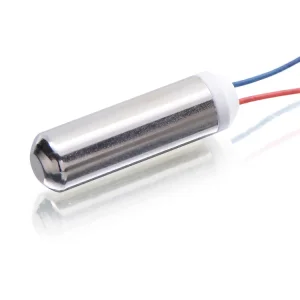
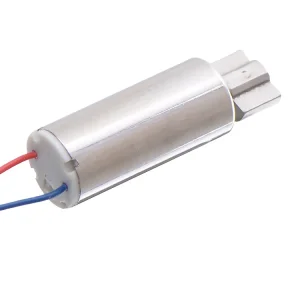
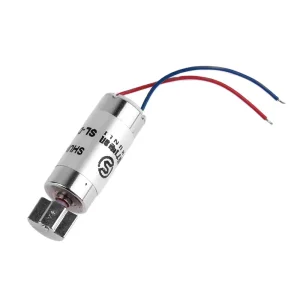
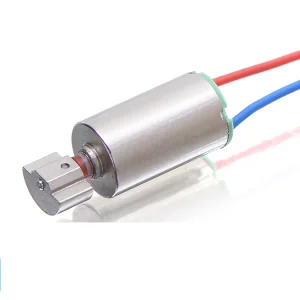
The global market for DC micro vibration motors has witnessed an unprecedented surge, driven by the explosive growth of wearable electronics, IoT devices, and advanced medical instrumentation. As of 2024, the industry is no longer just about "making things shake." It has evolved into a sophisticated discipline of haptic feedback engineering. From the subtle tactile alerts in a smartwatch to the intensive mechanical pulses required in industrial massage equipment, the demand for precision, longevity, and energy efficiency is paramount.
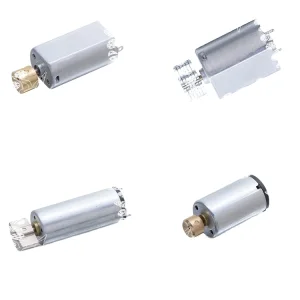
Leading factories and suppliers, particularly in high-tech hubs like Guangdong, are transitioning from traditional Eccentric Rotating Mass (ERM) designs to more efficient Linear Resonant Actuators (LRA) and Brushless DC (BLDC) solutions. This shift is necessitated by the need for smaller footprints—where space is measured in micrometers—and the global push for "Green Electronics" that consume minimal power while delivering maximum torque.
Miniaturization Paradox
The primary challenge for modern suppliers is packing massive torque into miniature spaces. As devices get thinner, motors must follow suit without sacrificing mechanical reliability.
Energy Optimization
With the rise of battery-operated IoT sensors, micro motors must operate at ultra-low voltages (1.5V - 3.7V) while maintaining consistent RPM and vibration amplitude.
Acoustic Engineering
In the beauty and medical industries, "Noise-to-Vibration" ratios are critical. High-end suppliers now utilize Japanese dynamic balancing to ensure whispering-quiet operation.
🛠️ Engineering Perfection: The DQC Philosophy
Packing Massive Torque Into Miniature Spaces
Inside a premium robotic joint, an automated medical pump, or a high-end smart lock, space is the ultimate luxury. At DQC, we measure our success in micrometers and decibels. Our mission is to take advanced, heavy-duty rotational power and compress it into the most compact, energy-efficient footprints imaginable.
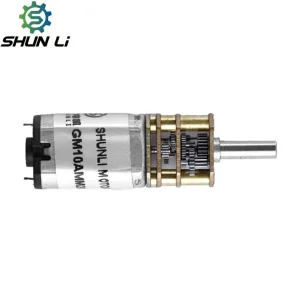
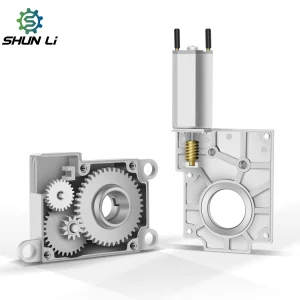
Our expertise lies in the micro-details of motion. From precision-wound copper rotors and high-purity commutators to zero-backlash planetary gear trains, every single internal component of a DQC motor is optimized to eliminate friction and maximize heat dissipation. By combining advanced automated Swiss-style hobbing with Japanese dynamic balancing, we ensure our micro drives deliver the fluid, whispering-quiet power your brand promises.
🏭 Advanced Manufacturing & QC Ecosystem
Our production facility is equipped with state-of-the-art machinery to ensure every DC micro motor meets international standards (RoHS, CE, ISO9001).

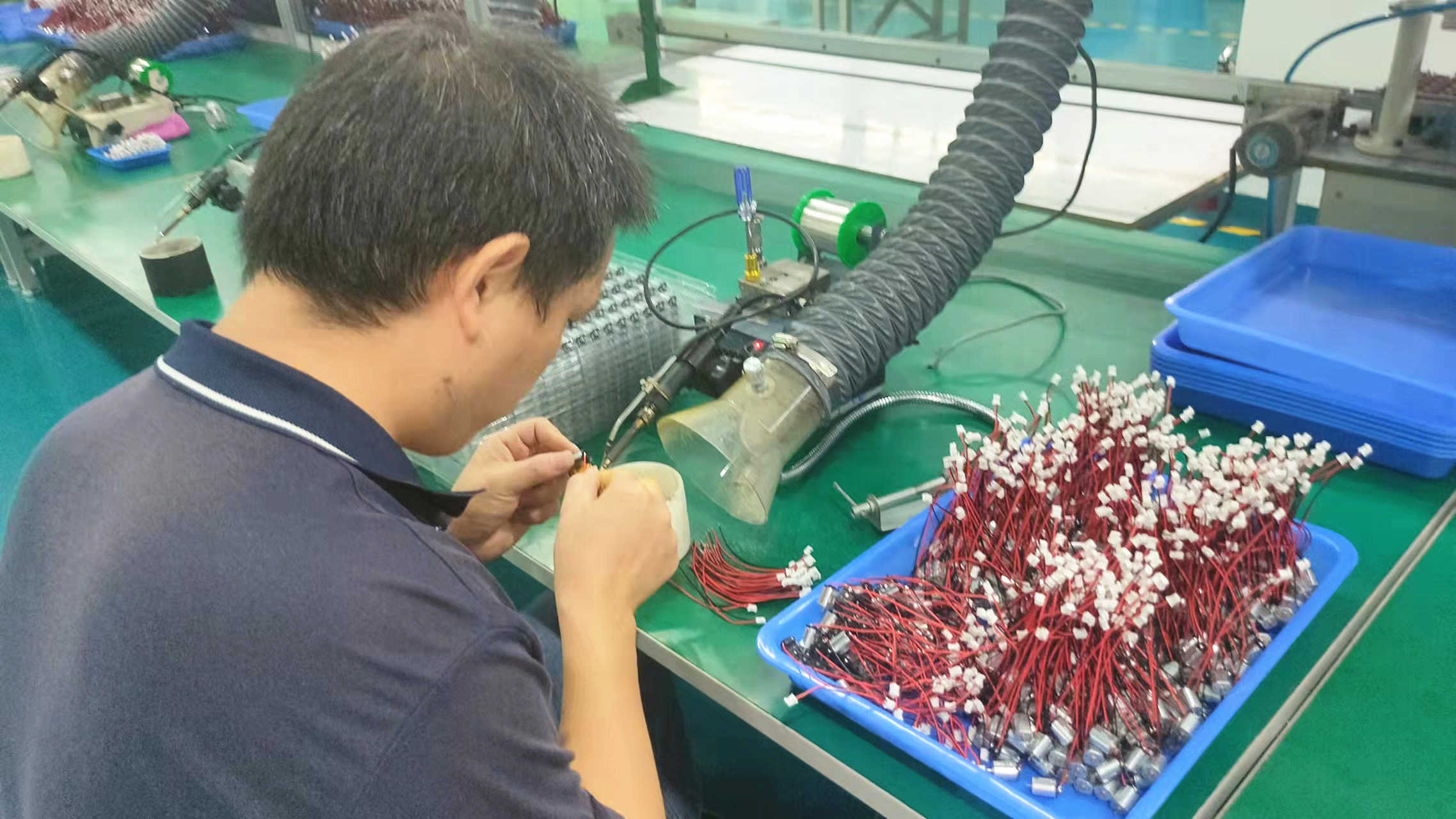
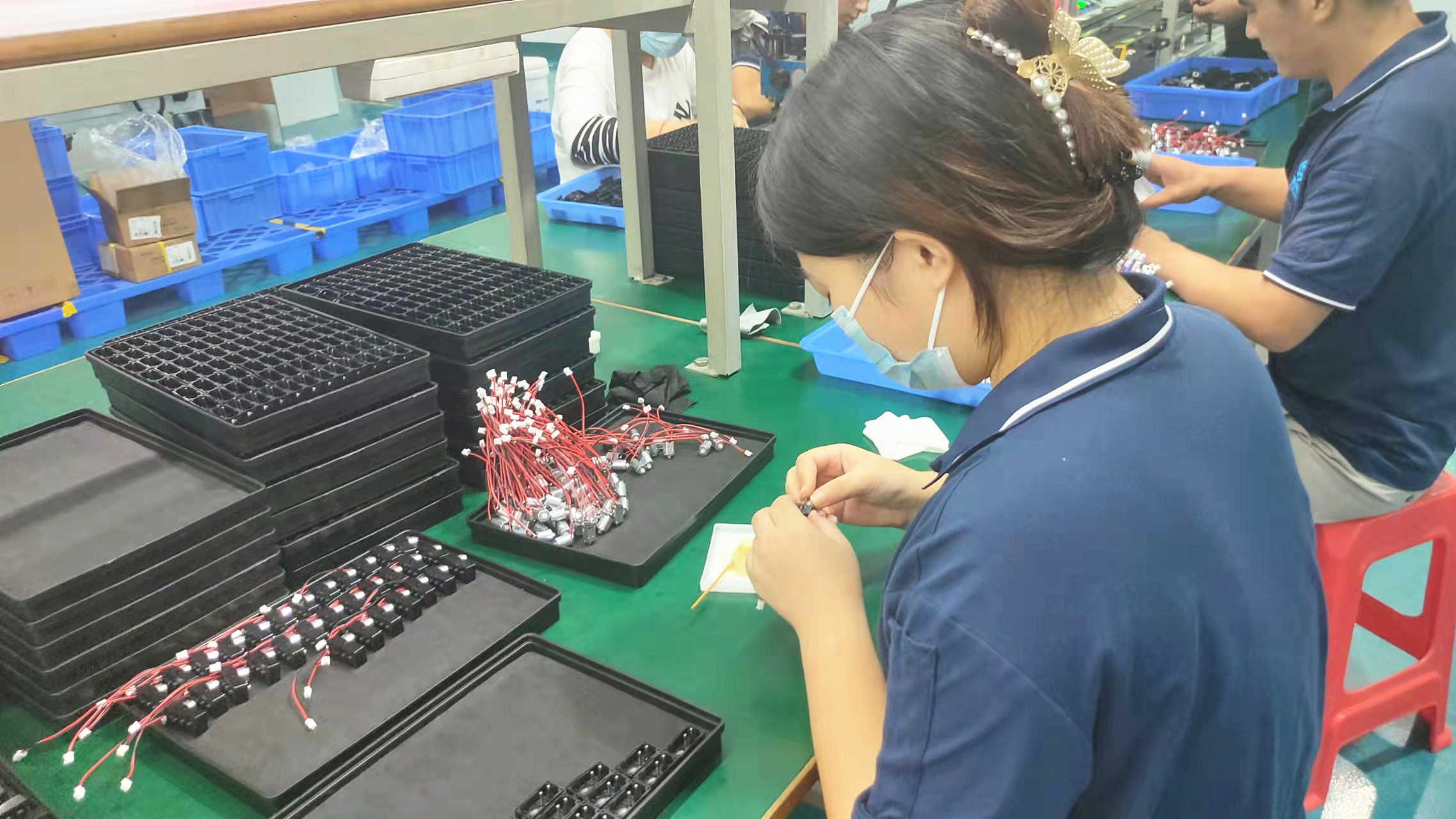
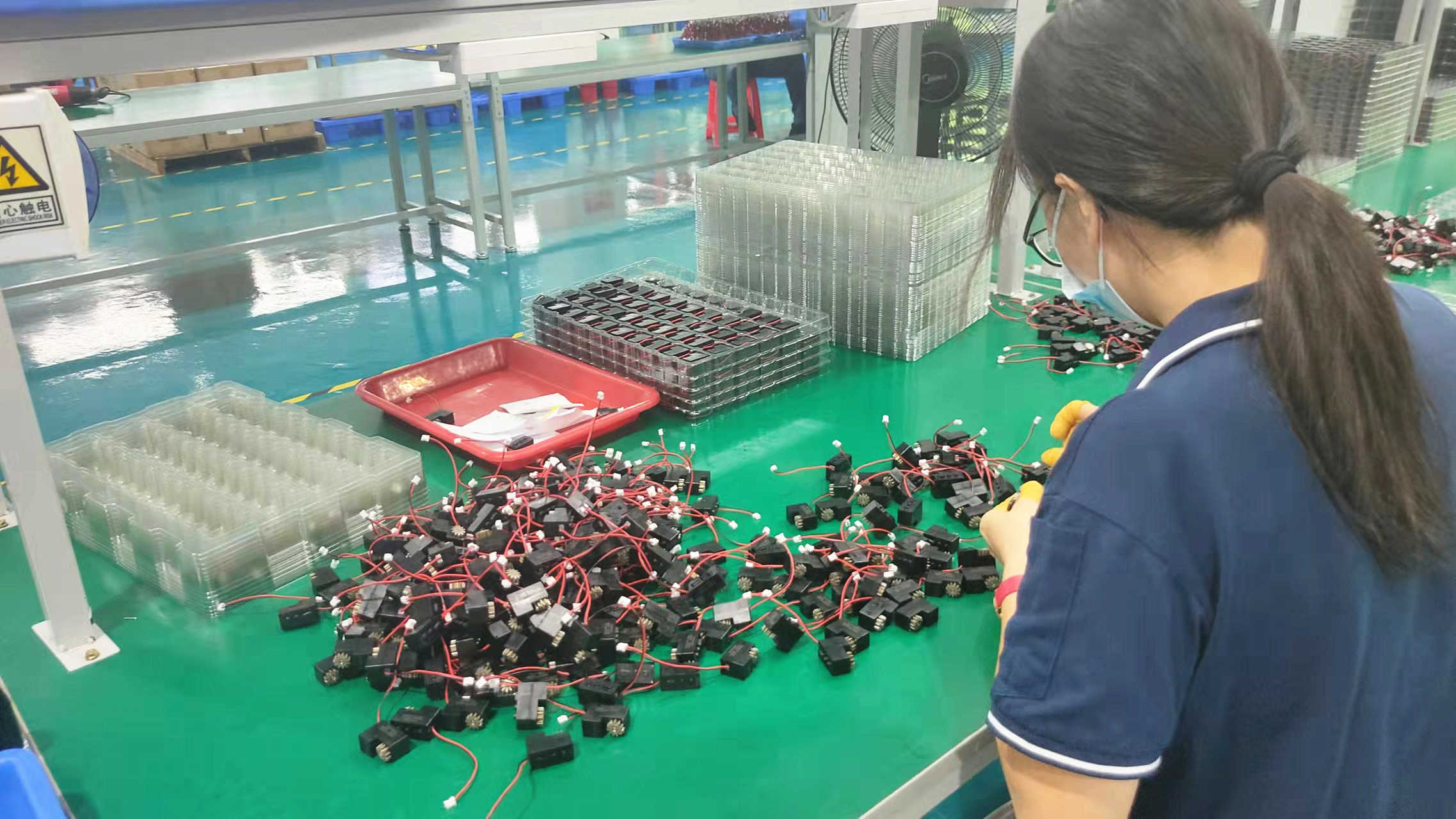
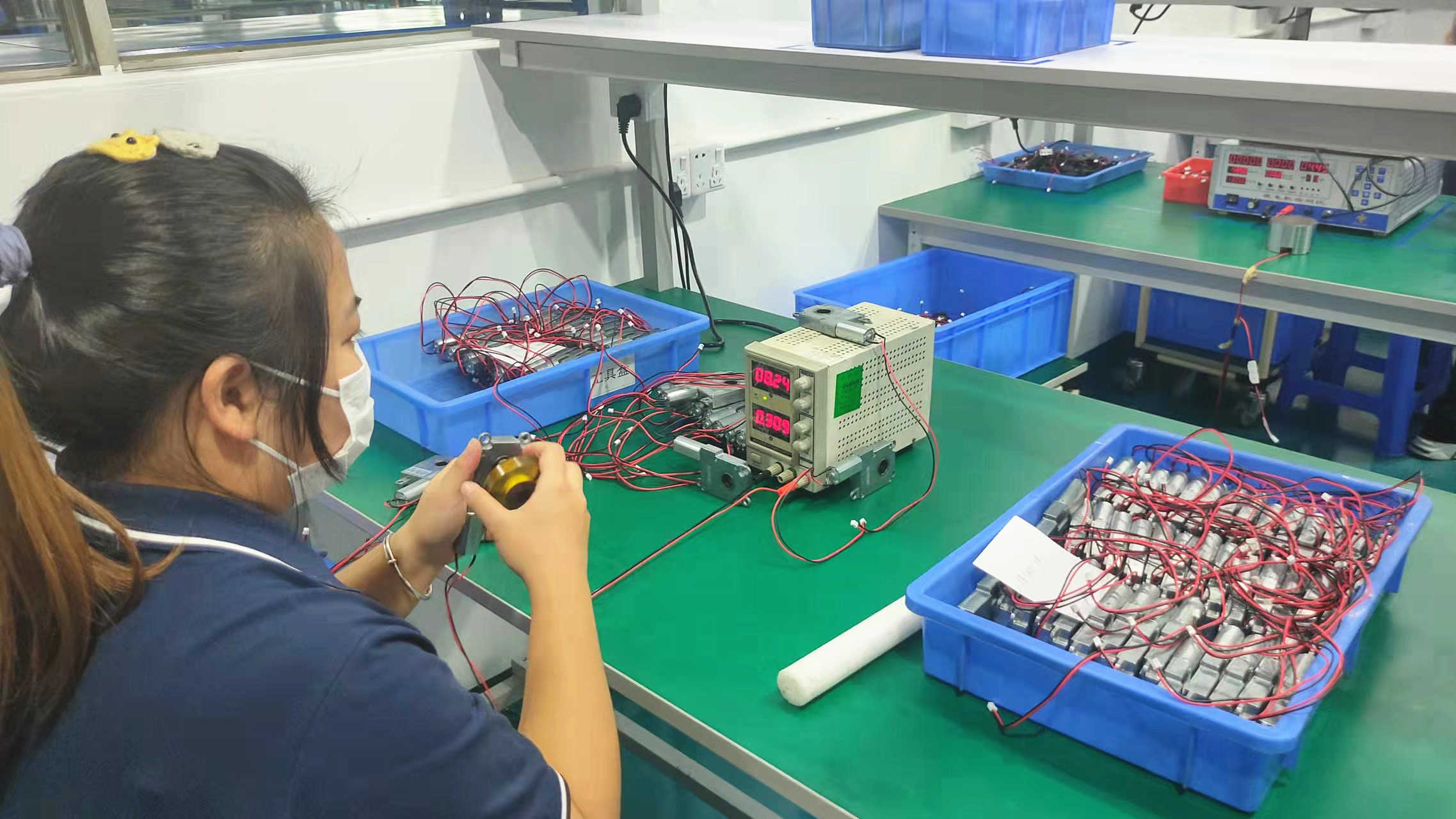
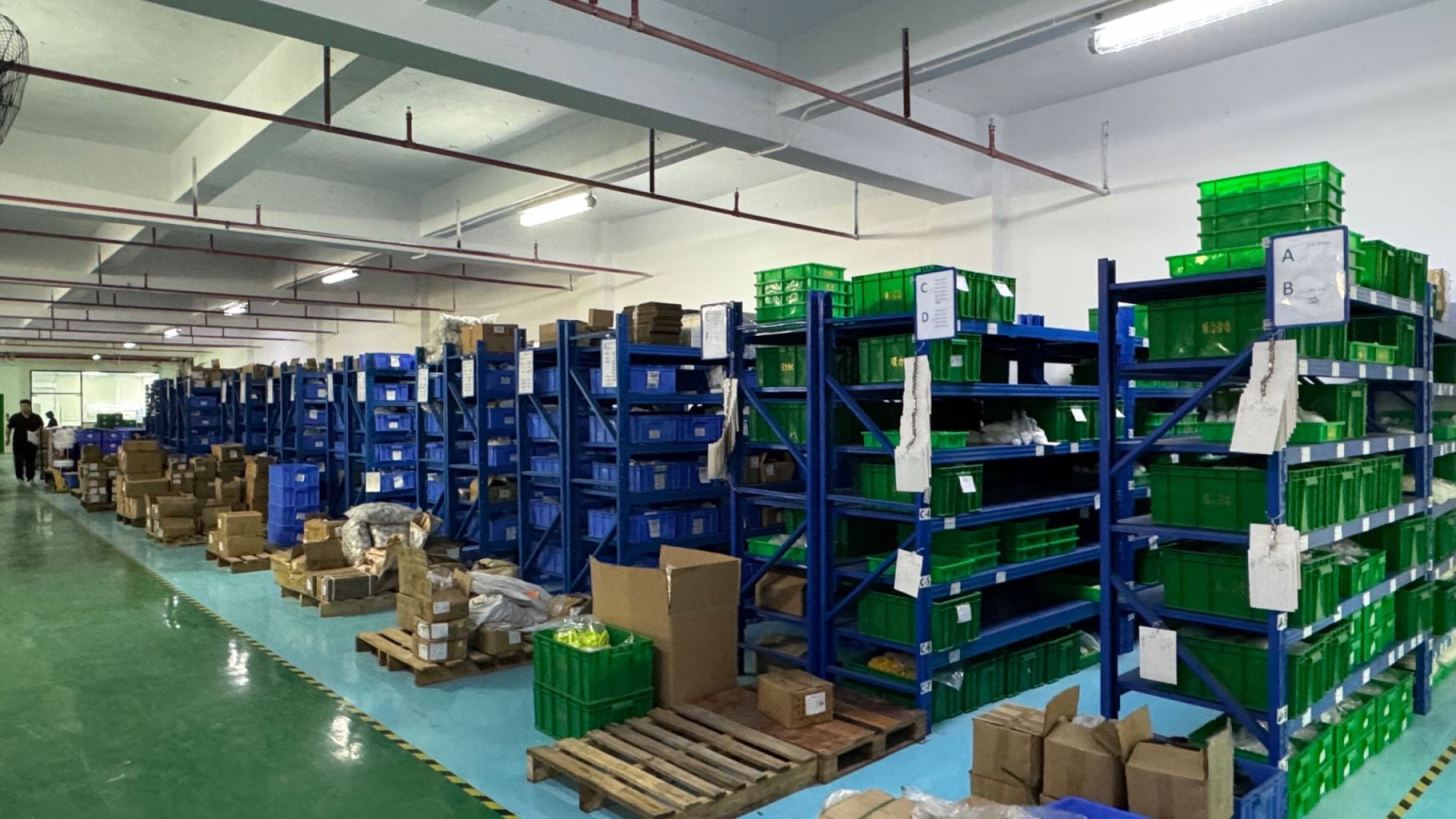
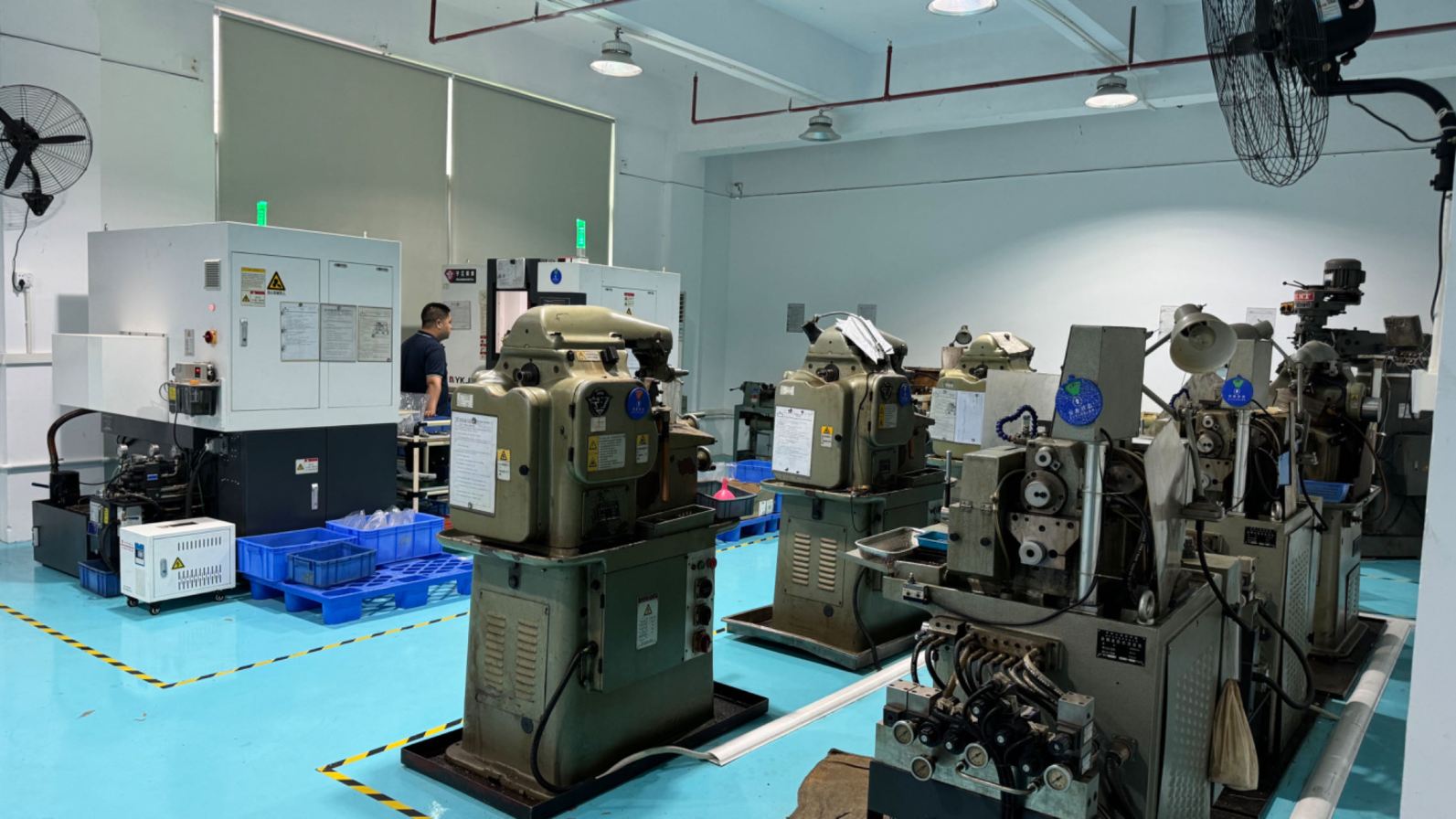
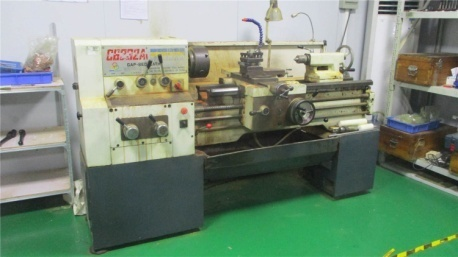
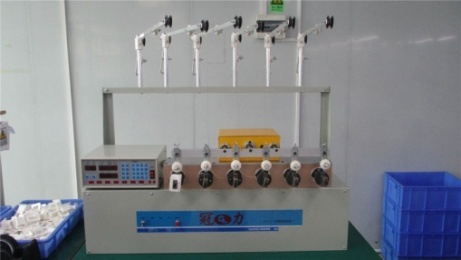
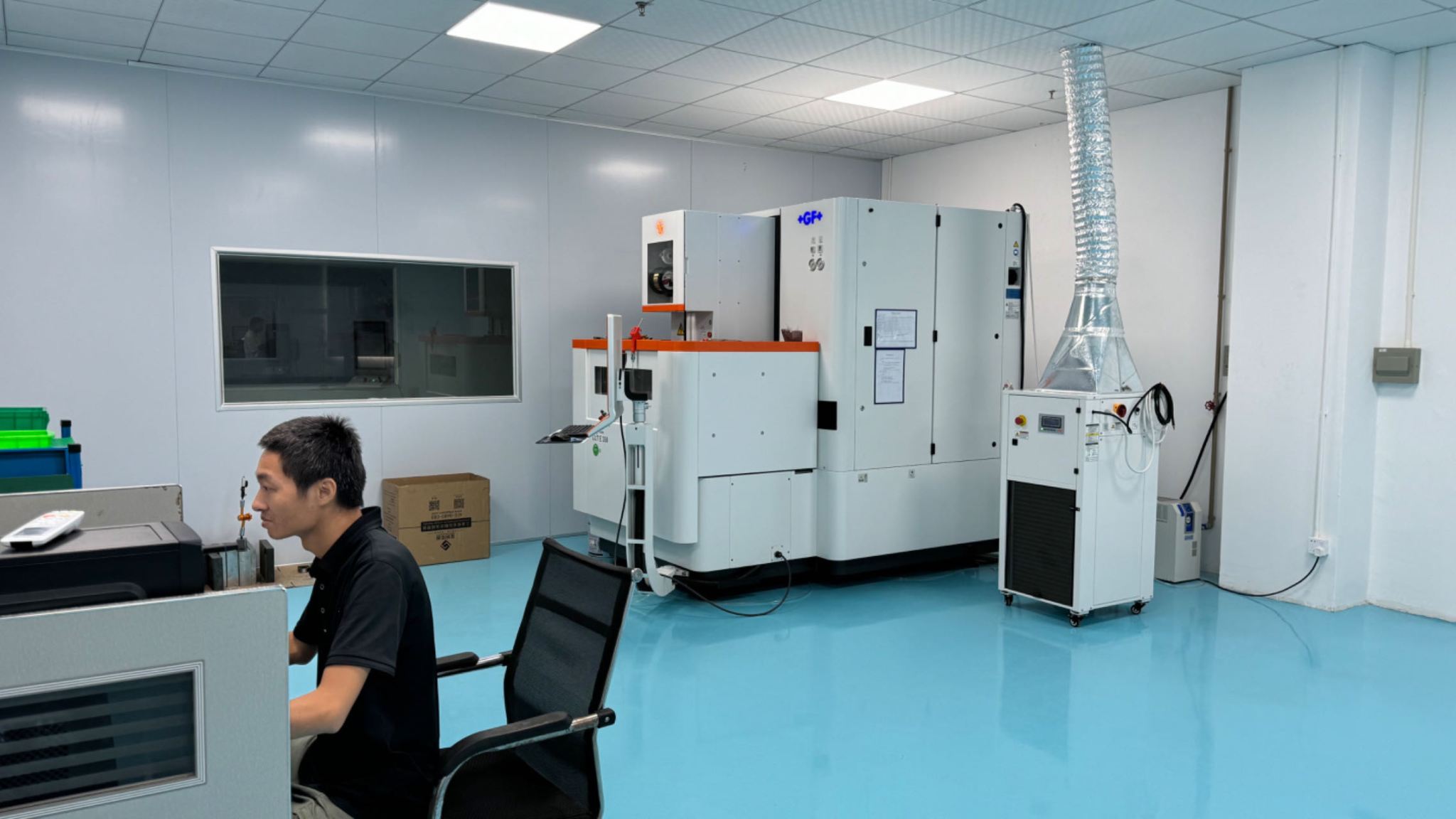
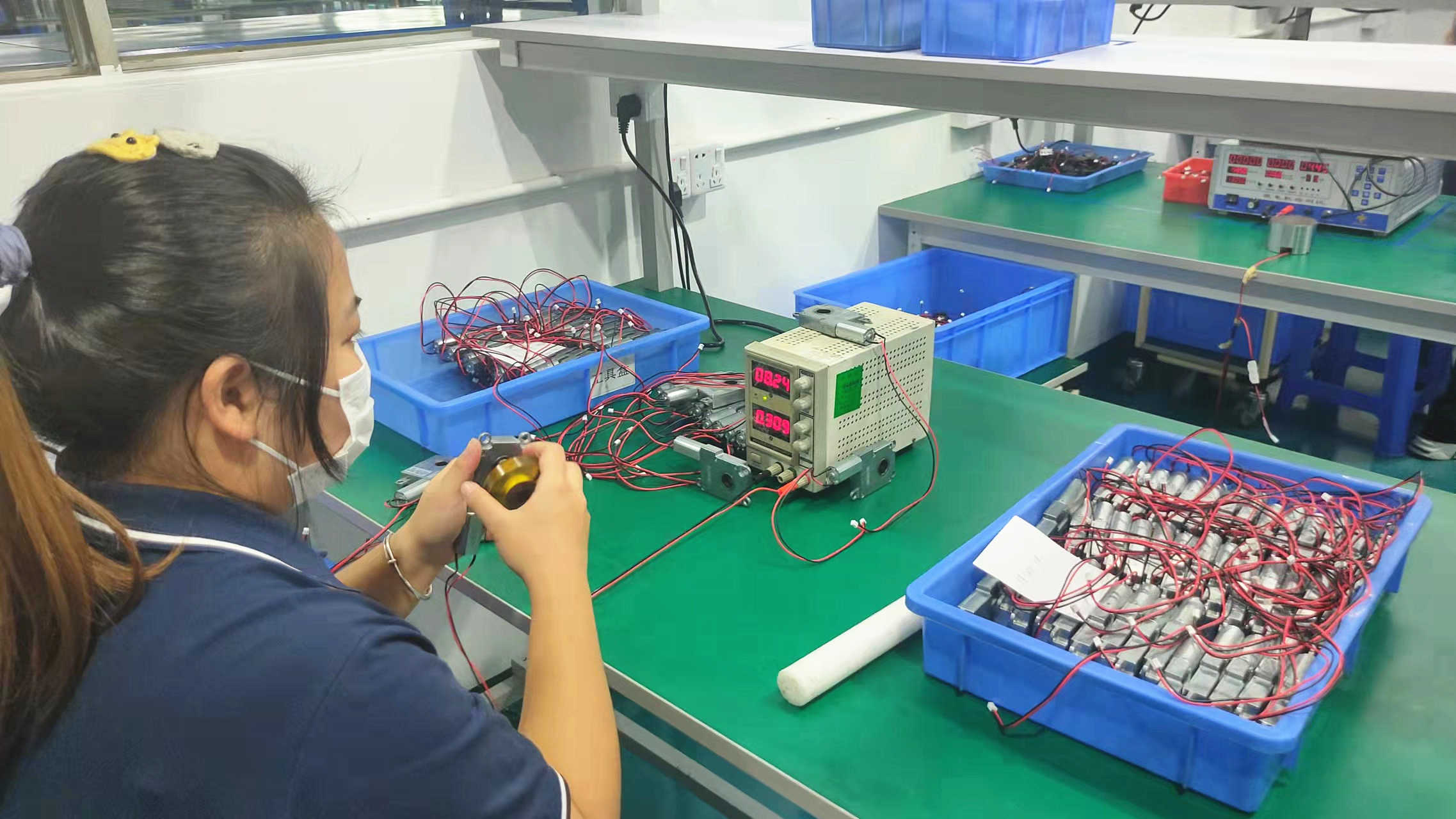
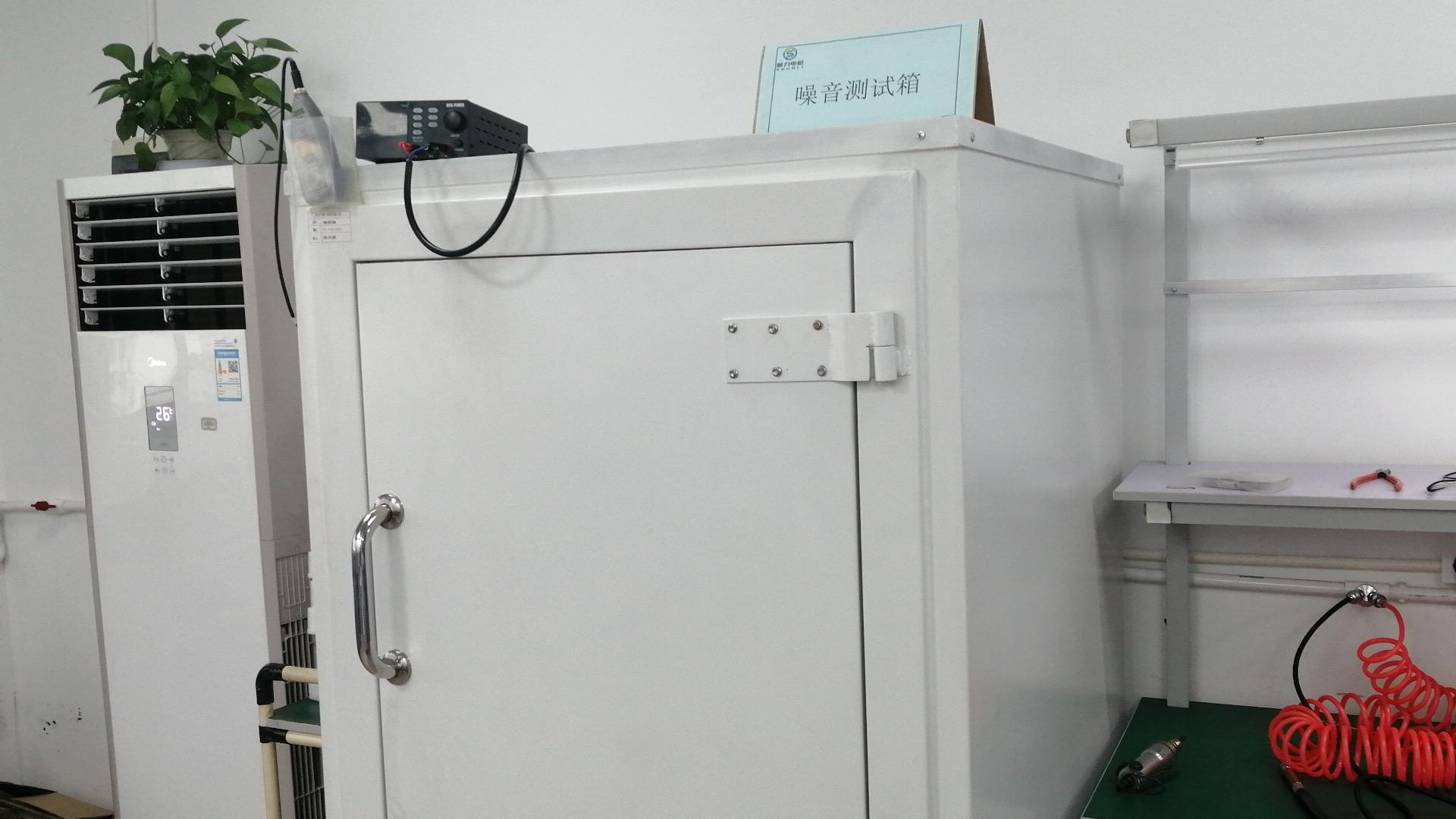
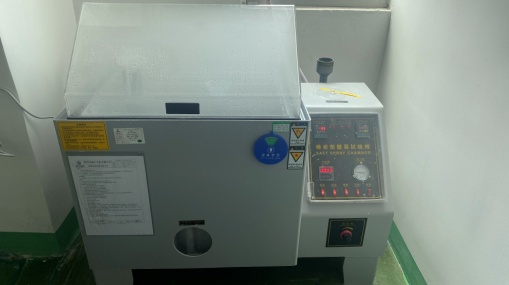
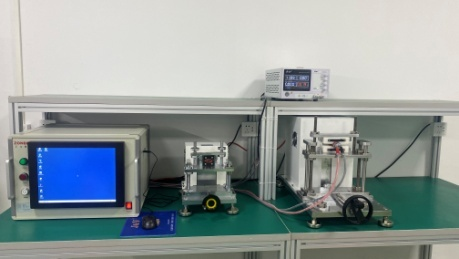
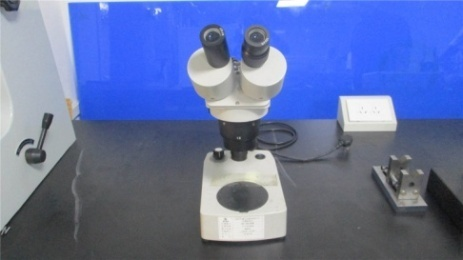
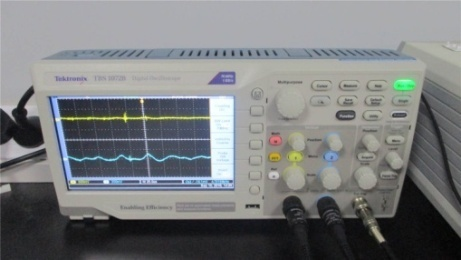
Our infrastructure includes high-precision horizontal gear hobbing machines from Ningjiang Machine Tool, automatic gear riveting systems, and programmable constant temperature & humidity testing chambers. Every batch undergoes rigorous aging shelf testing and magnetic powder testing to ensure that the haptic response remains consistent over millions of cycles.
📈 Technical Roadmap & Future Outlook
2024-2025: The BLDC Transition
Brushless DC micro motors will become the standard for high-end wearables, offering 5x the lifespan of traditional brushed motors and significantly lower electromagnetic interference (EMI).
2026+: AI-Integrated Haptics
Future vibration motors will incorporate integrated driver ICs that can adjust vibration frequency in real-time based on AI-processed user intent, creating more immersive virtual reality (VR) experiences.
Sustainability & Recyclability
Factories are now focusing on rare-earth-free magnets and lead-free soldering processes to comply with tightening global environmental regulations (EPR and ESG mandates).
🔍 Localized Application Scenarios
DC micro vibration motors are the "unsung heroes" across various sectors:
- Smart Home Security: Used in fingerprint locks and smart bolts to provide tactile confirmation of locking mechanisms.
- Personal Care & Beauty: Powering facial cleansers, ultrasonic toothbrushes, and eye massagers where gentle yet high-frequency oscillation is required.
- Medical Devices: Integrated into insulin pumps and portable diagnostic tools to provide silent alerts to patients.
- Adult Industry: Precision motors like the 10mm and N20 series are vital for the ergonomic and high-performance requirements of personal vibrators.
- Industrial Automation: Used in micro-feeders and calibration sensors where minute mechanical pulses facilitate material flow.
❓ Frequently Asked Questions (FAQ)
ERM (Eccentric Rotating Mass) motors use an off-balance weight to create vibration in two axes. They are cost-effective and simple to drive. LRA (Linear Resonant Actuator) motors move a mass linearly, providing faster response times and more complex haptic feedback, but require an AC drive signal.
For battery-powered mobile devices, 1.5V to 3.7V is standard. For industrial or home appliances with fixed power supplies, 6V, 12V, or 24V options provide more torque and stability over long-term operation.
Yes, as a factory-direct supplier, DQC can customize winding configurations, brush materials (carbon vs. precious metal), and gear ratios to meet specific RPM and torque targets.
Standard models typically have a lead time of 2-3 weeks. Custom engineering projects involving new molds or specialized gear trains may take 6-8 weeks, depending on the complexity.