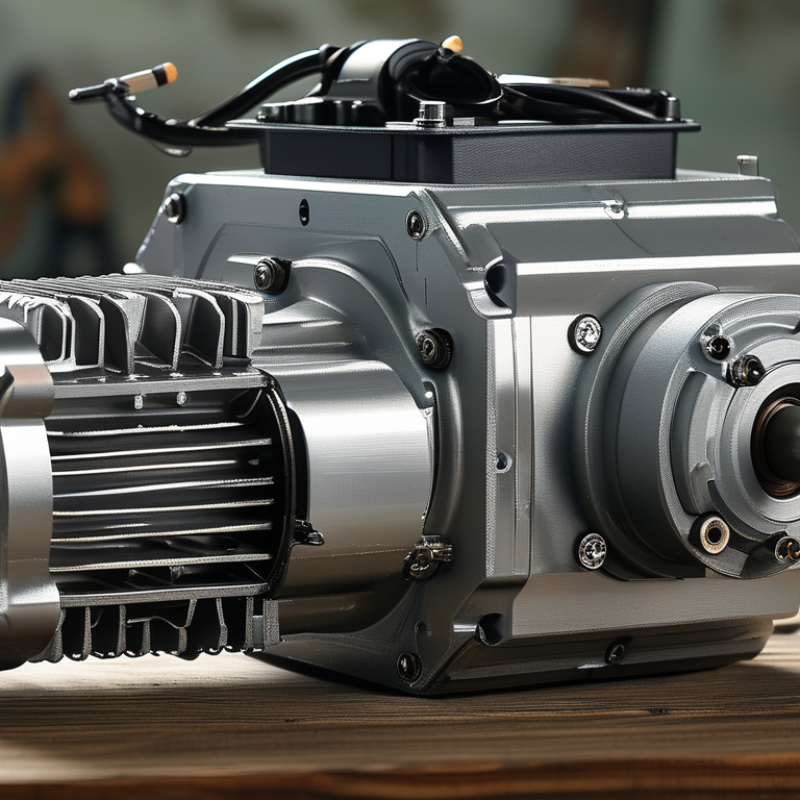
Choosing the right planetary gear motor is crucial for your project. These motors are known for their high efficiency and precise control. When selecting a planetary gear motor, consider factors like torque, speed, and mounting options.
A planetary gear motor combines a gearbox with a motor. This combination provides compact size and durability. Different applications will require distinct specifications. For instance, robotics may demand high torque, while conveyor systems might prioritize speed.
Finding the ideal motor can be challenging. It necessitates understanding your specific needs. The industry is filled with options. Each choice has unique benefits and drawbacks. Therefore, thorough research is essential. A knowledgeable choice can significantly impact the performance and longevity of your systems. Evaluate each motor based on your application requirements.
Understanding Planetary Gear Motors and Their Functionality
Planetary gear motors are crucial in various applications, from robotics to industrial machines. Understanding their functionality helps in making informed choices. These motors consist of three key components: the sun gear, planet gears, and the ring gear. This design allows for high torque output and compact size.
The efficiency of planetary gear motors stems from their unique arrangement. The planet gears distribute the load evenly, which reduces wear. They operate effectively in high-speed scenarios. However, proper maintenance is often overlooked. Lack of lubrication can lead to failures, impacting performance.
Choosing the right gear motor involves evaluating your specific needs. Pay attention to torque requirements and speed settings. Sometimes, the best option may not be the highest specification; reliability matters. Testing different models can provide insights into practical application. Understanding these aspects helps ensure that the selected motor aligns with your goals.
Key Factors to Consider When Choosing a Planetary Gear Motor
When choosing a planetary gear motor, several key factors come into play. Consider the motor's torque and speed specifications. Torque is crucial for performance in heavy-duty tasks. A higher torque rating can greatly benefit your equipment. Speed, on the other hand, influences how quickly your project can be completed. By understanding the load requirements, you can select a motor that fulfills both torque and speed needs effectively.
Another important factor is the operating environment. Planetary gear motors may be subject to various conditions. Temperature, humidity, and exposure to dust or moisture can affect their efficiency and lifespan. Therefore, ensure the motor's materials are suitable for these environments. Consider the noise level too. Some applications require quieter operations. Research the sound ratings of different models to find the best match for your specific situation.
Lastly, analyze the motor's dimensions and compatibility with existing systems. A well-fitted motor will improve overall performance. However, if the size does not align with your setup, adjustments may be needed. It’s also wise to discuss options with engineers or experienced technicians. They might have insights that could change your initial preferences. A good understanding of your specific needs will guide you toward the right choice. Balancing these factors can lead to better long-term results.
Evaluating Torque, Speed, and Efficiency Requirements
When selecting a planetary gear motor, evaluating torque, speed, and efficiency is crucial. Torque is the force that drives your application. The required torque will heavily depend on the load and the specific tasks your motor will perform. For example, according to a report by the International Society of Automation, many applications require a torque range from 5 to 300 Nm. Understanding your needs ensures you choose a motor that can handle them without over-stressing the system.
Speed should also be a priority. The speed determines how quickly the motor can perform its functions. Most planetary gear motors operate efficiently at speeds ranging from 30 to 300 rpm. It's essential to find a balance between speed and torque since increasing speed can lead to decreased torque output.
Efficiency is another vital aspect. A motor showing an efficiency rating of over 85% is desirable to minimize energy consumption.
Tips: Always calculate the power requirement carefully. Estimating it too low may lead to burnout. Keep an eye on heat generation; higher speeds can lead to excessive heat, which can reduce lifespan. Consider your application's specific needs to avoid common pitfalls in motor selection. An overly powerful motor may waste energy and increase costs unnecessarily. Ensuring a proper match can enhance performance while optimizing energy use.
Comparing Different Types of Planetary Gear Motors
When comparing different types of planetary gear motors, it's crucial to understand their unique features.
Planetary gear motors provide high torque and compact design. They consist of several components, including the sun gear, planet gears, and ring gear. This design allows for efficient power transmission.
You may notice variations in reduction ratios, which can significantly affect performance. Higher ratios offer more torque but may reduce speed. Conversely, lower ratios lead to higher speeds with less torque. It’s important to match these specifications with your application's requirements. Each motor type might cater to different needs, such as precision, speed, or torque.
Consider the build materials as well. Some motors are constructed from lightweight metals while others use durable plastics. This choice affects durability and weight. Additionally, think about the thermal performance as different motors dissipate heat differently.
The right choice often requires careful consideration of your specific context and potential trade-offs. Don’t overlook the importance of efficiency ratings, as this impacts long-term costs and performance.
Assessing Compatibility with Your Application and Environment
Choosing the right planetary gear motor involves a thorough understanding of your application and environment. Compatibility is crucial for optimal performance. First, assess the load requirements. Heavy loads may need robust motors. Lighter applications can use smaller, more efficient models. Consider the torque and speed needed. Understanding these parameters will help narrow down options.
Tips: Always review environmental conditions. Will the motor face extreme temperatures or moisture? Corrosive substances in the environment can affect motor durability. Look for motors with protective coatings. Pay attention to vibrations and noise levels as well. This impacts both performance and user experience.
Additionally, think about integration. How will the motor fit into your entire system? Ensure that its dimensions and mounting options align with your design. Some motors might require specific controls or interfaces. Non-compliance can lead to inefficiencies or even damage. Review all specifications carefully before making a decision. Remember, the best gear motor for your needs is one that truly fits your application’s demands and environment.
Comparative Analysis of Planetary Gear Motors Based on Key Features
FAQS
: Focus on torque, speed, operating environment, noise levels, dimensions, and compatibility with existing systems.
Torque is essential for performance, especially in heavy-duty tasks. Higher torque ratings benefit equipment significantly.
Speed influences how quickly tasks are completed. Balance speed and torque for optimal results.
Temperature, humidity, dust, and moisture can impact efficiency and lifespan. Ensure materials suit the environment.
Yes, applications requiring quieter operations need motors with appropriate sound ratings. Research different models.
Properly fitting motors improve performance. Misalignment may require adjustments, affecting functionality.
Motors with efficiency ratings over 85% are desirable. This minimizes energy consumption and costs.
Higher speeds can generate excessive heat, which may reduce a motor's lifespan. Monitor heat generation carefully.
Higher reduction ratios increase torque but may decrease speed. Match the ratio to your application needs.
They can provide valuable insights and help refine your choices based on specific requirements and context.
Conclusion
When selecting the best Planetary Gear Motor for your needs, it’s essential to understand their functionality and how they operate. These motors are designed to provide high torque and efficiency, making them ideal for various applications. Key factors to consider include your torque, speed, and efficiency requirements, which will significantly influence your choice.
Additionally, evaluating the different types of Planetary Gear Motors available is crucial. Each type offers unique benefits and may be more suitable for specific tasks or environments. Finally, ensure that the motor you choose is compatible with your application and can withstand the surrounding conditions to guarantee optimal performance and longevity.
 DC Motor B2B