The DC Gear Motor is a vital component in various industries, driving numerous applications from robotics to automation. According to a recent report by Industry Research, the global DC gear motor market is projected to reach $5.2 billion by 2026, growing at a CAGR of 7.4%. This growth underscores the importance of DC gear motors in modern technology.
Dr. Emily Nguyen, a leading expert in motor technology, stated, "The efficiency of a DC gear motor directly influences system performance." This highlights the necessity for precision and reliability in motor design. Given their ability to provide high torque at low speeds, DC gear motors stand out in applications requiring durability and control.
However, challenges exist. Poorly designed gear systems can lead to inefficiencies and excessive wear. Industries must evaluate their choices carefully to maximize performance. Understanding the mechanisms at play in DC gear motors is crucial for any engineer or designer aiming for optimal results. Investing time in research and development can yield substantial benefits in efficiency and longevity.
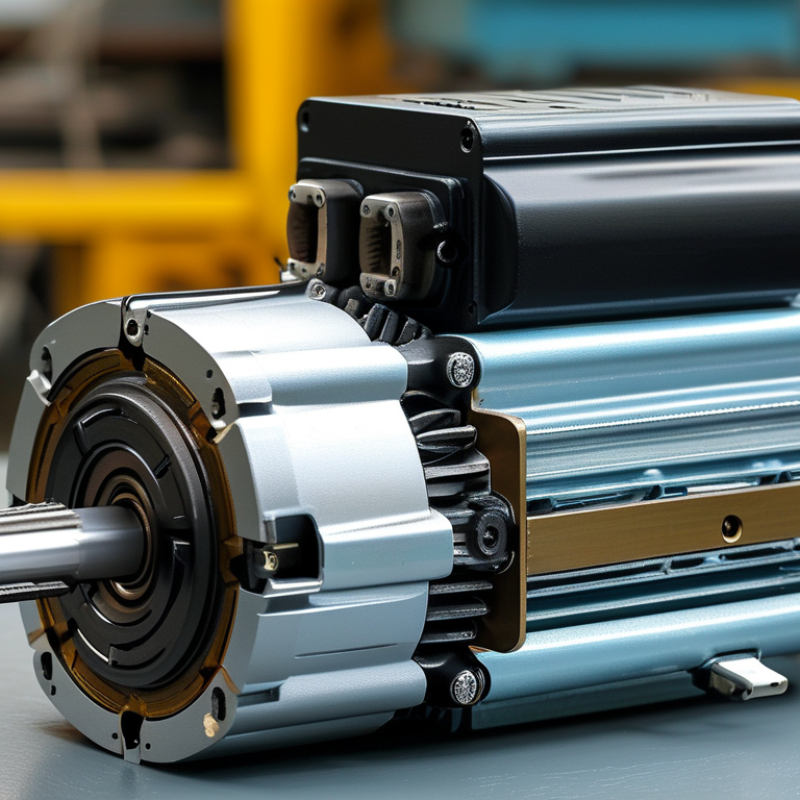
A DC gear motor is a type of electric motor that uses direct current (DC) power. It combines a DC motor with a gearbox. This combination allows the motor to produce high torque while running at lower speeds. The gear system reduces the speed and increases the output torque, making it ideal for applications that require precise control.
These motors are widely found in various devices. You might see them in toys, robotics, and even small appliances. They can convert electrical energy into mechanical energy. When you apply a voltage, the motor begins to rotate. This rotation turns the gears, changing speed and force. The output becomes more manageable depending on the gear ratio.
While DC gear motors are efficient, they have limitations. Heat can build up in high-load situations. Additionally, wear and tear on gears can affect performance over time. It's essential to consider the application requirements carefully before selecting a motor. Balancing torque and speed is key. The right choice can lead to improved functionality and durability.
DC gear motors are essential components in many applications, converting electrical energy into mechanical energy. Understanding their basic components will help clarify their functionality.
At the core of a DC gear motor is the electric motor. This motor generates rotational motion. Coupled with it is the gearbox, which alters the output speed and torque. The gears can be made from various materials, impacting durability. The choice of gear ratio tailors the motor’s performance, allowing precision in speed and force.
Another crucial element is the shaft. It transmits the motor's motion to the connected machinery or equipment. Proper alignment is vital for efficiency. Bearings support the shaft, reducing friction and wear. Each component’s quality influences the overall reliability. There's a need to consider the fit and compatibility between parts for optimal performance.
Even minor imperfections can lead to inefficiencies, so attention to detail is key.
A DC gear motor combines a direct current (DC) motor with a gear system to enhance torque while reducing speed. The mechanism operates through a series of gears that modify the output speed and torque. Engineers often refer to gear ratios, which determine the effectiveness of this system. For instance, a gear ratio of 30:1 means that for every 30 turns of the motor, the output shaft turns once. This allows machines to perform tasks that require high force, such as lifting or turning heavy objects.
According to the Industrial Motor Association, around 70% of all electric motor applications use gear motors. The design relies on simplicity and efficiency, converting electrical energy into mechanical energy. The gears absorb the speed produced by the DC motor and output a lower speed but higher torque. This conversion is essential in applications ranging from robotics to automated machinery.
Different gear configurations play a critical role in performance. Spur, helical, and bevel gears each offer unique advantages based on the application requirements. However, engineers must consider potential issues with gear wear and backlash. Regular maintenance is crucial for optimizing motor efficiency and lifespan, especially in demanding environments. Understanding these intricacies can significantly impact machinery reliability and operational costs.
DC gear motors are widely used in various applications due to their efficiency and reliability. These motors combine a direct current motor with a gear system, allowing for increased torque and reduced speed. This unique combination makes them ideal for tasks requiring precise movement.
Common applications include robotics, where DC gear motors power joints and limbs. They provide accurate control and smooth motion. In automotive systems, these motors assist in window lifts and seat adjustments. Their compact design fits well within limited spaces, enhancing functionality.
Tips: When selecting a DC gear motor, consider both torque requirements and speed. Also, check compatibility with the power supply to ensure smooth operation. It's essential to evaluate the environment where the motor will operate, as factors like temperature can impact performance.
In conveyor systems, DC gear motors are essential for driving the belt. They enable consistent movement of goods in warehouses and factories. However, improper sizing can lead to inefficiency. Over time, users must rethink motor selection based on changing needs. Regular assessments are critical for maintaining optimal performance.
DC gear motors are widely used in various applications. They combine a direct current (DC) motor with a gear system, allowing for better torque and speed control. The advantages of using DC gear motors are substantial.
One significant benefit is their ability to produce high torque at low speeds. This is essential in many mechanical systems where power and precision are required. Additionally, their compact design allows them to fit in tight spaces, making them ideal for robotics and automation. Maintenance is typically easier compared to other motor types, as they tend to have fewer mechanical parts that can wear out.
However, there are drawbacks to consider. DC gear motors can be less efficient than other motor types, especially at higher speeds. This inefficiency can lead to increased energy consumption and heat generation. They may also require more frequent adjustments or replacements in rigorous applications. Understanding these advantages and disadvantages is crucial in making informed decisions for your projects.
: A DC gear motor is an electric motor using direct current. It combines a motor and gearbox for high torque.
You can find them in toys, robotics, and small appliances. They convert electrical energy into mechanical energy.
When voltage is applied, the motor rotates. This rotation turns gears, changing speed and force output.
Gear ratio, materials, and alignment all impact performance. Minor imperfections in parts can cause inefficiencies.
They can overheat in high-load situations. Gears may wear over time, affecting performance and longevity.
The gear ratio determines speed and torque. A precise ratio allows for better control in various applications.
The shaft transmits motion to machinery. Proper alignment is essential to ensure efficient operation.
Bearings reduce friction around the shaft. Their quality influences reliability and performance of the motor.
Yes, component quality is crucial. Even small defects can lead to significant performance issues over time.
Consider the balance of torque and speed for your application. Make sure the motor meets your specific requirements.
A DC Gear Motor is a type of electric motor that combines the features of a direct current (DC) motor with a gearbox to reduce speed and increase torque. The basic components include the motor itself, gears, and the housing that houses these parts. Understanding how a DC Gear Motor works involves examining the mechanism wherein electrical energy is converted into mechanical energy, allowing for precise control of speed and movement in various applications.
DC Gear Motors find common use in robotics, automotive applications, and various automated systems due to their efficiency in torque delivery and compact size. While they offer advantages like ease of control and versatility, one must also consider potential disadvantages, such as complexity in design and maintenance challenges. Overall, DC Gear Motors are integral components in modern technology, fulfilling diverse functional requirements across industries.

DC Motor B2B