Who Are the Top Single Phase Gear Motor Suppliers in China?

Time:2026-09-25 Author:Oliver
0%

Choosing the right Chinese supplier requires more than comparing catalog prices. A Single Phase Gear Motor must match the machine’s load, speed, duty cycle, voltage, and working environment. A low price may look attractive. It can become expensive when overheating, noise, or early bearing failure appears.

Dr. Austin Hughes, a respected motor engineer and author, observed, “The electric motor is the workhorse of industry.” This view explains why supplier selection deserves practical attention. Reliable manufacturers should provide clear torque curves, insulation details, thermal protection options, gearbox materials, and test records. Buyers should also examine ISO quality systems, CE documentation, production experience, and export references. These details do not guarantee perfection. They create stronger evidence.

The leading Single Phase Gear Motor suppliers in China usually serve industrial equipment, conveyors, packaging machines, medical devices, and small automation systems. Some offer aluminum housings for lighter installations. Others focus on cast-iron gearboxes, higher torque, or customized shafts. Factory visits, sample testing, and independent inspections can reveal differences hidden in polished brochures. Ask about noise testing, sealing performance, spare parts, warranty handling, and response times. A supplier that answers slowly may still produce good motors, but that uncertainty deserves attention. No manufacturer fits every project. The best choice balances engineering support, stable quality, realistic pricing, and dependable after-sales service. A careful comparison is slower. It is usually safer.
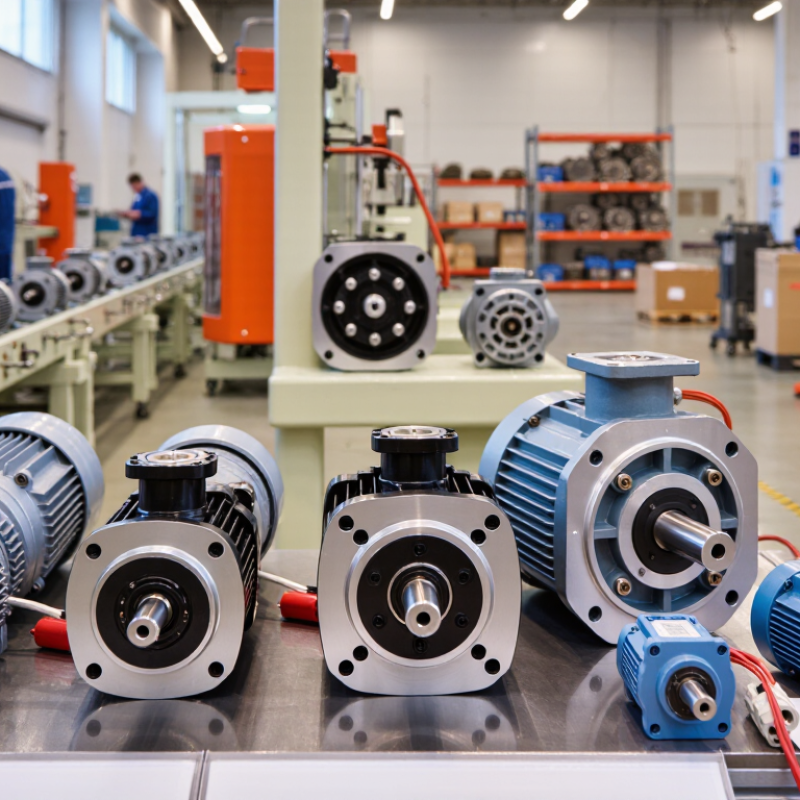
Who Are the Top Single Phase Gear Motor Suppliers in China?

Single-Phase Gear Motors: Definition and Main Applications

A single-phase gear motor combines an electric motor designed for single-phase AC power with a reduction gearbox. The motor creates rotation; the gearbox lowers output speed and increases usable torque. This arrangement suits equipment that needs steady, controlled movement from a standard single-phase supply. That distinction matters.

Common applications include small conveyors, packaging equipment, mixers, doors, and workshop machinery. Picture a compact conveyor moving cartons at a measured pace: a gearbox helps maintain slower motion under load. In a mixer, the required torque and speed depend on the material, not just the motor’s rated power. Real conditions vary.

When assessing a gear motor, check output speed, starting load, operating hours, mounting position, and available space. A common selection mistake is focusing only on power. Gear ratio, duty cycle, cooling, and protection from dust or moisture can affect performance and service life. For intermittent use, specifications may look adequate while repeated starts create extra heat. A qualified supplier should clarify these limits and provide relevant performance data. Even then, installation and actual operating conditions deserve a careful check.

How China’s Gear Motor Supplier Market Is Organized

Who Are the Top Single Phase Gear Motor Suppliers in China?

How China’s Gear Motor Supplier Market Is Organized

China’s single-phase gear motor market is better understood by production role than by a simple supplier ranking. Some factories build motors and gearboxes in-house. Others focus on assembly, customized ratios, or sourcing components for a finished unit. These categories can overlap. That makes neat comparisons difficult.

For buyers, the practical differences show up in the details. A supplier may offer standard mounting dimensions and familiar gear ratios, while another can adjust shaft length, output speed, or enclosure design. Ask for rated voltage, duty cycle, insulation class, noise readings, and temperature-rise test conditions.

A compact motor that fits a machine is not automatically suitable for continuous operation. Small detail, big difference.

Export-oriented suppliers may coordinate packaging and documentation, while smaller specialists can be more flexible with low-volume modifications. However, flexibility does not always mean consistent production. Request a sample, confirm the exact specification, and check whether later batches will use the same components. Test records are useful, but their scope matters. A catalog can look complete; real operating conditions may still expose gaps.

Leading Single-Phase Gear Motor Suppliers in China

Leading single-phase gear motor suppliers in China are best assessed by engineering depth, production consistency, and responsiveness—not catalog size alone. A useful supplier can explain how motor power, reduction ratio, output speed, and load affect one another. Ask for rated torque and duty-cycle data, then compare those figures with your actual application. Clear answers matter. So does traceability.

Review the supplier’s testing process. Ask whether assembled motors receive noise, temperature-rise, insulation, and no-load checks. Request test records for a sample unit, and confirm that key dimensions match the drawings. Small details count: shaft length, mounting-hole spacing, lead-wire arrangement, and gearbox orientation can delay installation when overlooked. Samples reveal more than polished photos. Still, one sample cannot prove long-term consistency.

Communication deserves a practical test. Send a detailed operating scenario and see whether the technical team asks about starts per hour, ambient temperature, or intermittent loads. Reliable suppliers should describe their limits rather than promise universal performance. A lower quote may exclude custom fixtures or extra inspection, so compare scope carefully. I would not rank suppliers from public information alone; factory processes and service quality need direct verification. A brief video call can help, but it is not a substitute for checking documents and samples.

How Suppliers Differ in Products and Manufacturing Capabilities

Single-phase gear motor suppliers differ less by catalog size than by how precisely they match torque, speed, and duty cycle. Their ranges may include capacitor-start or permanent-split-capacitor motors paired with worm, spur, or helical gearboxes. Ask for rated output torque, reduction ratio, insulation class, and permitted operating time—not just motor wattage. Small details matter. A compact conveyor may need steady low-speed torque, while a mixer can face repeated starting loads. A supplier’s sample should be tested under the real load, not only run unloaded on a bench.

Manufacturing capability also varies. Some suppliers wind stators and assemble gearboxes in-house; others outsource machining or heat treatment. That affects lead times, consistency, and how quickly faults can be traced. The International Energy Agency’s 2011 analysis estimated that motor-driven systems use about 46% of global electricity, making efficiency and operating conditions worth checking even for small equipment. Request test records for temperature rise, noise, vibration, and loaded operation. A polished datasheet is useful, but it cannot replace repeatable batch results. Supplier claims can be hard to compare when test conditions differ; that is an awkward gap buyers should acknowledge.

Single-Phase Gear Motor Suppliers: Electrical Compatibility Across Key Markets

Nominal mains voltage and frequency vary by market: China commonly uses 220 V at 50 Hz, the EU 230 V at 50 Hz, the United States 120 V at 60 Hz, and Japan 100 V at either 50 or 60 Hz, depending on the region. These grid values are not supplier-specific motor ratings. When comparing suppliers, confirm that each motor’s rated voltage and frequency match the intended application, along with its gear ratio, output speed, and duty rating.

Key Factors for Evaluating and Selecting a Supplier

Choosing a top single phase gear motor supplier in China requires more than comparing online prices. A dependable supplier should show practical experience with household equipment, conveyors, doors, pumps, or other low-voltage applications. Ask for motor drawings, torque curves, insulation class, noise data, and duty-cycle limits. These documents reveal whether the sales team understands engineering or simply repeats specifications. Factory audits, video inspections, and sample testing can confirm production capability. Look for traceable materials, controlled winding processes, and final-load testing records. Certifications should match your destination market and actual motor configuration.

Evaluation should include communication and after-sales discipline. Can the supplier answer technical questions within one working day? Do engineers explain overload protection, gearbox backlash, thermal rise, and shaft tolerances clearly? Request a sample with your real voltage, frequency, load, and mounting position. Measure starting current, running temperature, sound, and output speed. One clean sample proves little. Repeat tests are more meaningful. A supplier may offer an attractive prototype, yet struggle with stable batch quality. I have seen buyers overlook packaging, spare parts, and replacement procedures. That mistake becomes expensive after shipment.

Tips: Build a weighted supplier scorecard. Give quality and traceability more points than price. Check references from similar applications, not unrelated industries. Confirm lead times in writing, including holidays and rework. Keep a small pilot order before committing to volume. Perfect documentation is rare. Treat unclear answers as evidence requiring verification, not as a reason to reject immediately.

FAQS

How should I assess a single-phase gear motor supplier?

Check engineering knowledge, production consistency, testing, and communication. Catalog size is not enough. Ask for torque, speed, ratio, and duty-cycle data.

Which motor specifications should I compare?

Compare rated output torque, reduction ratio, output speed, insulation class, and permitted operating time. Wattage alone can mislead. Match specifications with your actual load.

What testing records should a supplier provide?

Request records for noise, temperature rise, insulation, vibration, and no-load checks. Loaded-operation results are valuable. Test conditions should be clearly stated.

Why do physical dimensions matter during selection?

Check shaft length, mounting-hole spacing, lead-wire position, and gearbox orientation. A small mismatch can delay installation. Measure twice.

Can one sample prove manufacturing quality?

No. A sample reveals workmanship and fit, but not long-term batch consistency. Test it under the real load, not only without load.

How can I test a supplier’s technical communication?

Send a detailed operating scenario. Notice whether the team asks about starts per hour, ambient temperature, and intermittent loads. Clear questions are encouraging.

Does in-house manufacturing always mean better quality?

Not always. Some suppliers wind stators and assemble gearboxes internally. Others outsource machining or heat treatment. Ask how faults are traced and controlled.

How should I compare supplier quotations?

Compare included fixtures, inspections, testing, packaging, and customization. A lower price may exclude important work. The cheapest offer is not automatically suitable.

What should I consider for energy efficiency?

Motor-driven systems consume substantial electricity worldwide. Check efficiency under real operating conditions, especially for frequent or continuous use. The figures may be imperfect.

Conclusion

This article introduces the Single Phase Gear Motor, explaining how it combines a single-phase motor with a reduction gearbox to deliver controlled speed and increased torque. It outlines common applications in equipment such as conveyors, packaging machinery, small automation systems, and other settings where a readily available single-phase power supply is useful. It also describes how China’s supplier market is organized, from manufacturers with in-house production and engineering teams to trading and sourcing companies that coordinate orders across different factories.

Rather than treating suppliers as interchangeable, the article compares their product ranges, customization options, production capacity, quality-control practices, and technical support. It offers a practical framework for evaluating potential partners, including checking whether specifications match the intended application, confirming manufacturing and inspection capabilities, and considering delivery, communication, and after-sales service. These factors help buyers make a more informed supplier choice based on their operating requirements and purchasing priorities.

Oliver

Oliver

Oliver is a seasoned marketing professional with a wealth of expertise in driving brand awareness and engagement. With a deep understanding of our company's product offerings, he consistently delivers high-quality content that enriches our professional blog. His insights not only shed light on......