 DC Motor B2B
Seoul Industry Featured Planetary Gear Motors
Engineered for the rigorous standards of Seoul's robotic and smart factory integration corridors
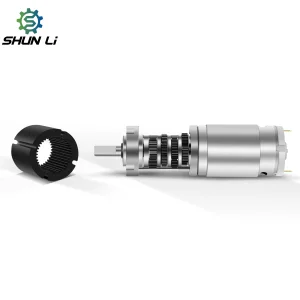
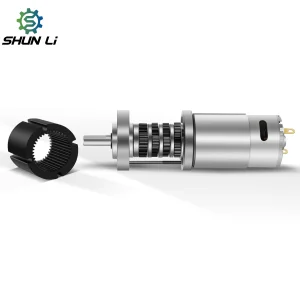
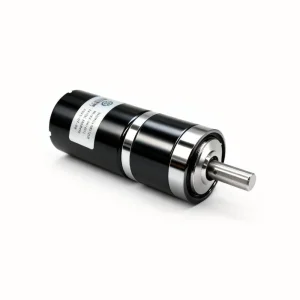
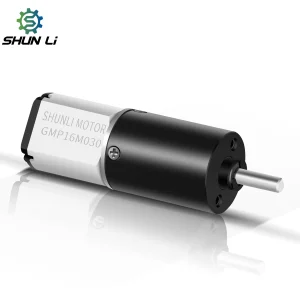
Planetary Gear Motor Dynamics in the Seoul Industrial Landscape
The Seoul Metropolitan Area, home to key technology corridors such as the Guro Digital Complex, Gasan Digital Complex, and adjacent automotive design labs in Gyeonggi-do, represents one of the world's most sophisticated clusters for precision engineering. As South Korea accelerates its transformation into a global robotics powerhouse, the demand for high-efficiency, micro-rotational solutions has reached unprecedented levels.
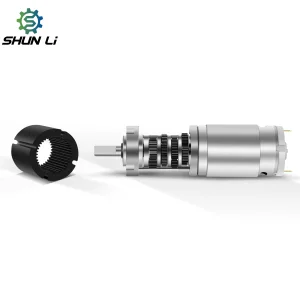
Planetary gear motors have emerged as the foundational mechanical components driving this shift. Unlike traditional spur gear systems, the coaxial configuration of planetary gearheads distributes radial and axial loads evenly across multiple planet gears orbiting a central sun gear. This mechanism ensures maximum torque transmission efficiency while maintaining an ultra-compact spatial footprint. For system integrators in Seoul who design humanoid joints, medical diagnostic equipment, and automated logistics systems, space is a critical engineering constraint. High torque density is not merely an option—it is a baseline requirement.
Global Procurement Strategies & OEM Customization Mandates
Global procurement teams sourcing components for South Korean markets face unique challenges: high vibration environments, stringent electromagnetic compatibility (EMC) regulations, and the necessity of immediate technical support. DQC addresses these needs by combining Swiss-standard automated hobbing lines with robust quality management processes.
Customization is central to our engineering model. Whether it involves selecting customized shaft geometry (D-cut, round, keyway, or spline), configuring high-ratio planetary reduction stages (from 4:1 up to 2000:1), or utilizing specialized lubrication (synthetic greases rated from -40°C to +120°C for sub-zero automotive or high-heat industrial operations), our engineering department works directly with client design teams to optimize every performance variable.
Our Corporate Philosophy: Packaging Massive Torque Into Miniature Spaces
Inside a premium robotic joint, an automated medical pump, or a high-end smart lock, space is the ultimate luxury. At DQC, we measure our success in micrometers and decibels. Our mission is to take advanced, heavy-duty rotational power and compress it into the most compact, energy-efficient footprints imaginable.
Our expertise lies in the micro-details of motion. From precision-wound copper rotors and high-purity commutators to zero-backlash planetary gear trains, every single internal component of a DQC motor is optimized to eliminate friction and maximize heat dissipation. By combining advanced automated Swiss-style hobbing with Japanese dynamic balancing, we ensure our micro drives deliver the fluid, whispering-quiet power your brand promises. When your next high-tech innovation relies on repeated mechanical perfection, let DQC be the core that spins it forward.

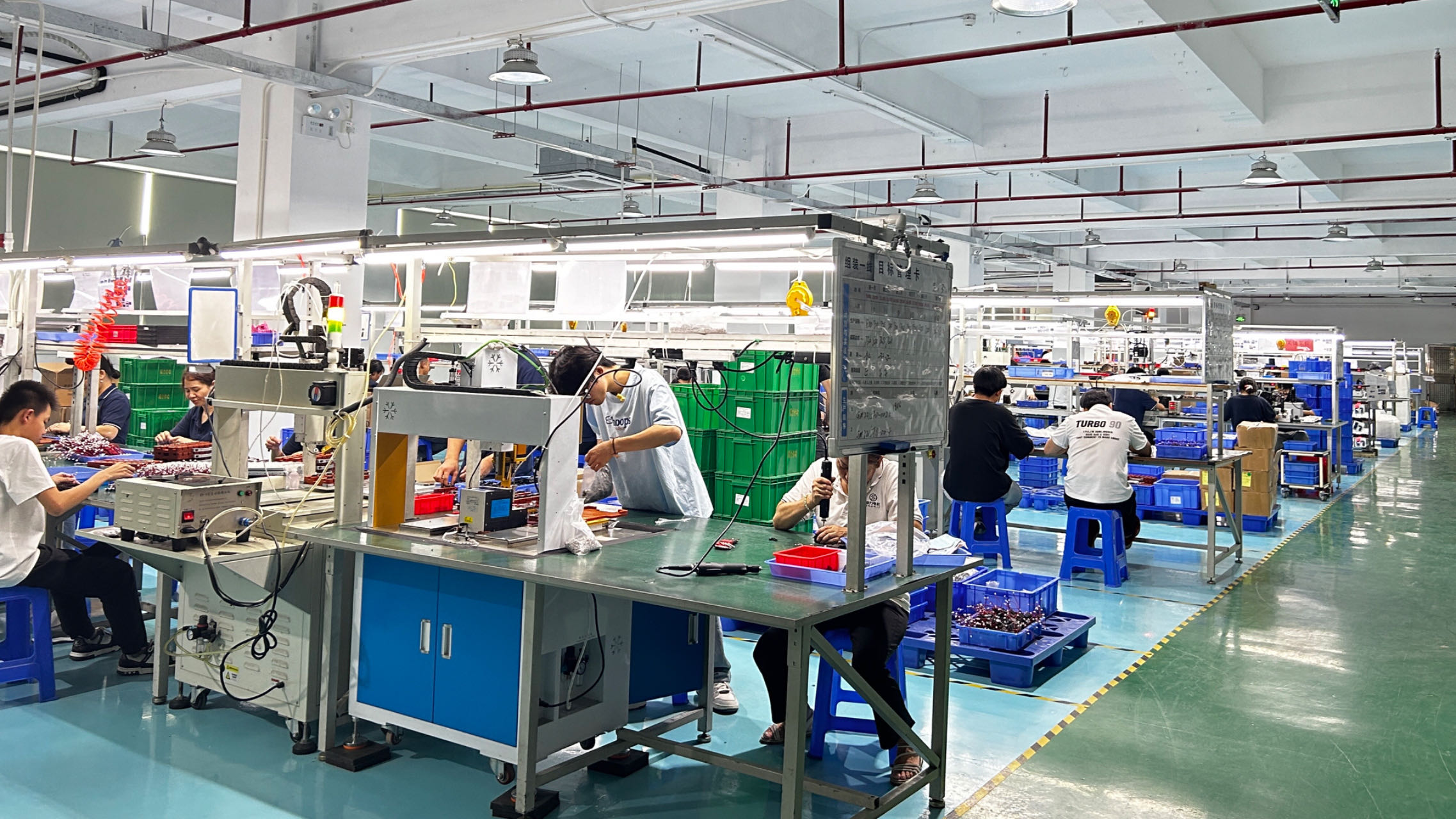
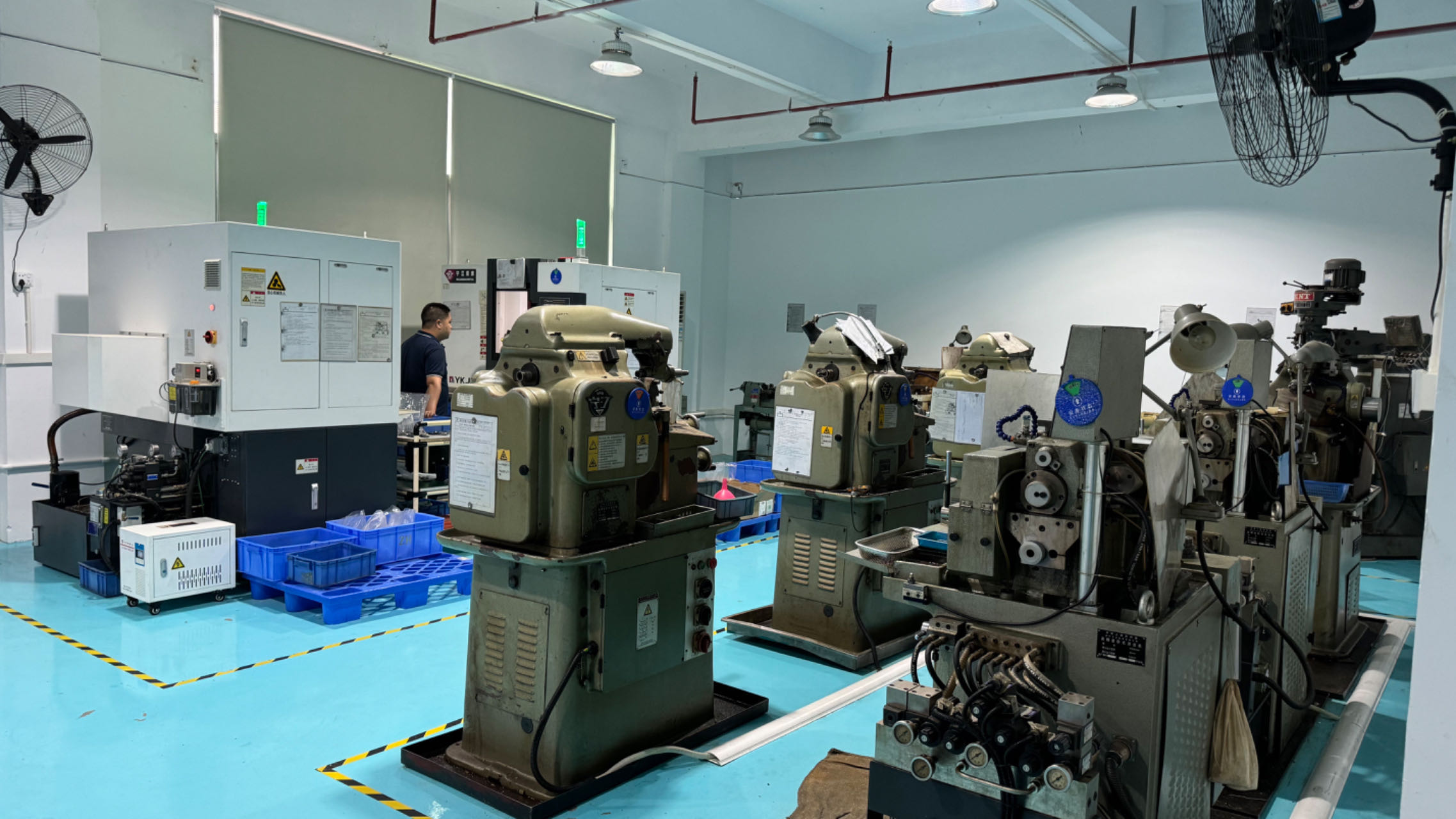
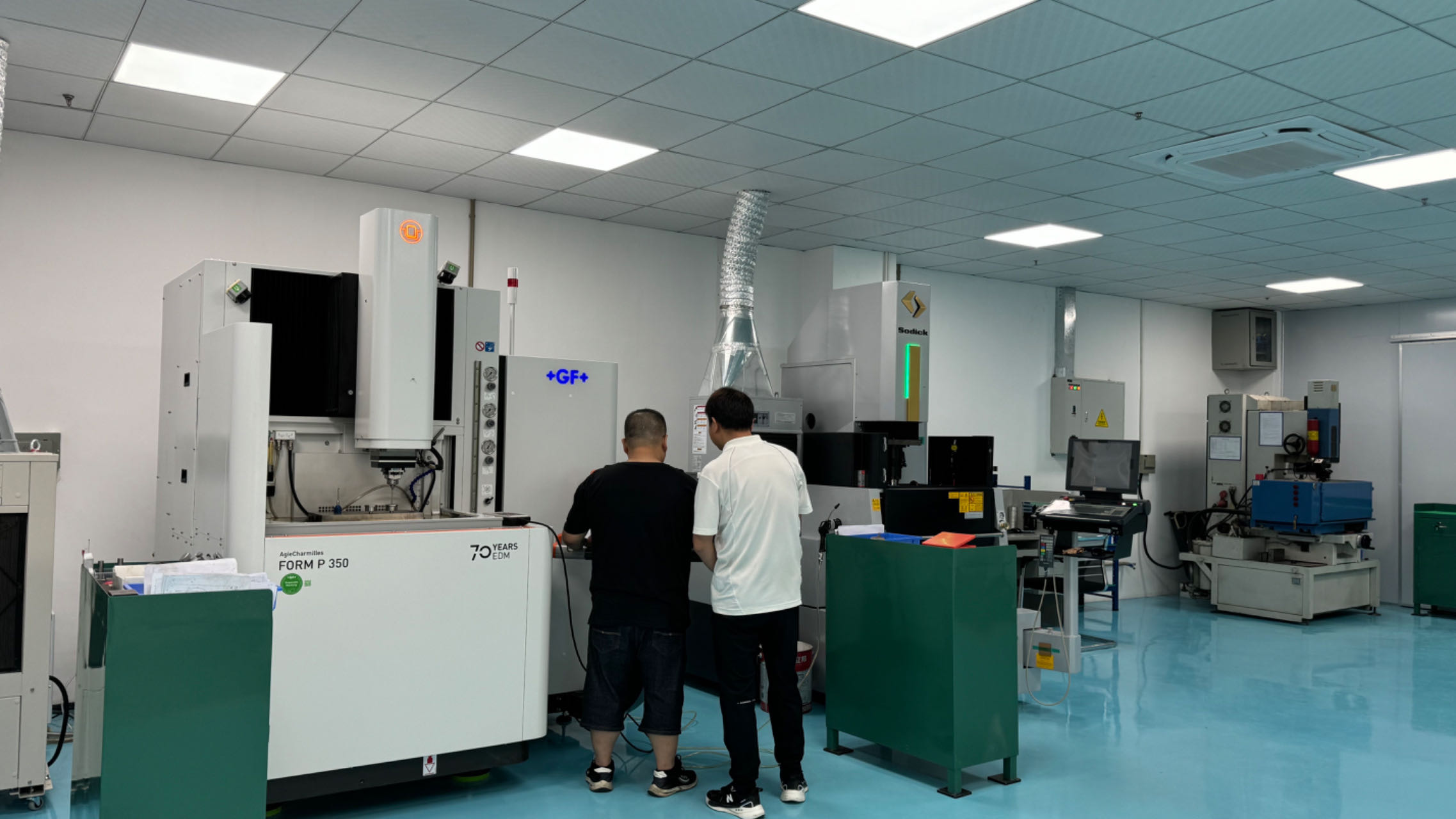
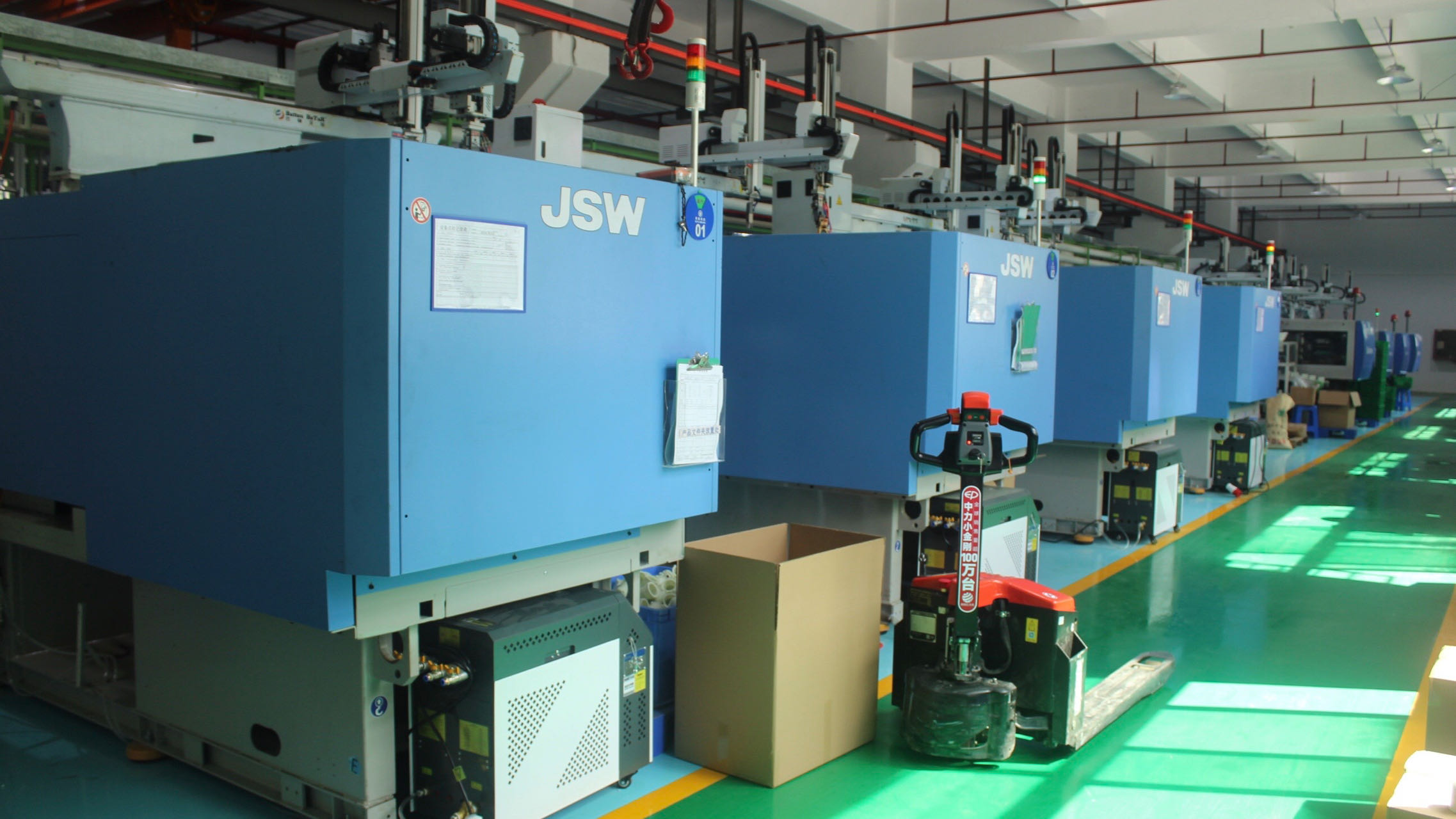
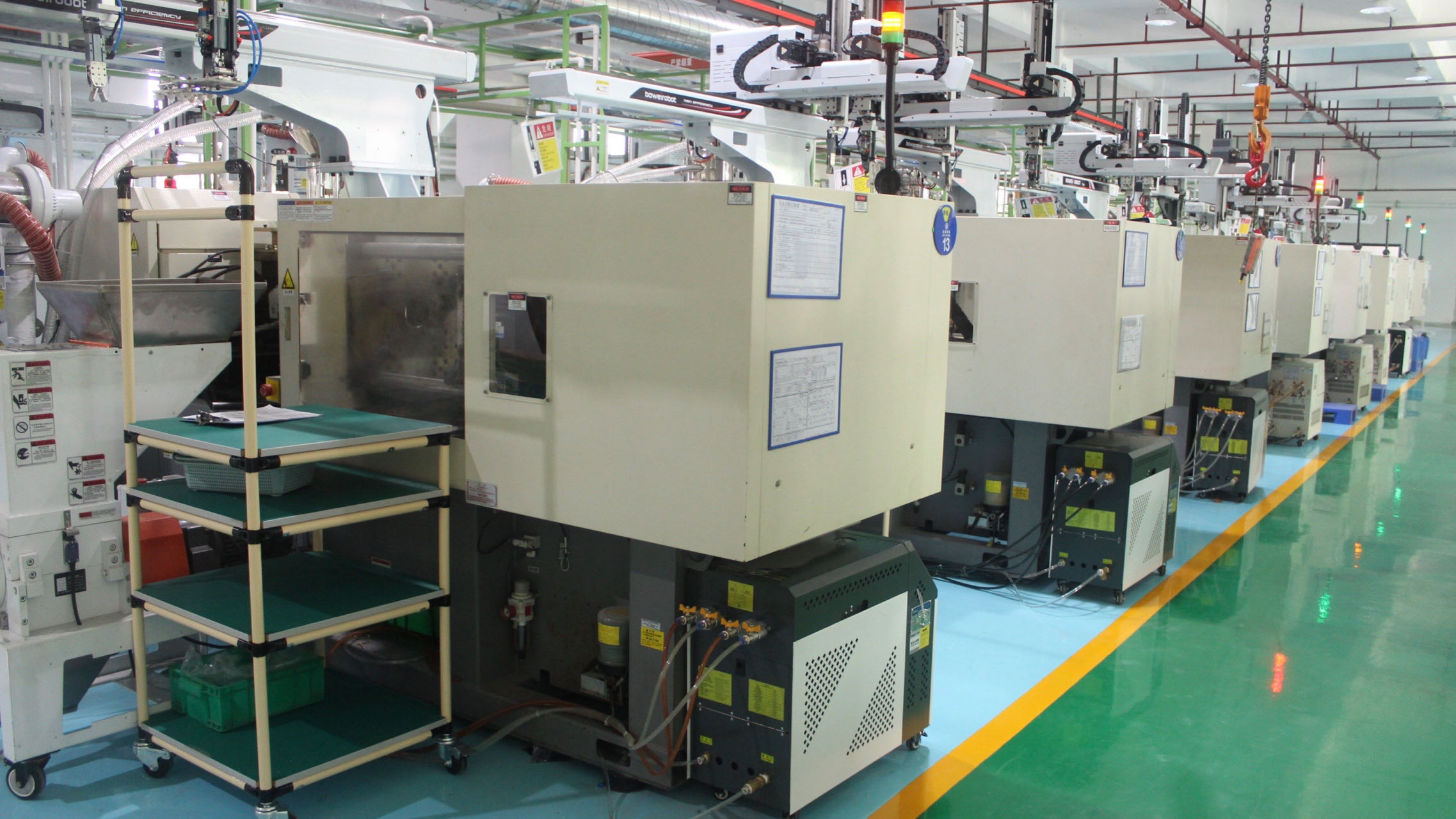
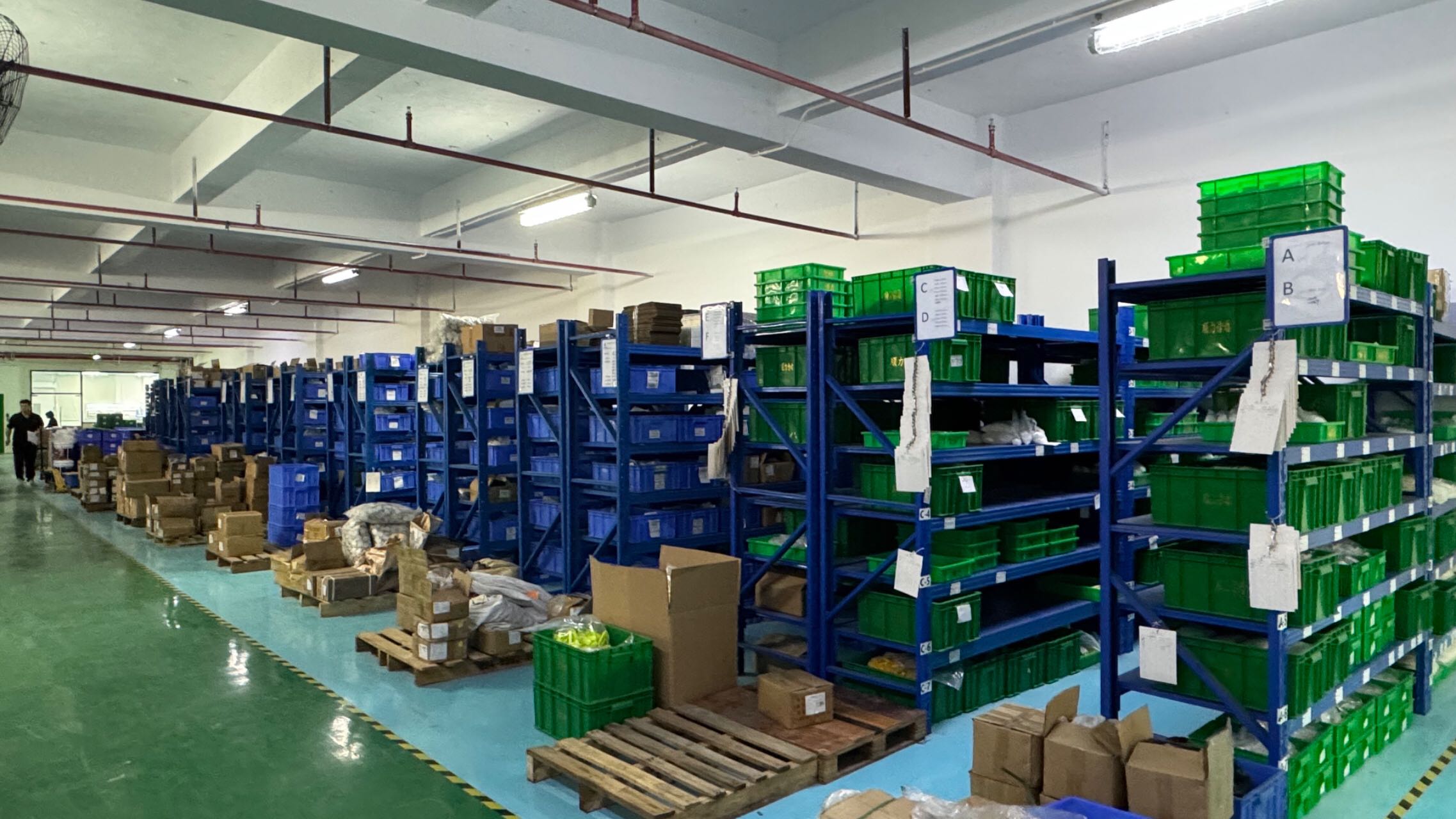
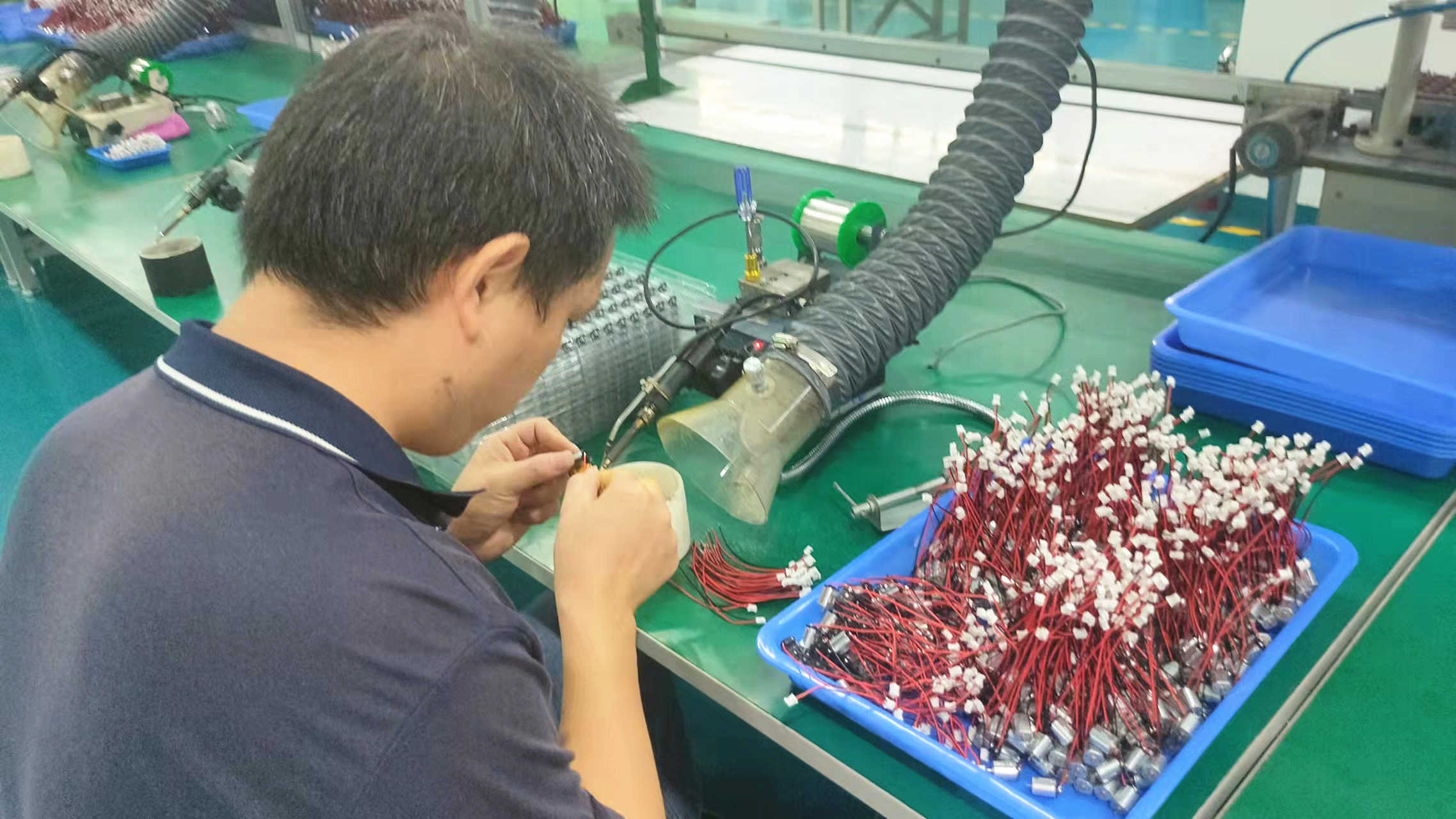
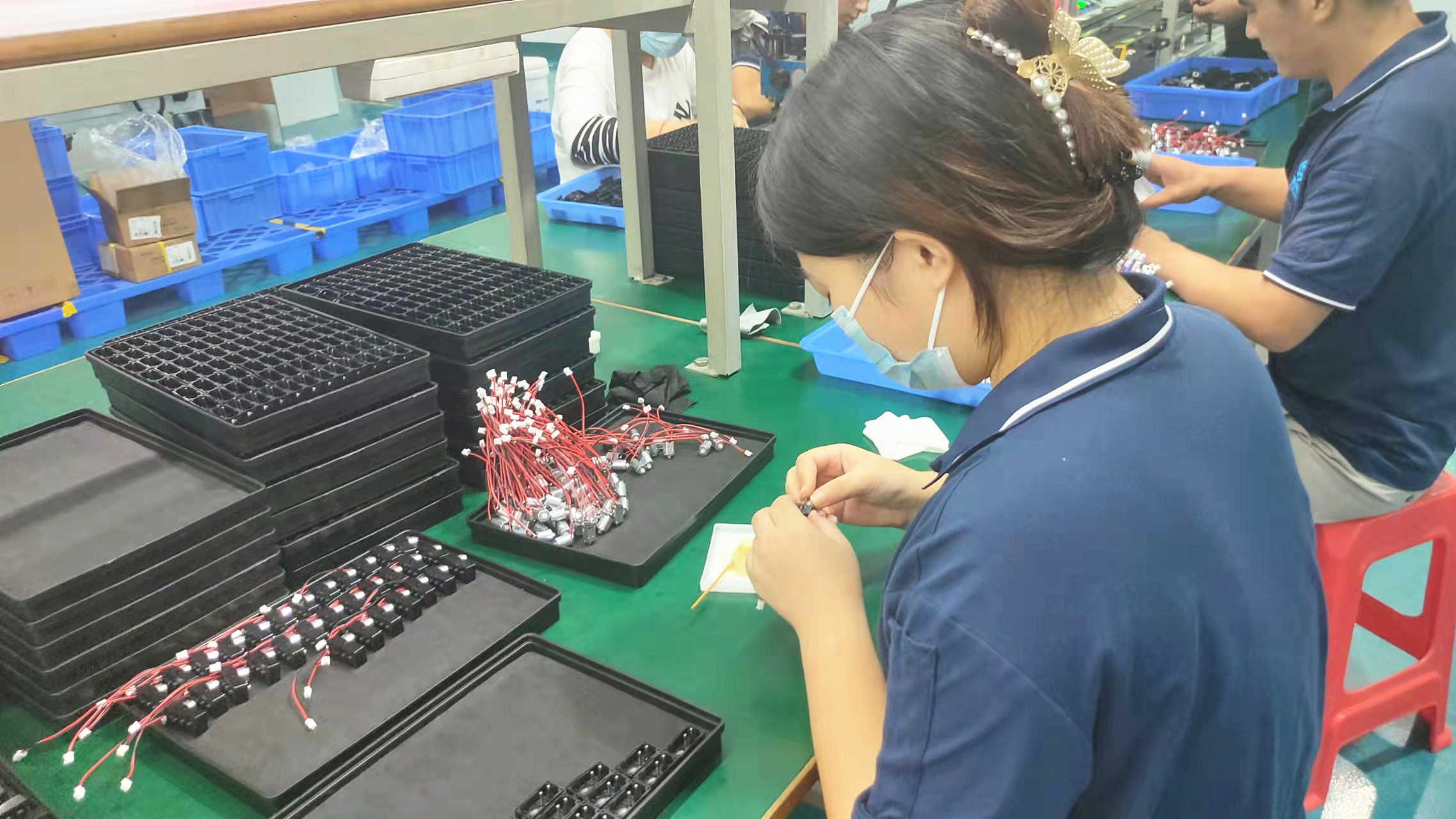
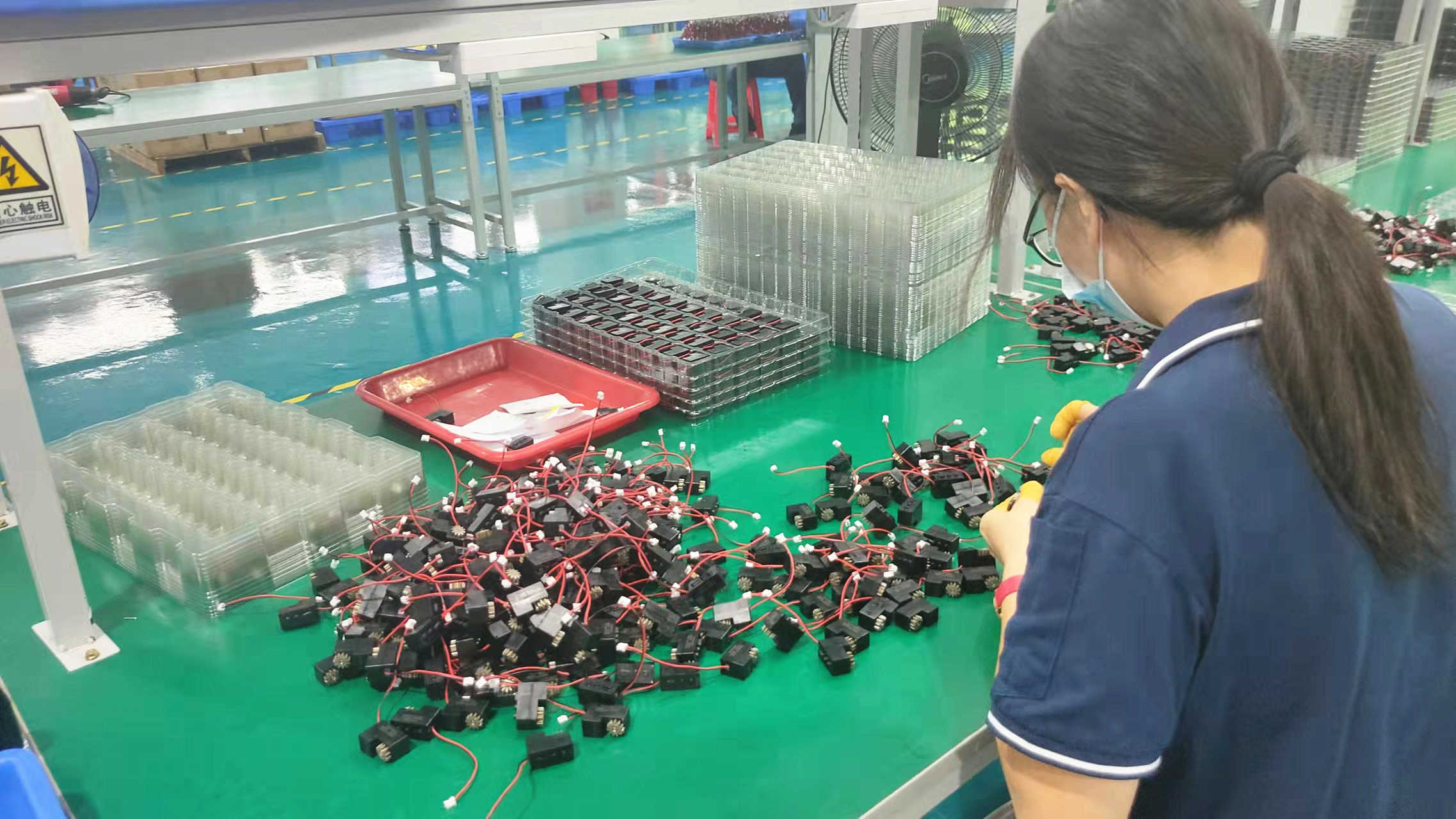
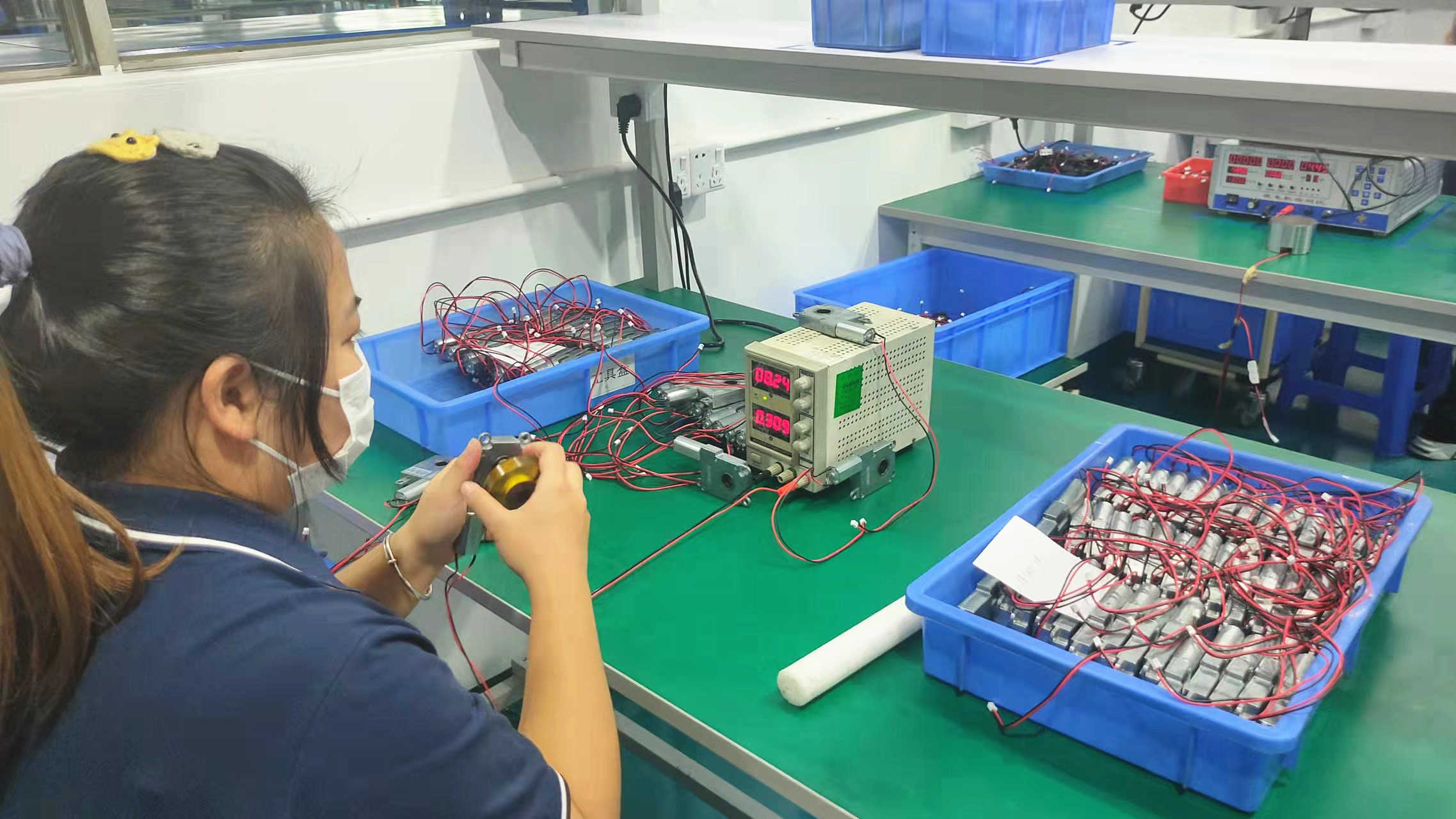
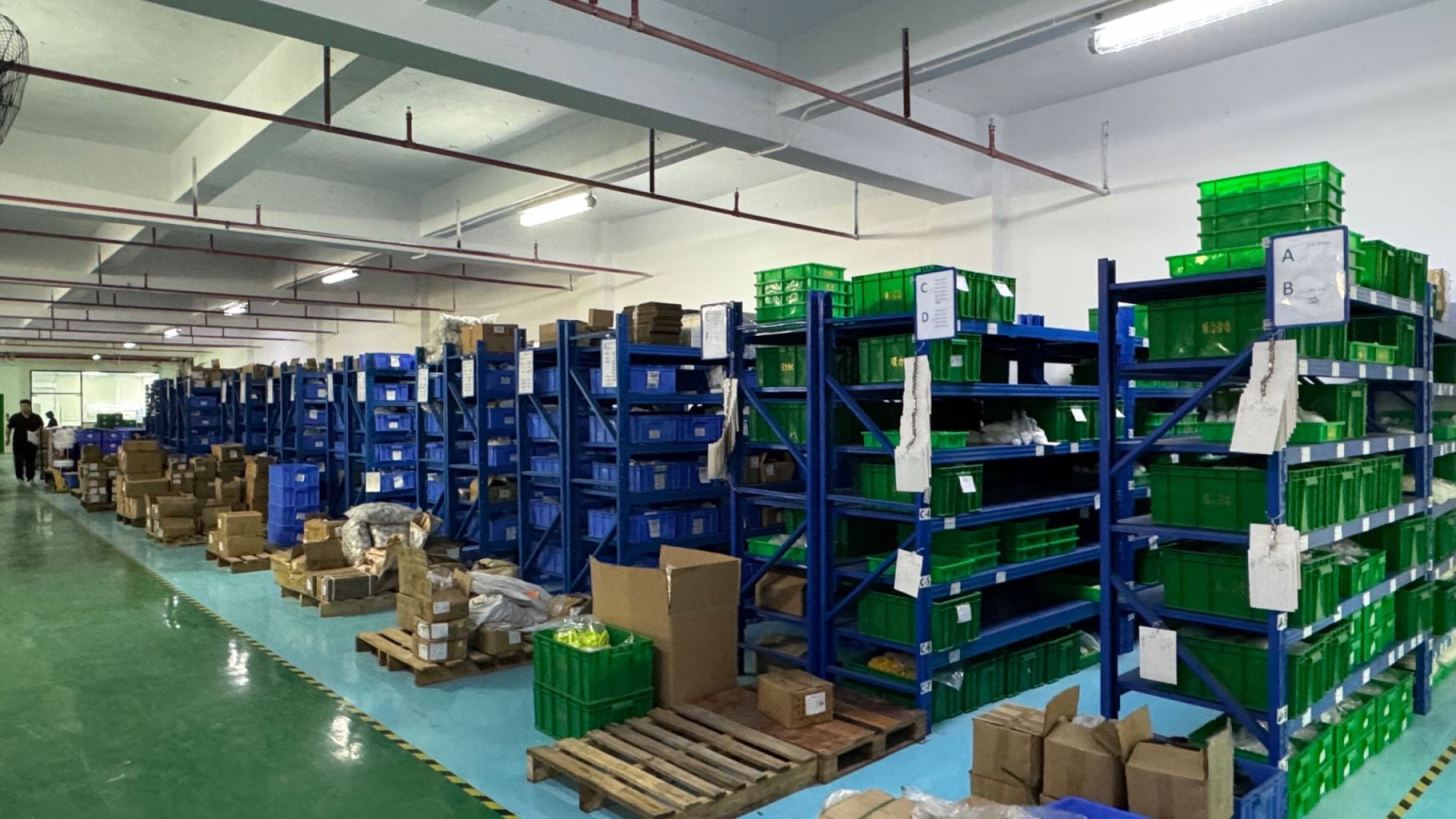
Modern Manufacturing and Assembly Operations
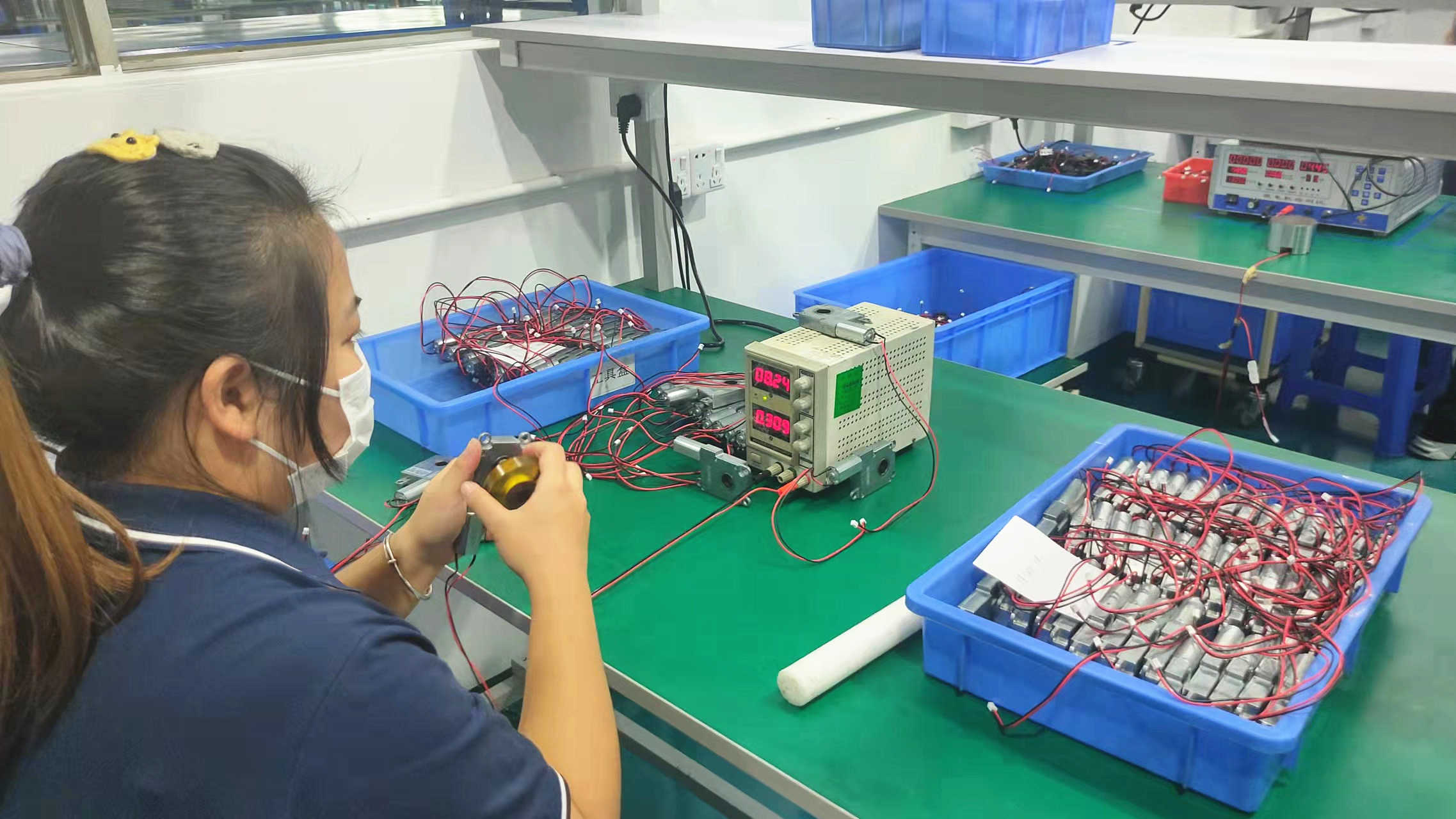
Precision transmission systems require strict control over every stage of production. From raw steel selection to the final automated testing protocol, our manufacturing process is organized to eliminate defects and ensure consistent mechanical performance.

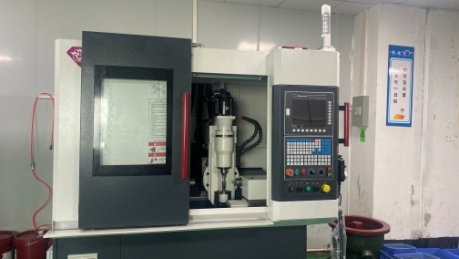
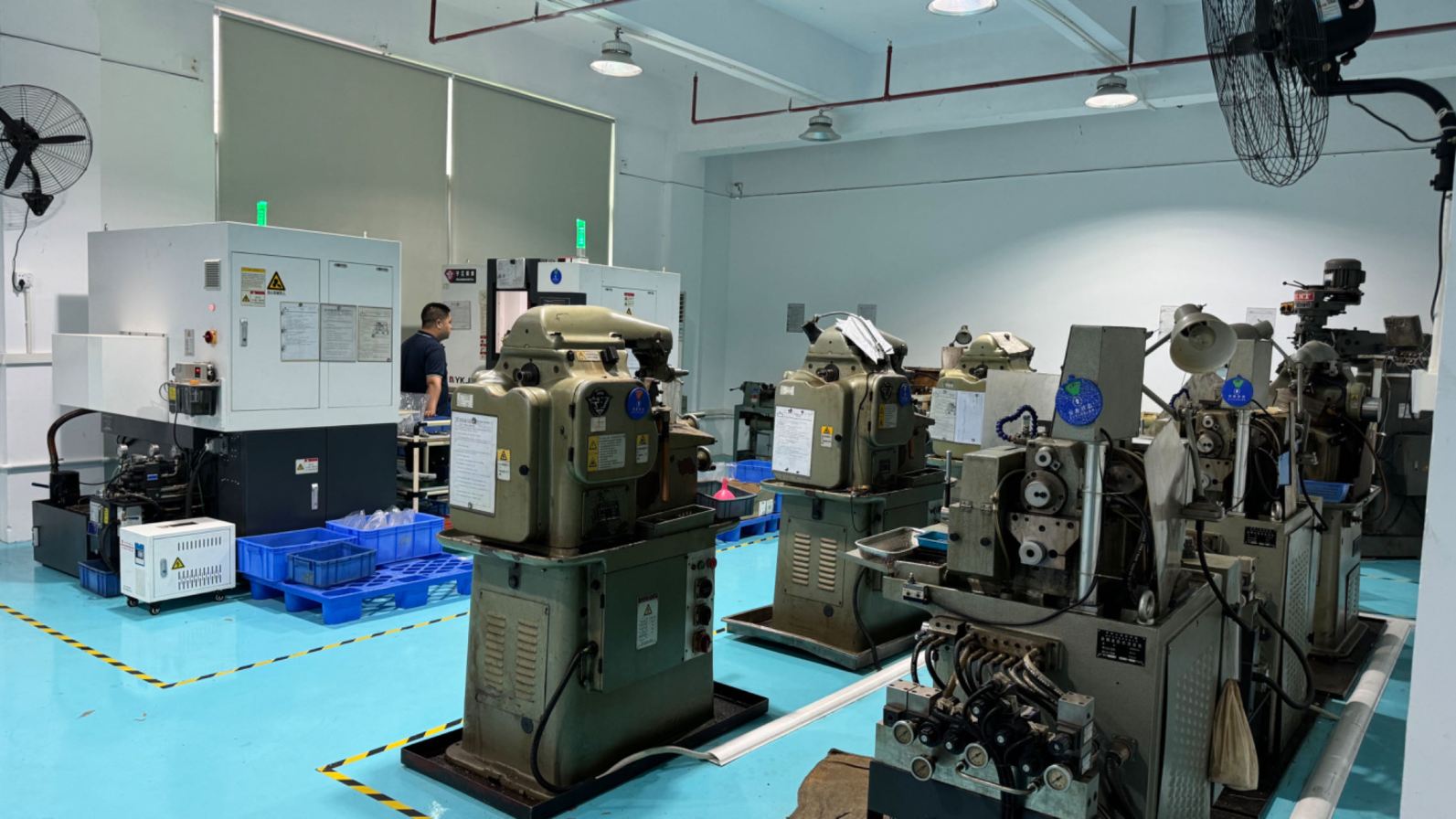
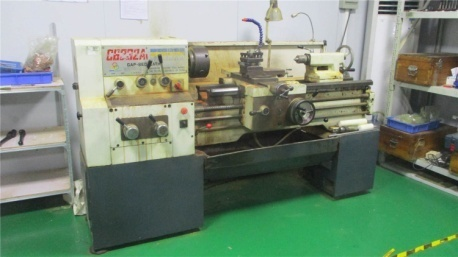
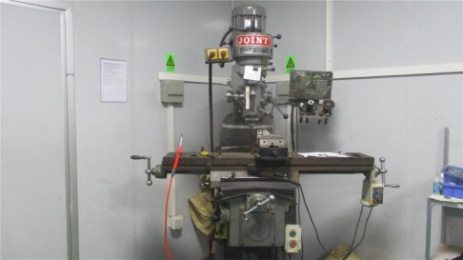
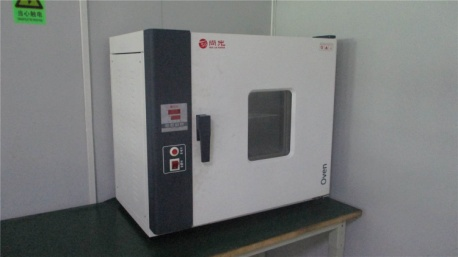
Advanced Machinery Fleet & Manufacturing Assets
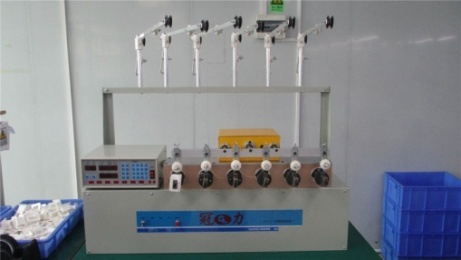
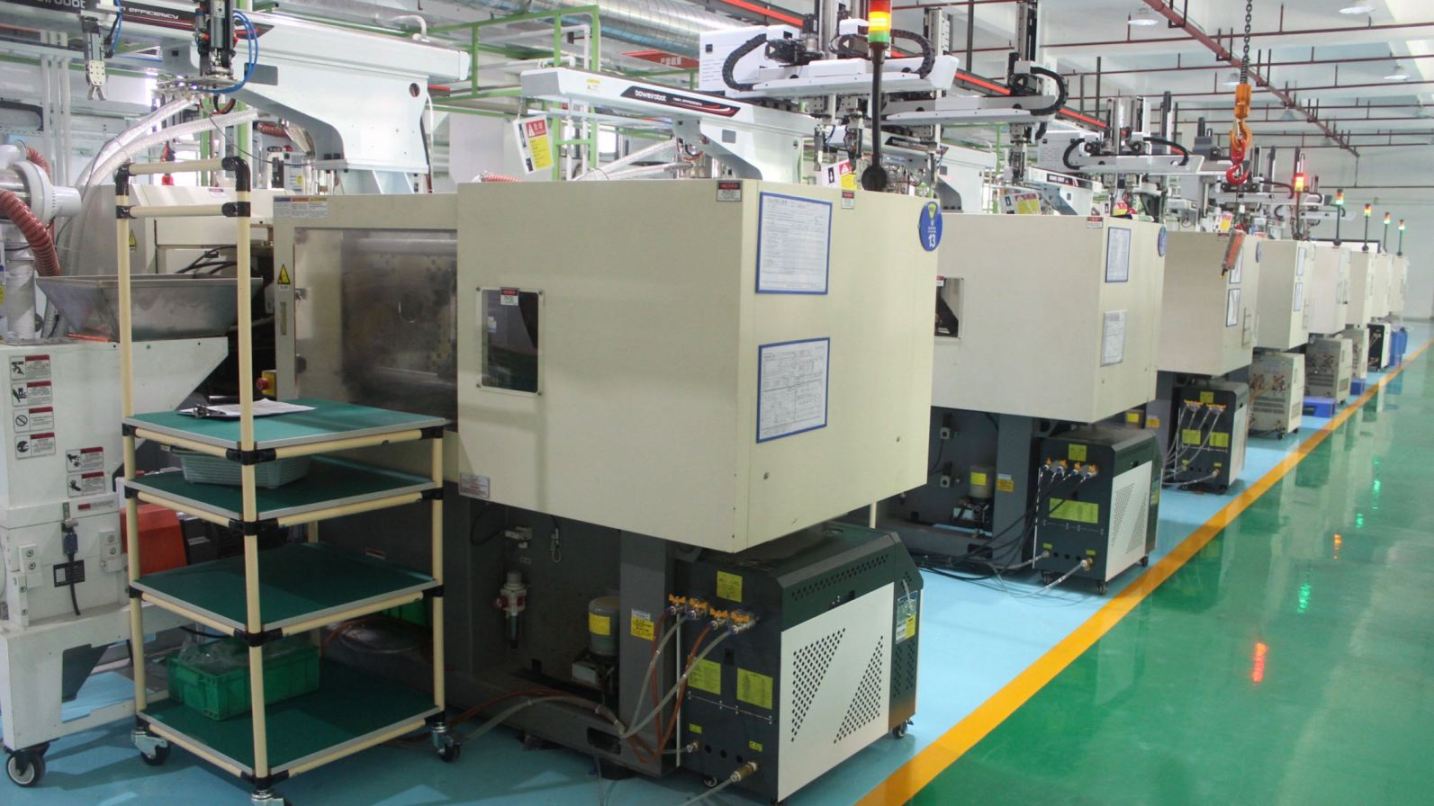
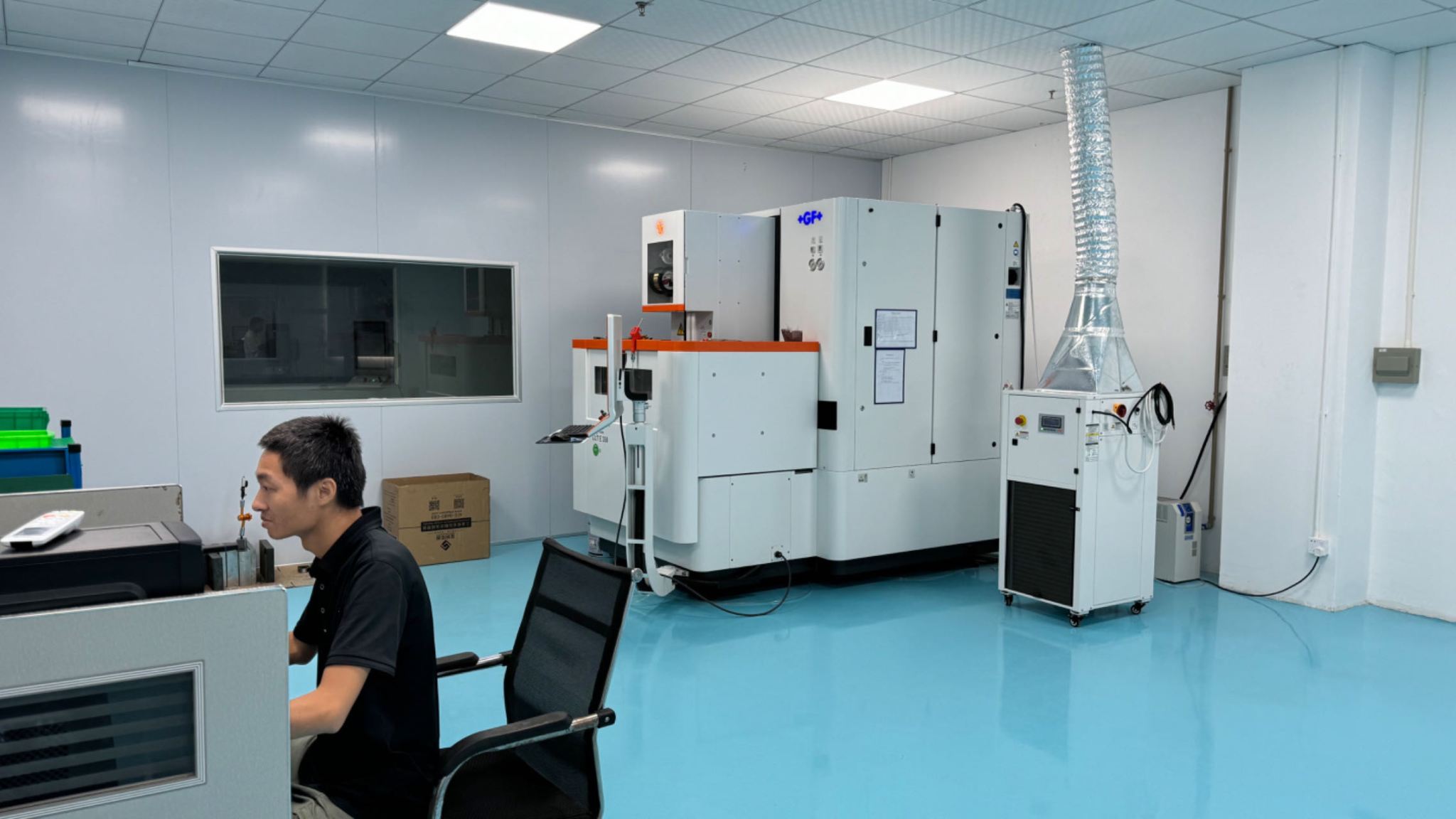
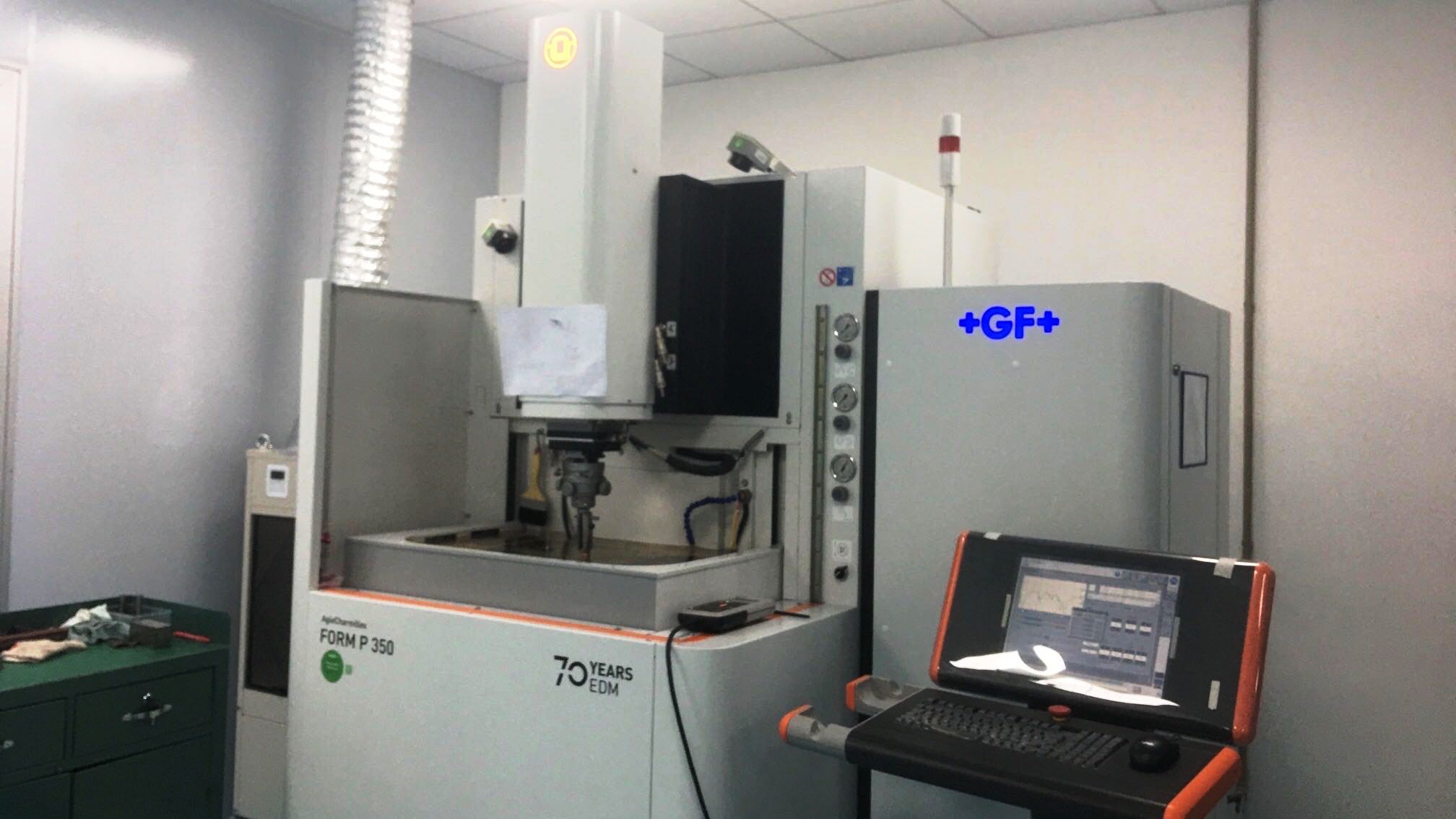
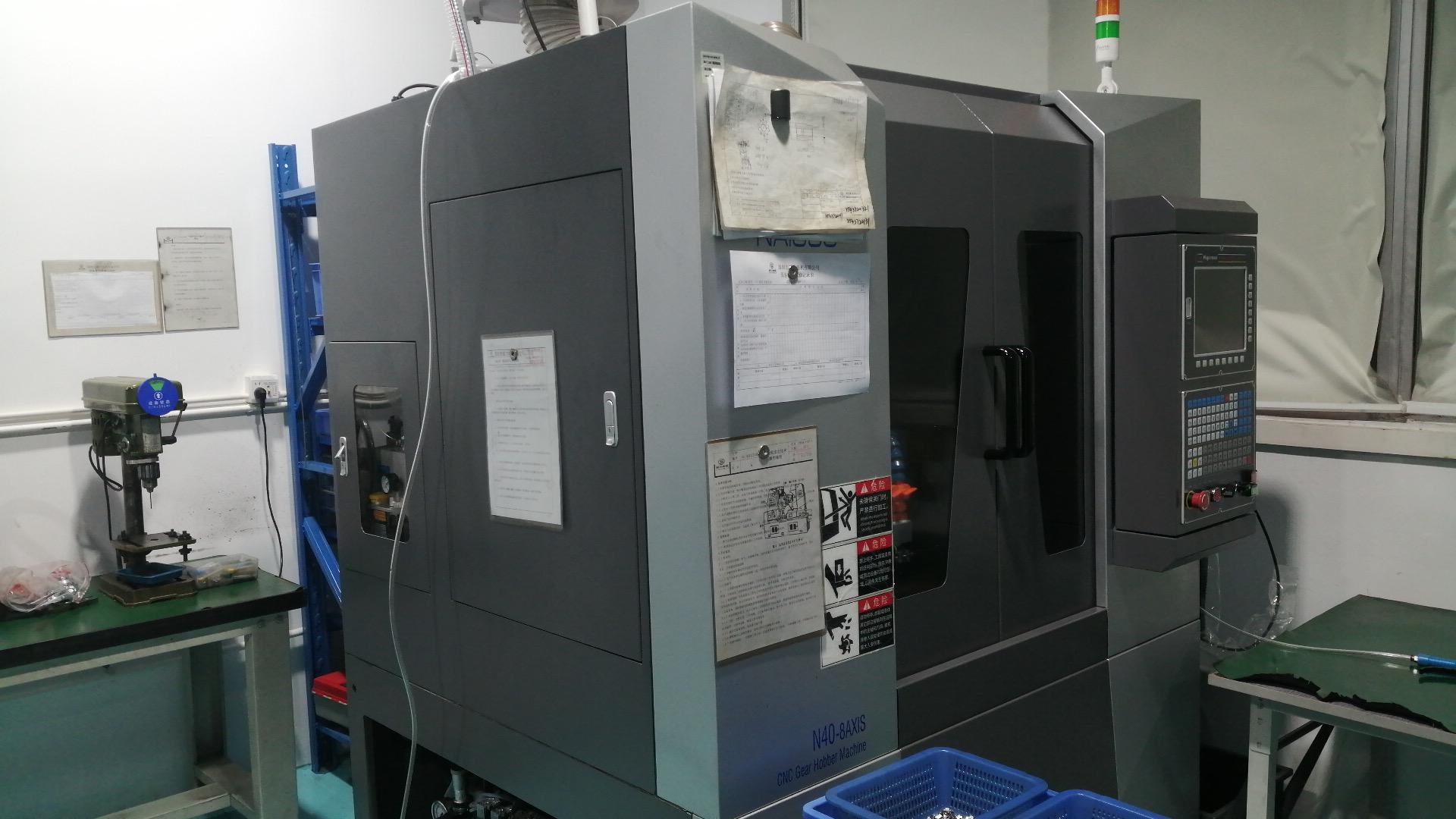
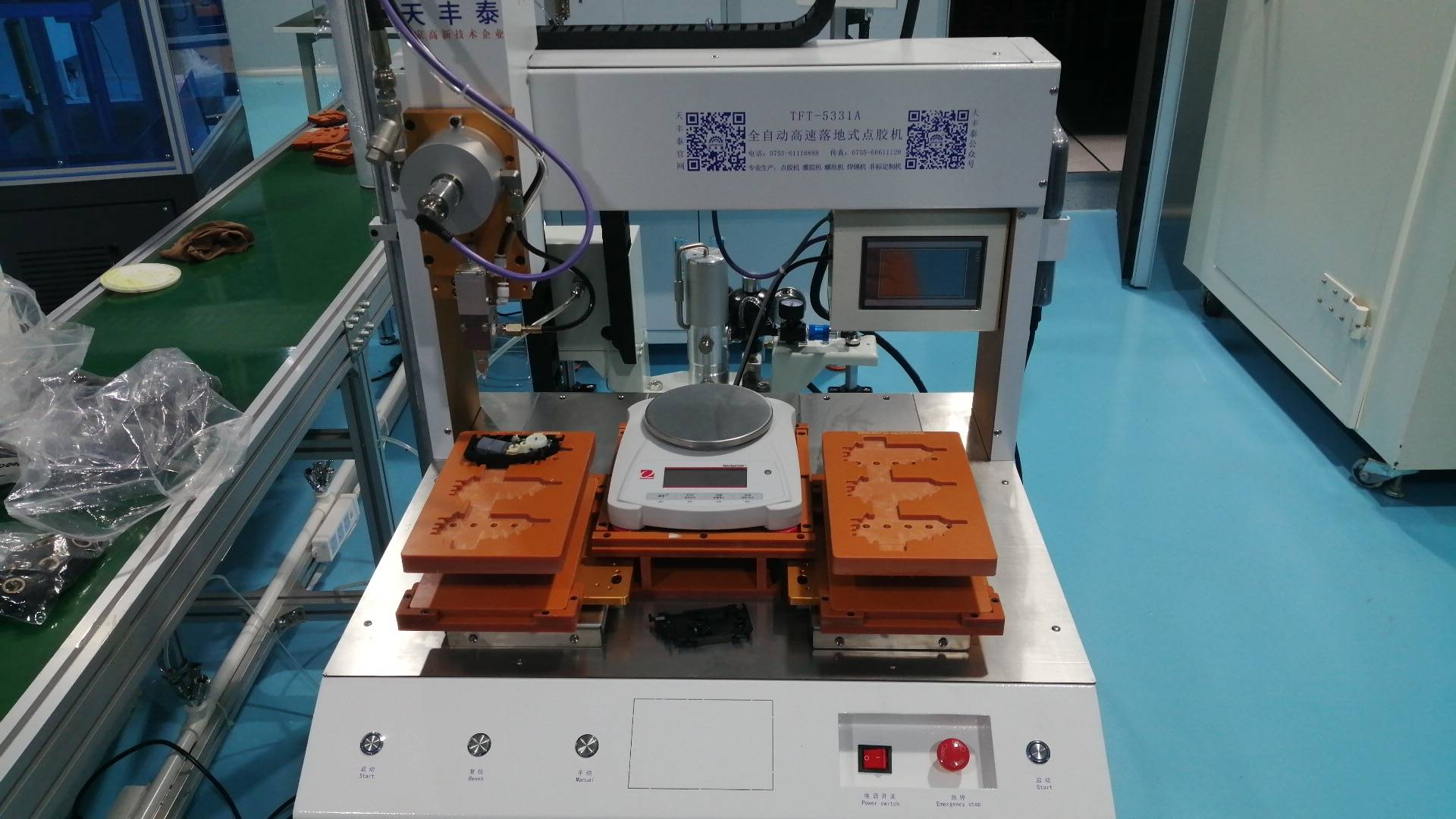
To maintain strict gear-profile tolerances, our production facility uses high-precision machinery, including Ningjiang CNC gear hobbers, slow-feeding wire-cut EDM units, and specialized hardening ovens.
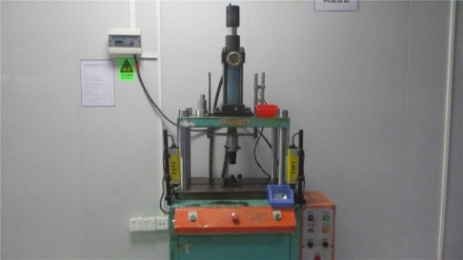
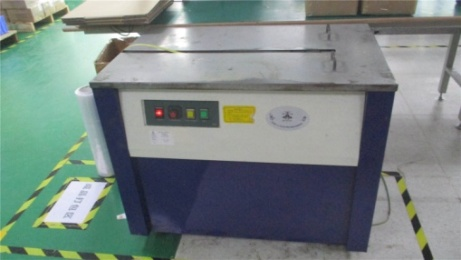
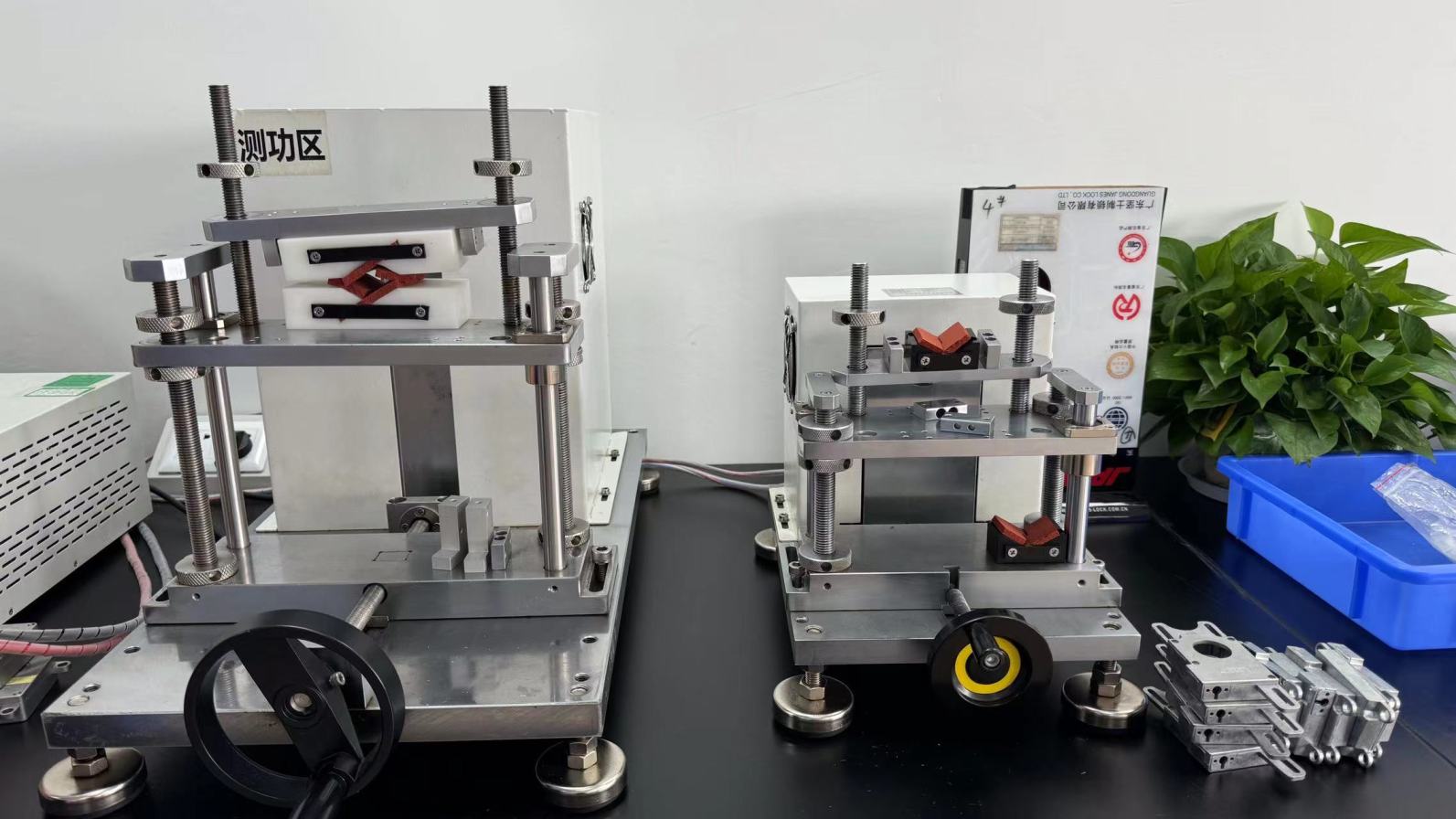
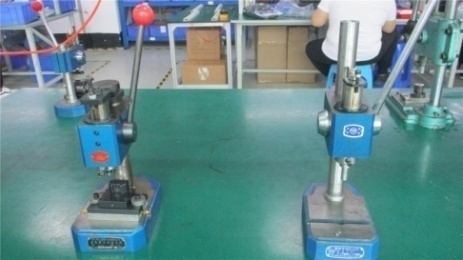
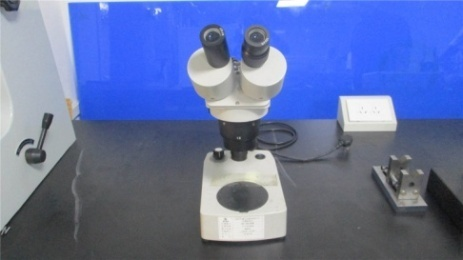
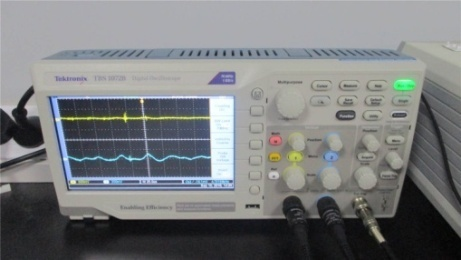
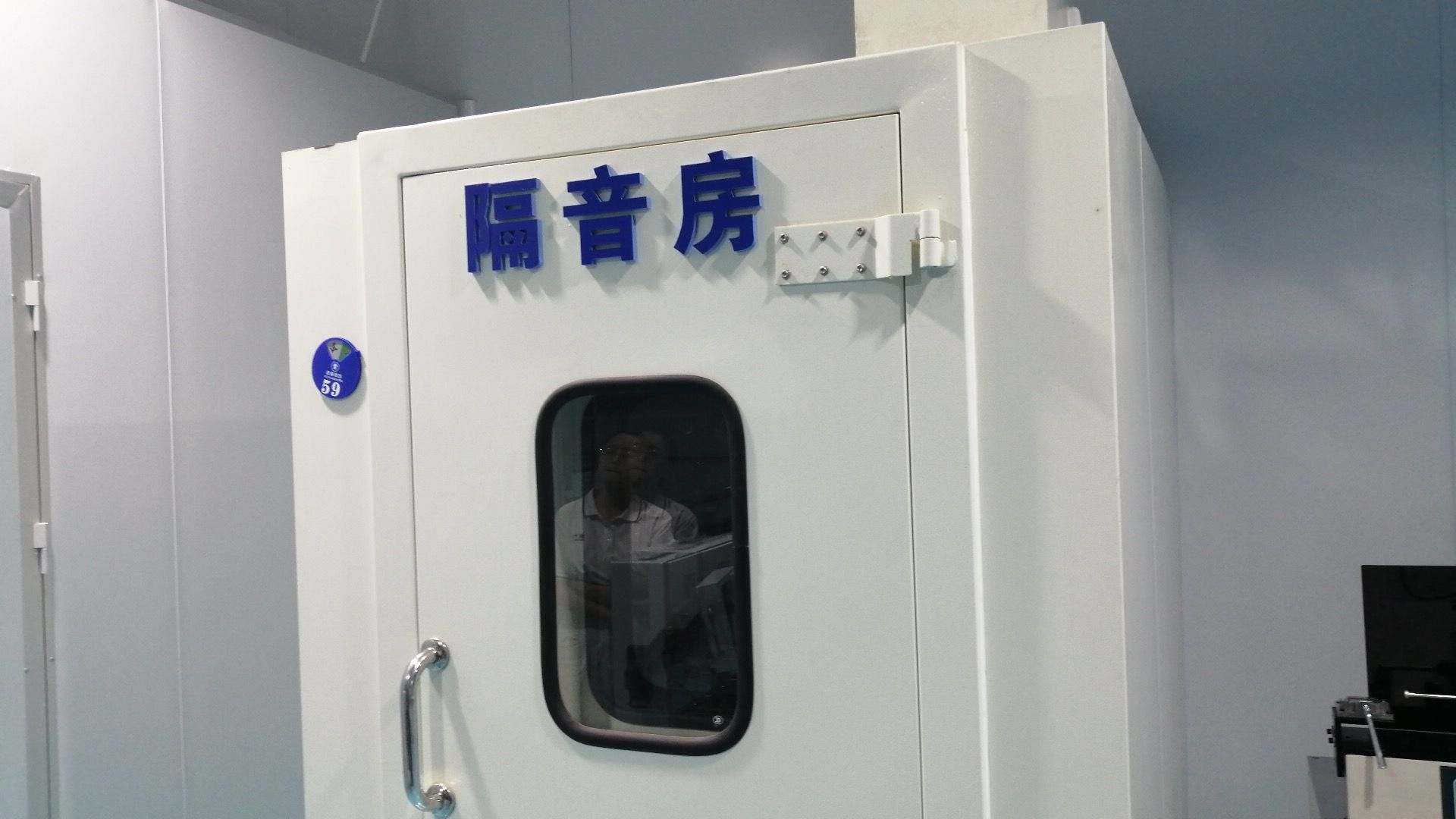
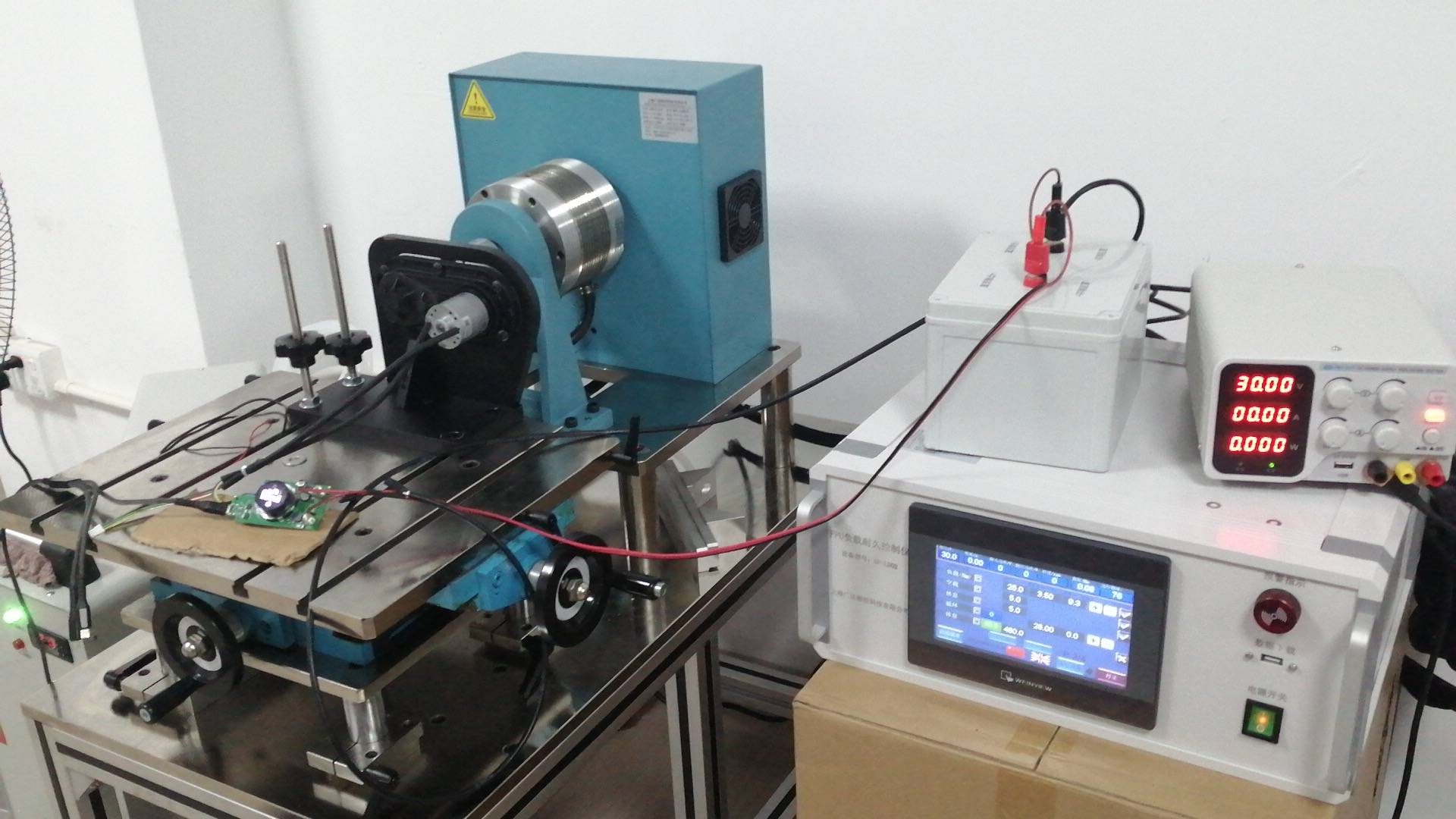
Metrology and Technical Testing Protocols
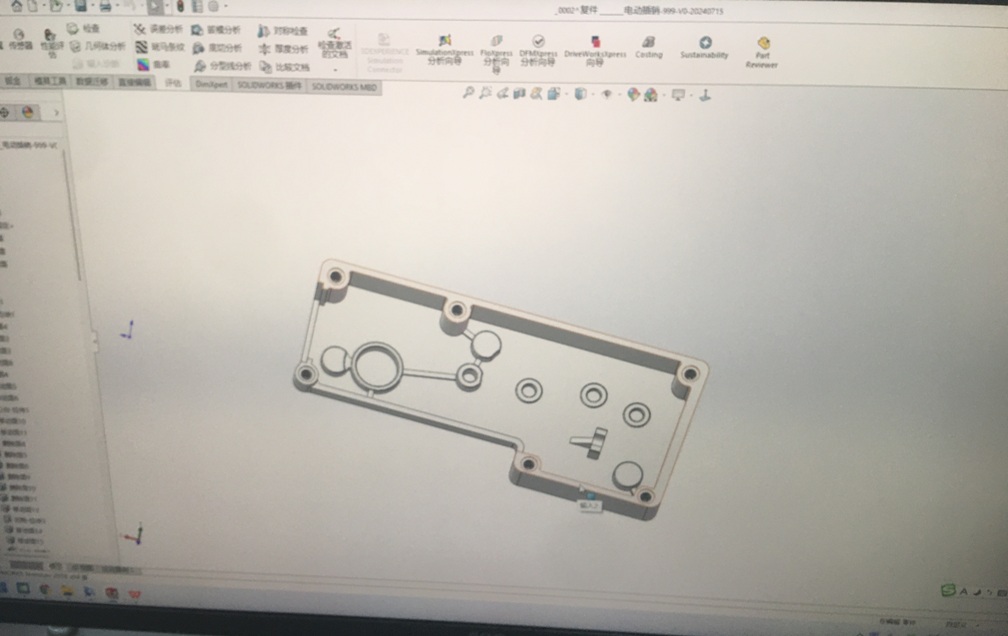
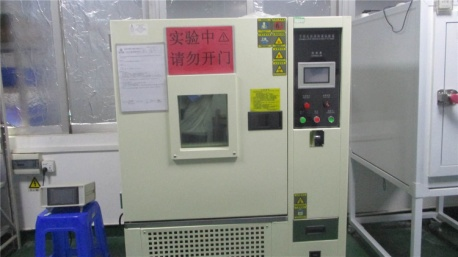
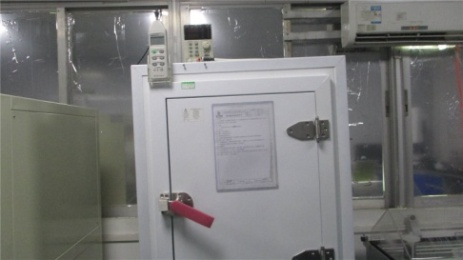
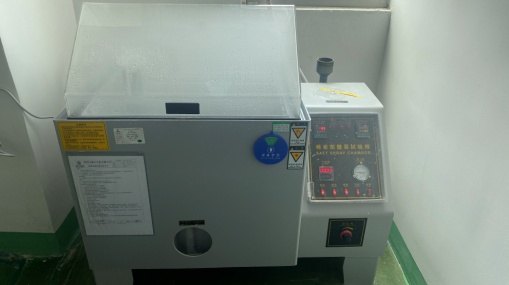
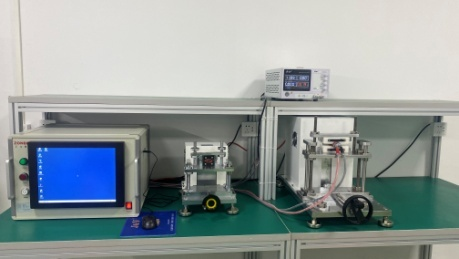
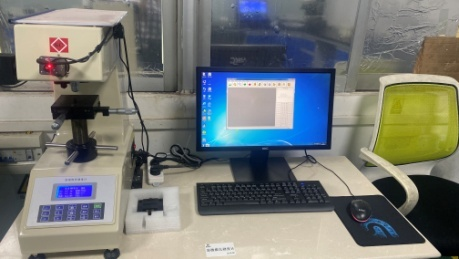
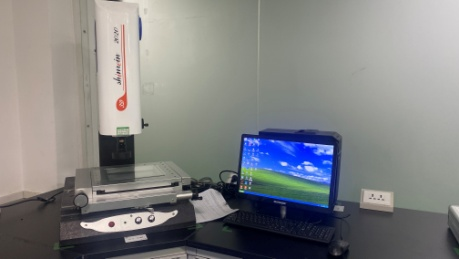
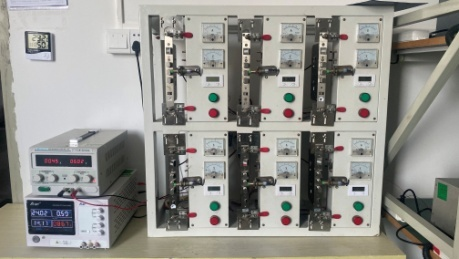
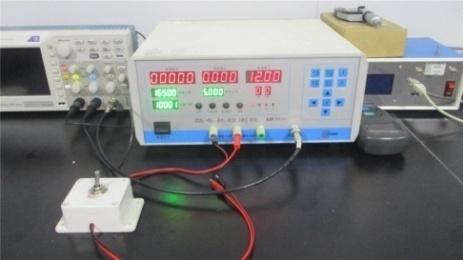
Every motor design undergoes verification before shipment. Our quality control system uses environmental test chambers, dynamometer testing, and semi-anechoic soundproof rooms to ensure operational reliability.
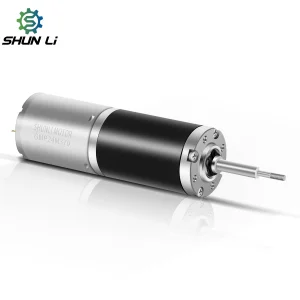
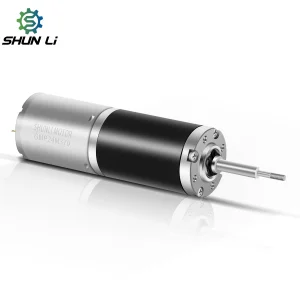
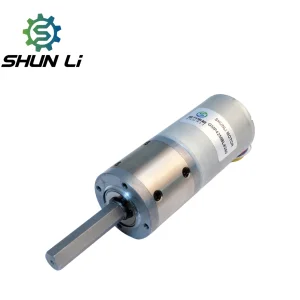
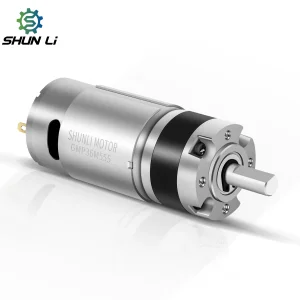
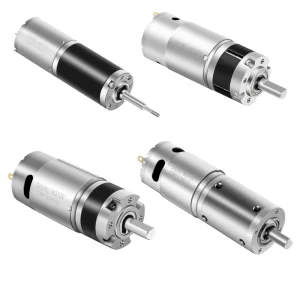
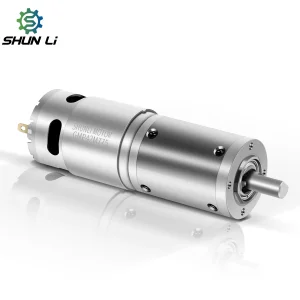
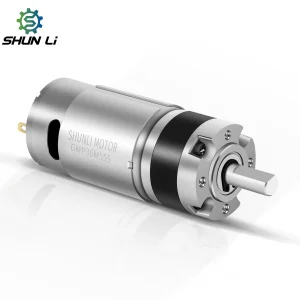
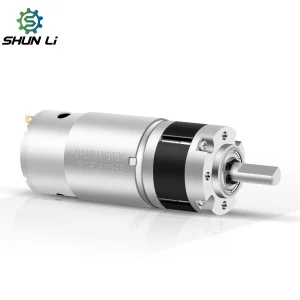
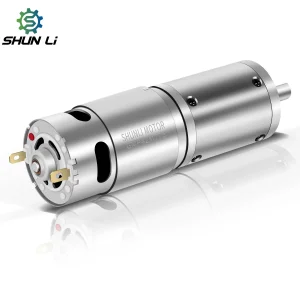
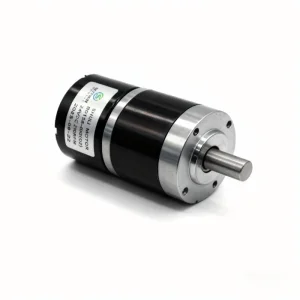
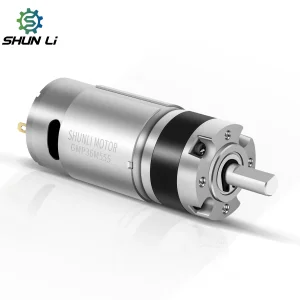
Industrial Grade Planetary Gear Motors
Engineered options spanning 16mm to 42mm diameters, customizable torque profiles, and optional optical encoders
Technical Roadmap: The Future of Precision Micro-Drives
The development of micro planetary gear motors centers on three core criteria: torque density, integration, and intelligence. Over the next decade, industrial requirements will demand improvements in material science, sensor design, and controller configurations.
1. Advanced Materials and Tooth Profiles
Traditional steel cut gears are transitioning to powder metallurgy (sintered alloys) and performance engineering polymers (such as PEEK and carbon-reinforced polyamides) in low-load stages. This material combination reduces gear train weight, decreases operational noise, and lowers total cost. In high-load setups, modern helical profiles are replacing standard spur gears. Helical designs increase the contact ratio between teeth, minimizing noise and improving torque capability.
2. Coreless and Brushless Rotor Innovations
For applications like bionic prosthetics and surgical end-effectors, conventional slotted armatures introduce cogging torque, which compromises smooth rotational output. Slotless brushless motor topologies eliminate this constraint. Winding high-purity copper wire into self-supporting cylindrical coils yields a low-inertia rotor capable of rapid acceleration, zero cogging, and thermal stability in enclosed spaces.
3. Integrated Cyber-Physical Control Units
The next generation of planetary gear motors will function as intelligent nodes on local communication buses (such as EtherCAT, CANopen, or Modbus). Integrating a magnetic absolute encoder, driver stage, and microcontroller directly into the rear motor housing forms a closed-loop system. This design simplifies system wiring and enables real-time diagnostics of internal parameters, temperature shifts, and gear degradation.
Local Delivery, Compliance, and Supply Chain Support
Sourcing industrial components in the Seoul Metropolitan Area requires compliance with local regulatory frameworks and integration with established logistics systems. DQC ensures all exported products meet local standards:
- KS Standards & KC Certification: Where applicable, our motors conform to South Korean safety standards, ensuring smooth customs processing and regulatory alignment.
- K-RoHS and REACH Compliance: Raw material testing protocols verify that all gearboxes, rotor assemblies, and lubricants contain no hazardous substances.
- Just-In-Time (JIT) Supply Chain Support: We offer coordinated shipping and customs support to regional ports like Incheon and logistics hubs in Gyeonggi-do, minimizing transport lead times.
- Detailed Mechanical Documentation: Every motor shipment is accompanied by detailed CAD drawings, torque-speed curves, and acoustic signature test reports.
Planetary Gear Motor Engineering FAQ
Technical answers to key questions from system integrators, design engineers, and procurement specialists
Ready to Engineer Your Custom Motion Solution?
Get in touch with our application engineering team to request CAD files, custom gear ratio reviews, or sample pricing for your development projects in the Seoul market and beyond.
Send Inquiry Now