DC Motor B2B
CE Certified High Efficiency Motor Factories & Suppliers
Leveraging Advanced Micro-Drive Engineering & E-E-A-T Quality Frameworks to Power Global Precision Automation Systems
Premium Micro-Drive & High-Efficiency Systems Selection
Explore our foundational range of CE-compliant and highly optimized electric motors designed for industrial applications
Executive Whitepaper: High-Efficiency Electric Motors in Modern Industry
A Technical Assessment of CE Directives, Design Innovations, and Dynamic Energy Savings
1. Understanding CE Certification Standards for Industrial Motor Drives
CE Certification serves as a fundamental passport for industrial machinery within the European Economic Area (EEA), signaling strict adherence to harmonized safety, health, and environmental guidelines. For electric motor manufacturers and suppliers, the certification framework encompasses multiple directives that guarantee systemic safety and minimal electromagnetic disruption. The primary directives governing these motors include the Low Voltage Directive (LVD) 2014/35/EU, which enforces electrical insulation, safety tolerances, and clearance distances for equipment operating within specific voltage ranges, and the Electromagnetic Compatibility (EMC) Directive 2014/30/EU, which ensures the motor does not emit excessive electromagnetic interference that could disrupt neighboring automated systems.
Furthermore, standardizations under the Ecodesign Directive 2009/125/EC and the updated EU Regulation 2019/1781 mandate minimum efficiency limits for electric motors. The regulation references international IEC standards, specifically IEC 60034-30-1, classifying efficiency from IE1 (Standard) up to IE5 (Ultra-Premium). While large industrial three-phase induction motors are subject to mandatory IE3 and IE4 standards, micro-drives, fractional horsepower motors, and specialized geared configurations require optimized core materials, customized slot-fill factors, and advanced magnetics to maintain compliance and limit energy loss during continuous operating cycles.
2. Materials Science and Design Layouts of IE3+ Premium Motors
Achieving high-efficiency metrics requires a holistic approach to the physical design of rotor and stator segments. Suppliers must select raw materials with low iron losses (hysteresis and eddy current losses) and implement manufacturing tolerances measured in micrometers. In brushless DC (BLDC) and permanent magnet motor variations, the inclusion of high-performance rare-earth magnets (such as Neodymium Iron Boron, NdFeB, or Samarium Cobalt, SmCo) maximizes magnetic flux density while keeping physical footprints minimal. Standard copper coil winding density is also heavily optimized; needle winding technology allows for higher copper slot-fill rates, which reduces overall winding resistance and lowers copper losses (I²R loss).
In shaded pole and standard AC induction gear motors, high-grade silicon steel laminations are used to minimize structural core losses. The quality of the rotor lamination stack, combined with Japanese-standard dynamic balancing processes, drastically reduces mechanical vibration. Reduced vibration directly corresponds to quieter operation, minimal bearing wear, and long-term energy performance, maintaining structural integrity over millions of operational cycles.
Inside a premium robotic joint, an automated medical pump, or a high-end smart lock, space is the ultimate luxury. At DQC, we measure our success in micrometers and decibels. Our mission is to take advanced, heavy-duty rotational power and compress it into the most compact, energy-efficient footprints imaginable.
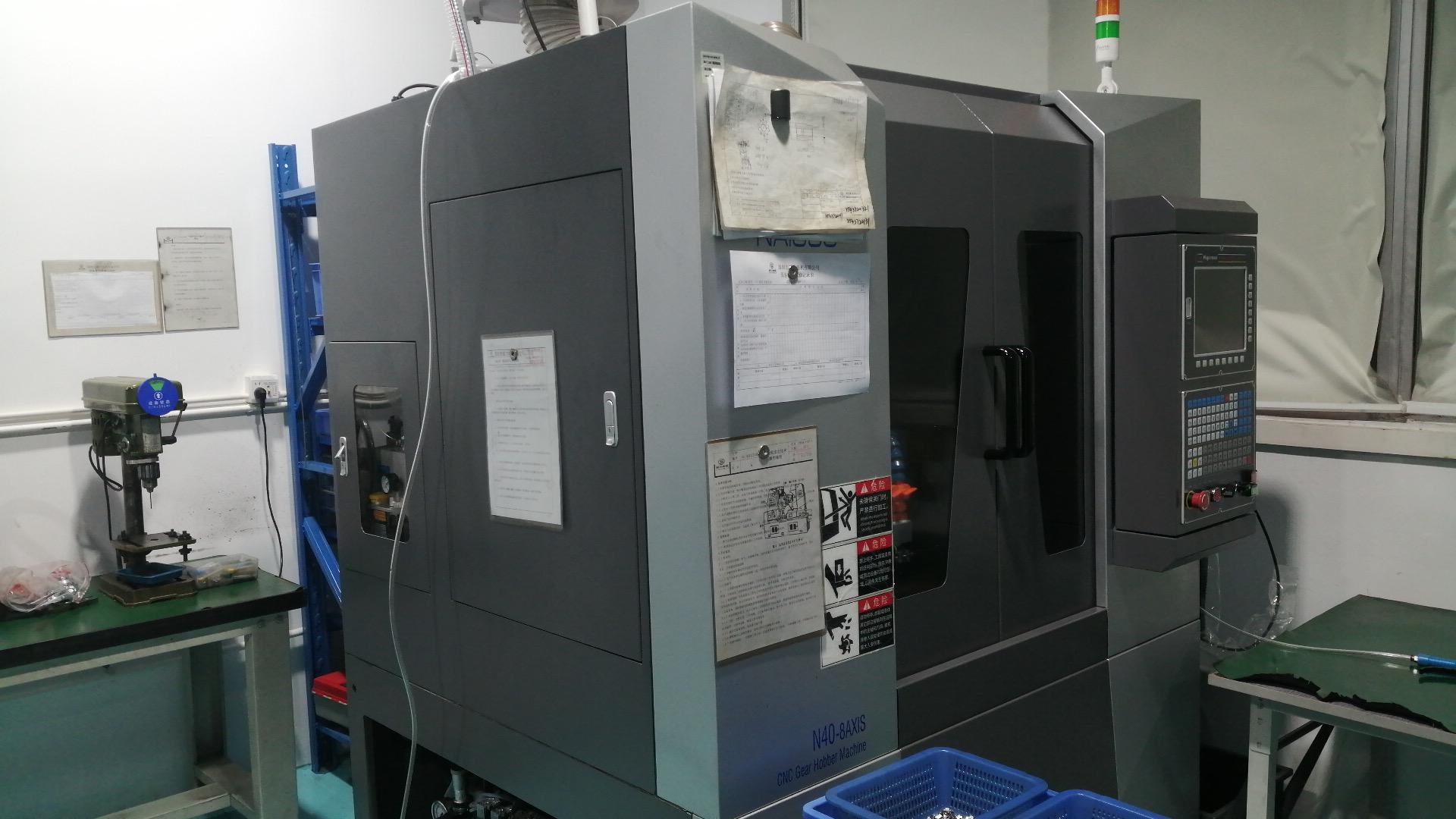
Our expertise lies in the micro-details of motion. From precision-wound copper rotors and high-purity commutators to zero-backlash planetary gear trains, every single internal component of a DQC motor is optimized to eliminate friction and maximize heat dissipation. By combining advanced automated Swiss-style hobbing with Japanese dynamic balancing, we ensure our micro drives deliver the fluid, whispering-quiet power your brand promises. When your next high-tech innovation relies on repeated mechanical perfection, let DQC be the core that spins it forward.

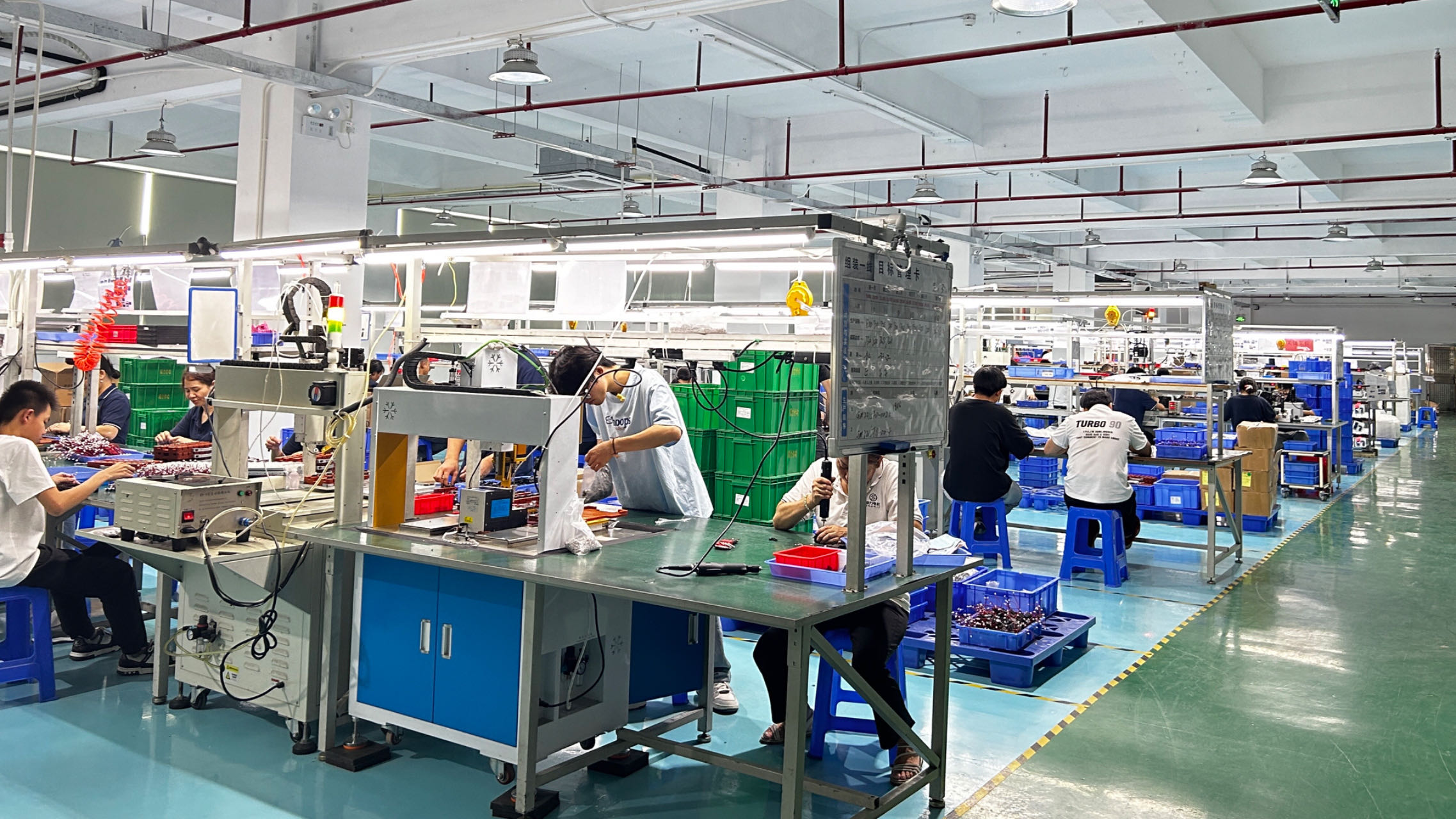
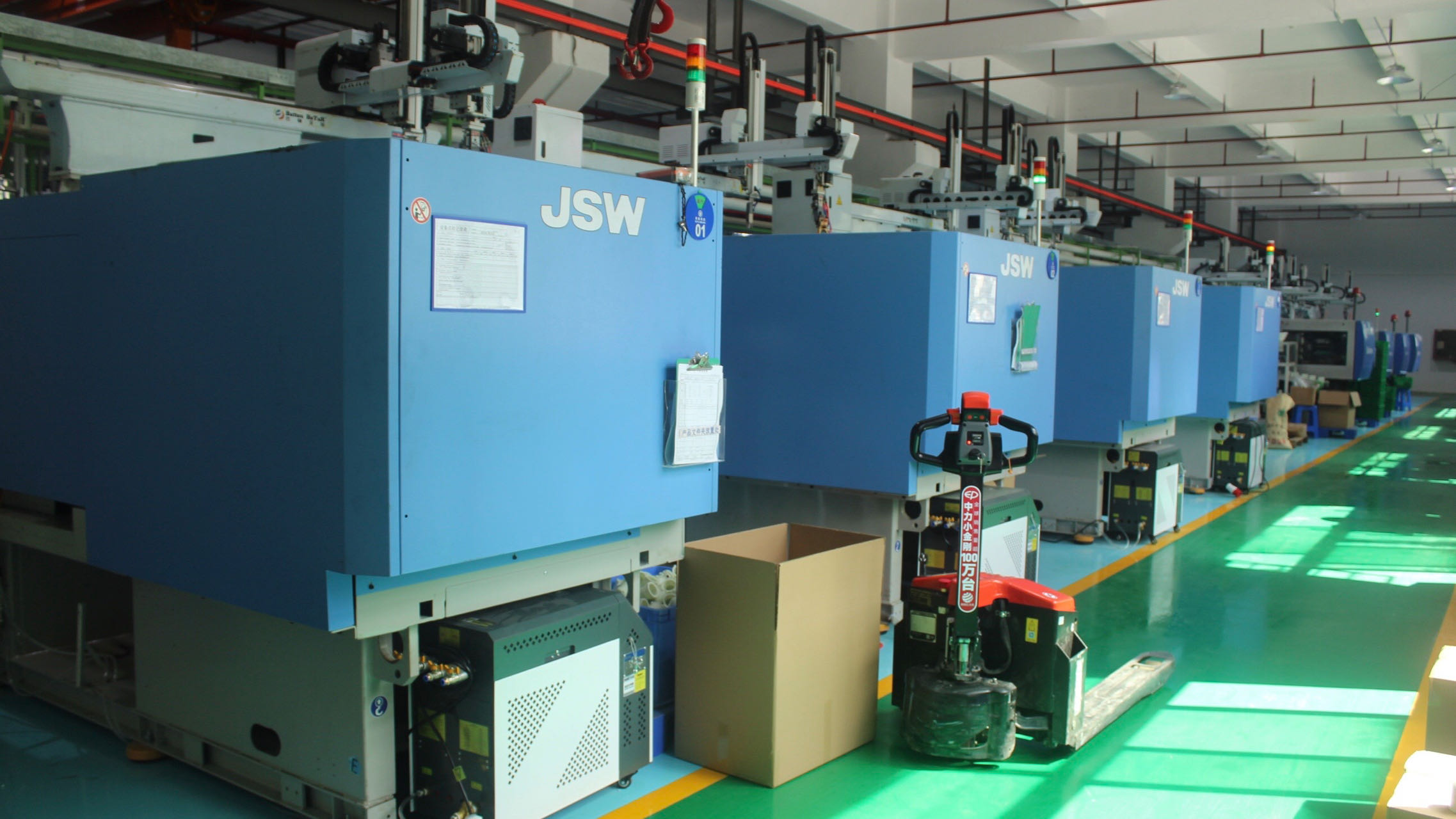
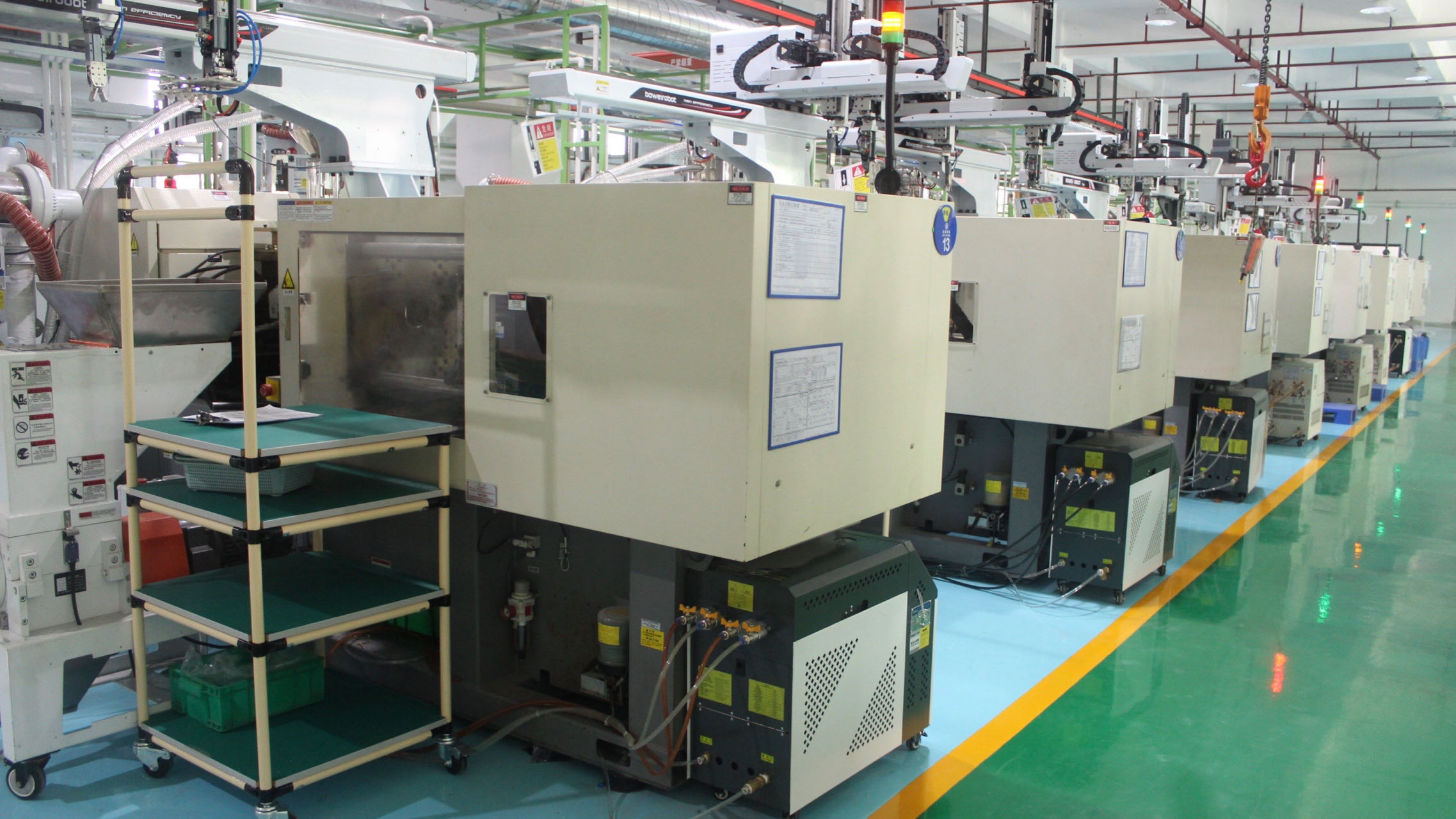
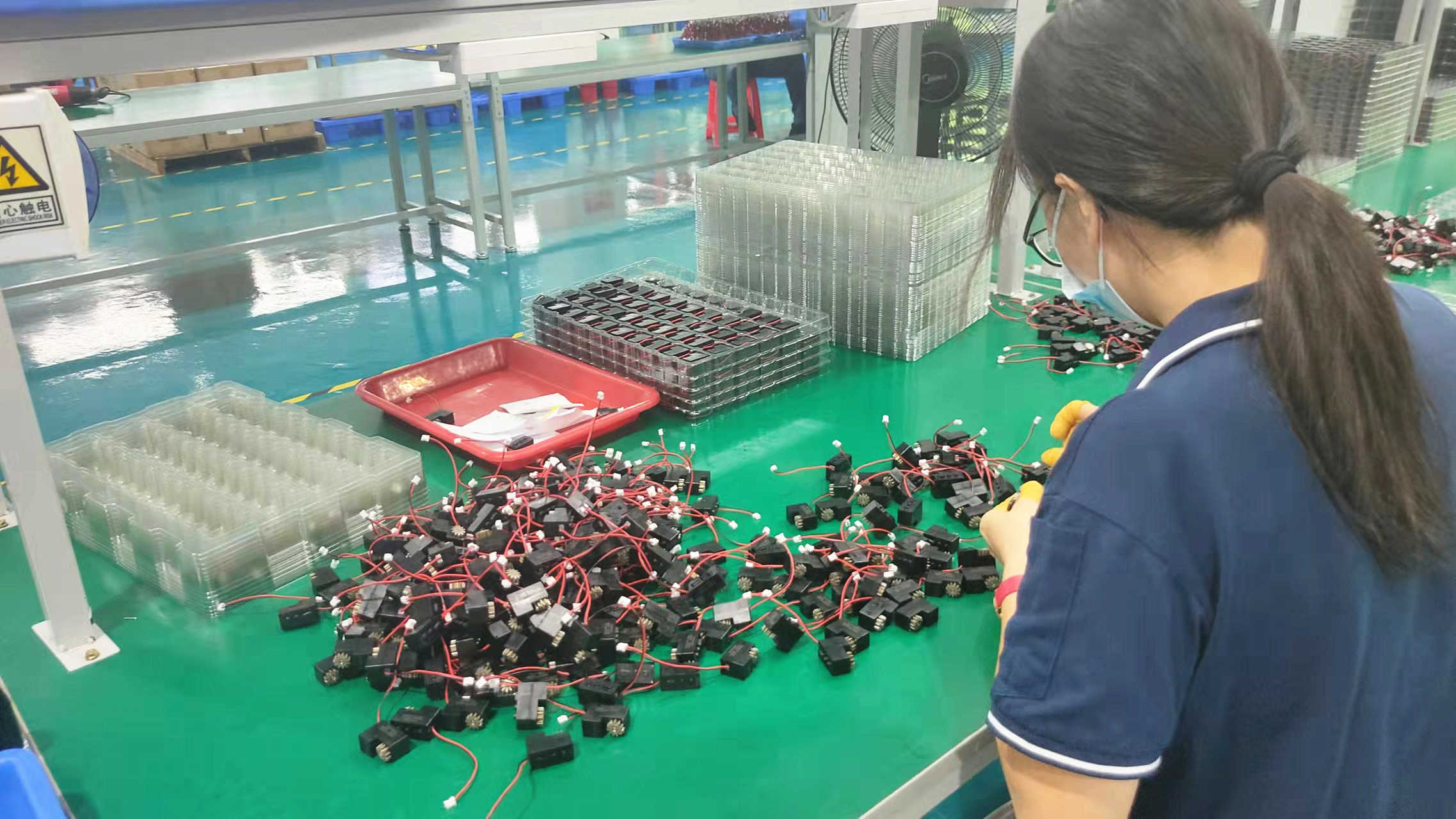
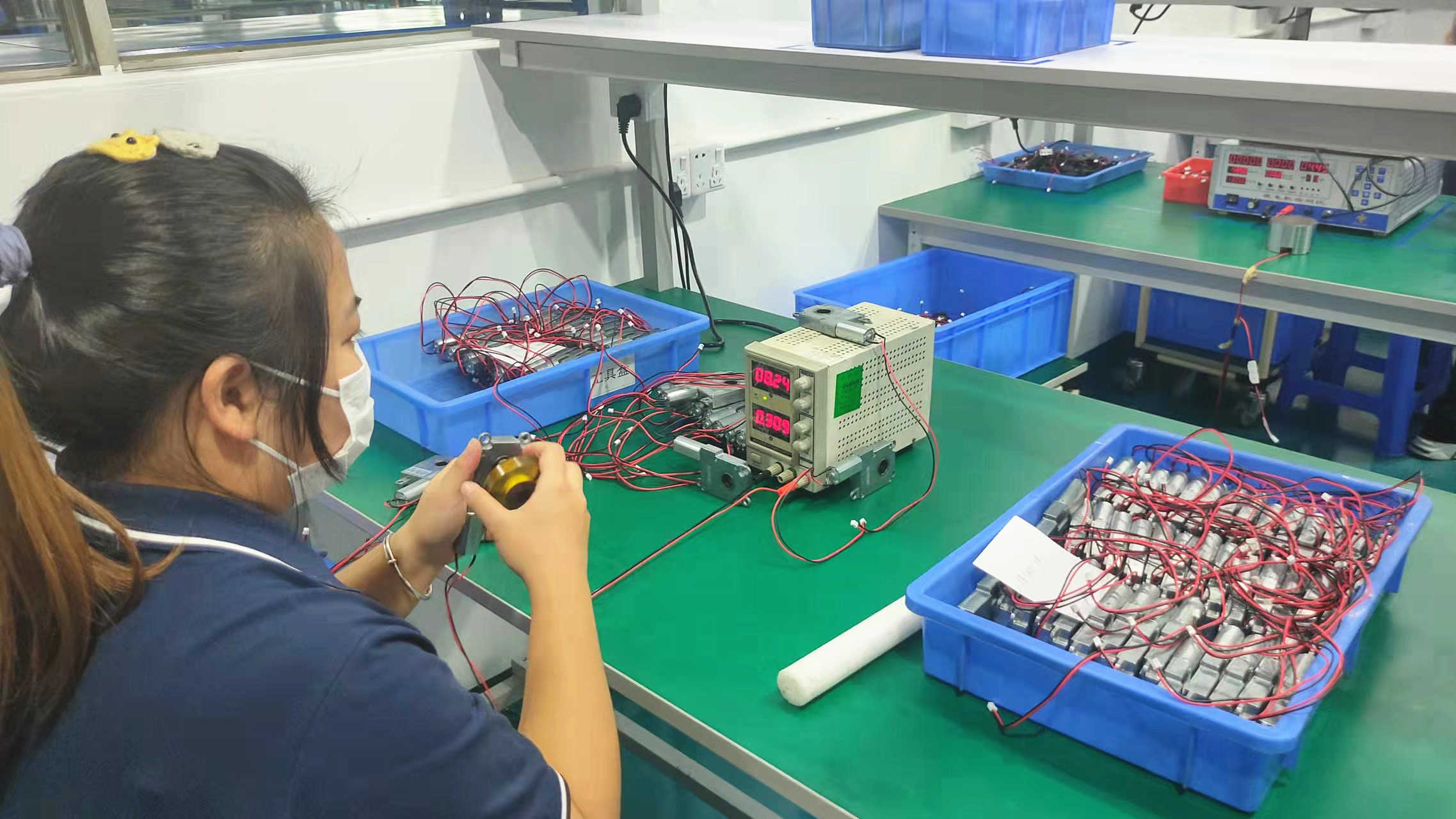
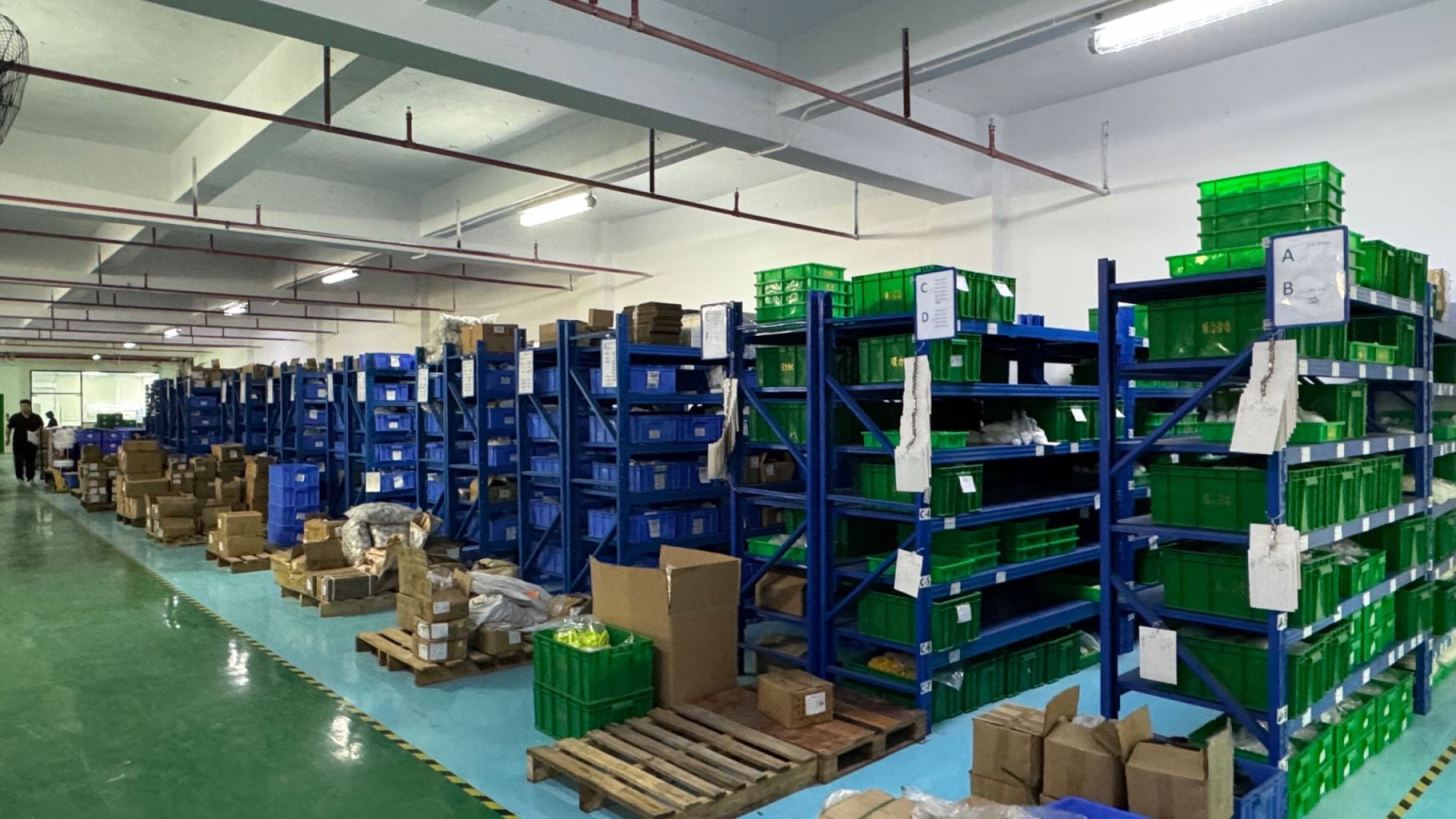
Production Workflow and Manufacturing Architecture
From traceable raw materials to finished packaging under ISO 9001 and CE compliance standards
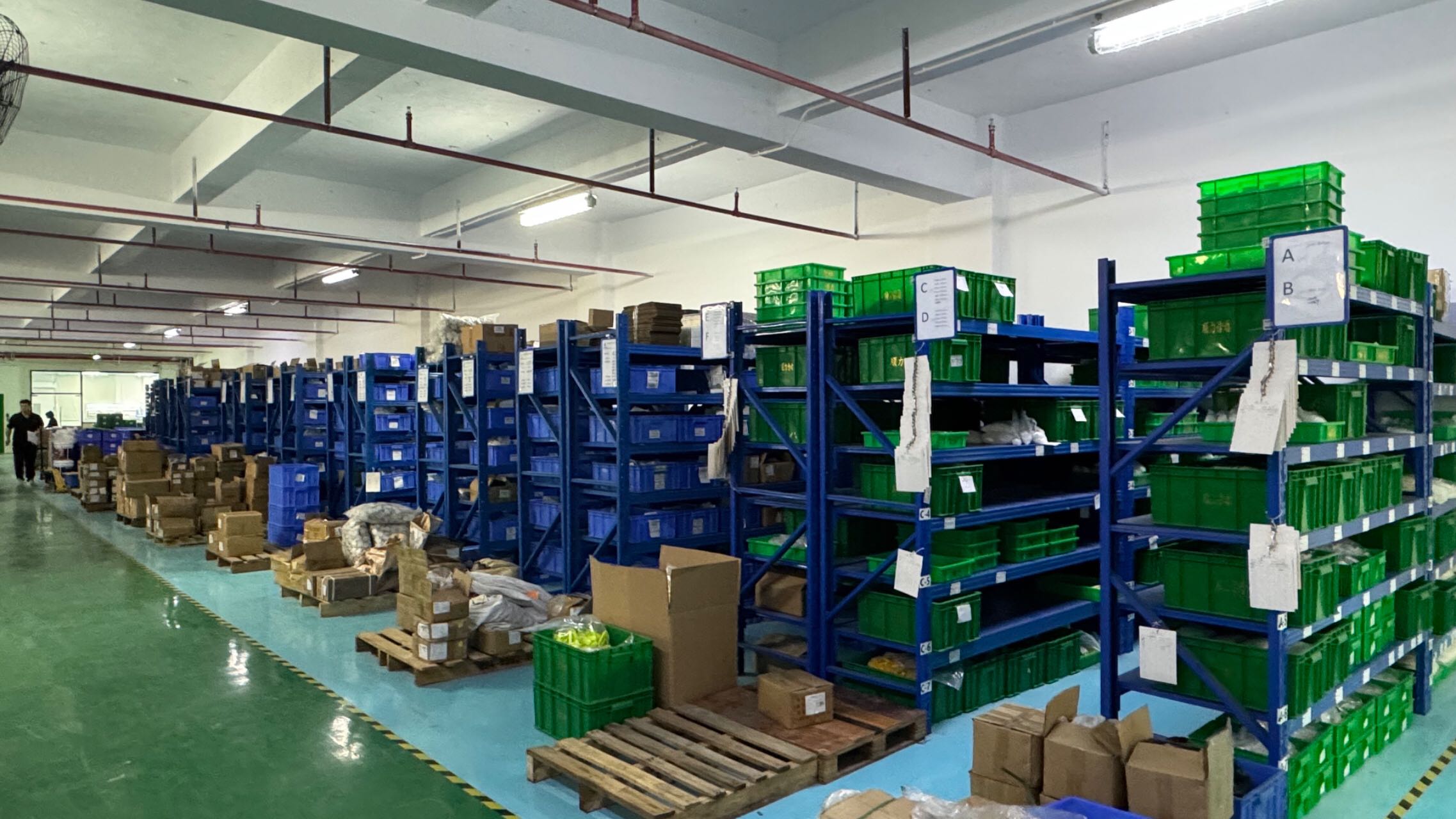

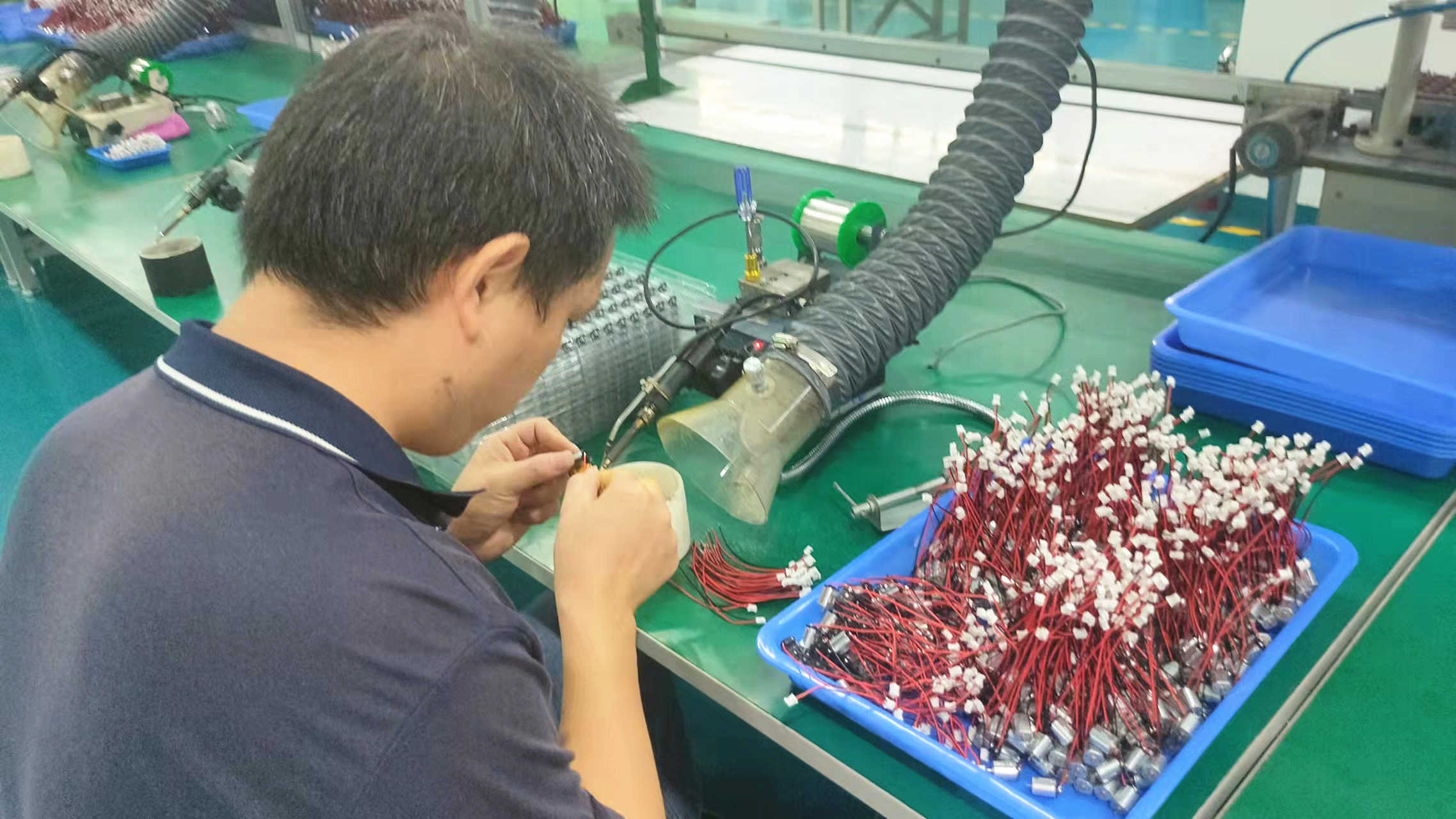
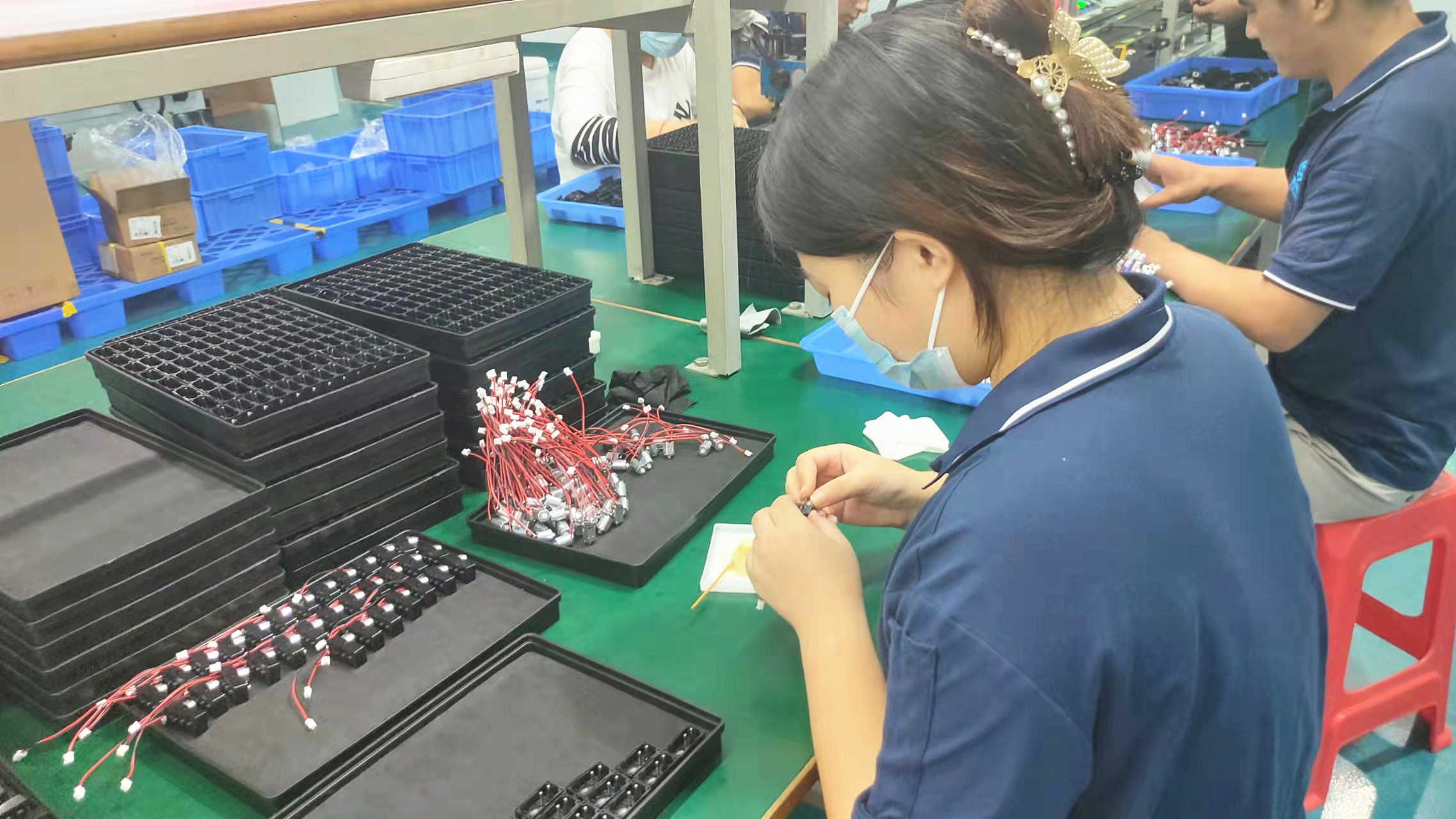
Industrial Application Frameworks & Regional Operational Scenarios
Adapting high-efficiency micro-drives to specific mechanical conditions and compliance standards
1. Smart Heating Ventilation and Solid Fuel Systems (Pellet Stoves)
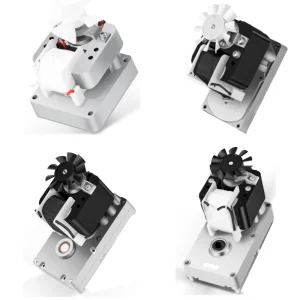
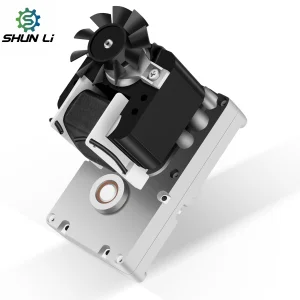
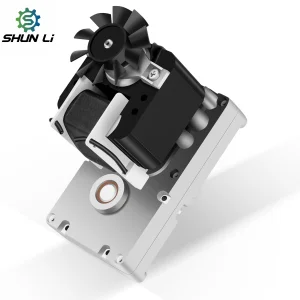
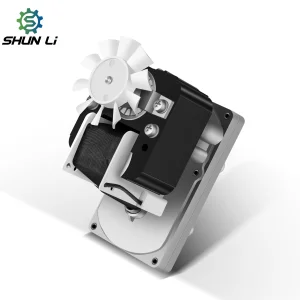
Residential solid-fuel boilers and biomass pellet stoves require continuous, precise fuel feed mechanisms to maintain clean combustion. Single-phase AC Shaded Pole Gear Motors are widely used in pellet feed systems because of their low starting current and reliable operations under thermal duress. However, running these systems in residential settings demands low vibration and near-silent operation.
Our shaded pole gear motors incorporate high-purity iron laminations and automated coil windings, which reduce core losses and lower overall heat generation. This design prevents thermal shutdown and prolongs lubricant lifecycle within the planetary or spur gearbox assembly. When operated in North American (120V 60Hz) or European (220V-240V 50Hz) power networks, these motors deliver constant torque outputs. This minimizes the risk of auger jams while maintaining compliance with local residential safety regulations.
2. High-Torque Mechanical Systems in Automotive Auxiliary Drives
Automobile chassis environments present severe vibrational loads, humidity changes, and wide temperature swings. Electric drivetrains in modern vehicles rely on auxiliary motors for functions like power window regulators, electronic tailgate lifters, seat adjusters, and active grill shutters. A micro-drive motor for these applications must provide high starting torque (torque range between 0.3Nm and 5Nm) in a low-profile housing that easily fits within door panels or under seats.
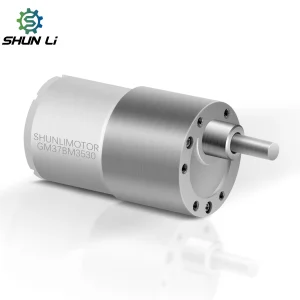
By pairing low-voltage brush and brushless DC motors with custom-engineered worm or planetary gearboxes, we deliver dependable mechanical reduction in a space-saving package. Low-power, high-torque configurations allow automotive designers to minimize system weight, supporting vehicle range targets and lowering overall carbon emissions. These designs are fully tested against standard vehicle vibration profiles, ensuring performance throughout the vehicle's design life.
3. Medical Pumps, Laboratory Fluidics, and Miniature Dosing Locks
In clinical medical settings, fluid transport must be carefully regulated. Intravenous dosing pumps, clinical dialysis systems, and vacuum analyzers require precise rotation to handle sensitive fluids. In these systems, small fluctuations in rotational speed or torque ripple can cause inaccurate dosing rates.
Our micro brushless DC motors with planetary gearboxes (such as the 22mm and 36mm BLDC configurations) offer high dynamic response and flat speed-torque curves. Integrating high-resolution magnetic or optical encoders allows for closed-loop control down to fractions of a degree. This precise control supports medical device manufacturers in achieving CE Medical Device Regulation (MDR) compliance. Additionally, it helps maintain product performance under strict, zero-vibration laboratory environments.
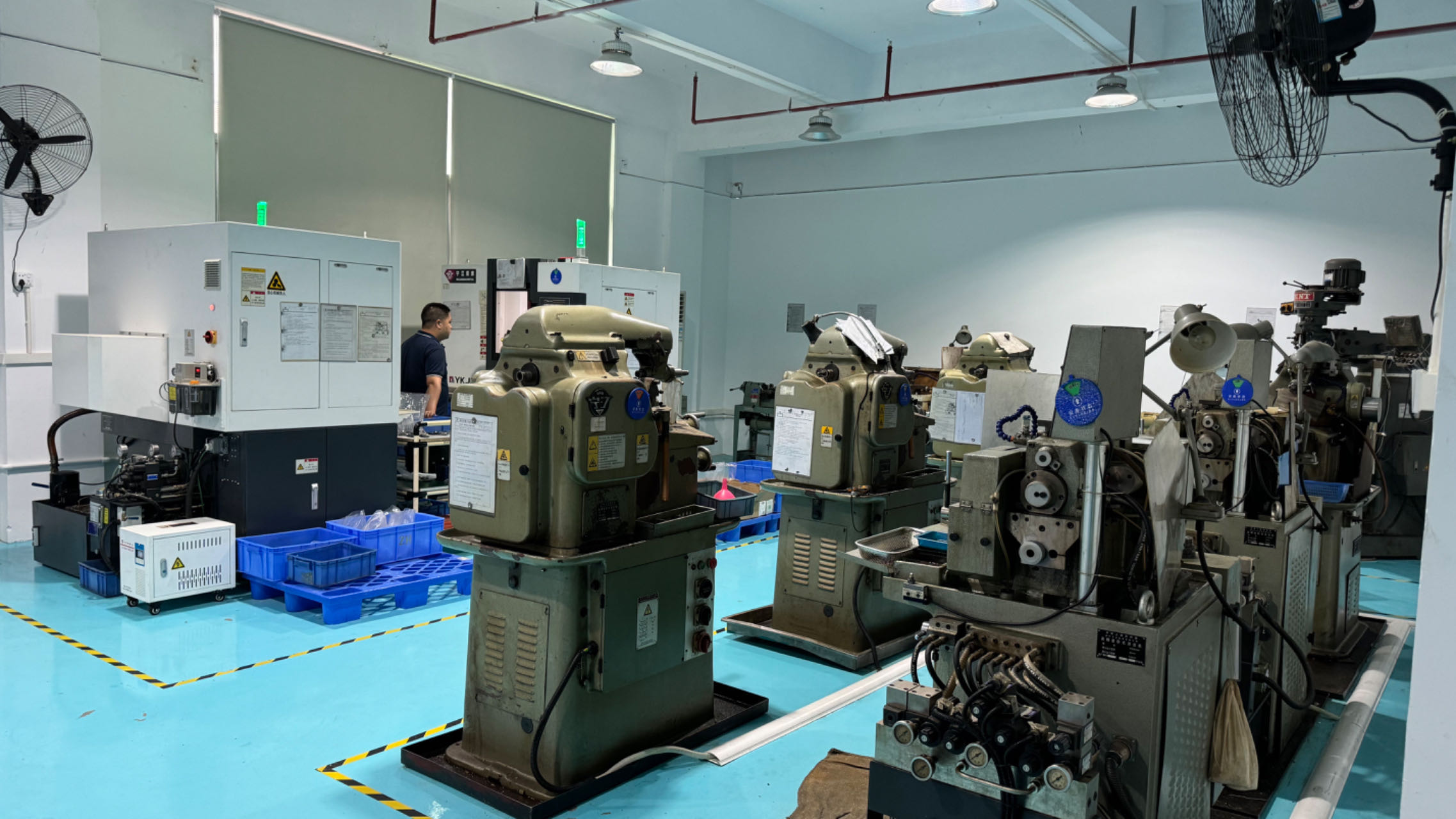
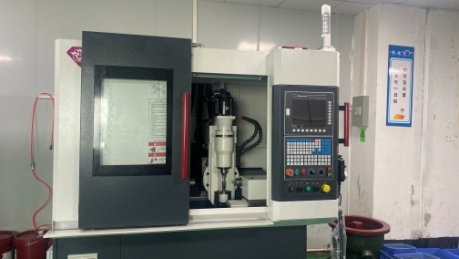
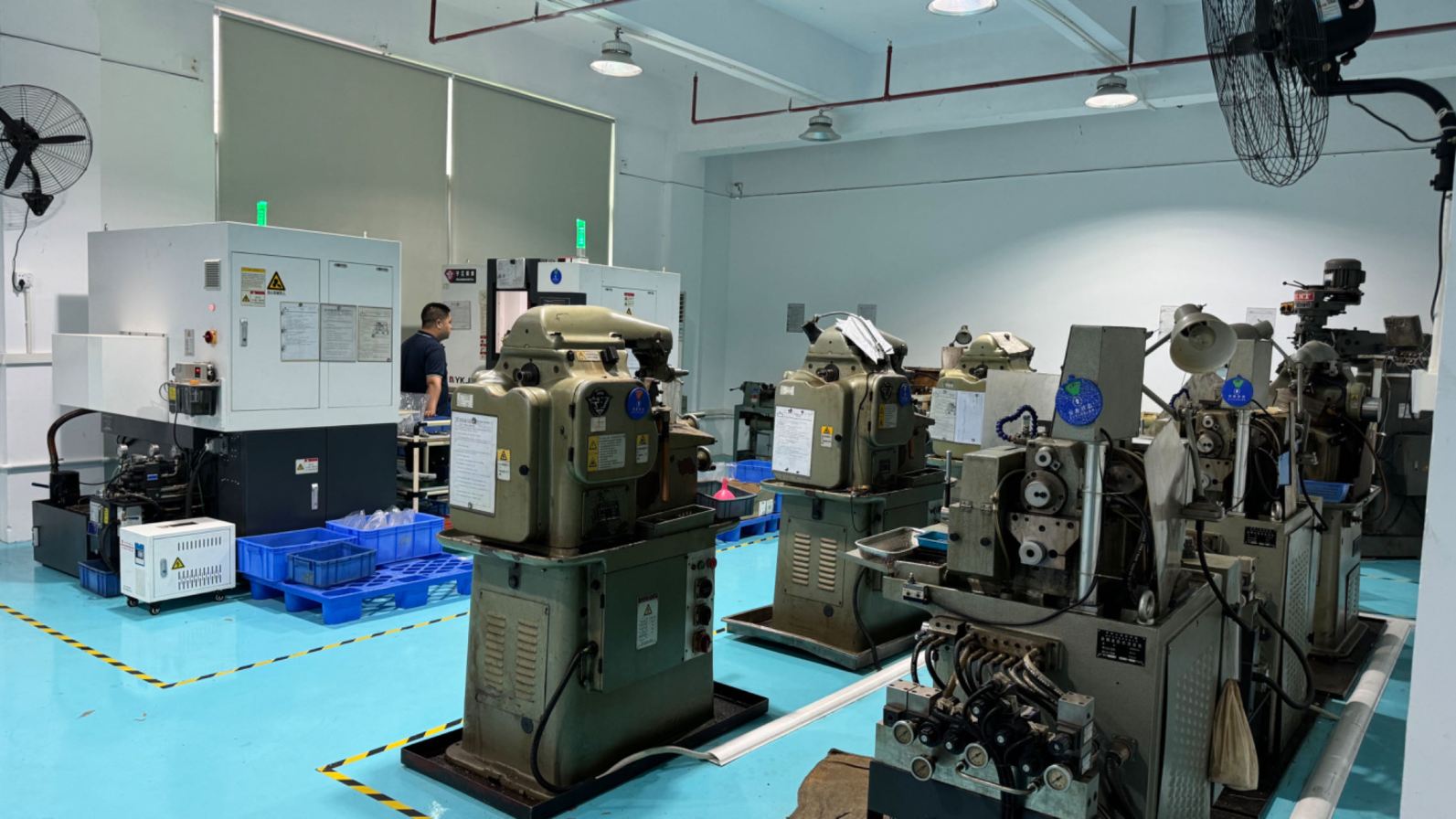
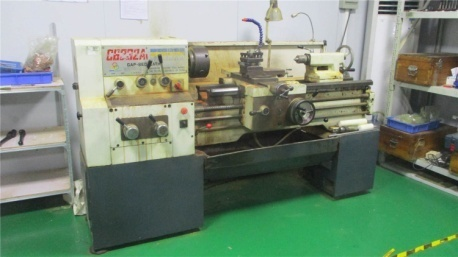
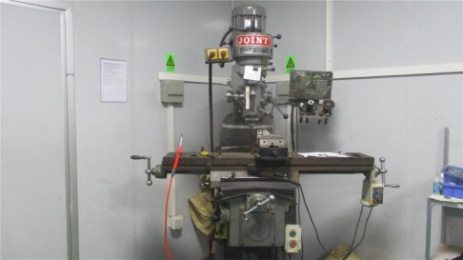
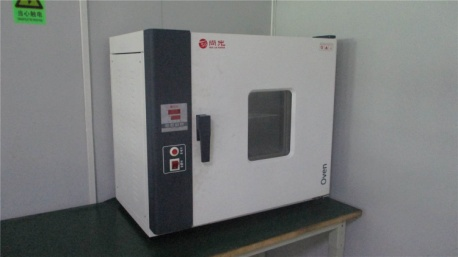
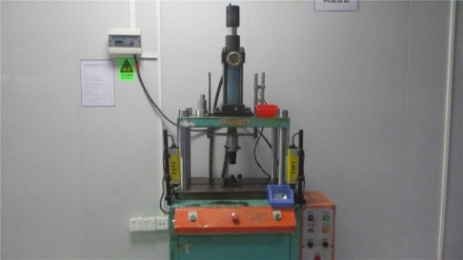
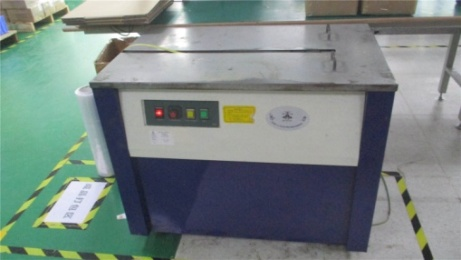
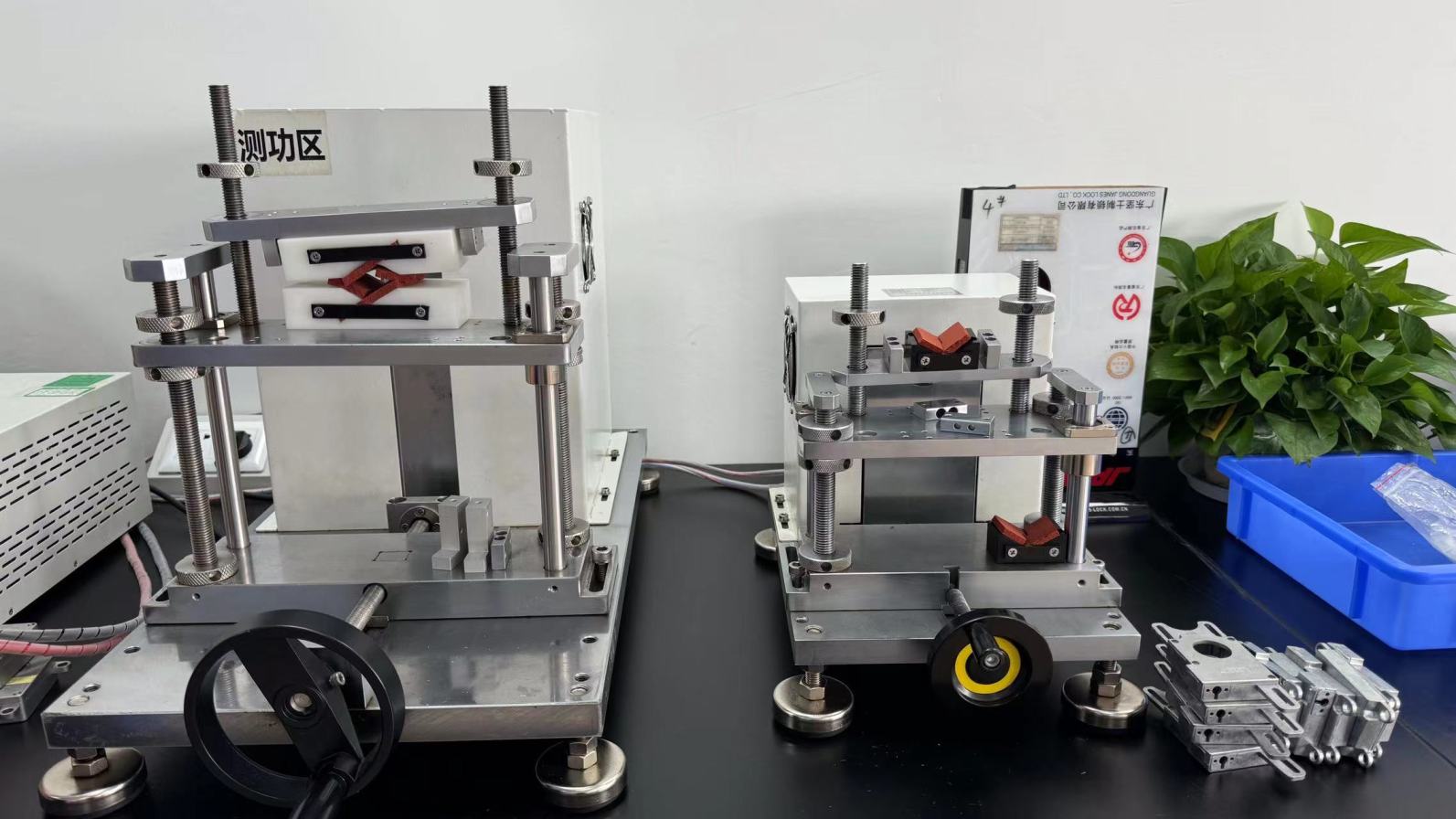
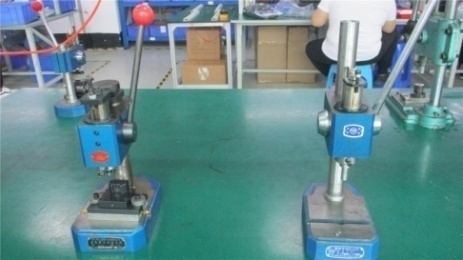
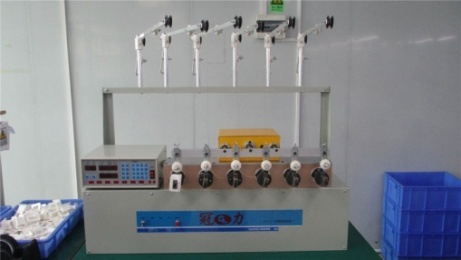
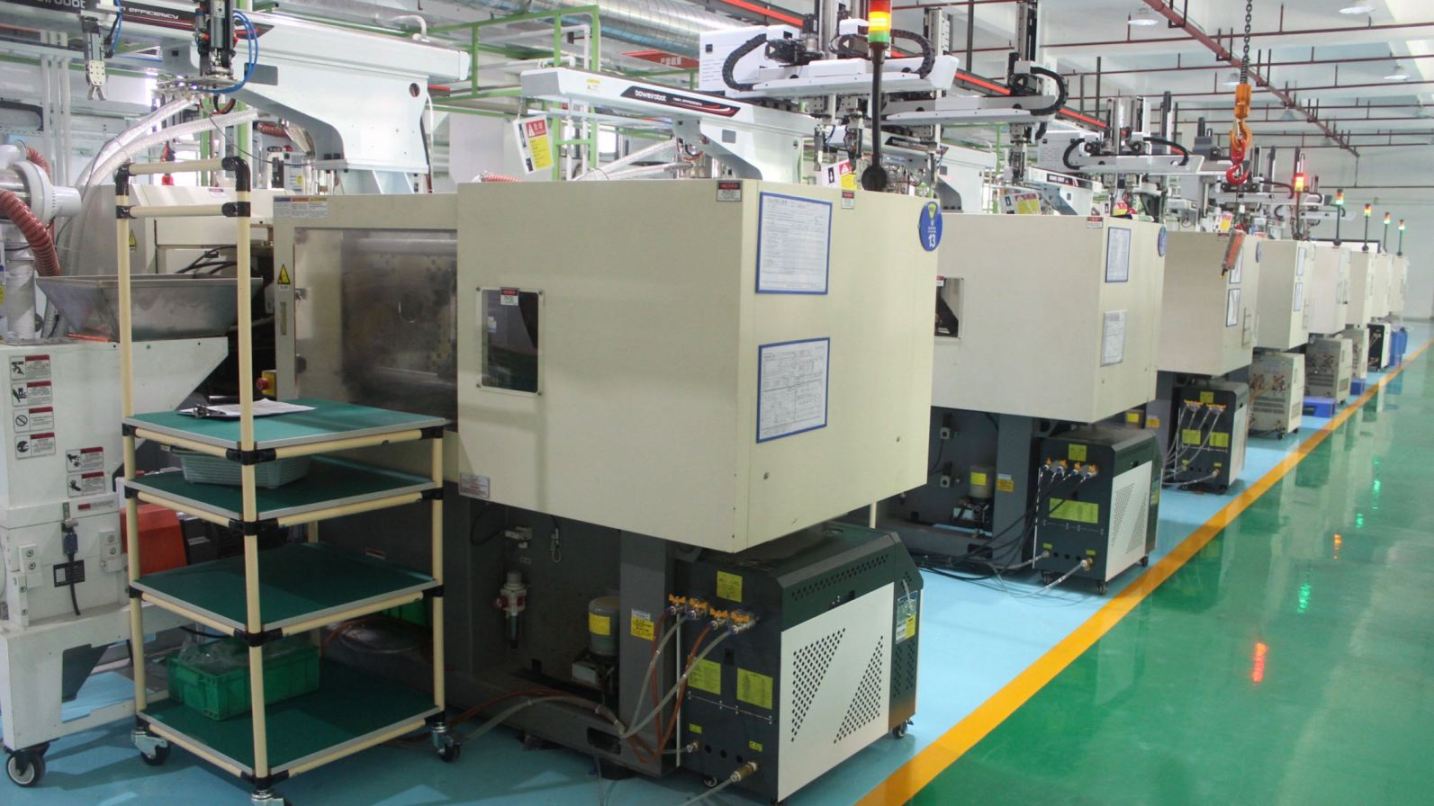
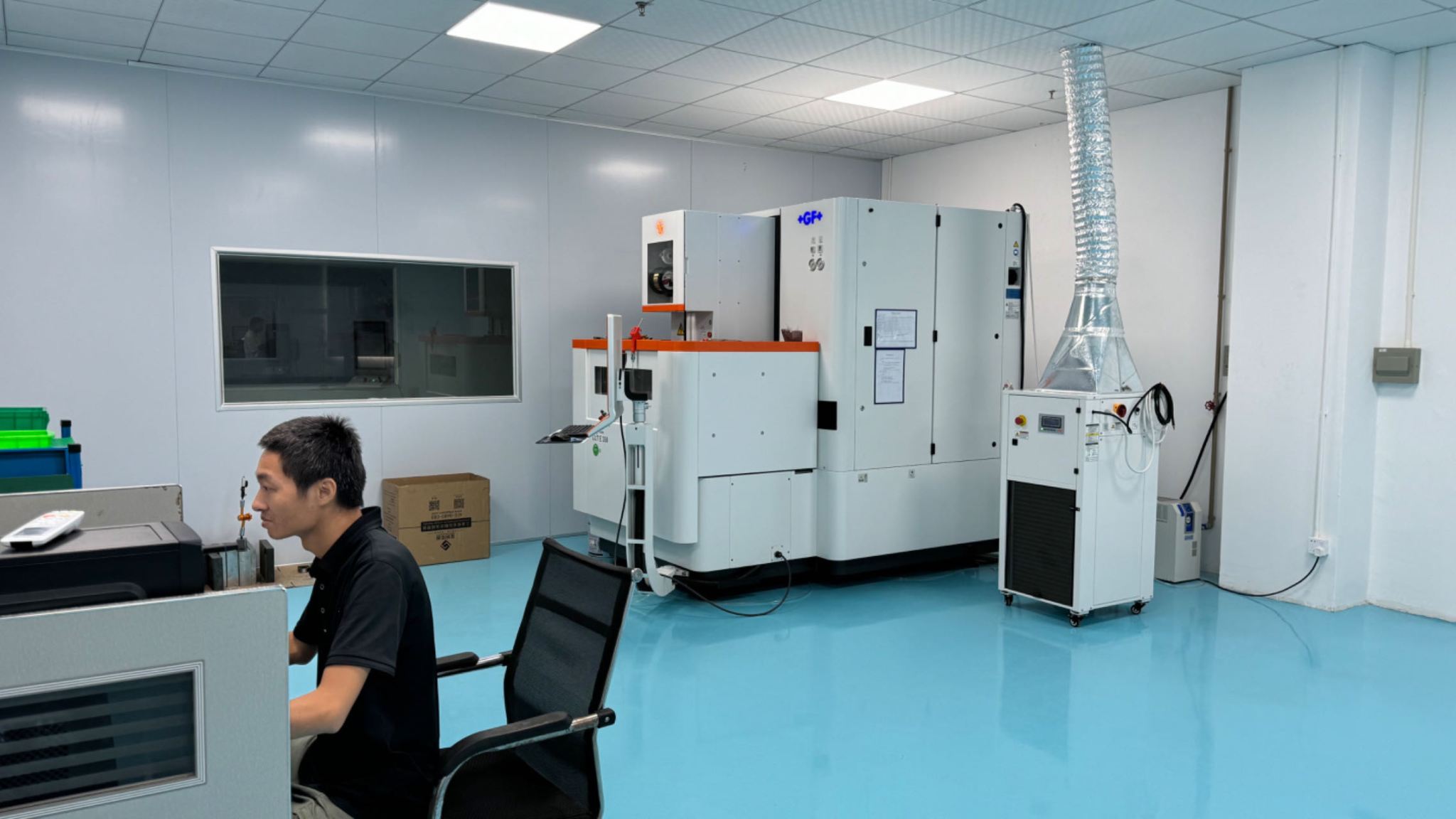
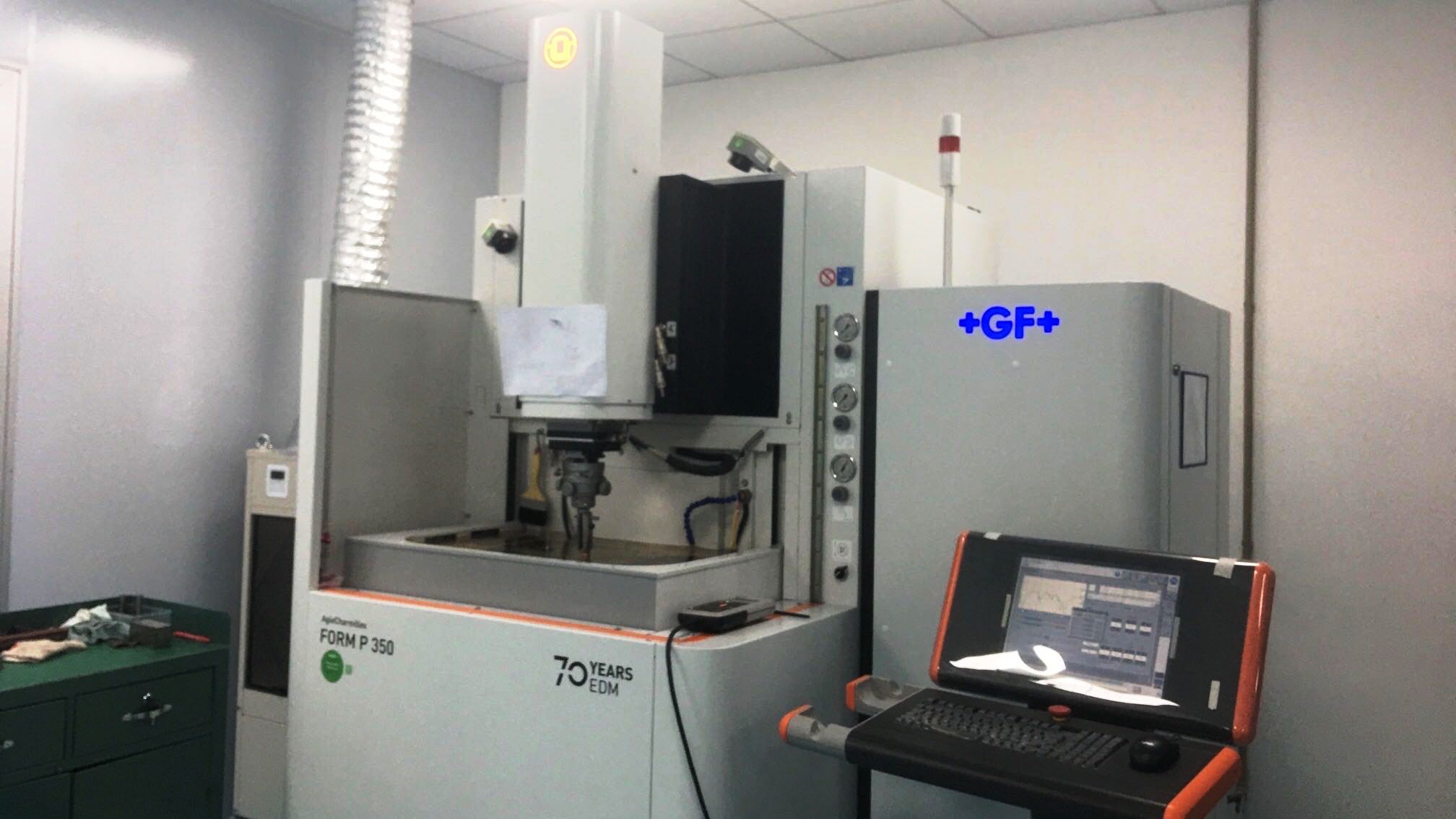
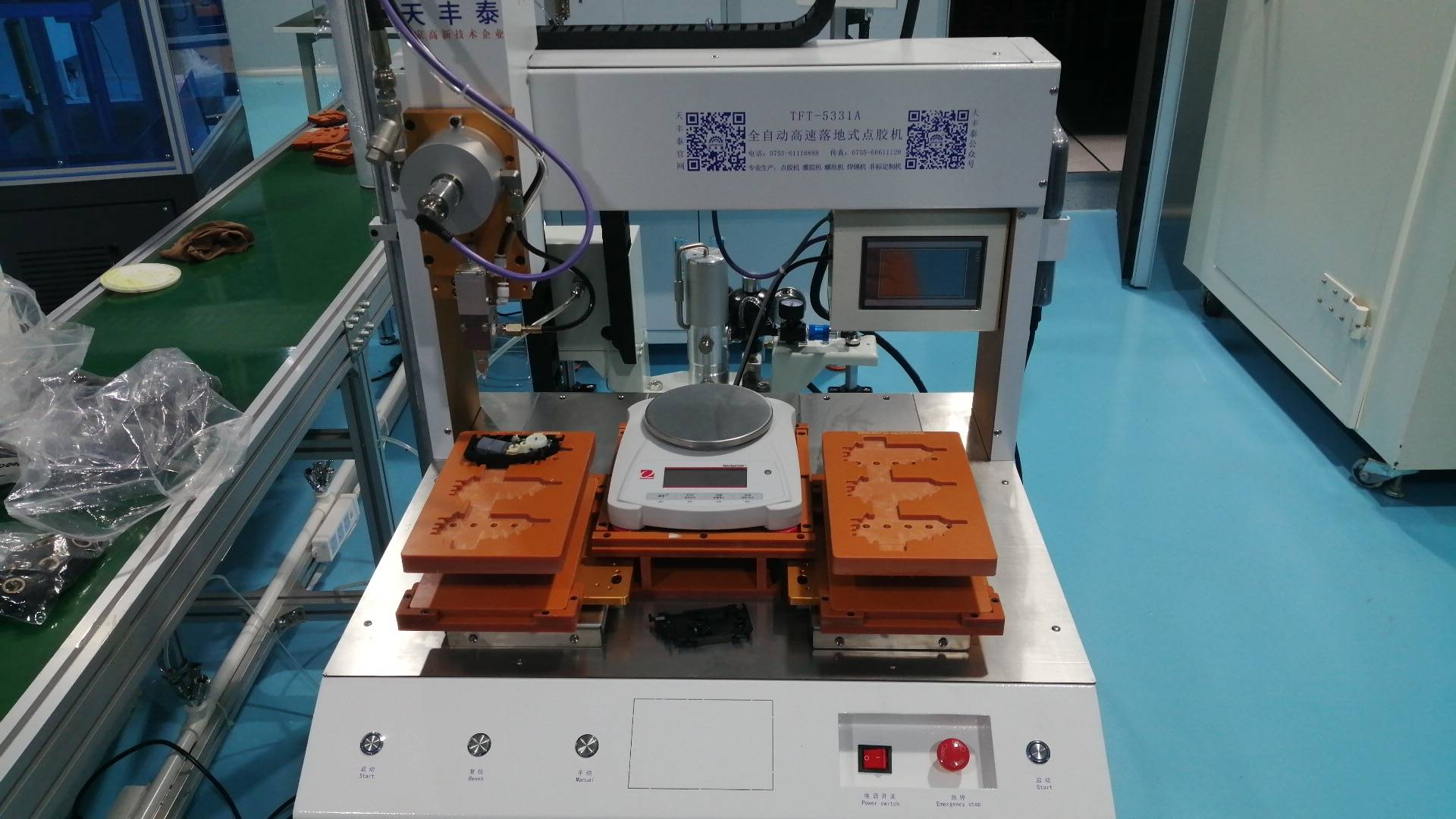
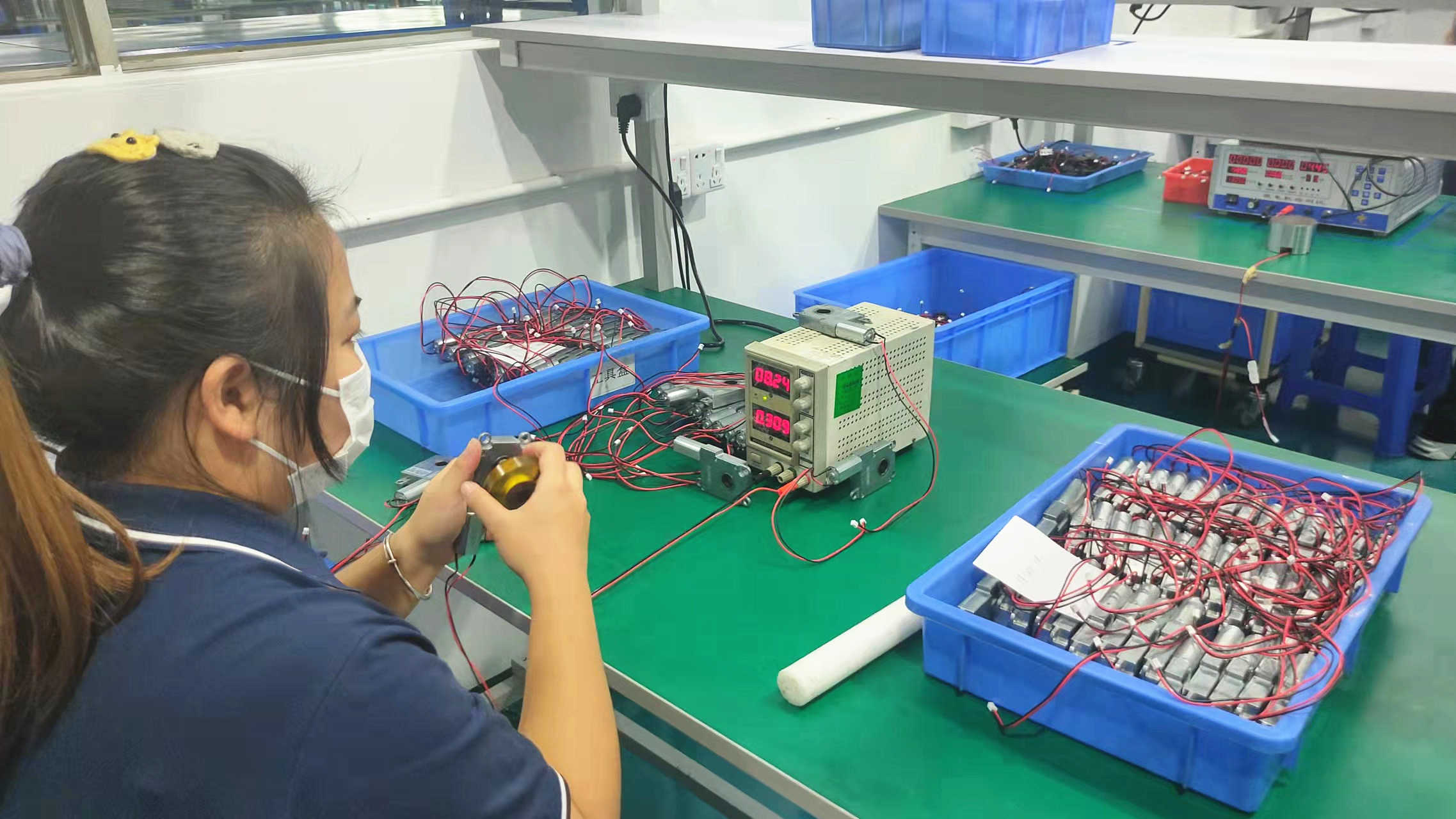
Advanced Manufacturing Equipment
Using precision toolsets and automated machinery to maintain low structural tolerances
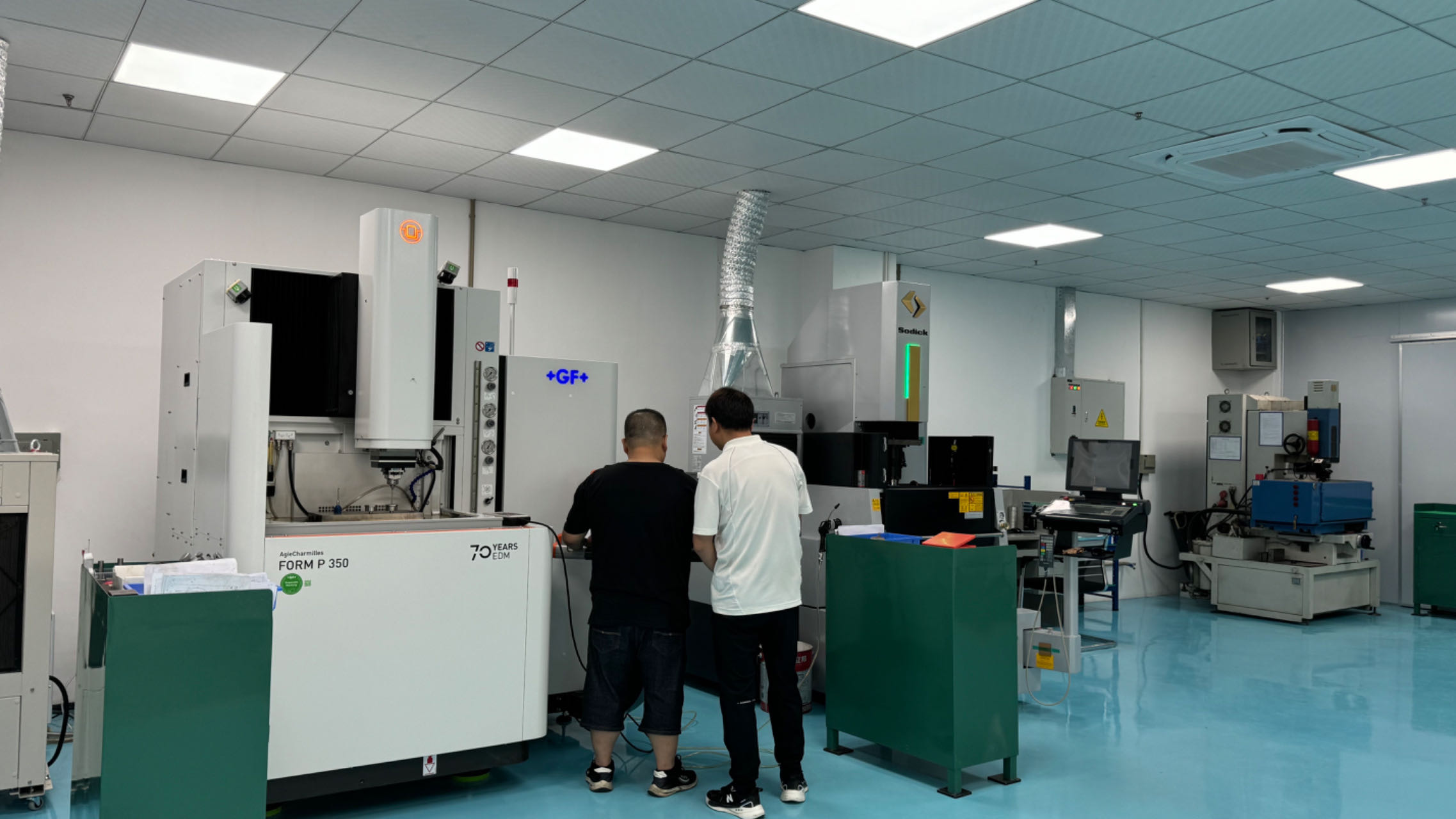
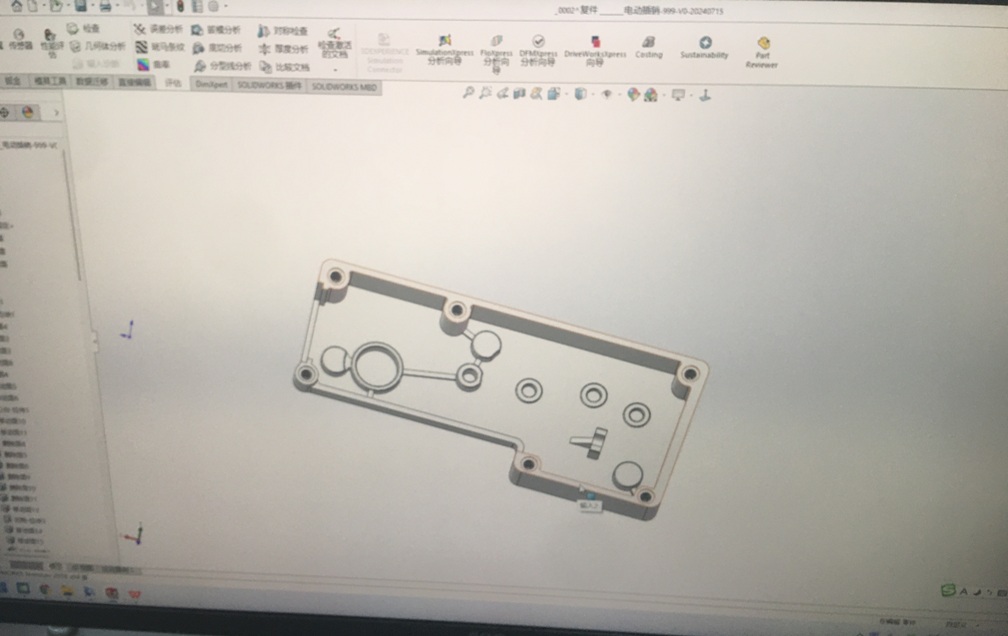
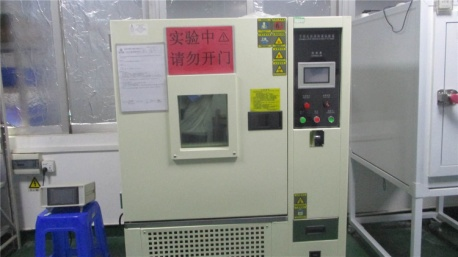
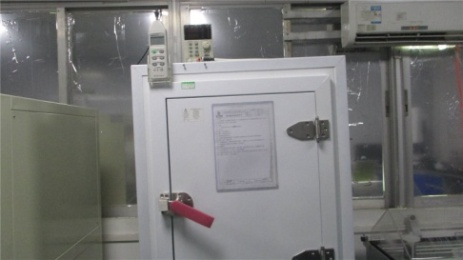
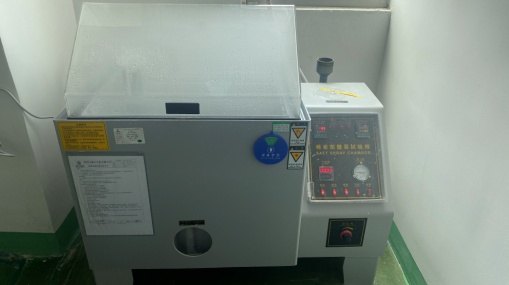
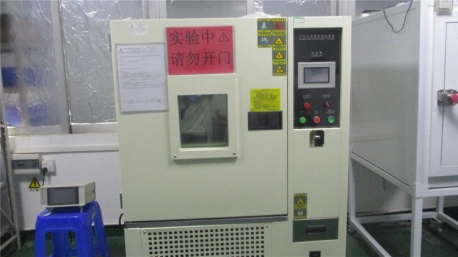
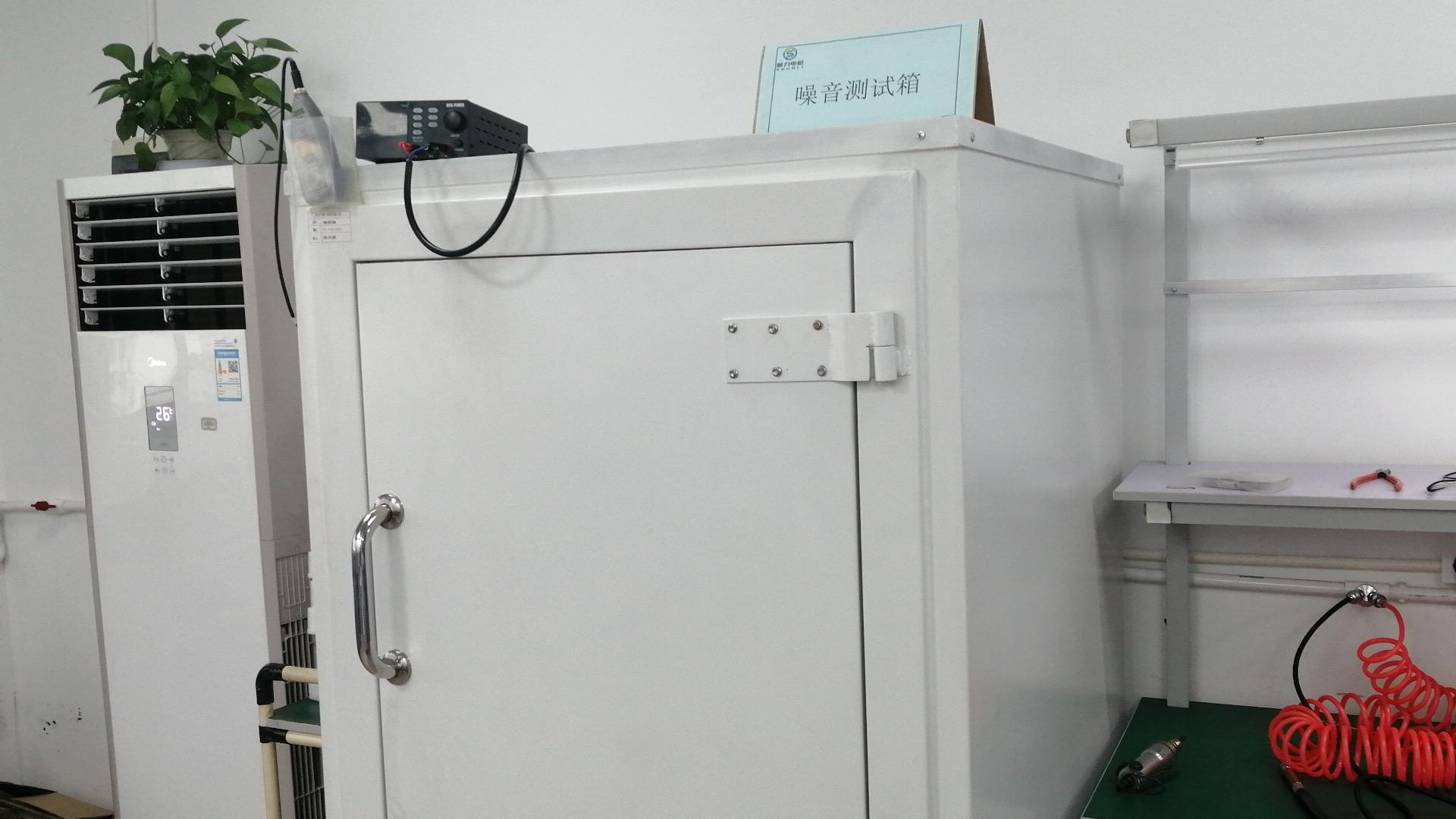
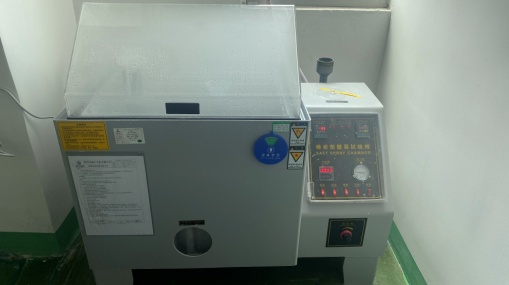
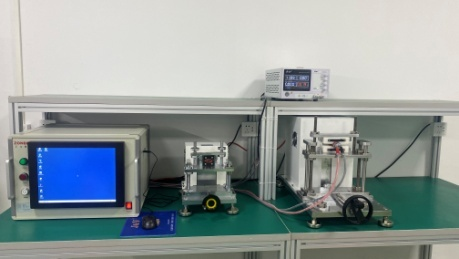
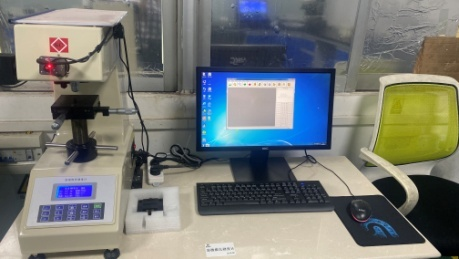
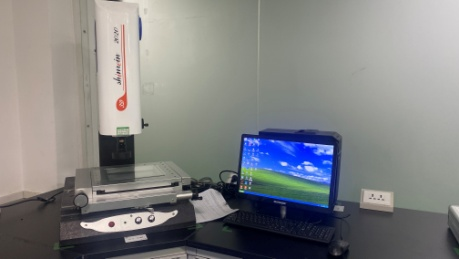
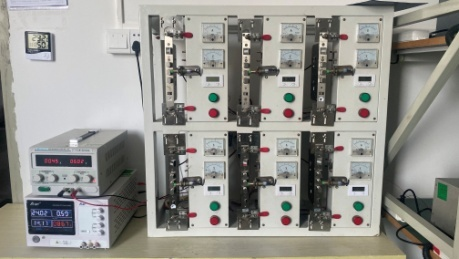
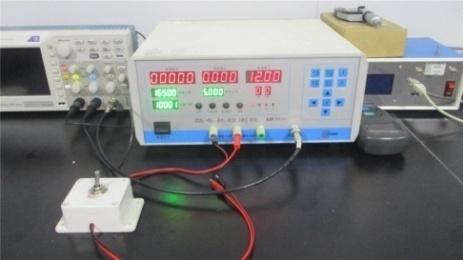
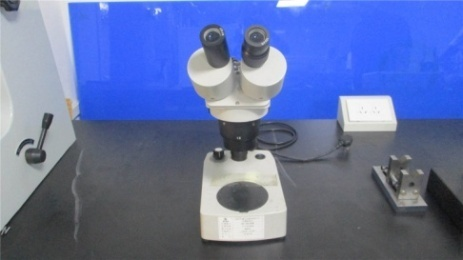
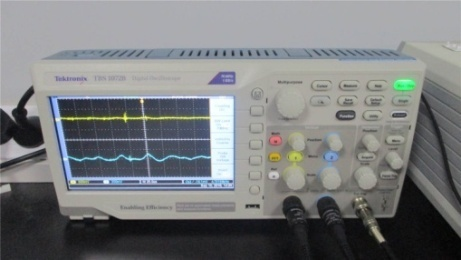
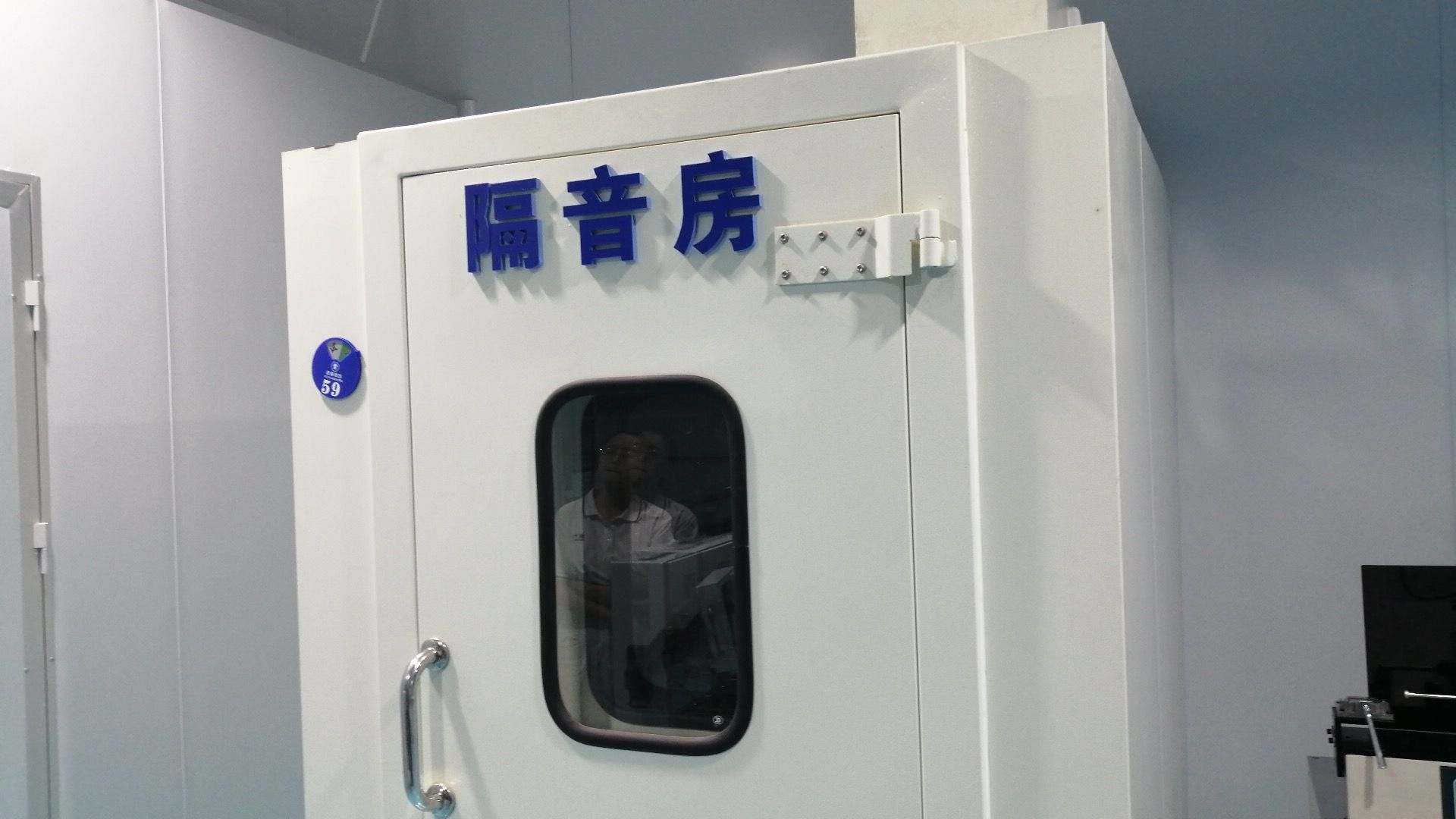
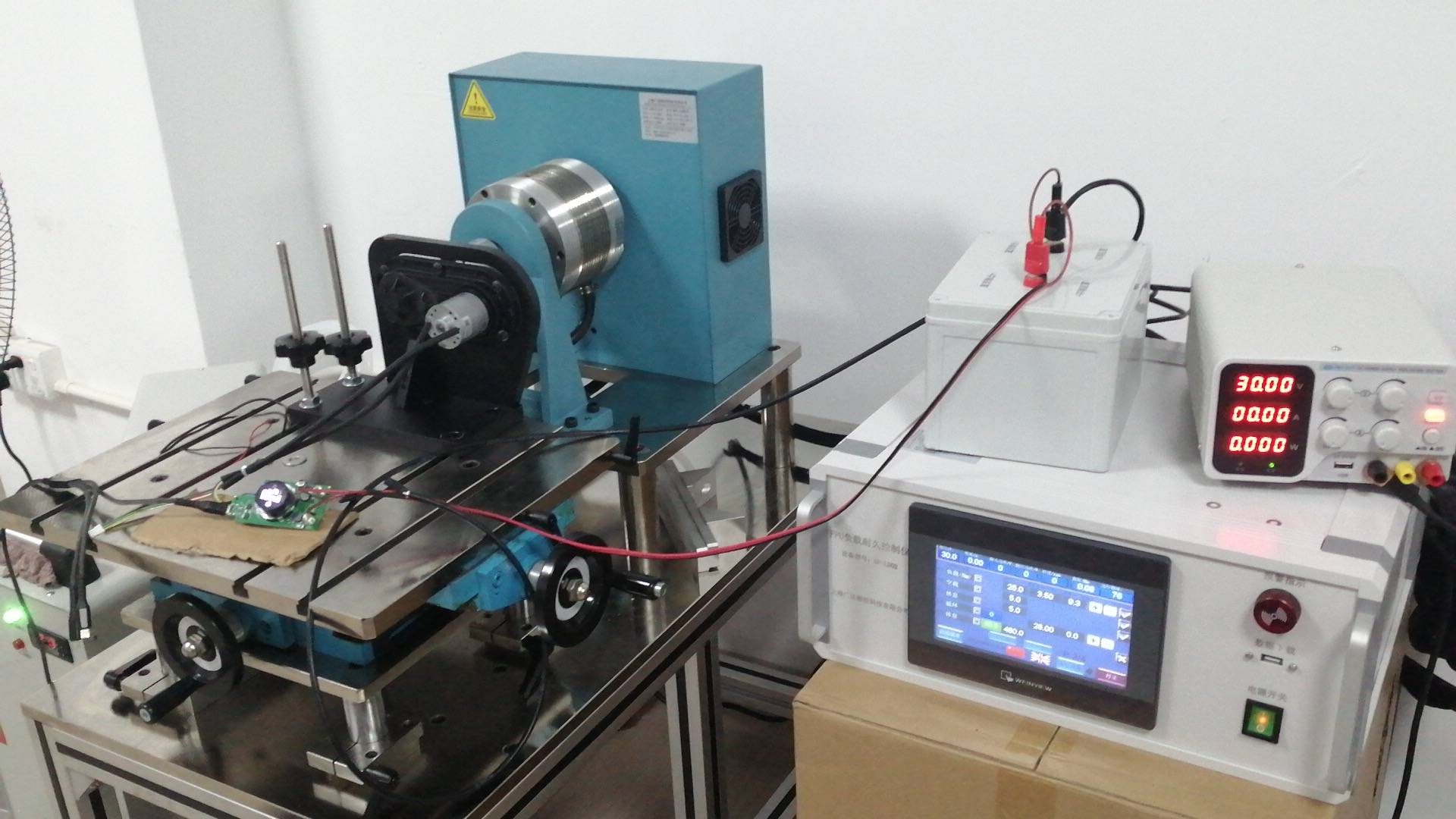
Rigorous Quality Control & Metrology Laboratories
Testing and validation protocols used to maintain motor reliability and life expectancies
Global Technological Route Map: Transitioning to IE4 & IE5 Micro-Systems
Analyzing the shift from traditional brushed architectures to permanent magnet configurations
1. Brushless DC (BLDC) vs. Permanent Magnet DC (PMDC) Motor Types
Engineers are increasingly replacing brushed motors with BLDC motors to improve reliability. Mechanical commutators and carbon brushes in traditional motors wear out over time, producing carbon dust and electrical noise that can interfere with sensitive machinery. BLDC motors solve these issues by using electronic commutation, which eliminates physical contact. This design extends the motor's operating life, allows for higher speeds, and improves heat dissipation since the heat-generating stator windings are located on the motor's outer shell.
While BLDC motors require dynamic control electronics, they offer superior efficiency. This efficiency is critical for modern smart appliances, medical pumps, and automated industrial machines. For simpler, cost-sensitive systems, PMDC motors with carbon or precious metal brushes remain a reliable choice when paired with high-quality gear reduction assemblies.
2. Gearbox Engineering: Spur, Worm, and Planetary Reduction
A motor's efficiency is also shaped by its mechanical gear train. In micro-drive applications, three primary gearbox designs are used based on torque and space constraints:
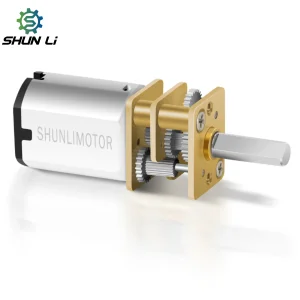
- Spur Gearboxes: These offer a cost-effective design with low friction loss, making them ideal for low-torque, high-speed applications. However, they can produce more noise at higher speeds and have lower power density.
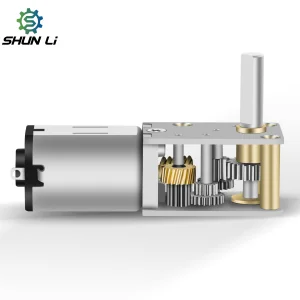
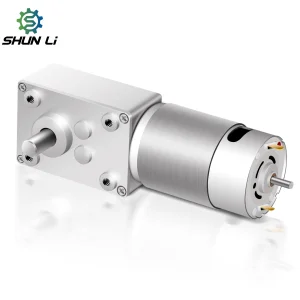
- Worm Gearboxes: By using a worm screw to drive a matching gear wheel, worm gearboxes achieve high gear reduction ratios in a compact, 90-degree layout. They also provide self-locking capability, which prevents back-driving. They do, however, experience higher sliding friction losses, which can reduce efficiency.
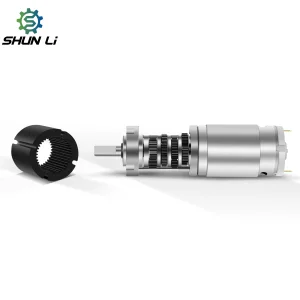
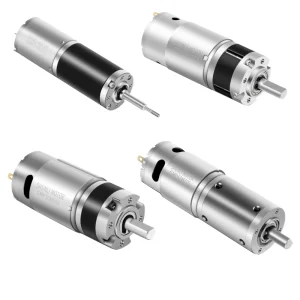
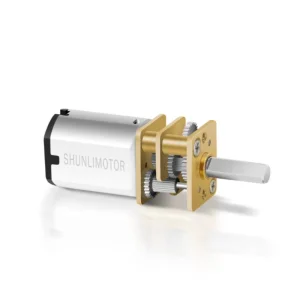
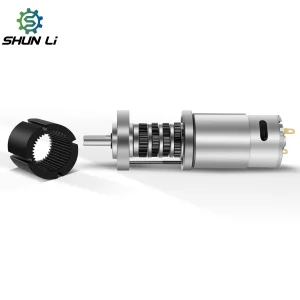
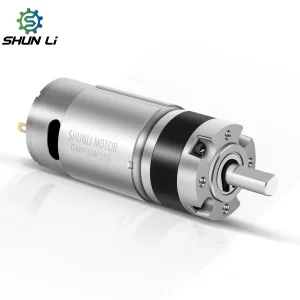
- Planetary Gearboxes: By sharing loads across multiple planet gears, these gearboxes provide high torque density, low backlash, and excellent mechanical efficiency (often exceeding 90% per stage) in a coaxial layout. This makes them the preferred choice for precise robotic assemblies and smart medical pumps.
Technical Q&A / Frequently Asked Questions (FAQ)
In-depth engineering answers targeting search intent and structural integration query patterns
Complete Motion Systems Portfolio
Explore our full range of DC gear motors, stepper drives, and custom worm gear systems