DC Motor B2B
Featured Micro-Drive Solutions
The Global Landscape of DC Micro Vibration Motor Manufacturing
As a premier DC micro vibration motor manufacturer, DQC recognizes the seismic shift in the global industrial landscape. The demand for miniaturized, high-efficiency motion components has transcended traditional consumer electronics. Today, we are witnessing a convergence of IoT (Internet of Things), advanced robotics, and wearable medical technology, all of which require precise haptic feedback and miniature drive systems.
The global micro motor market is projected to grow significantly as industries transition toward "Industry 4.0." China remains the central hub for manufacturing excellence, combining sophisticated supply chains with advanced metallurgical research. However, being a leading exporter requires more than just production capacity; it demands a deep commitment to E-E-A-T principles—ensuring that every unit shipped meets rigorous international standards for safety, durability, and electromagnetic compatibility.
Deep Technical Expertise: Packing Torque into Miniature Spaces
At DQC, our expertise lies in the micro-details of motion. Inside a premium robotic joint, an automated medical pump, or a high-end smart lock, space is the ultimate luxury. We measure our success in micrometers and decibels. Our mission is to take advanced, heavy-duty rotational power and compress it into the most compact, energy-efficient footprints imaginable.
Our precision engineering involves several critical layers:
- Precision-Wound Copper Rotors: We use high-purity oxygen-free copper to maximize conductivity and reduce heat generation.
- Japanese Dynamic Balancing: Every motor undergoes balancing to eliminate unwanted oscillations, crucial for longevity and noise reduction.
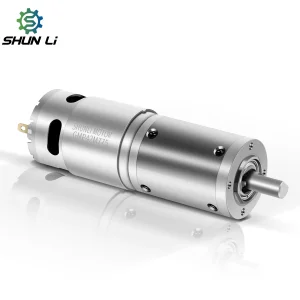
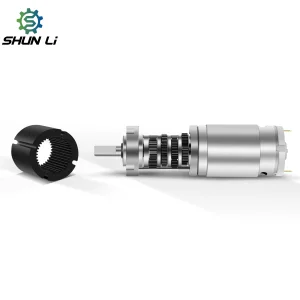
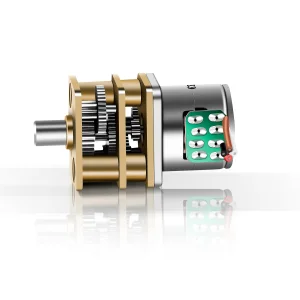
- Zero-Backlash Gear Trains: Our planetary gearboxes are machined to tolerances of ±0.005mm, ensuring fluid motion for sensitive applications.
Industry Trends: The Evolution of Haptic Feedback & Drive Systems
The industry is moving away from basic "vibration" toward "HD Haptics." This involves:
1. Linear Resonant Actuators (LRA) vs. ERM: While Eccentric Rotating Mass (ERM) motors remain cost-effective for generic alerts, LRAs are gaining ground in high-end smartphones and VR controllers due to their faster response times and longer lifespans.
2. Integration of AI & Sensors: Smart motors now include integrated encoders that provide real-time feedback to AI controllers, allowing for adaptive torque adjustments based on environmental resistance.
3. Sustainability in Materials: There is a growing focus on using recyclable rare-earth magnets and lead-free soldering to meet stringent global environmental regulations like REACH and RoHS.
Localized Application Scenarios: From Smart Cities to Personal Health
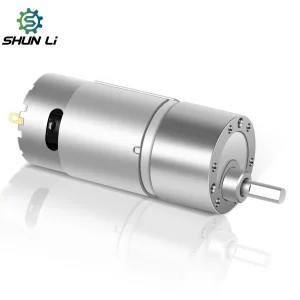
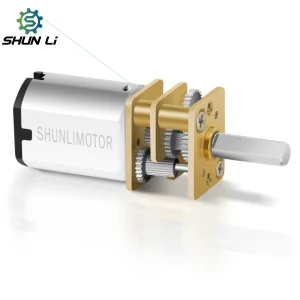
Smart Home Security: In North America and Europe, the boom in smart locks requires N20 and N30 DC gear motors that can provide high starting torque to overcome physical resistance while maintaining low power consumption for multi-year battery life.
Medical Devices: In surgical robotics and wearable insulin pumps, micro motors must exhibit near-zero electromagnetic interference (EMI) to ensure they don't disrupt sensitive clinical monitoring equipment.
Industrial Automation: For localized factory automation in Asian markets, high-speed brushless DC motors are being utilized in miniature conveyor systems and automated inspection probes, where maintenance-free operation for over 10,000 hours is a baseline requirement.
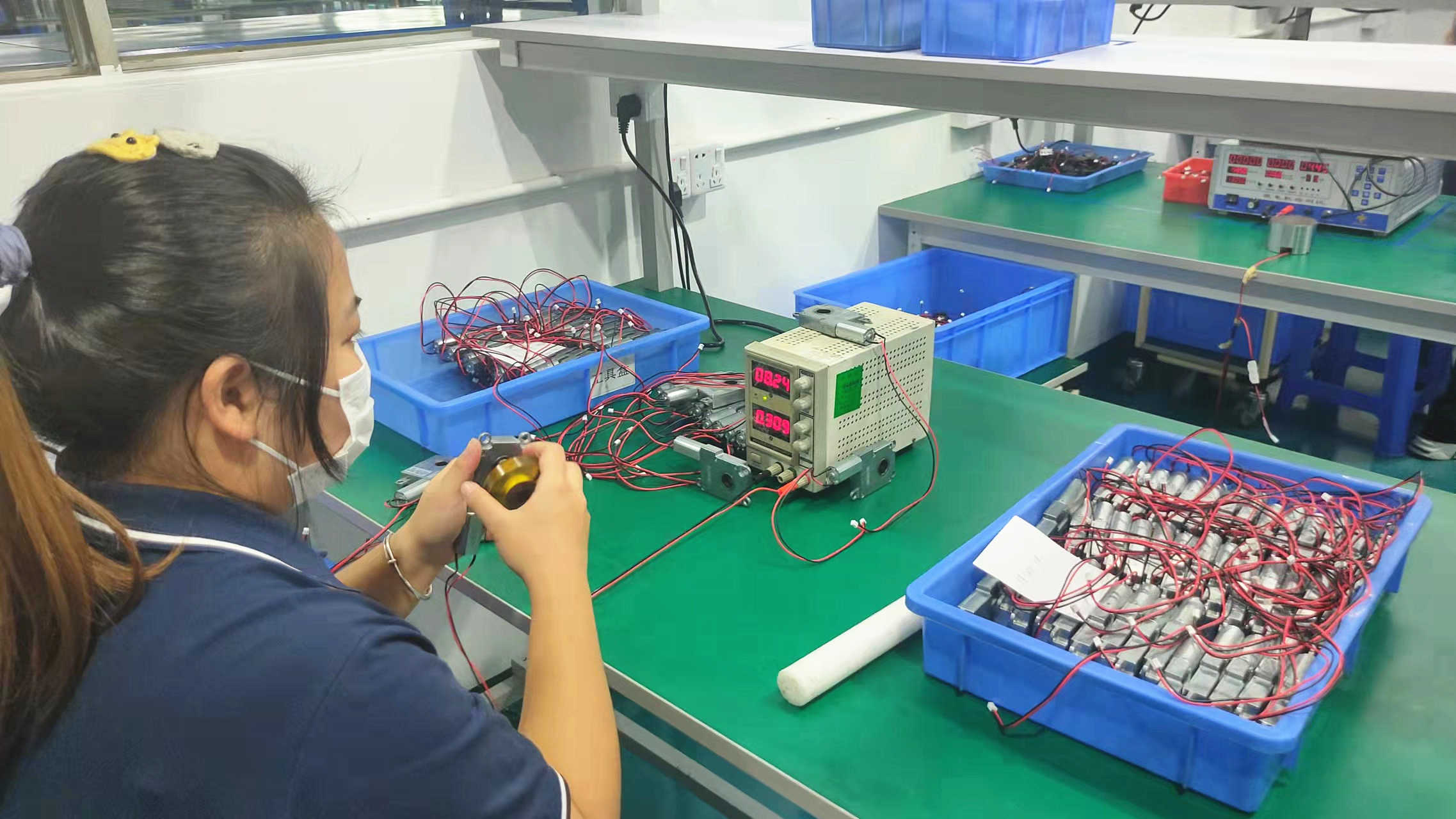
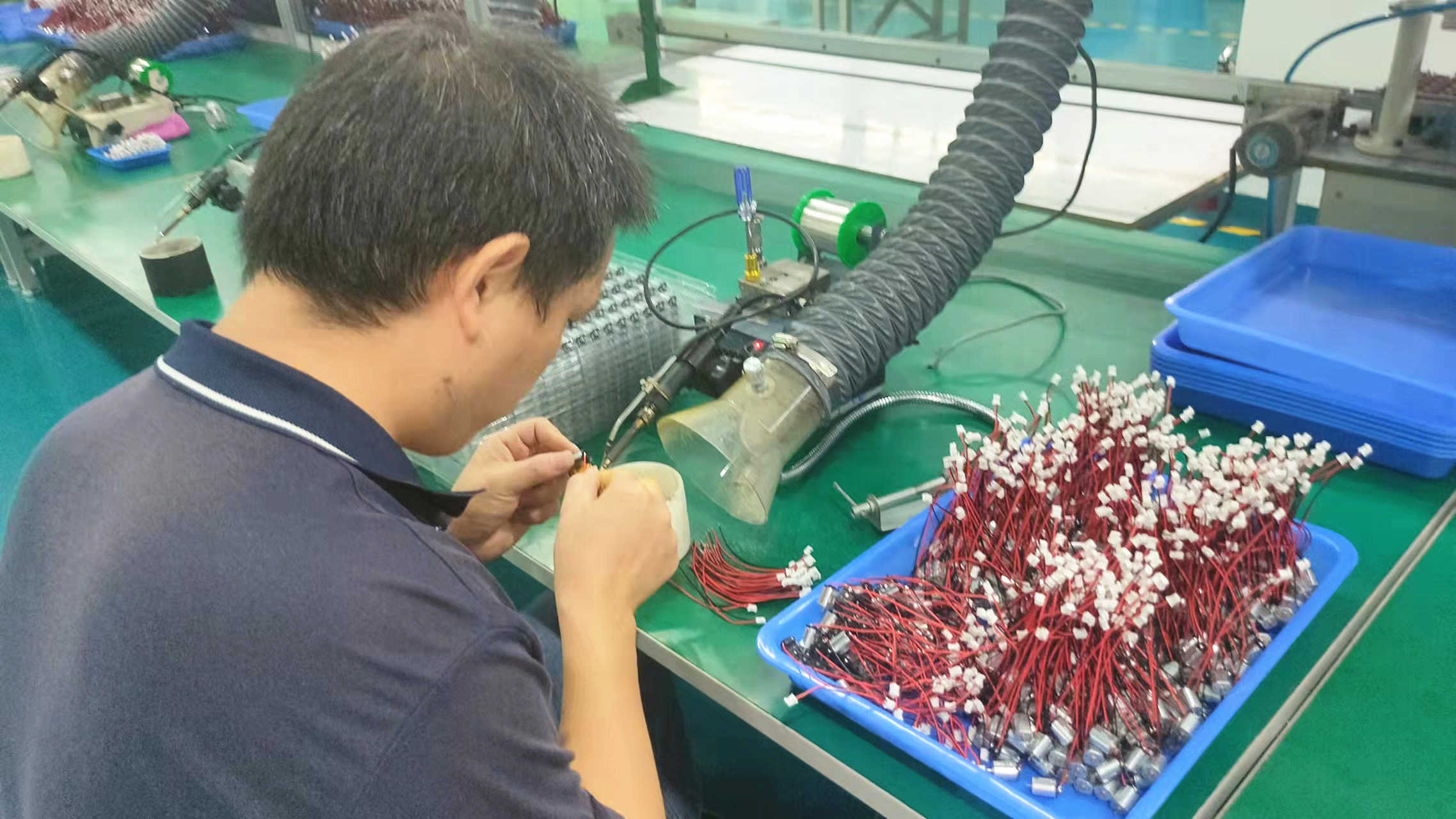
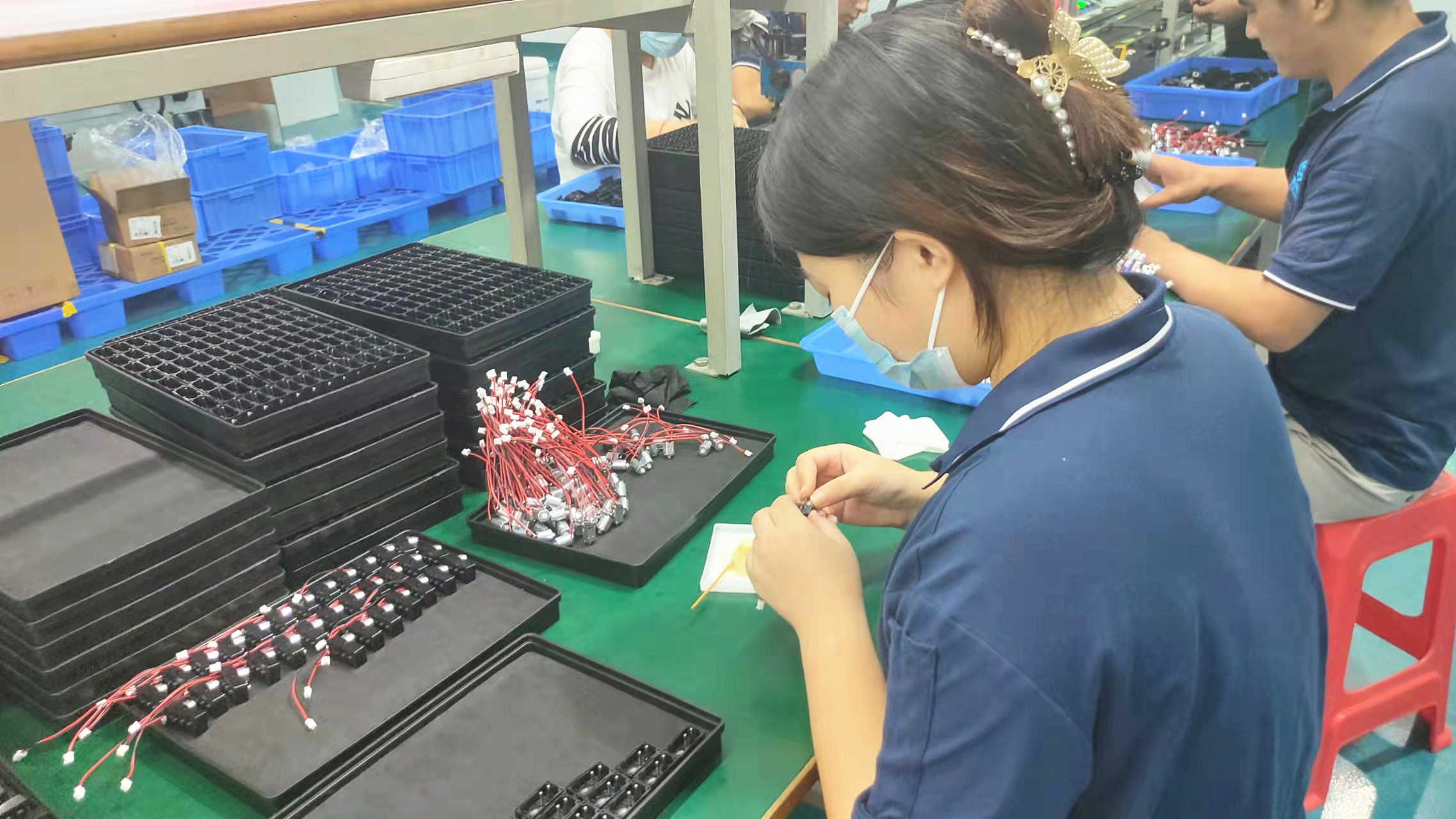
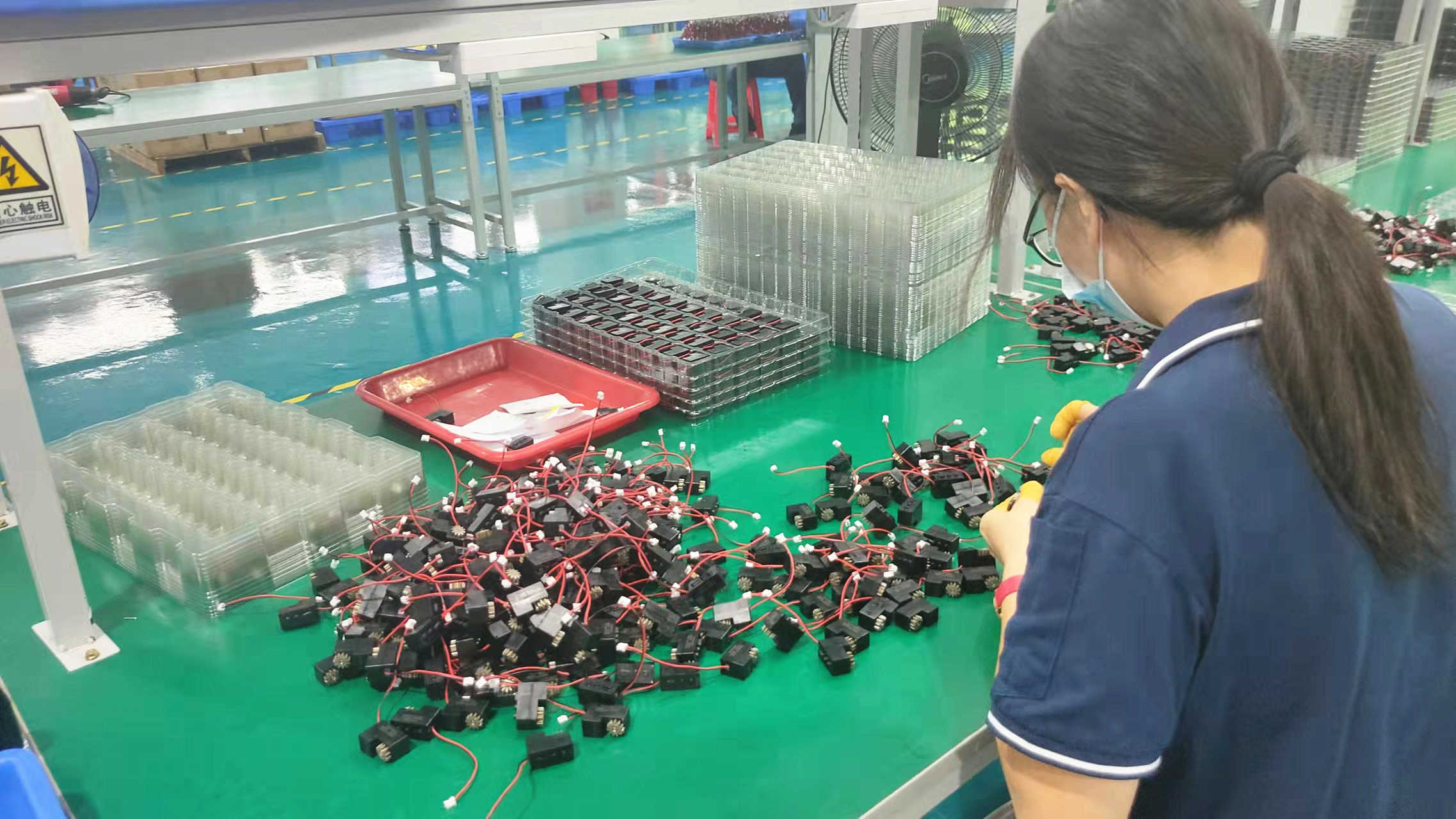
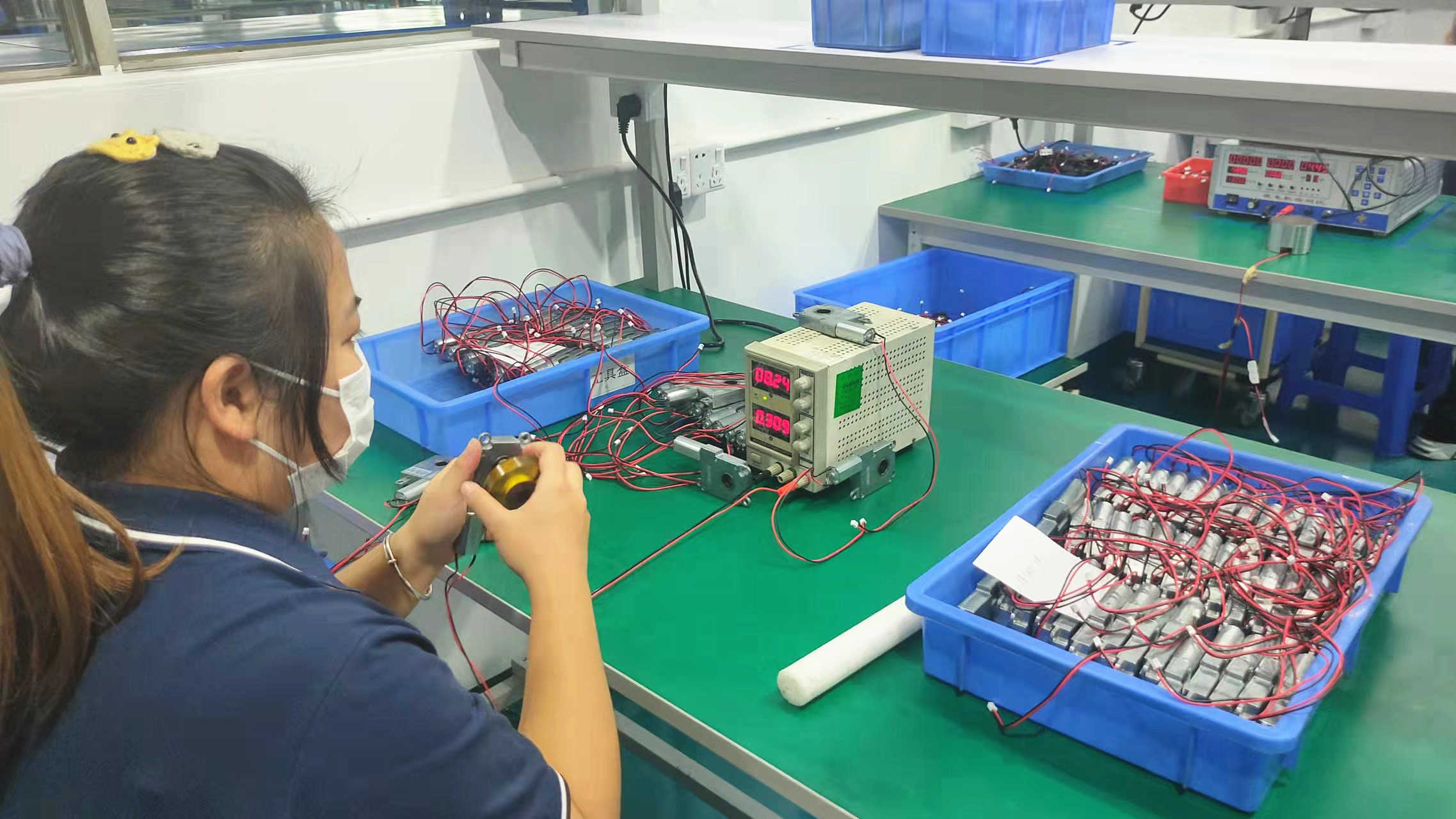
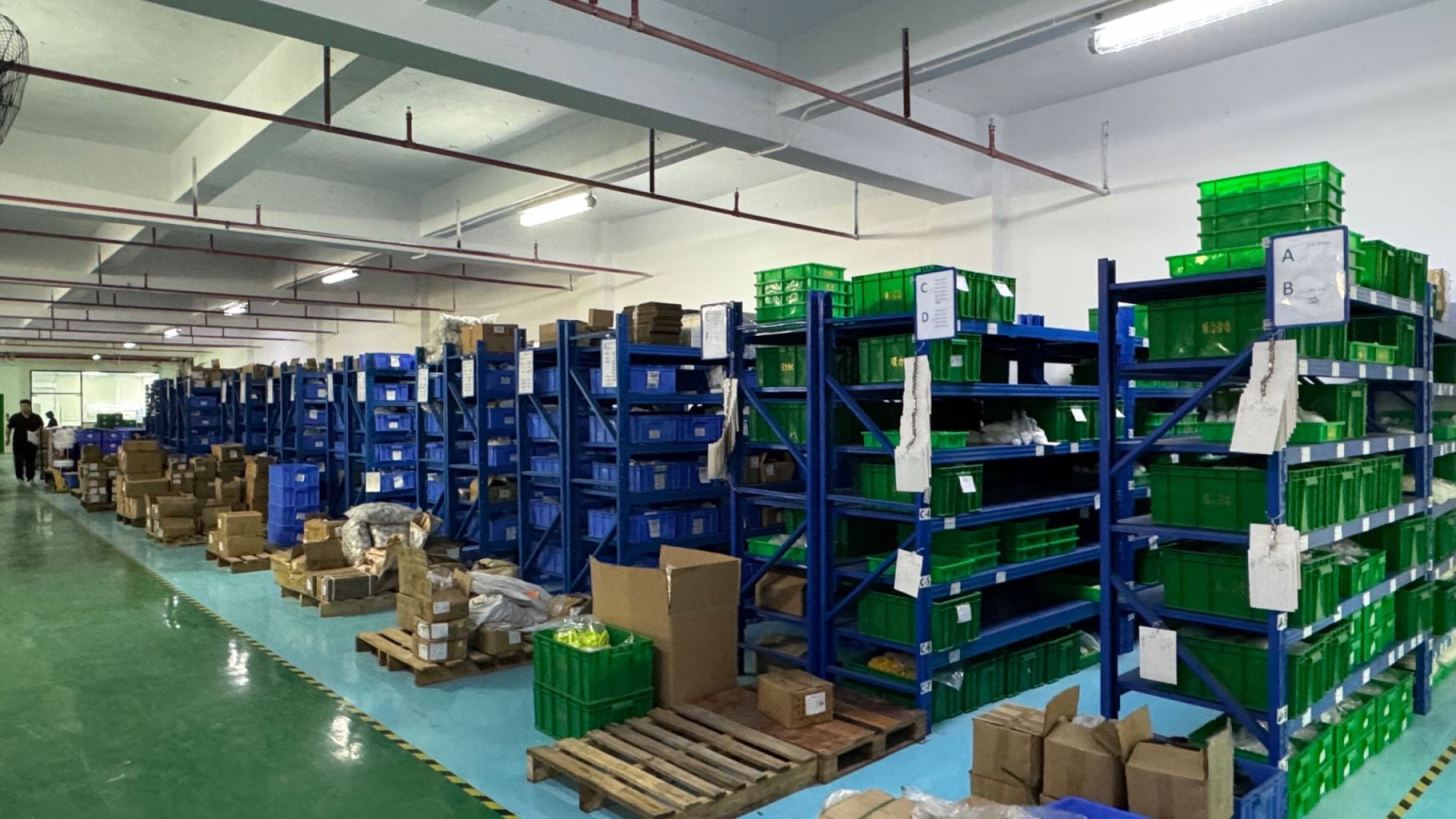
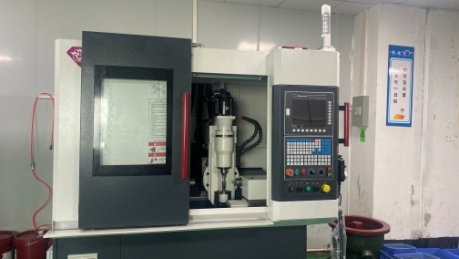
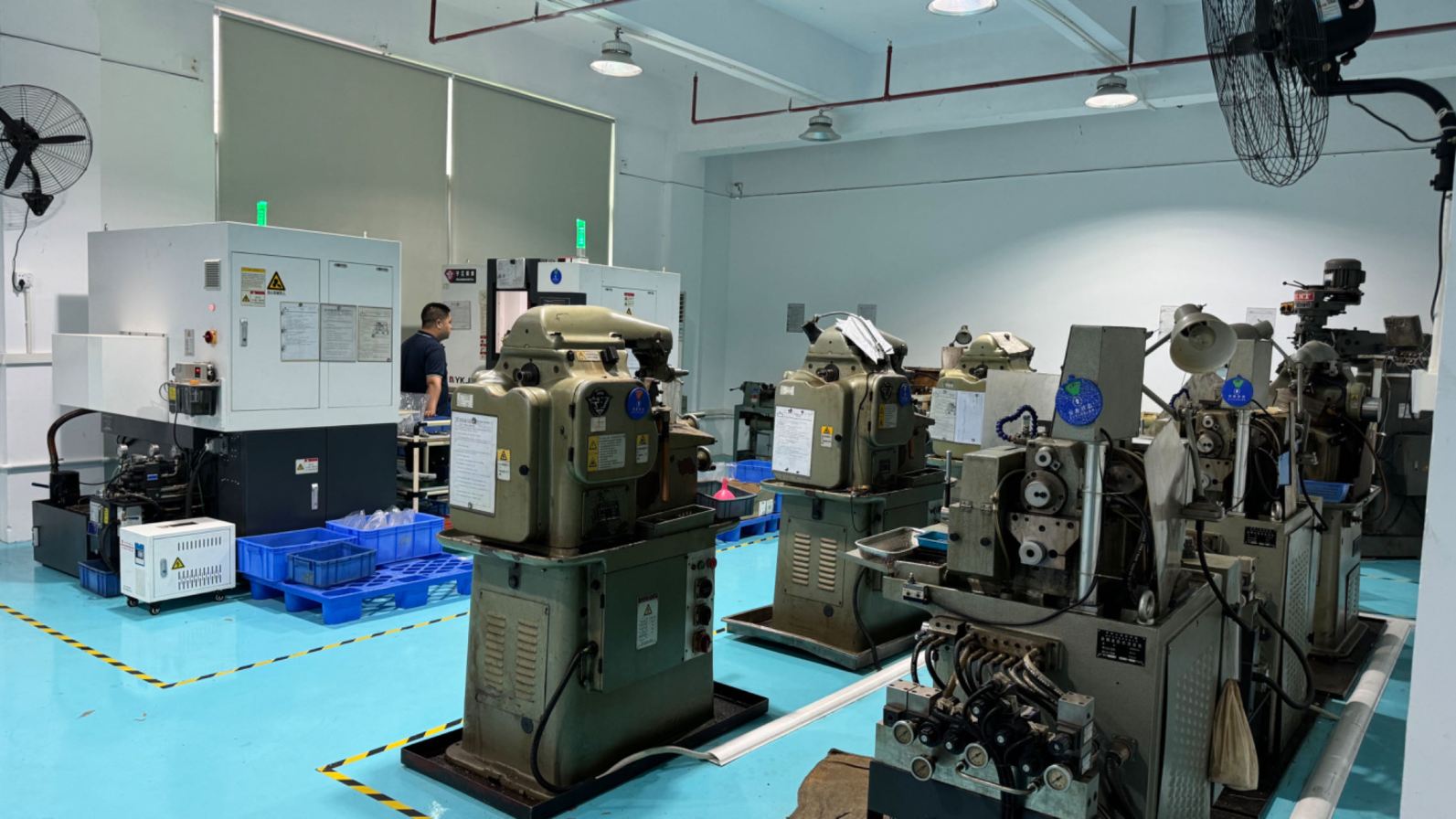
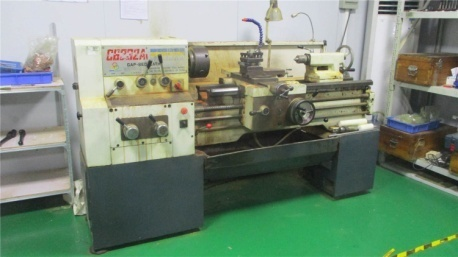
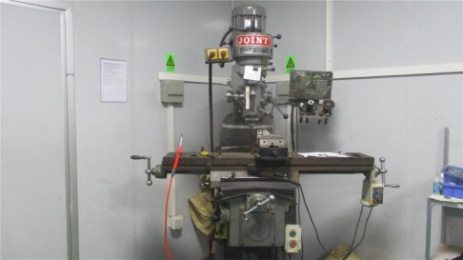
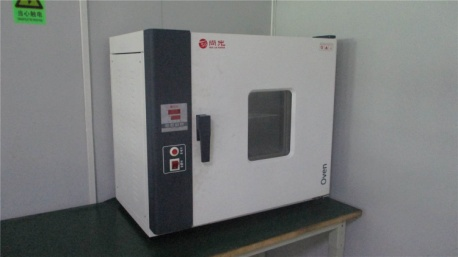
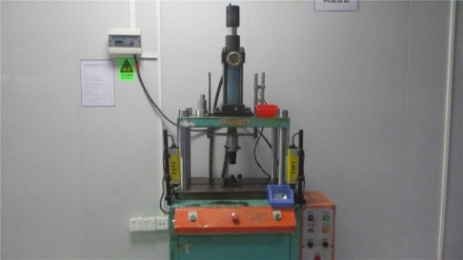
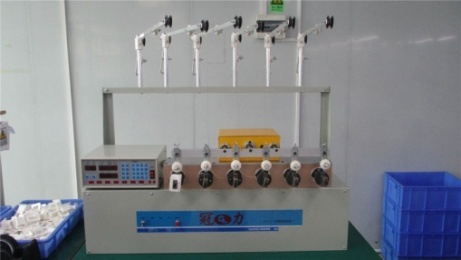
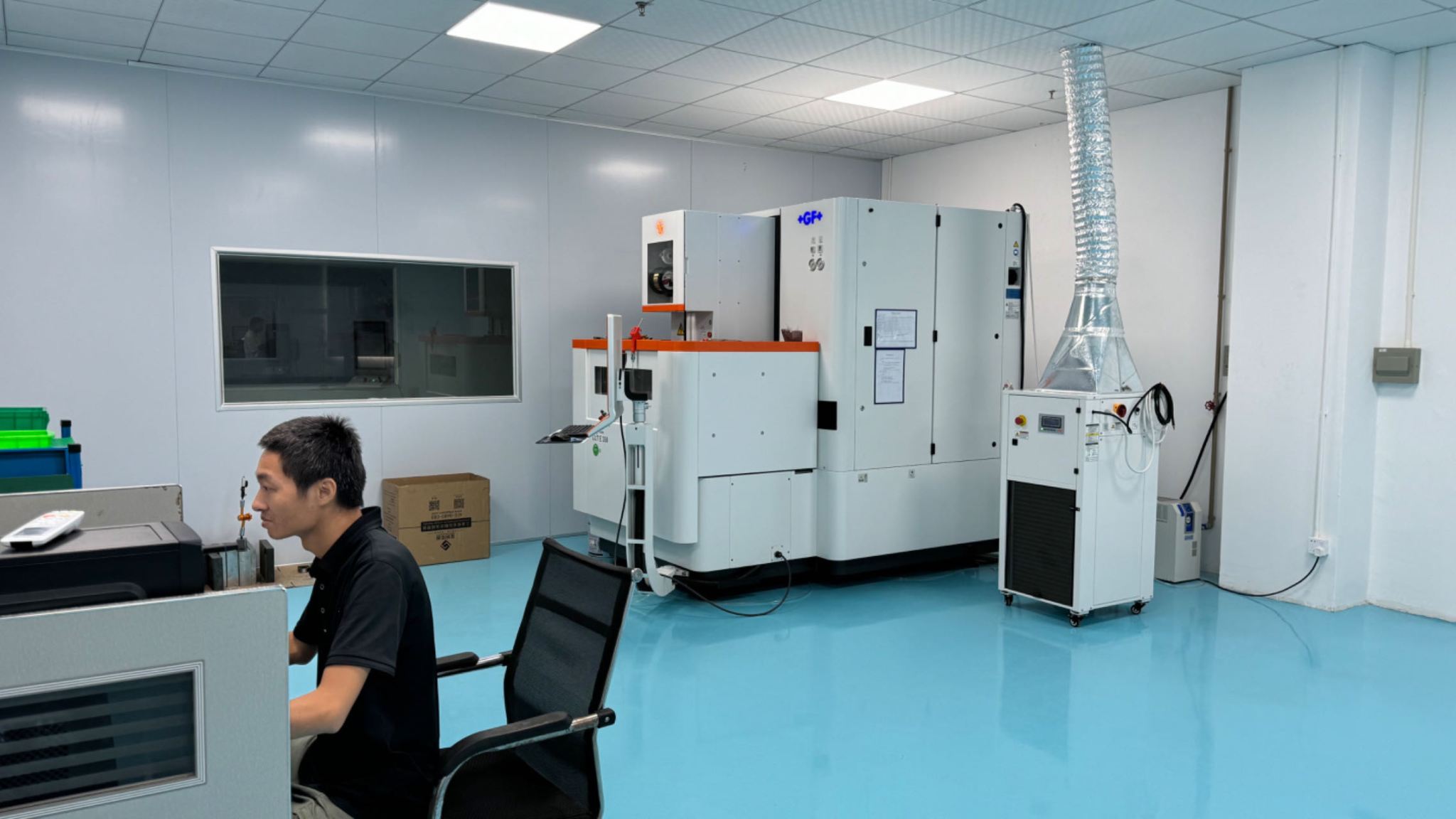
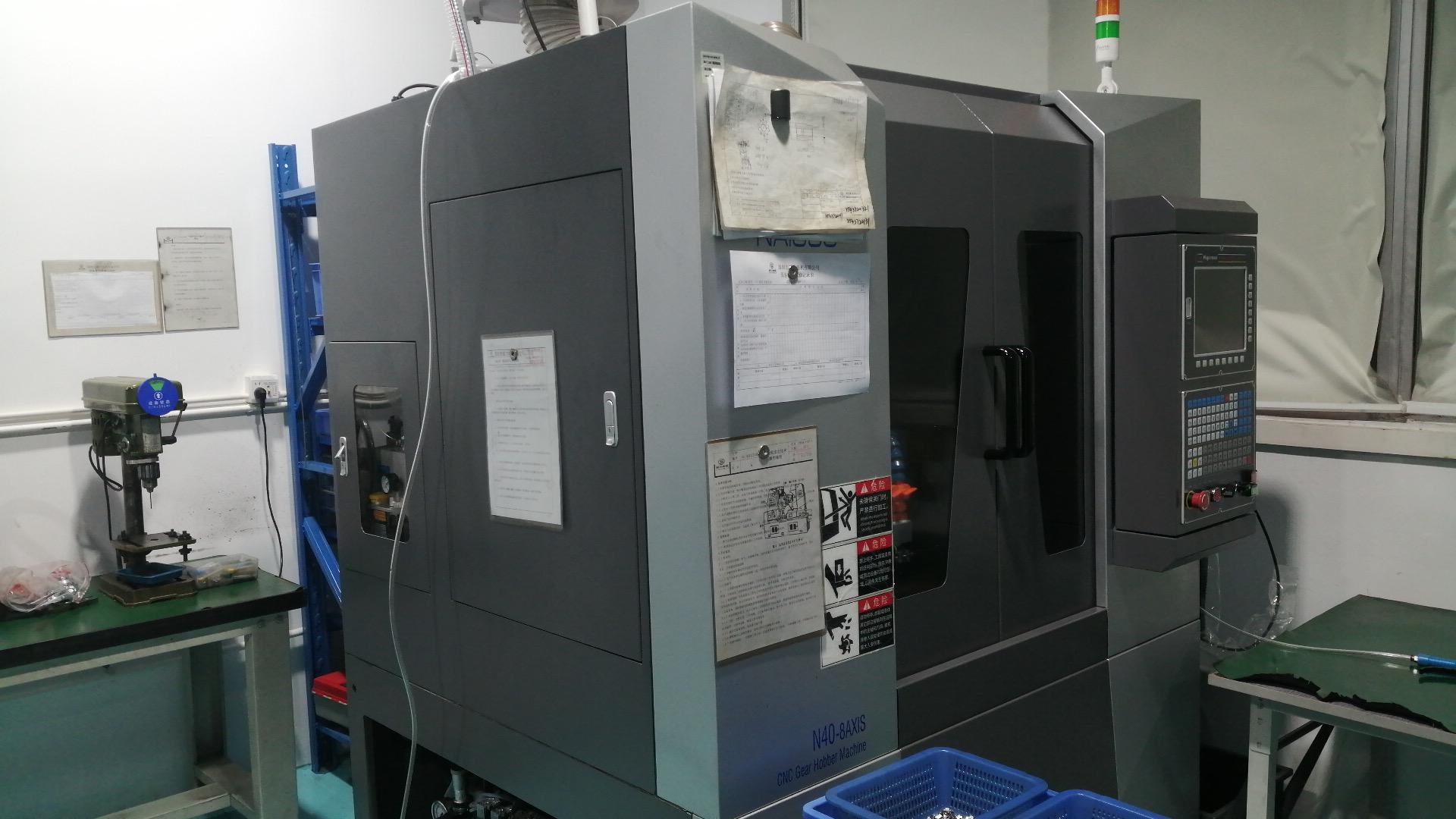
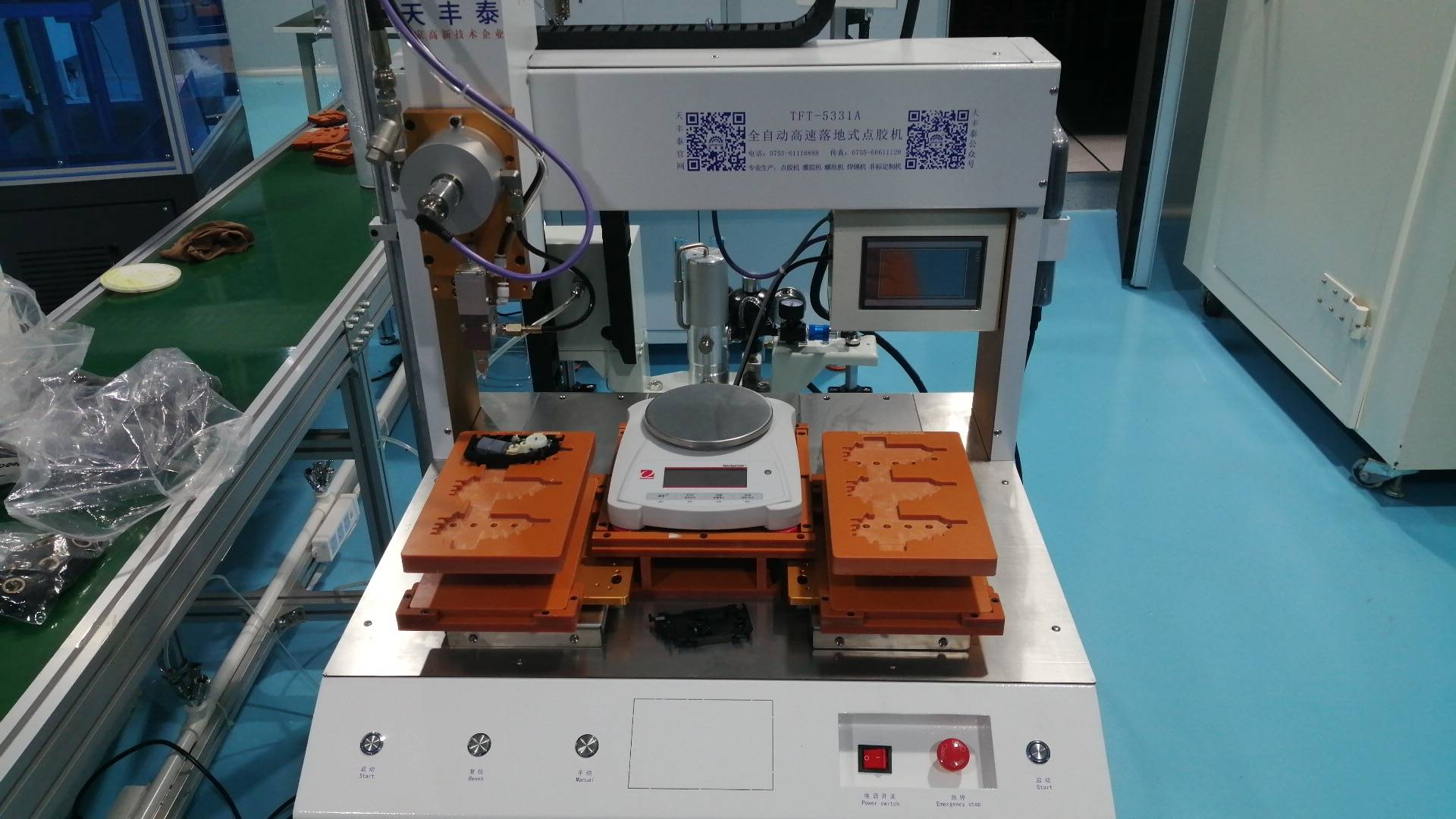
Manufacturing Mastery: A Look Inside the DQC Facility

Technical Roadmap & Future Outlook
The next decade of DC micro motor technology will be defined by "Efficiency and Intelligence." We are currently developing integrated drive modules that combine the motor, gearbox, and controller into a single "smart actuator."
Our roadmap includes:
- 2024-2025: Mainstreaming of ultra-compact (under 4mm) stepper motors for AR/VR lens adjustment.
- 2026-2027: Development of high-torque-density motors using new neodymium-iron-boron grades to increase power output by 20% without increasing size.
- 2028 and Beyond: Zero-maintenance brushless motors designed for deep-space and long-term remote infrastructure applications.
Quality Assurance: Reliability as a Core Value
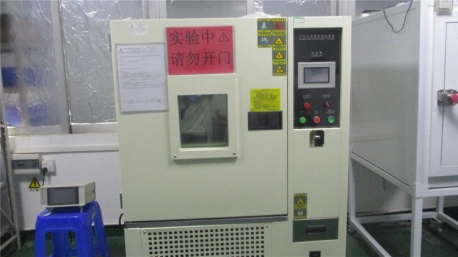
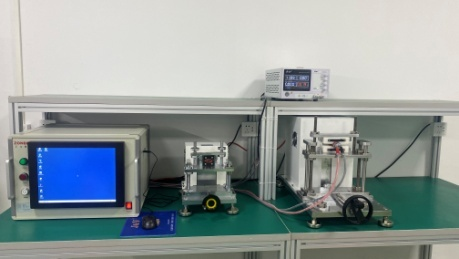
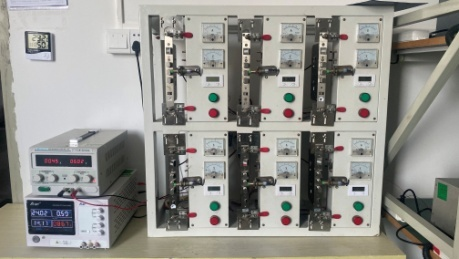
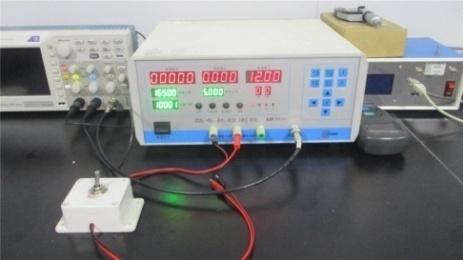
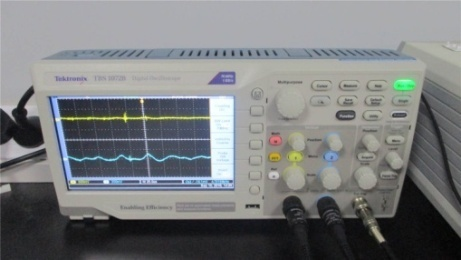
To maintain our status as a trusted exporter, we invest heavily in testing. Every batch of motors undergoes:
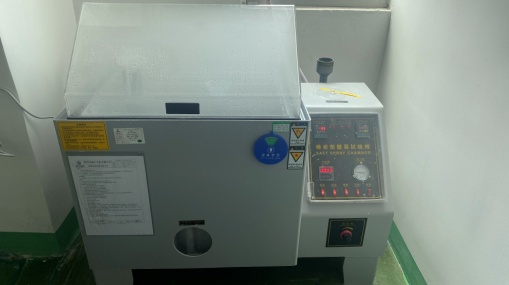
- Salt Spray Testing: Ensures corrosion resistance for coastal and industrial environments.
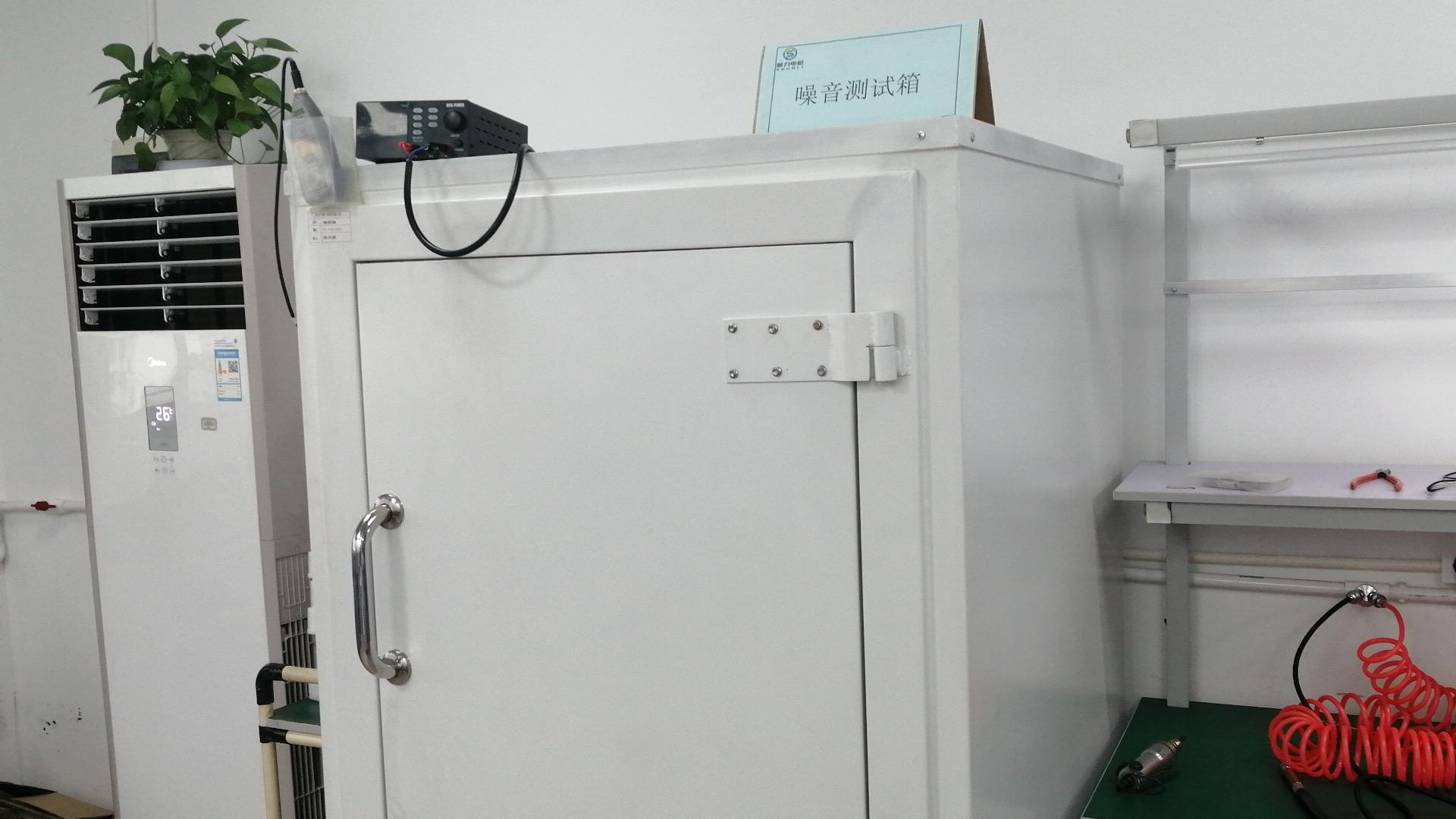
- Noise Level Testing: Conducted in anechoic chambers to ensure decibel levels stay within promised ranges (<35dB for premium models).
- Lifecycle Durability: Accelerated aging tests simulating up to 10 years of typical usage.