 DC Motor B2B
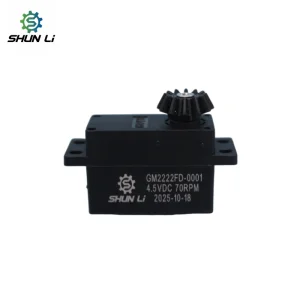
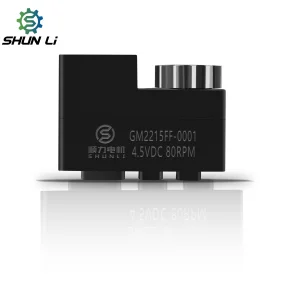
US Market Top-Selling Micro Lock Motors
Engineered to match ANSI/BHMA Grade 1 lockset performance parameters
1. Executive Summary & US Access Control Industrial Status
The United States access control and smart lock industry is experiencing an unprecedented technological shift. Prompted by the rapid integration of IoT ecosystems (such as Apple HomeKit, Amazon Alexa, and Google Assistant) and the commercial transition toward contactless security, lock manufacturers must source drive solutions that balance extreme torque demands with ultra-compact designs. In the US, locks must meet the rigorous requirements defined by the American National Standards Institute (ANSI) and the Builders Hardware Manufacturers Association (BHMA). Grade 1 certified deadbolts require dynamic cycling endurance that micro-motors must withstand over 150,000 to 800,000 duty cycles without mechanical failure.
This technical dynamic places huge stress on the micro gear motor inside the lock chassis. Key issues such as battery life preservation (requiring motors that pull minimal standby and active current under load), noise emission limits (demanding less than 45dB performance for quiet high-end residential estates), and thermal management are non-negotiable. As a premium supplier, we focus on resolving these pain points for US OEM/ODM purchasers by offering custom micro geared DC motors that deliver consistent starting torque even at sub-zero operating temperatures.

2. Global Smart Access & Security Industry Landscape
Globally, the electronic and smart lock market is scaling at a CAGR of over 12%. The shift toward mechanical security electrification is driven by smart home automation in North America, governmental smart city mandates in Western Europe, and mass infrastructure urbanization throughout the Asia-Pacific region. As smart locks evolve from simple magnetic card readers to biometric facial recognition systems, the motorized latch mechanisms inside are forced to occupy smaller geometric profiles while delivering comparable or greater output force.
In the global arena, standardization remains a key bottleneck. European markets often lean toward DIN standard mortise locks requiring specific linear driving mechanisms, while North American locks demand highly robust deadbolt actuators that fit typical cylindrical and tubular crossbore preps. Bridging this gap requires global suppliers to deploy flexible engineering teams capable of modifying shaft lengths, gear train ratios (from 1:10 up to 1:1000), and torque profiles (up to 3.0 kg.cm) on-demand.
DQC's R&D labs analyze international lock architectures continuously to maintain modularity. This enables our micro drives to fit comfortably inside Yale, Schlage, Kwikset, and European-designed smart lock bodies without requiring core structural redesigns from our clients.
3. Technical Deep-Dive: Gearbox & Motor Commutator Selection
Selecting a drive motor for electronic locks requires analyzing the trade-offs between cost, lifespan, speed, and torque. The two main components that define a micro drive's reliability are its geartrain design and the motor's commutation mechanism:
Planetary vs. Spur Gear Trains
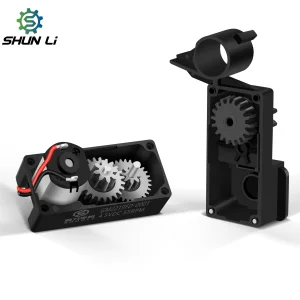
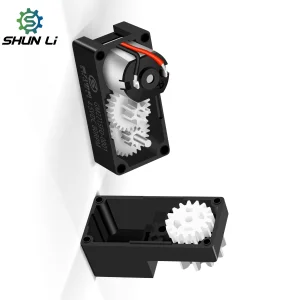
Spur Gearboxes are the standard choice for cost-conscious residential smart deadbolts. They offer quiet operation at lower torque loads and are easier to manufacture. However, they are prone to failure under sudden physical impact (such as a door kick-in).
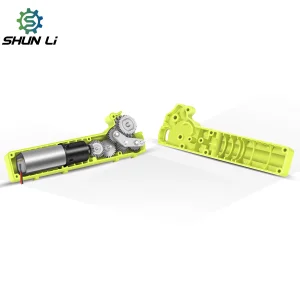
Planetary Gearboxes distribute mechanical loads across multiple planetary gears, providing higher torque density (up to 3.0 kg.cm) in a smaller outer diameter (often 10mm to 16mm). This makes them ideal for commercial ANSI Grade 1 motorized locks that require high reliability.
Commutator Metallurgy: Metal vs. Carbon Brush
Precious Metal Commutators (Gold, Silver, Platinum alloys) are suited for low-voltage, low-current micro drives (3V to 6V). They offer low electrical noise, minimal startup resistance, and are optimized for locks that cycle occasionally throughout the day.
Carbon Brush Commutators are more suited for heavy-duty, high-voltage locks (12V to 24V) deployed in commercial offices or high-traffic entryways. They handle high peak startup currents and offer a longer wear life when dealing with frequent cycling.
4. Chinese Manufacturing Efficiency & Vertical Supply Integration
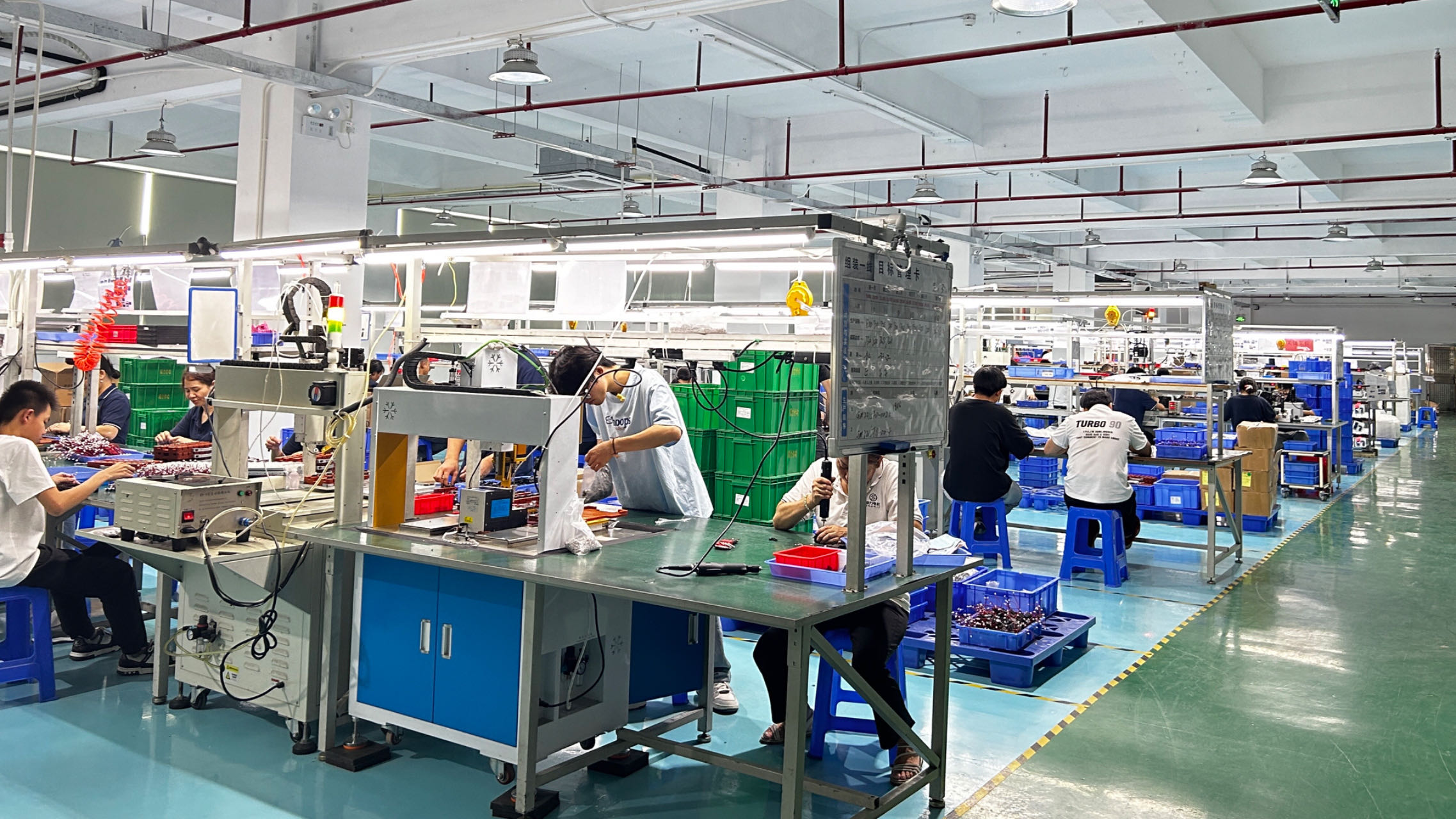
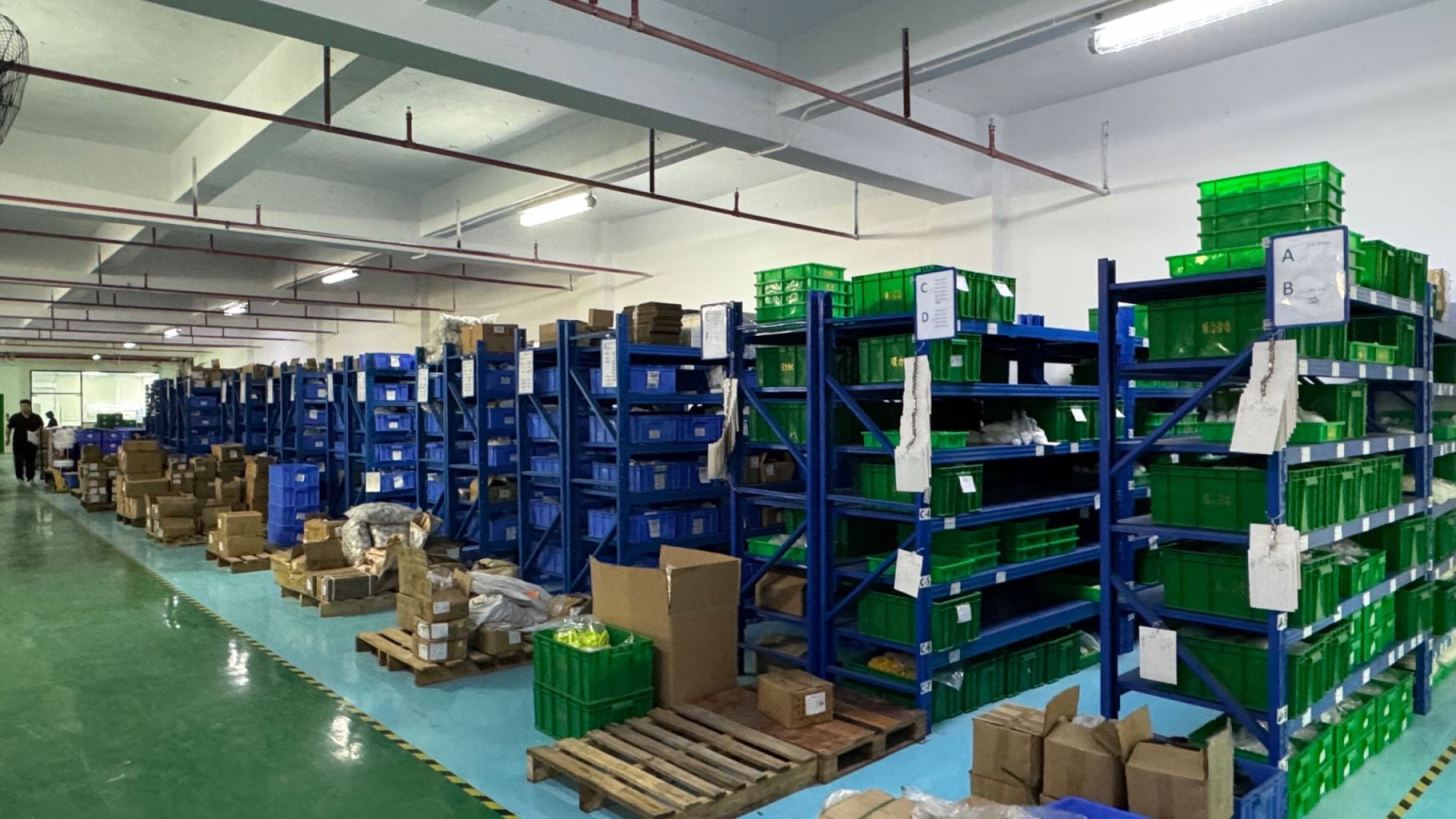
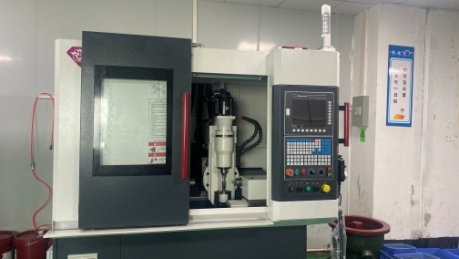
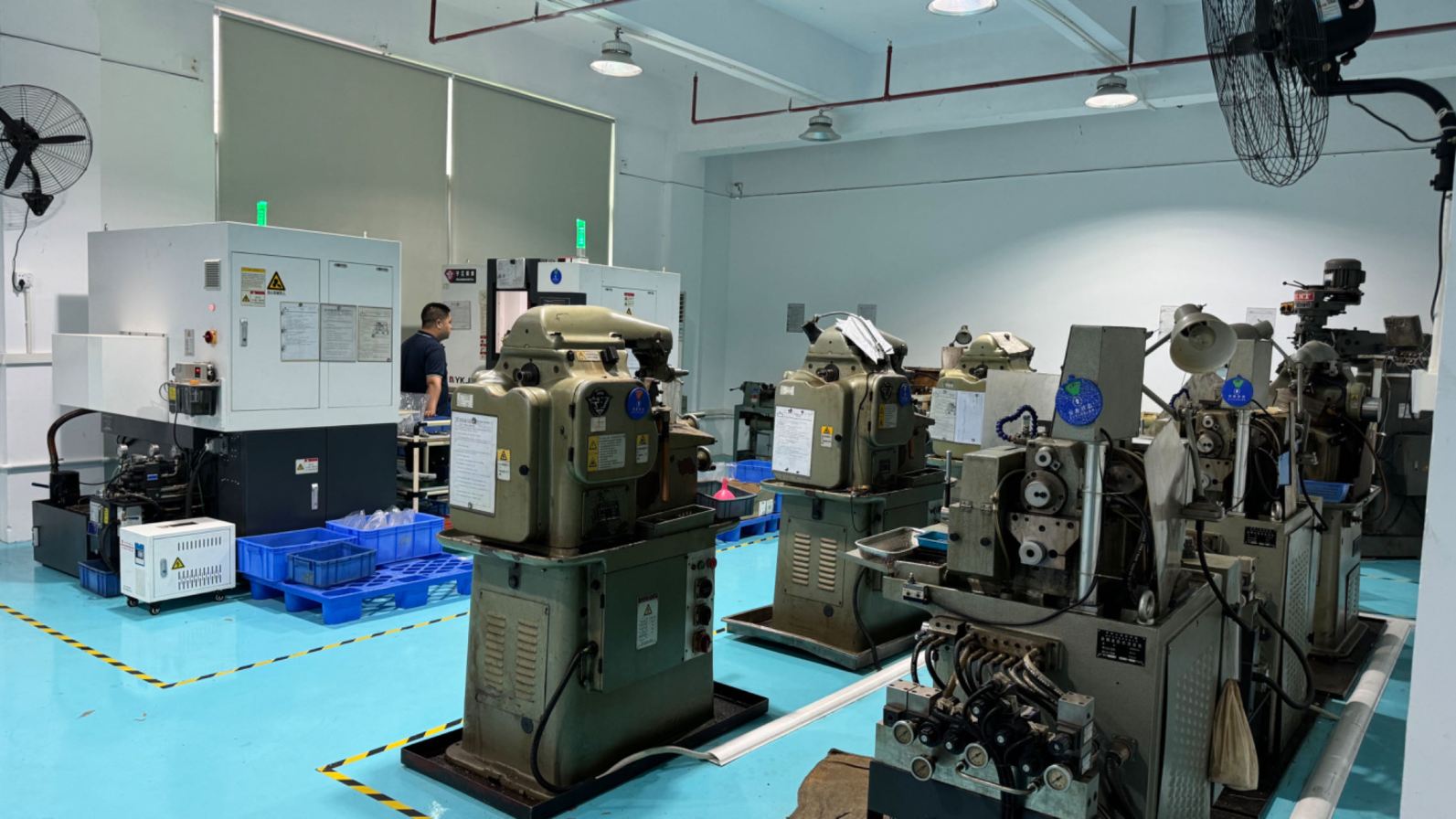
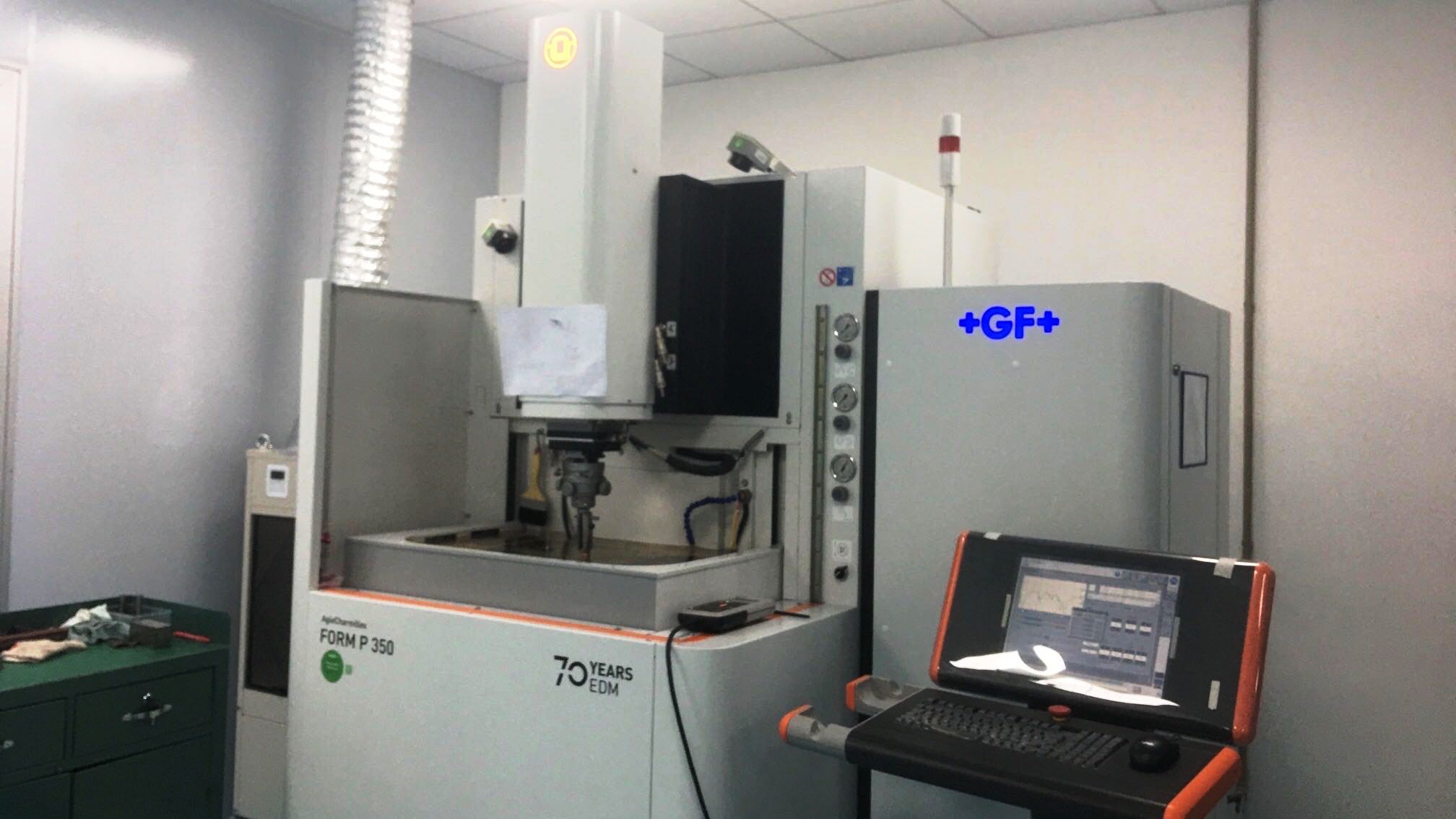
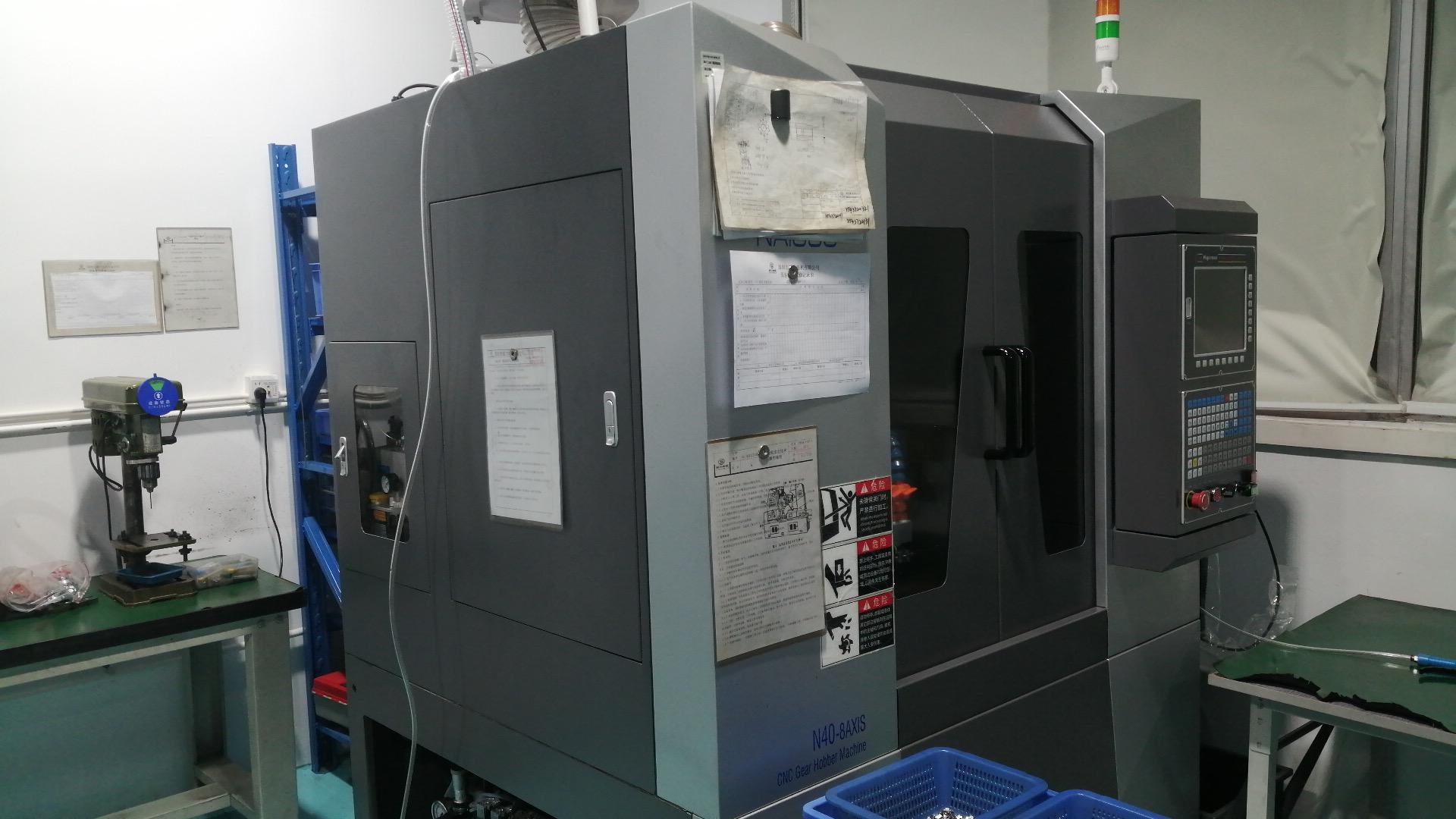
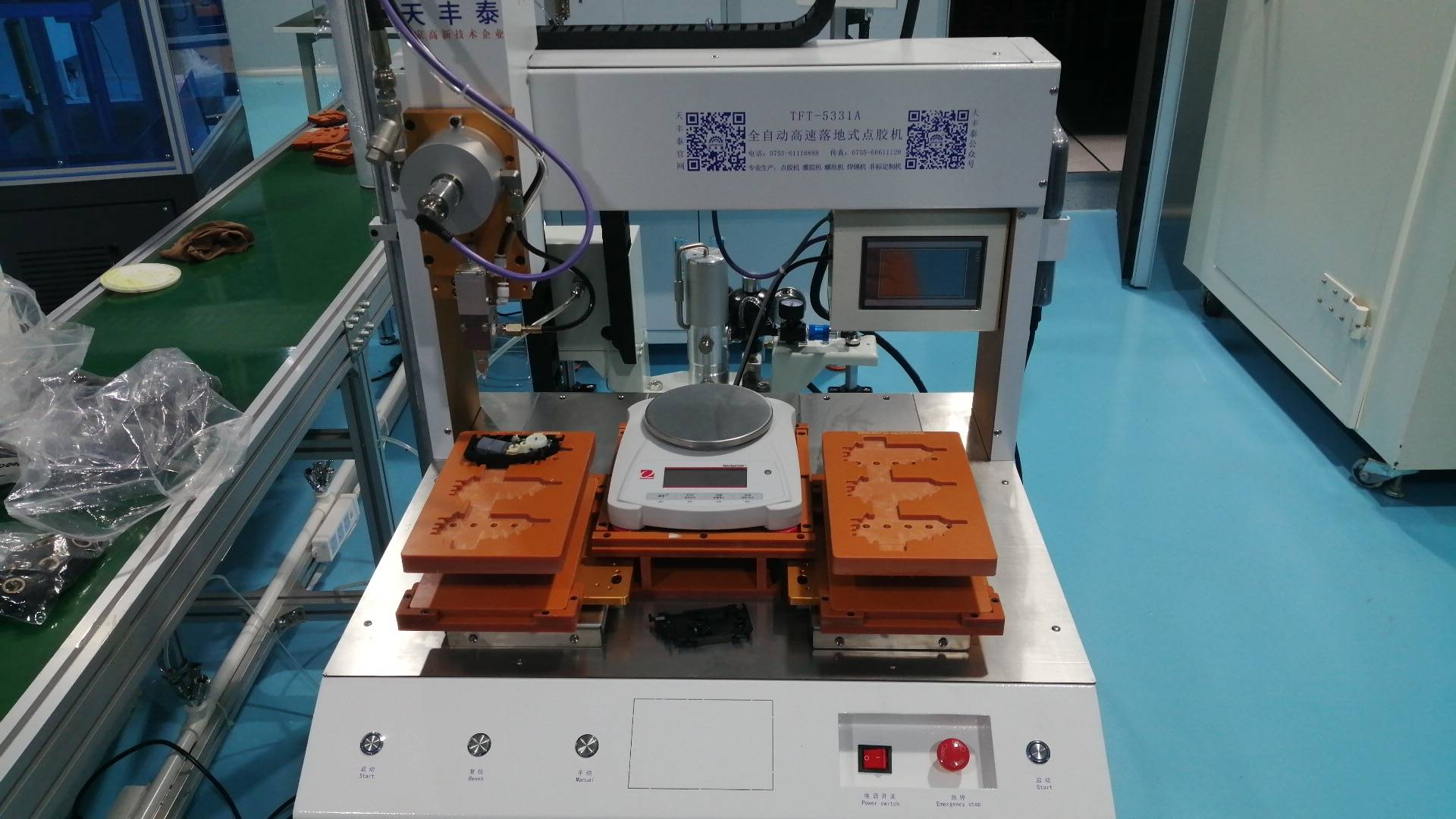
The competitive advantage of DQC's China-based production facilities lies in vertical supply chain integration and high-precision automation. While western suppliers struggle with fragmented component sourcing, our facility in China aggregates raw material sourcing, precision gear-hobbing, automated winding, dynamic balancing, and lifecycle quality control under one roof.
By utilizing high-precision Swiss-style and Japanese gear-hobbing machinery alongside automatic winding workstations, we maintain dimensional gear tolerances down to 5 micrometers. This precision reduces gear friction, directly translating to higher power transmission efficiency, minimal power loss, and a longer battery life for the smart lock end-user.
For US customers, this vertical integration delivers two key advantages: unmatched pricing stability and accelerated prototyping timelines. Standard customized samples can be built, tested, and dispatched to the US within 10 to 15 business days, cutting product launch timelines down significantly.
5. Localized US Application Scenarios & Engineering Requirements
Designing locks for different segments of the US market requires specific motor modifications:
Residential Smart Deadbolts
Typically powered by 4x AA batteries (6V DC). These locks require a micro gear motor that draws very low standby current to maximize battery replacement intervals, combined with enough instant peak torque to retract misaligned deadbolts.
Commercial Access Control
Installed in heavy-traffic environments like offices, hospitals, and educational institutions. These systems demand carbon brush motors that are certified to cycle millions of times while integrating with backup power systems.
High-Security Safe Locks
Used in banking and retail. Safe locks require high-resistance micro motor drives that are shielded against electromagnetic interference (EMI) and resistant to physical drilling or vibrational manipulation.
6. Manufacturing Flow & Advanced Production Machinery
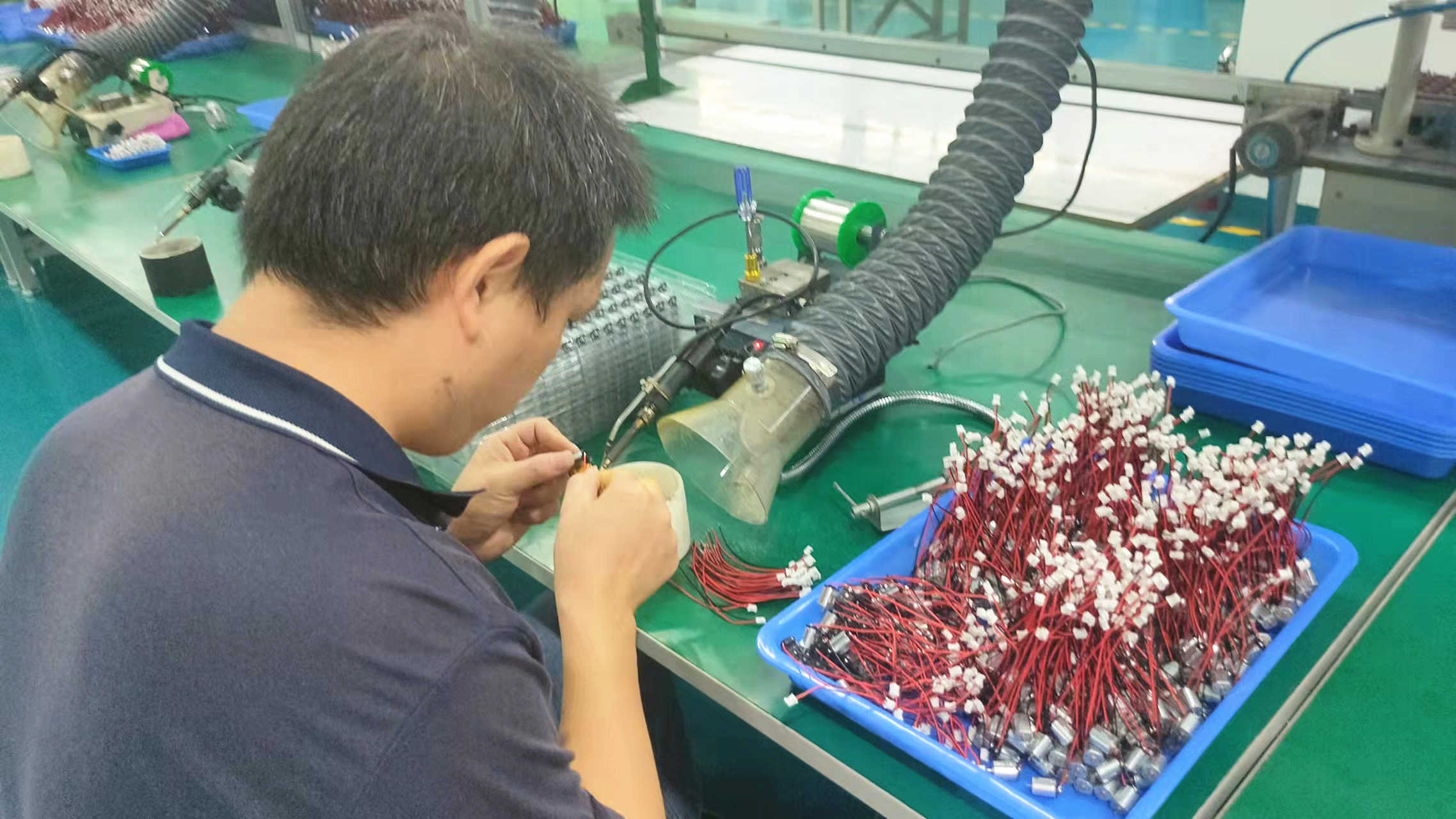
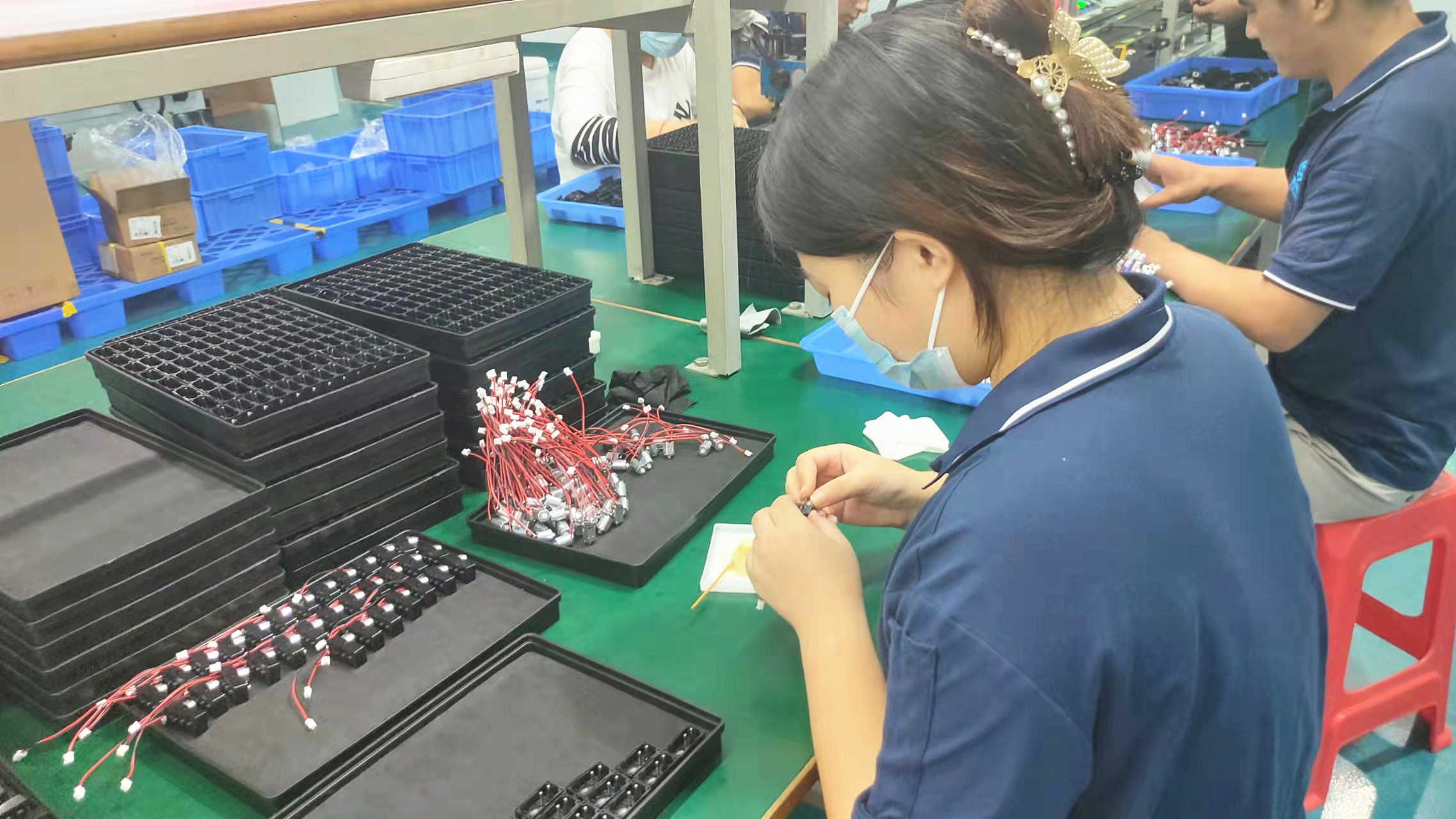
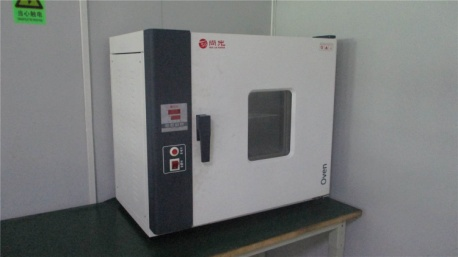
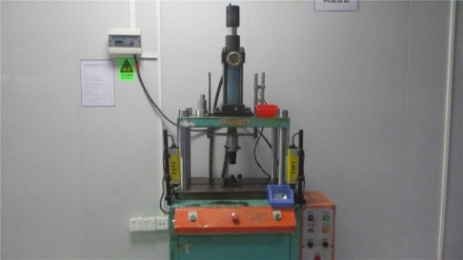
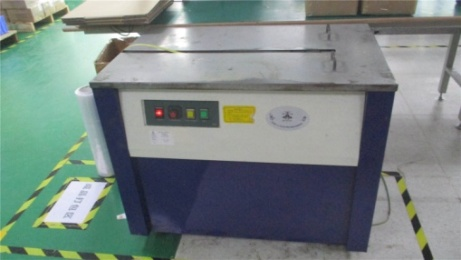
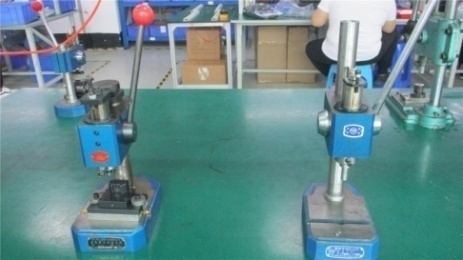
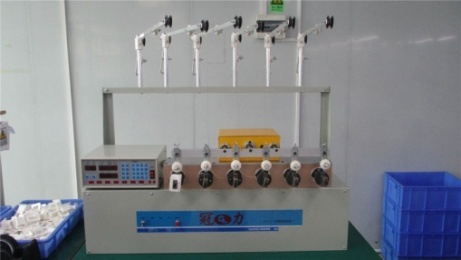
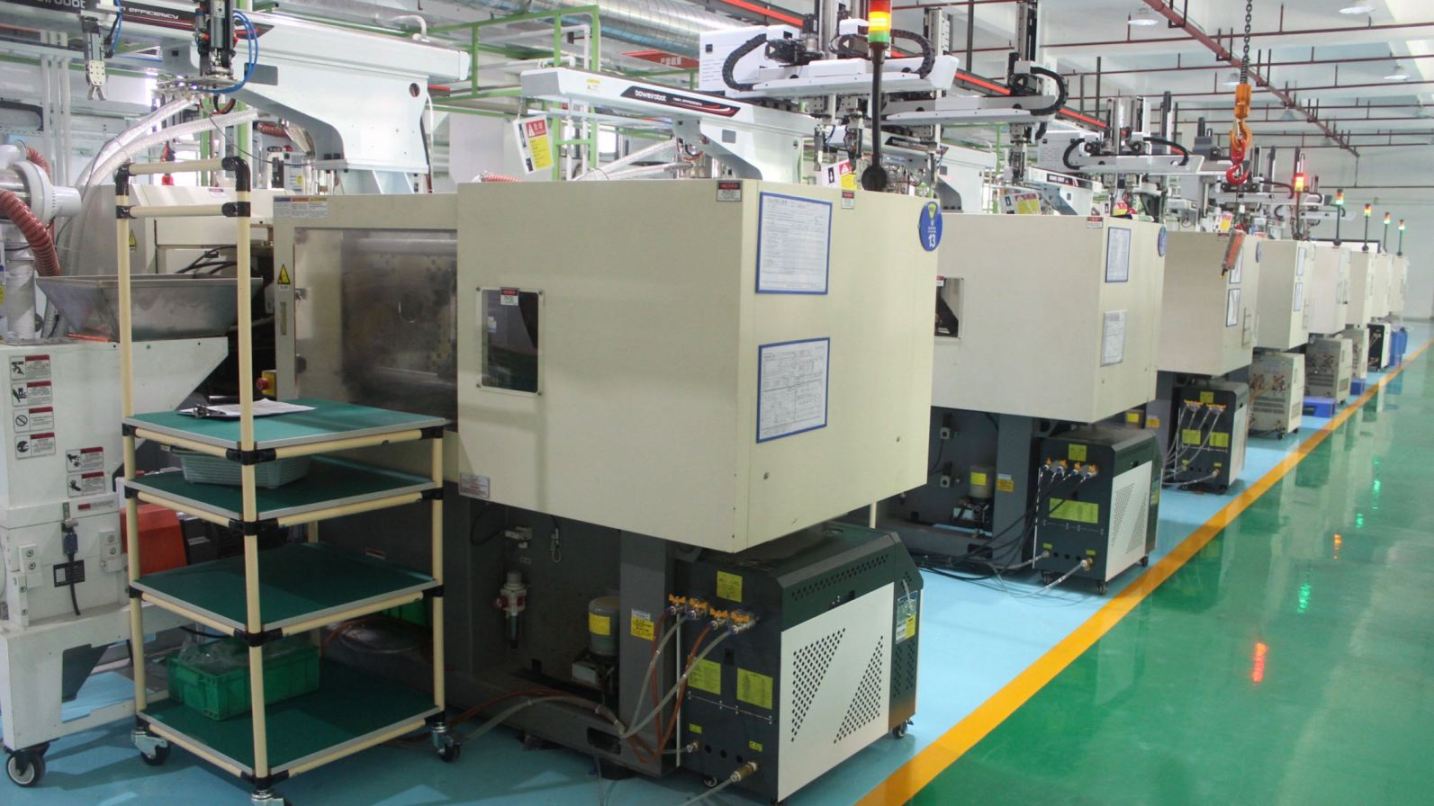
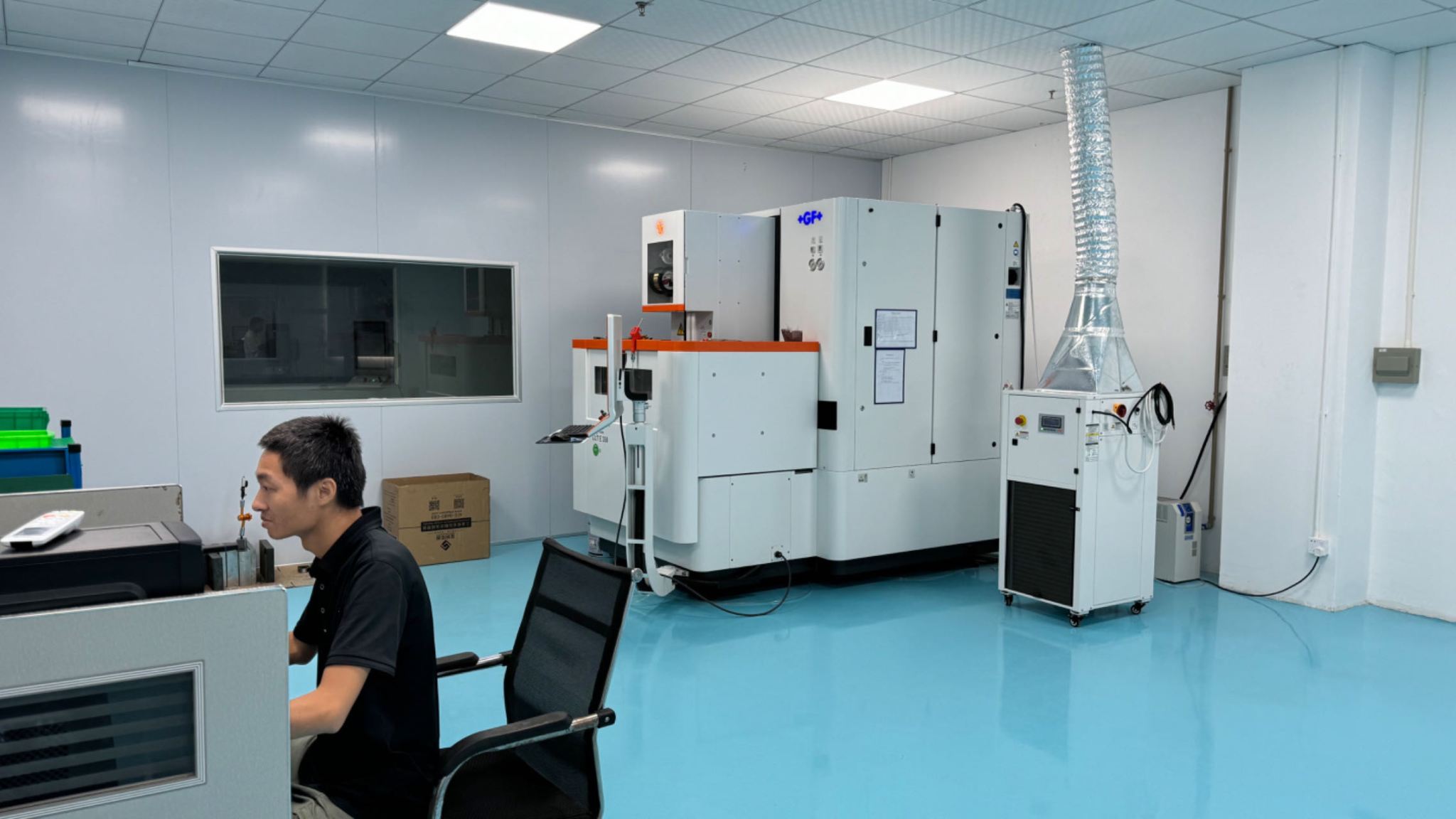
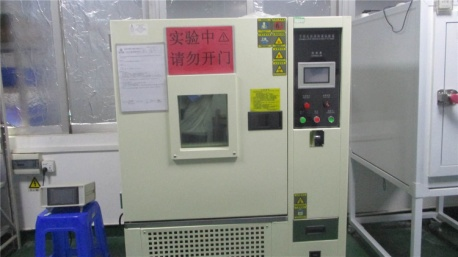
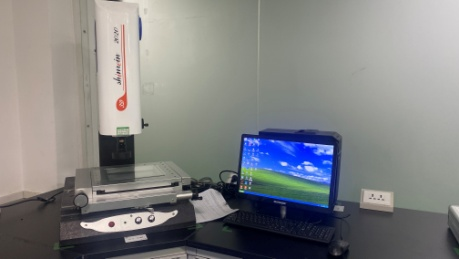
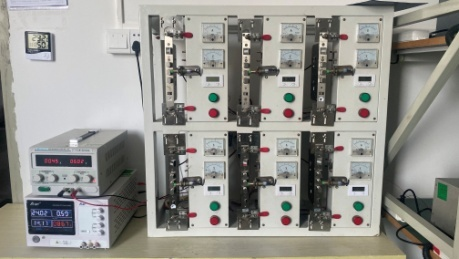
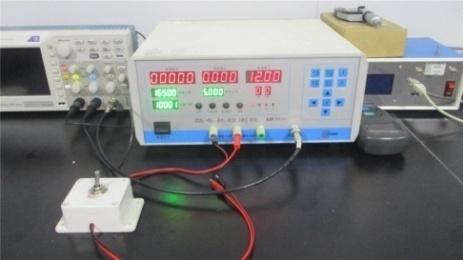
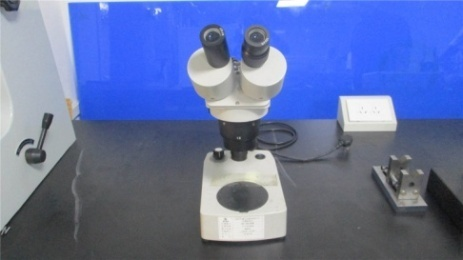
Our ISO9001 certified facility uses advanced assembly lines and high-precision machinery
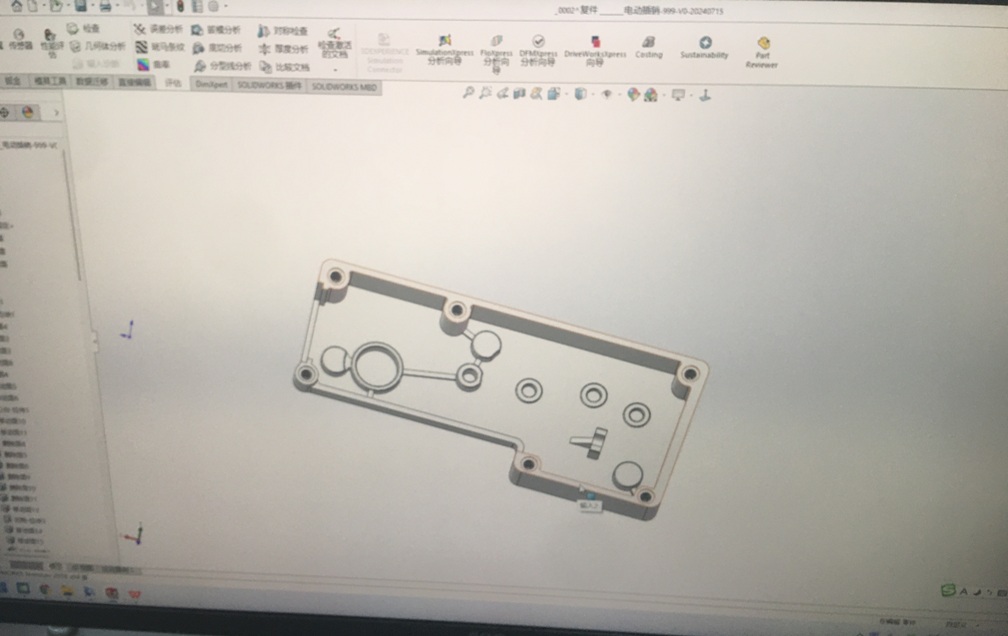
Standardized R&D & Manufacturing Steps

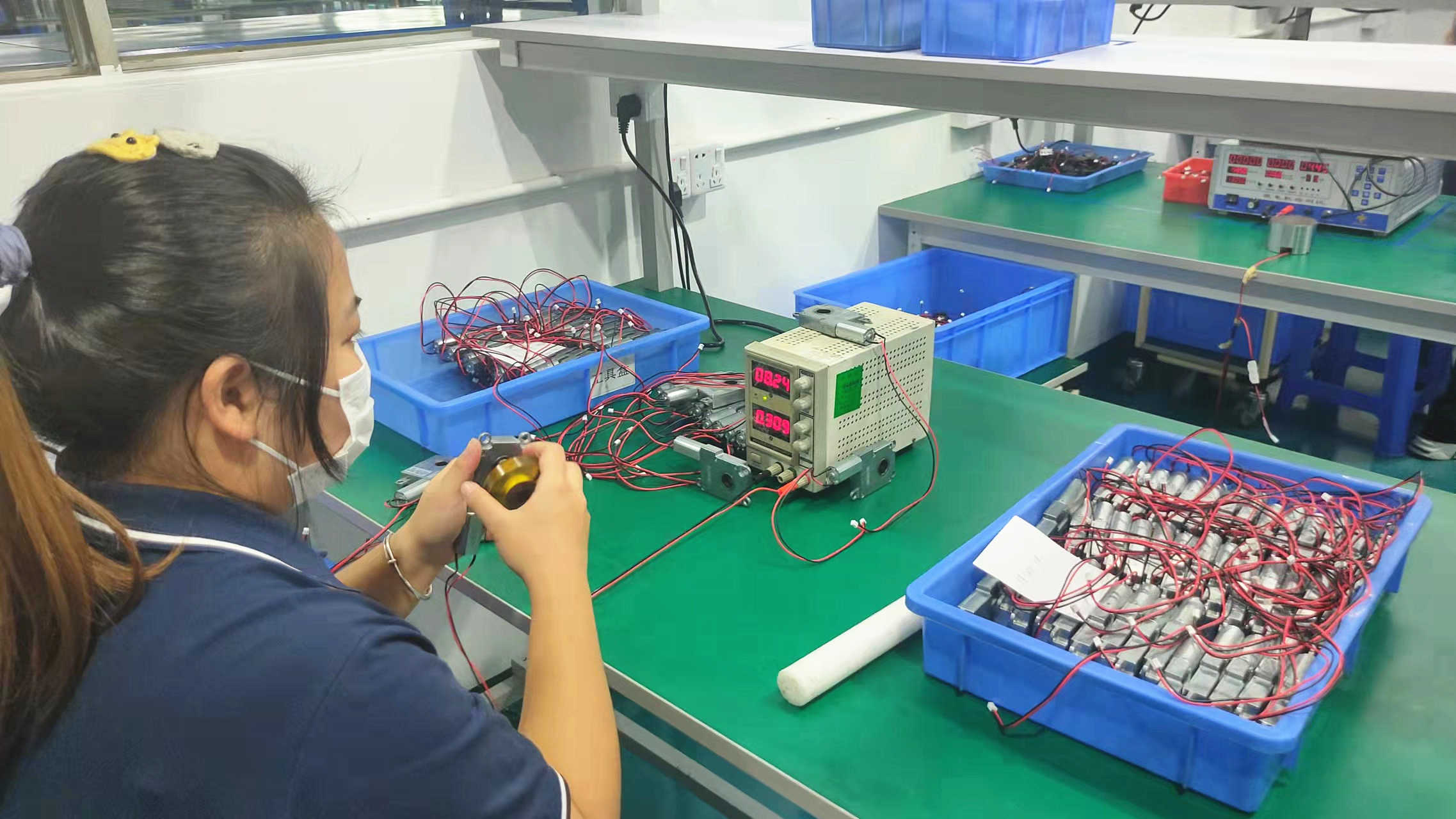
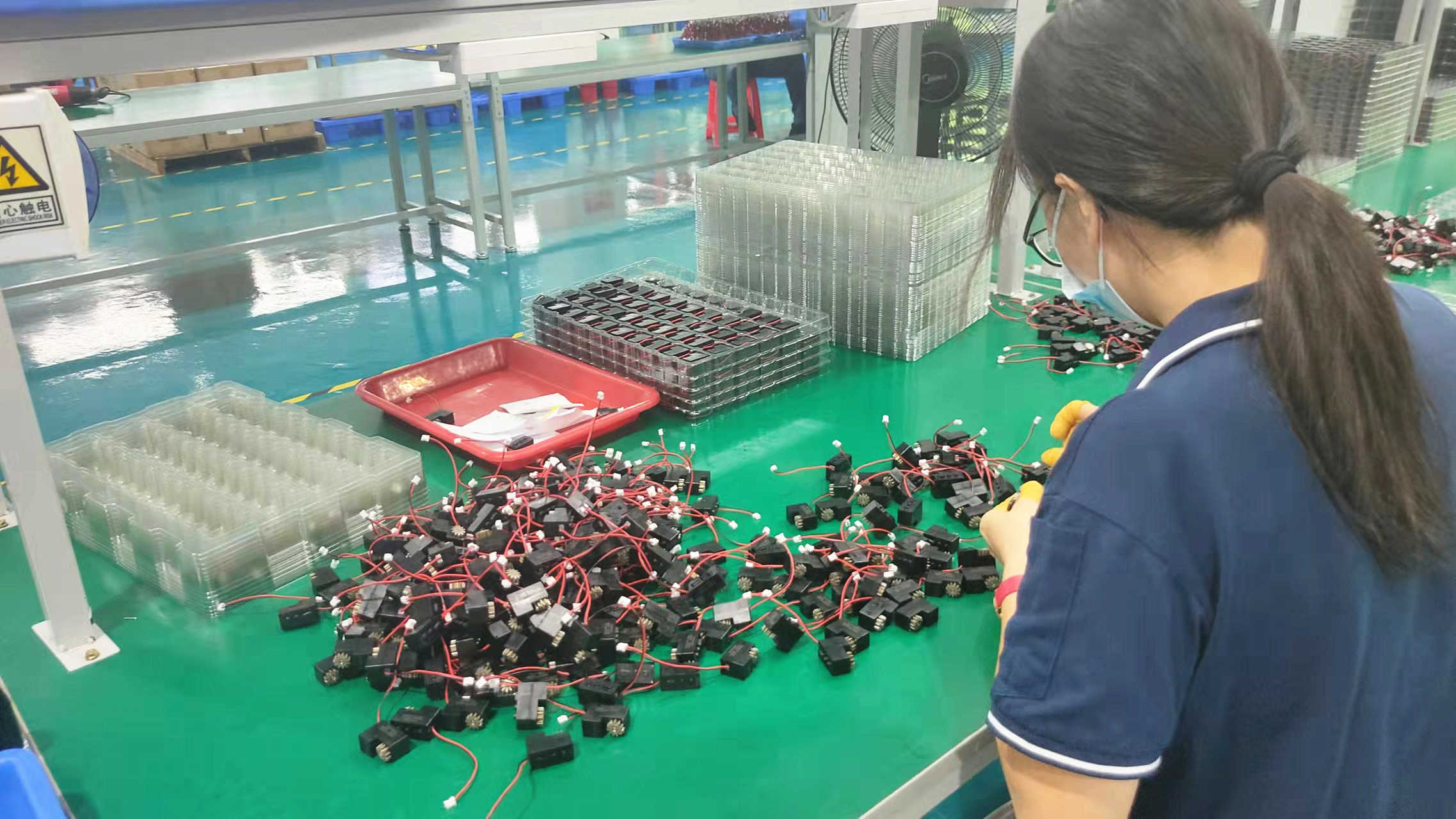
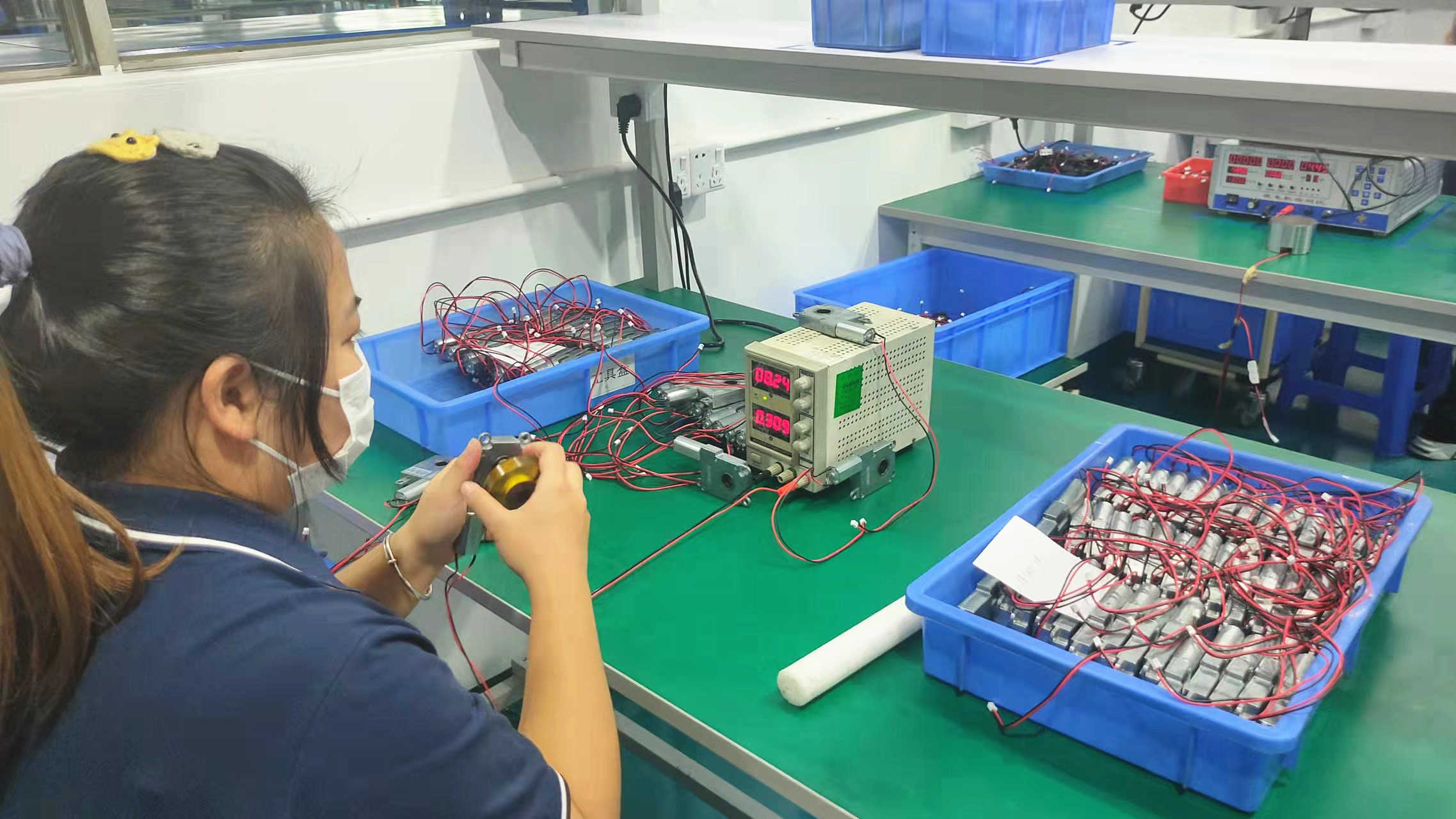
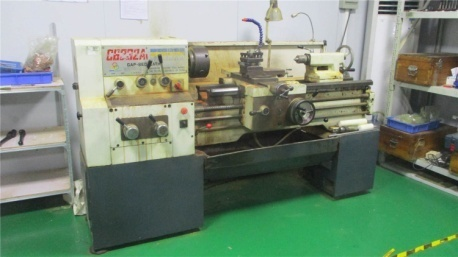
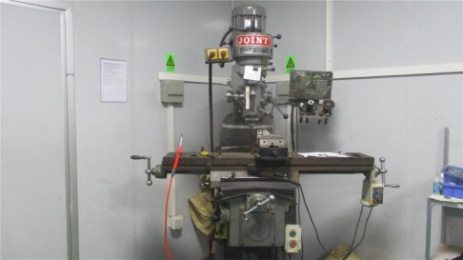
Advanced Tooling & Production Machinery
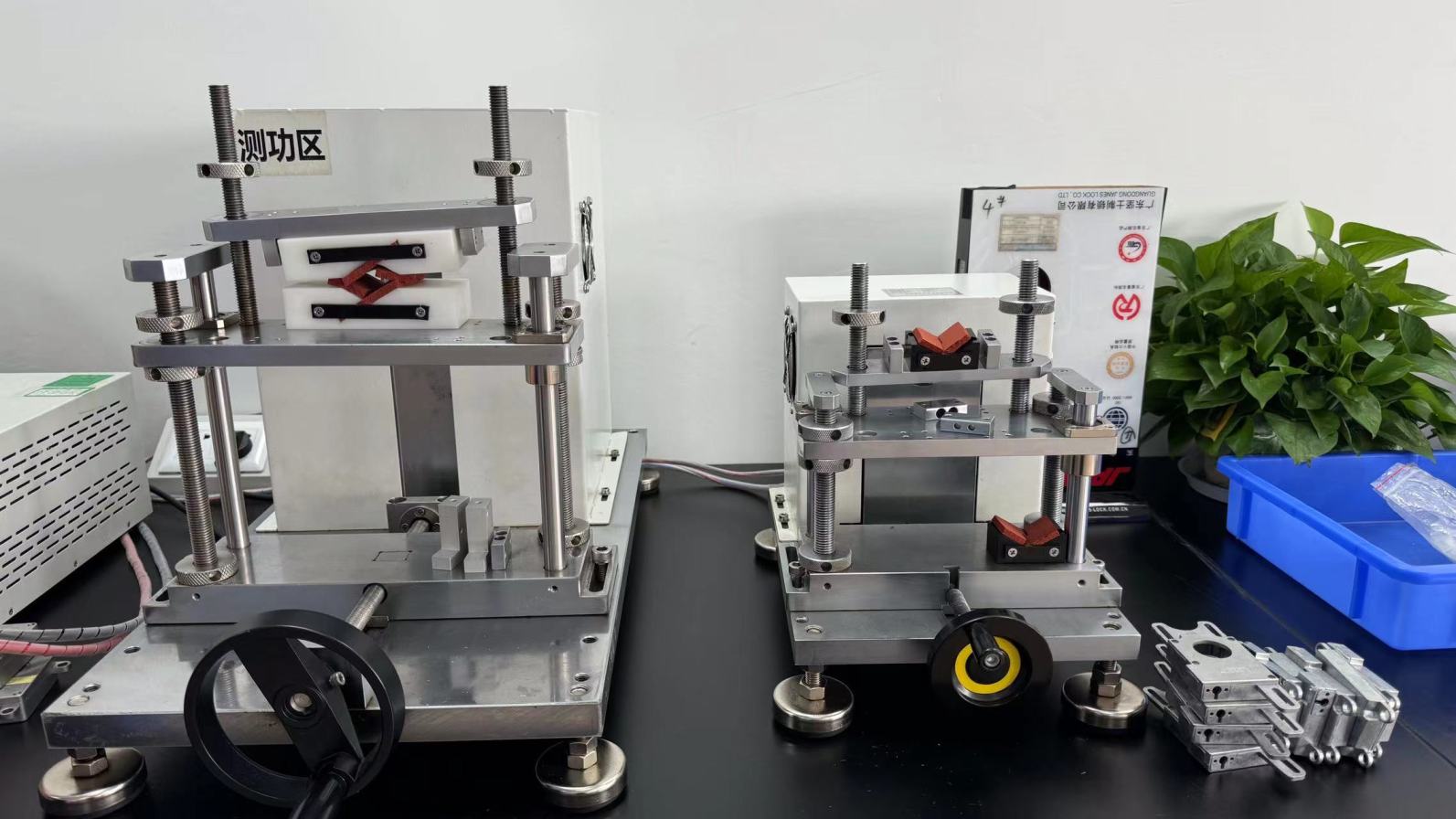
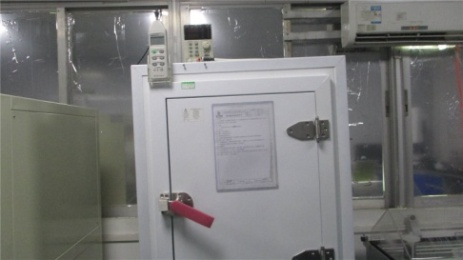
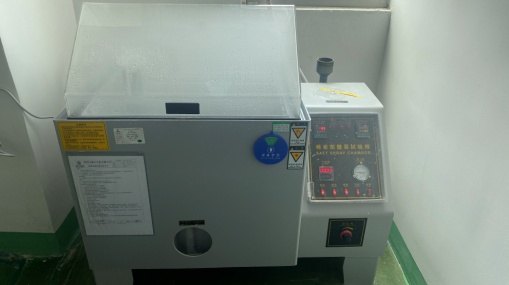
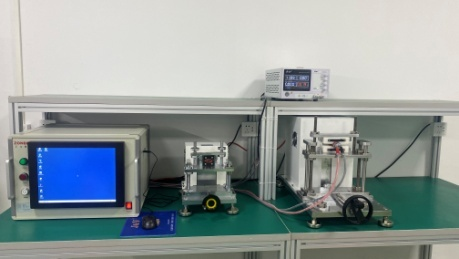
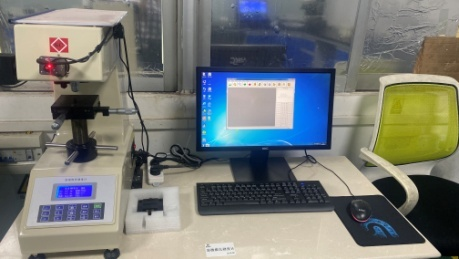
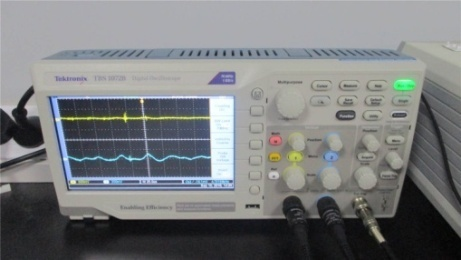
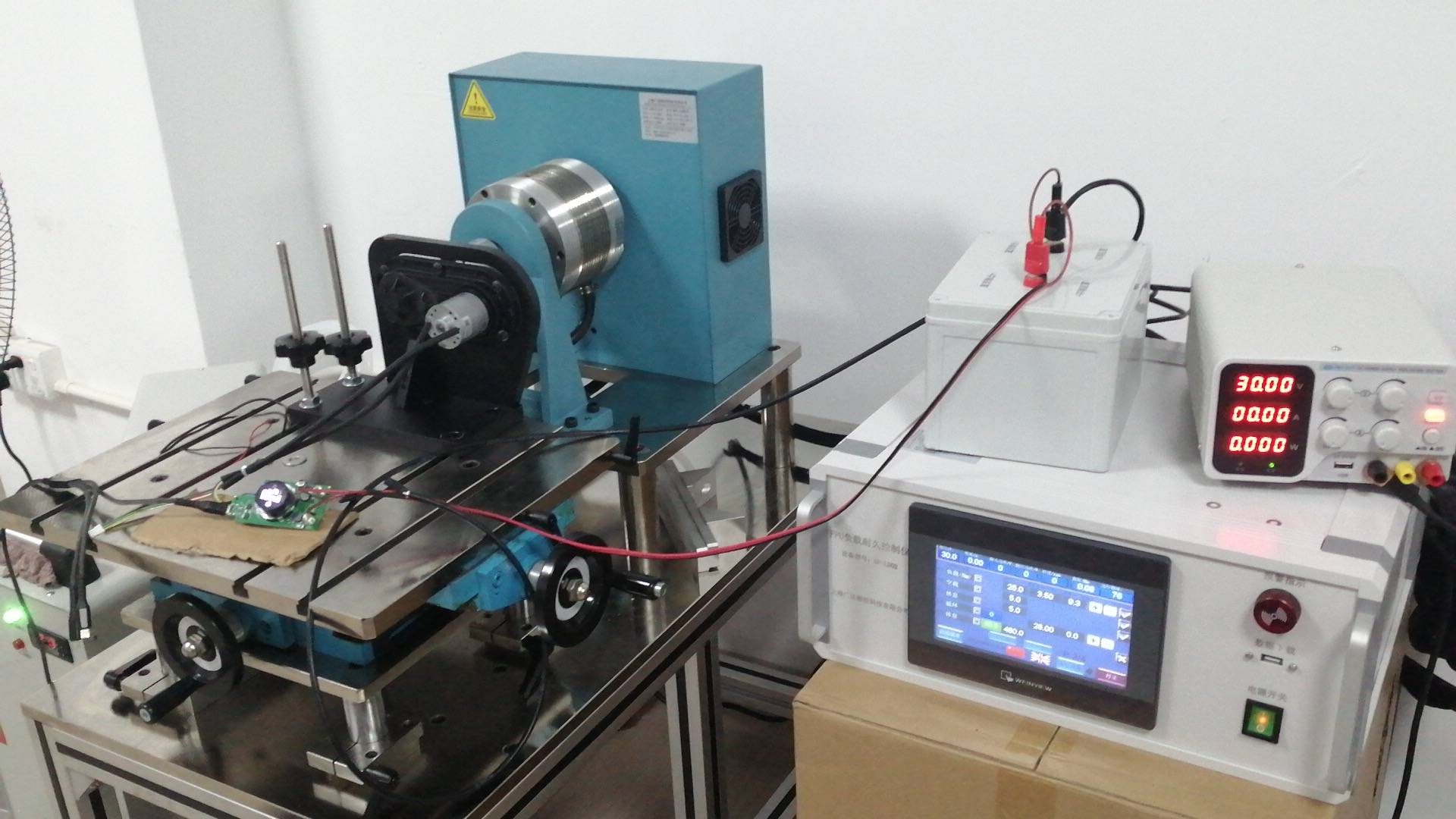
R&D Validation & Testing Laboratory
7. R&D Perspectives: Future Industry Trends for Lock Motors
As security hardware continues to evolve, several technology trends are shaping the future of micro motors in lock design:
- Transit toward Brushless DC (BLDC) Drives: While brushed motors remain standard due to cost efficiency, high-end commercial projects are shifting toward BLDC solutions to achieve longer operating lifespans and precise torque control.
- Clutch Integration: To prevent damage from forcing the outer handle, advanced lock motors now integrate built-in friction clutches directly inside the miniature gearbox housing.
- Ultra-low Current Operations: New driver chips require motors designed for ultra-low startup spikes. This prevents voltage drops that can interfere with Bluetooth and Wi-Fi modules.
- Green Tech & Energy Harvesting: Future self-powered locks will rely on micro motors that can act as small generators when the lock is operated manually, helping to recharge the internal batteries.
DQC Design Ethos
"Inside a premium robotic joint, an automated medical pump, or a high-end smart lock, space is the ultimate luxury. At DQC, we measure our success in micrometers and decibels. Our mission is to take advanced, heavy-duty rotational power and compress it into the most compact, energy-efficient footprints imaginable."
Complete Range of Micro Geared DC Motors
Premium solutions customized for US residential and commercial lock manufacturers
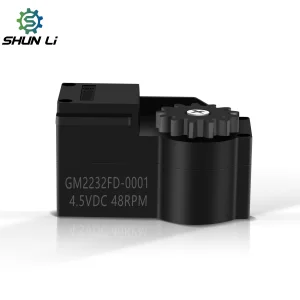
Shunli Motor Small Gear Motor 1.5V 3V 6V 12V DC Motor With Micro Gearbox Low Speed 30RPM 50RPM 80RPM for Intelligent Lock
Technical Specifications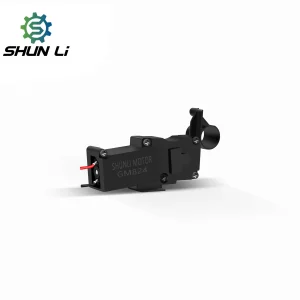
Shunli Dc Gear Motor Battery Powered Electric Motor 5v 6v Geared Dc Motor for Lock
Technical Specifications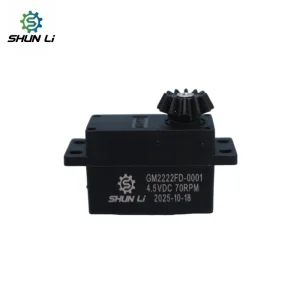
4.5v Dc Gear Motor for Electric Lock Low Rpm 60rpm Shunli Dc Gear Motor Permanent Magnet Brush Customized 30-100RPM
Technical Specifications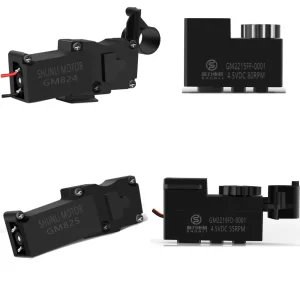
Small Battery Powered 2.5v 3v 6v 12v 240 Rpm Micro Geared Dc Electrical Gear Motor for Lock
Technical Specifications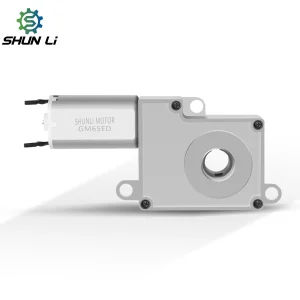
Shunli 3V 6V 12V 65RPM 70RPM 85RPM High Torque Dc Motor 3KG.CM Customized Electric Dc Gear Motor for Backpack Lock
Technical Specifications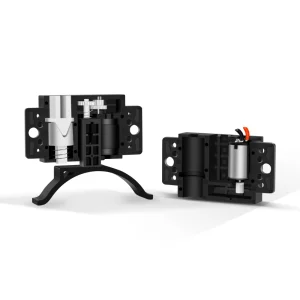
8. Procurement Protocol & Customization Pathways for US Buyers
For engineering and procurement departments at US hardware manufacturers, sourcing custom micro motors requires evaluating multiple performance criteria. DQC supports your product lifecycle from concept design to volume production:
- Customizing Mechanical Interfaces: We offer custom D-cut, round, keyway, or threaded output shafts to fit your proprietary latch mechanisms. Custom lead wires, board-to-board connectors (such as JST or Molex), and integrated encoders are also available.
- Optimizing Gear Trains for Torque: Depending on your lock's design, we adjust gear ratios and use carbon steel or powder metallurgy gears to handle different mechanical load requirements.
- Custom Wound Rotors for Specific Speeds: We adjust the copper coil winding density to achieve your target RPM at operational voltages ranging from 1.5V up to 24V.
- Optimizing Electrical Performance: We incorporate varistors and EMI capacitors to filter out electrical noise, protecting the lock's control board.
Request Technical Customization
Upload your lock's CAD files or torque requirements. Our engineering team will review your specifications and provide a preliminary feasibility report within 48 hours.
9. Engineering FAQ: Smart Lock Micro Motors
Expert answers addressing the key design challenges in smart lock drive systems
Build Better Locks with DQC Precision Drives
Partner with a vertically-integrated Chinese manufacturer capable of meeting strict US quality standards and shipping high-performance micro motors worldwide.