DC Motor B2B
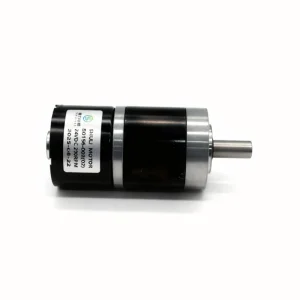
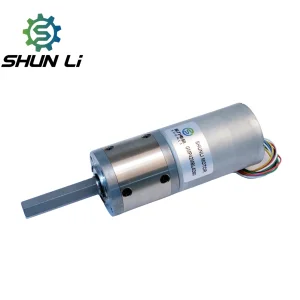
Featured High-Performance Motor Systems & Controllers (Series I)
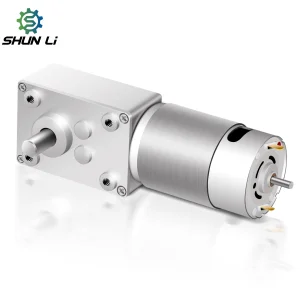
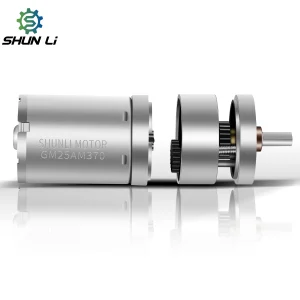
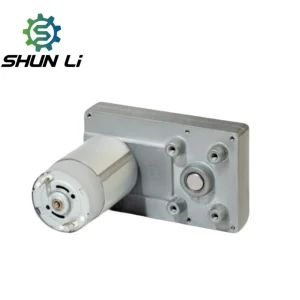
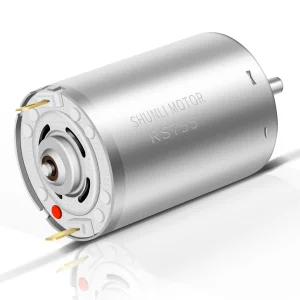
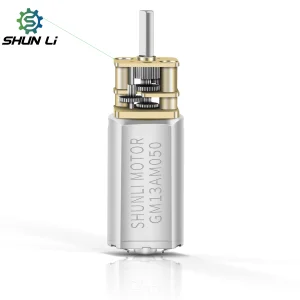
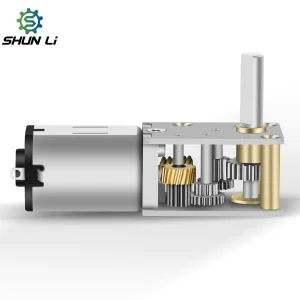
Global Electric Motor Controller Industry Status & Macro Solutions
The global ecosystem for electric motors and their advanced controllers has experienced exponential transformation over the past decade. Driven by rigorous decarbonization mandates, the rapid proliferation of autonomous mobile robots (AMRs), precision medical devices, and smart industrial automation, the demand for high-efficiency Electric Motor Controllers has reached unprecedented heights. Modern engineering no longer views motion control as an isolated mechanical action; rather, it is approached as an integrated cyber-physical system where microprocessors, algorithmic closed-loop feedback, and thermal dynamics converge.
As international supply chains navigate complexities, sourcing from verified tier-one suppliers and exporters becomes critical. Top-tier manufacturers leverage cutting-edge topologies such as Field-Oriented Control (FOC) and Space Vector Pulse Width Modulation (SVPWM) to optimize torque ripple reduction and enhance thermal longevity.
ABOUT DQC: Packing Massive Torque Into Miniature Spaces
Inside a premium robotic joint, an automated medical pump, or a high-end smart lock, space is the ultimate luxury. At DQC, we measure our success in micrometers and decibels. Our mission is to take advanced, heavy-duty rotational power and compress it into the most compact, energy-efficient footprints imaginable.
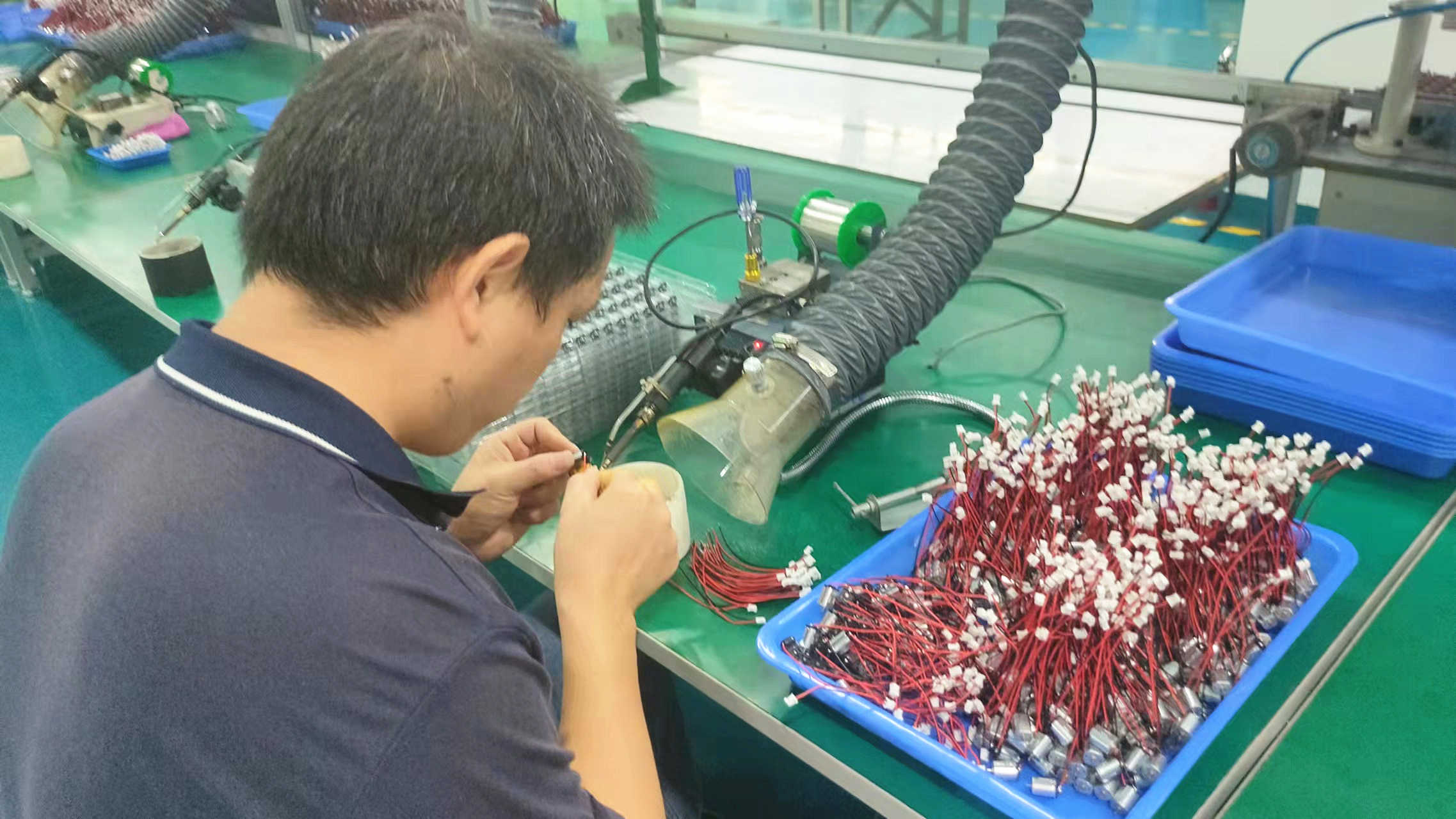
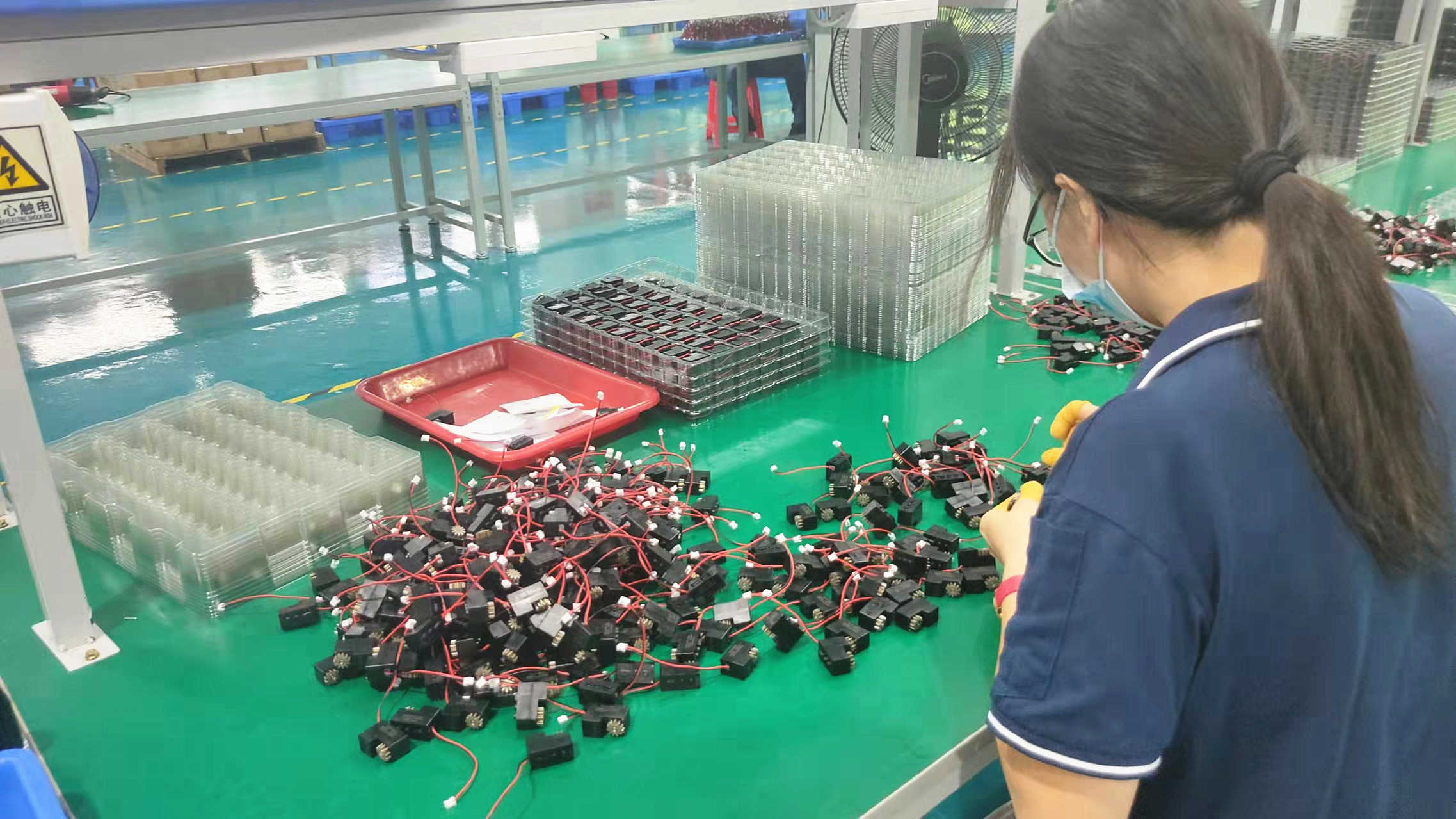
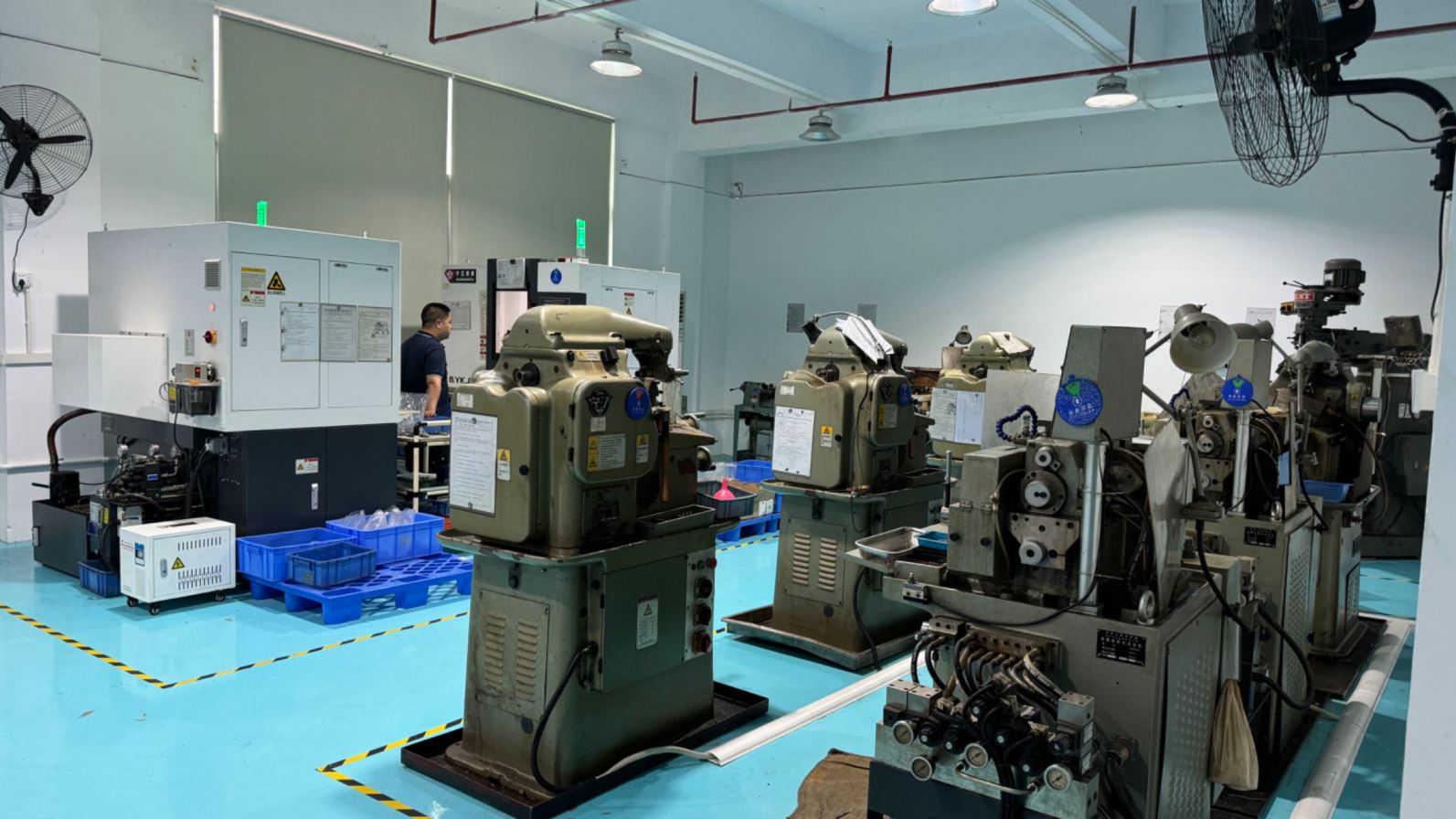
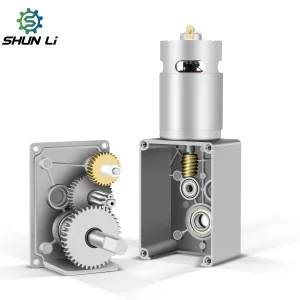
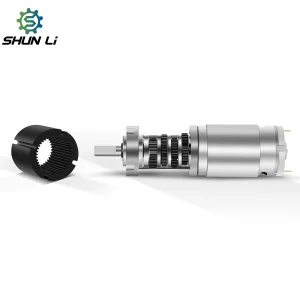
Our expertise lies in the micro-details of motion. From precision-wound copper rotors and high-purity commutators to zero-backlash planetary gear trains, every single internal component of a DQC motor is optimized to eliminate friction and maximize heat dissipation. By combining advanced automated Swiss-style hobbing with Japanese dynamic balancing, we ensure our micro drives deliver the fluid, whispering-quiet power your brand promises. When your next high-tech innovation relies on repeated mechanical perfection, let DQC be the core that spins it forward.

Advanced Motion Actuators & Specialized Controllers (Series II)
Technology Roadmap & Future Outlook (2025-2030)
Gallium Nitride (GaN) & Silicon Carbide (SiC) Integration
Next-generation motor controllers are rapidly replacing traditional silicon MOSFETs with wide-bandgap (WBG) semiconductors like GaN and SiC. This paradigm shift allows switching frequencies to exceed 100 kHz, drastically minimizing magnetic core sizes and raising power conversion efficiency above 99%.
AI-Powered Predictive Maintenance & Edge Computing
Embedding micro-neural networks directly inside the motor controller allows real-time anomaly detection. By monitoring vibration signatures, stator temperature harmonics, and current draw patterns via IoT telemetry, unexpected mechanical downtime is virtually eliminated.
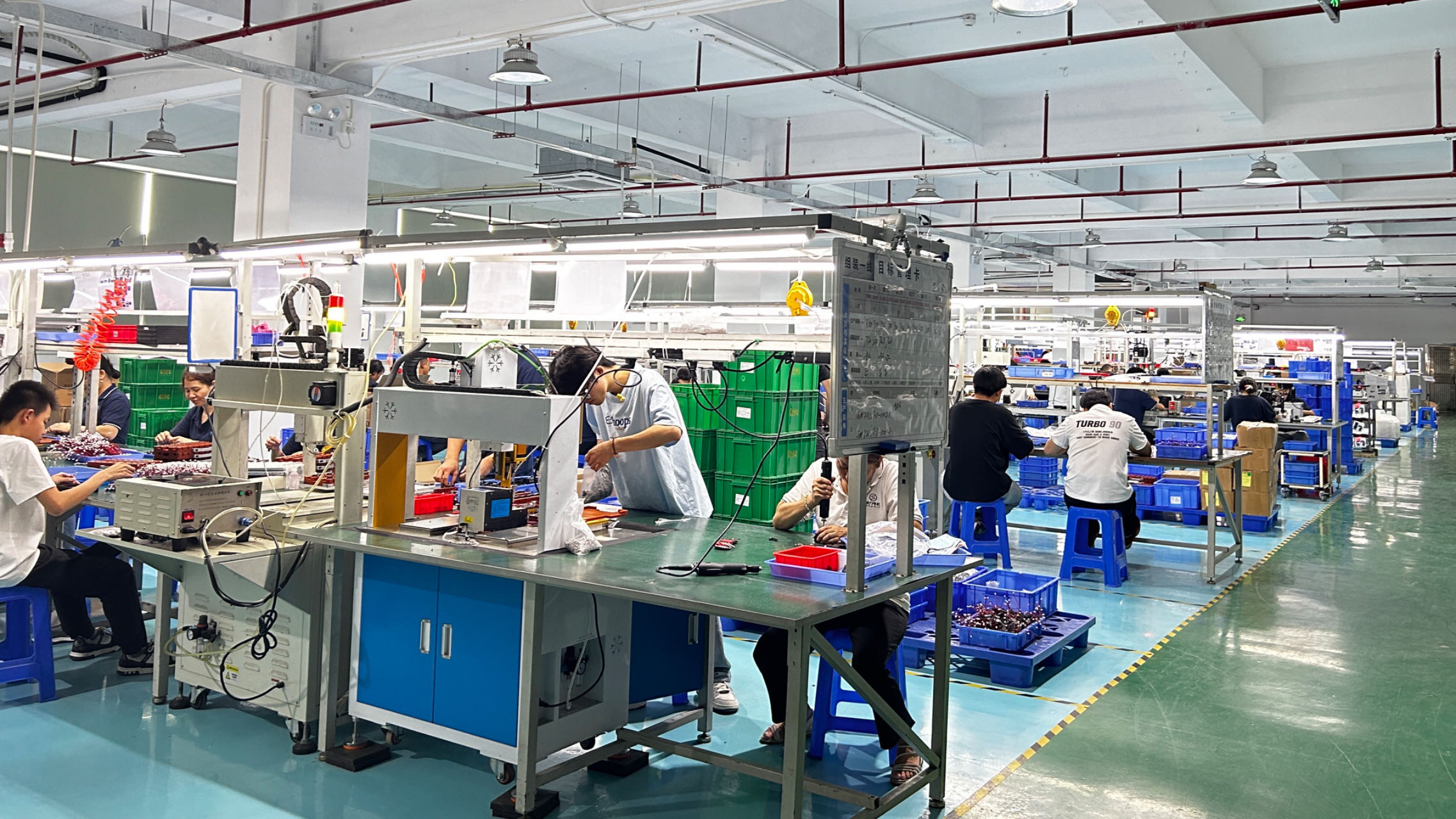
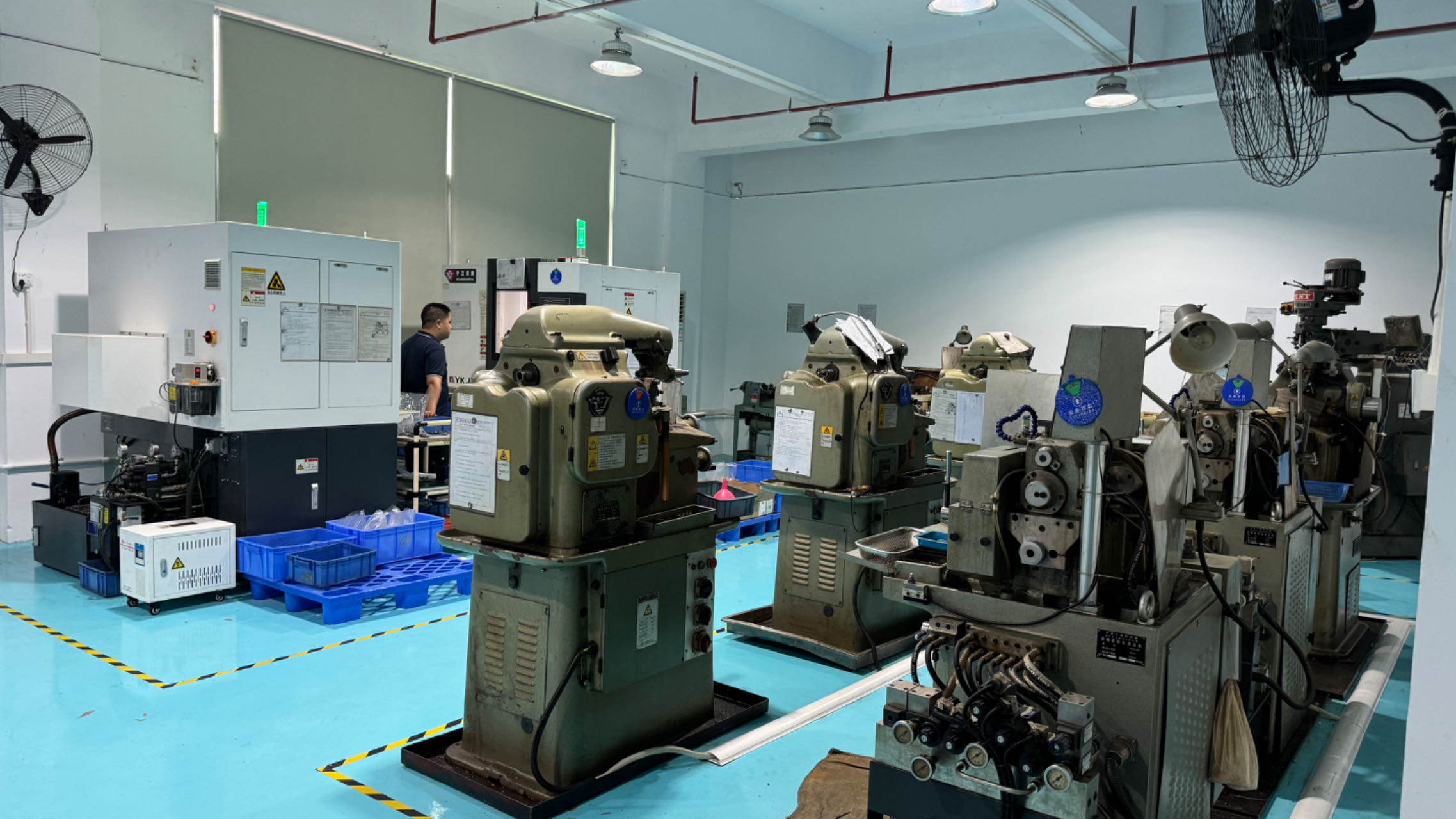
Manufacturing Precision & Quality Assurance Showcase
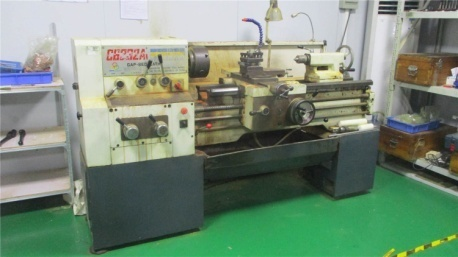
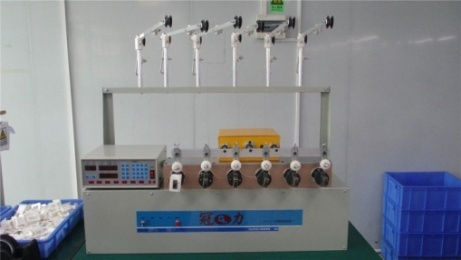
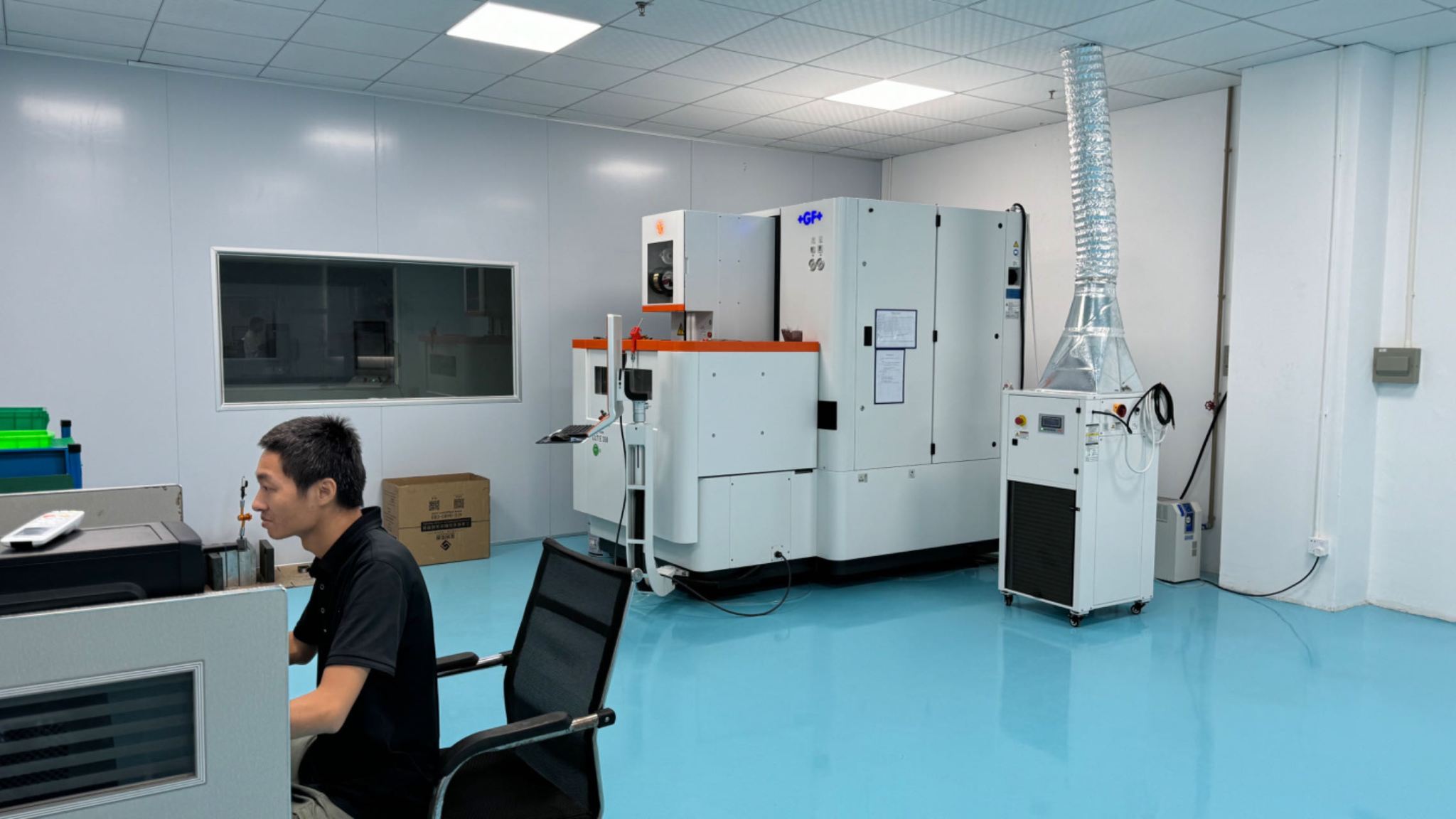
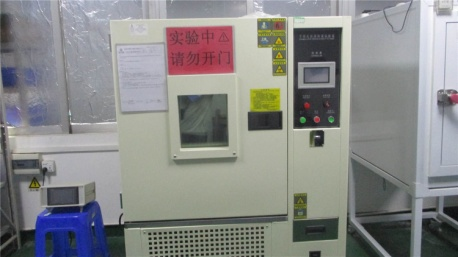
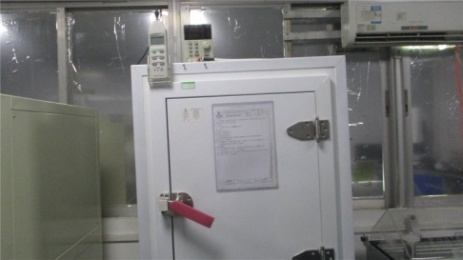
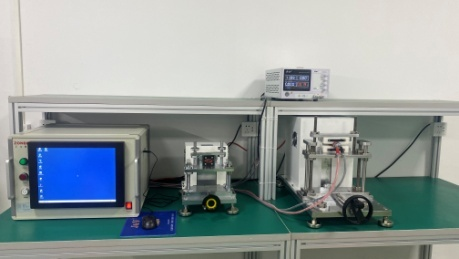
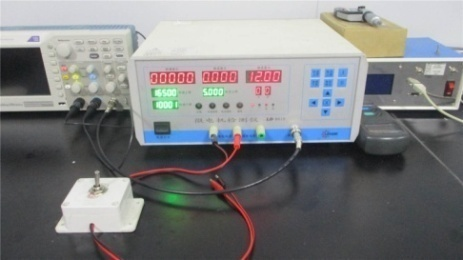
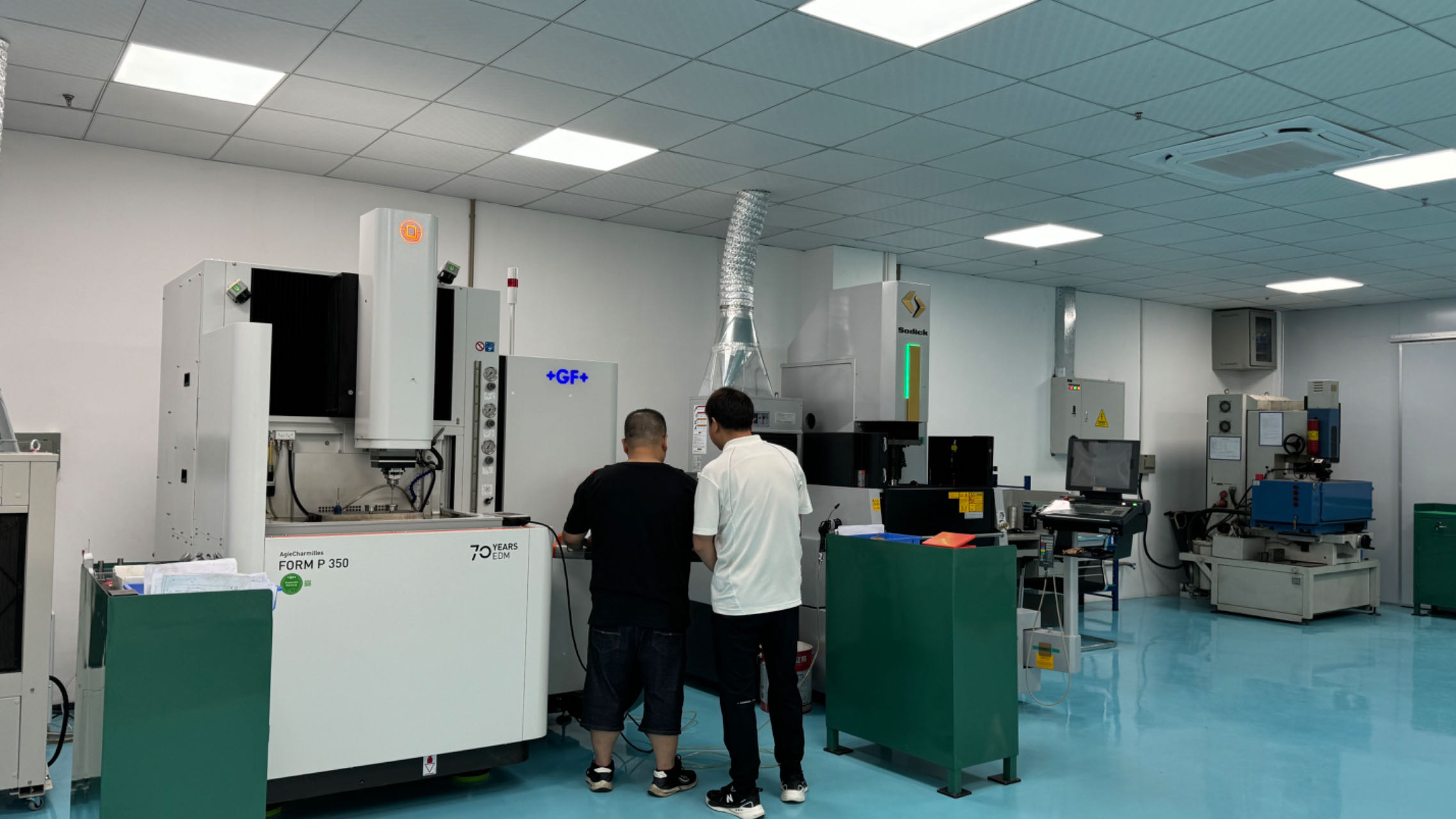
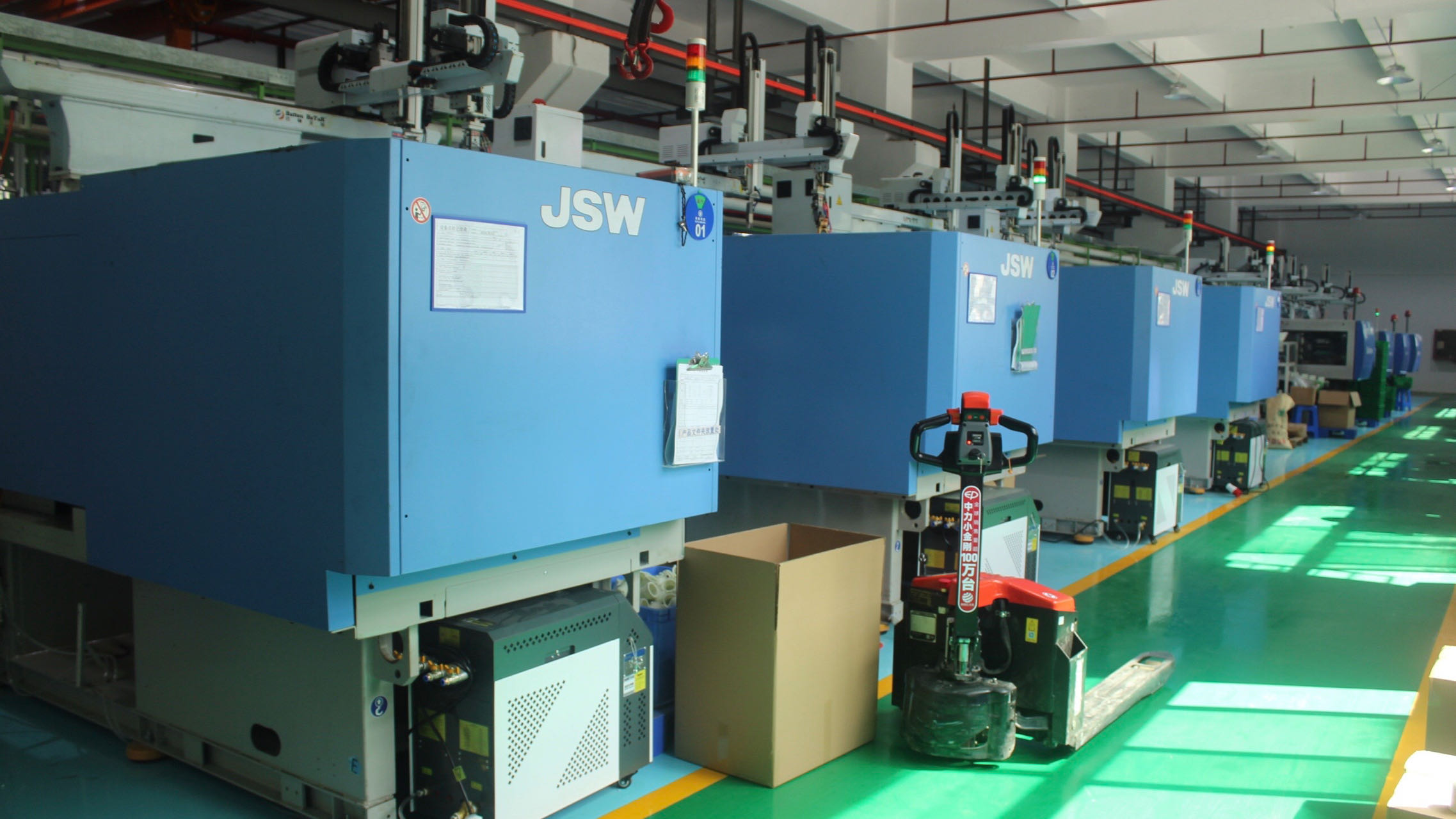
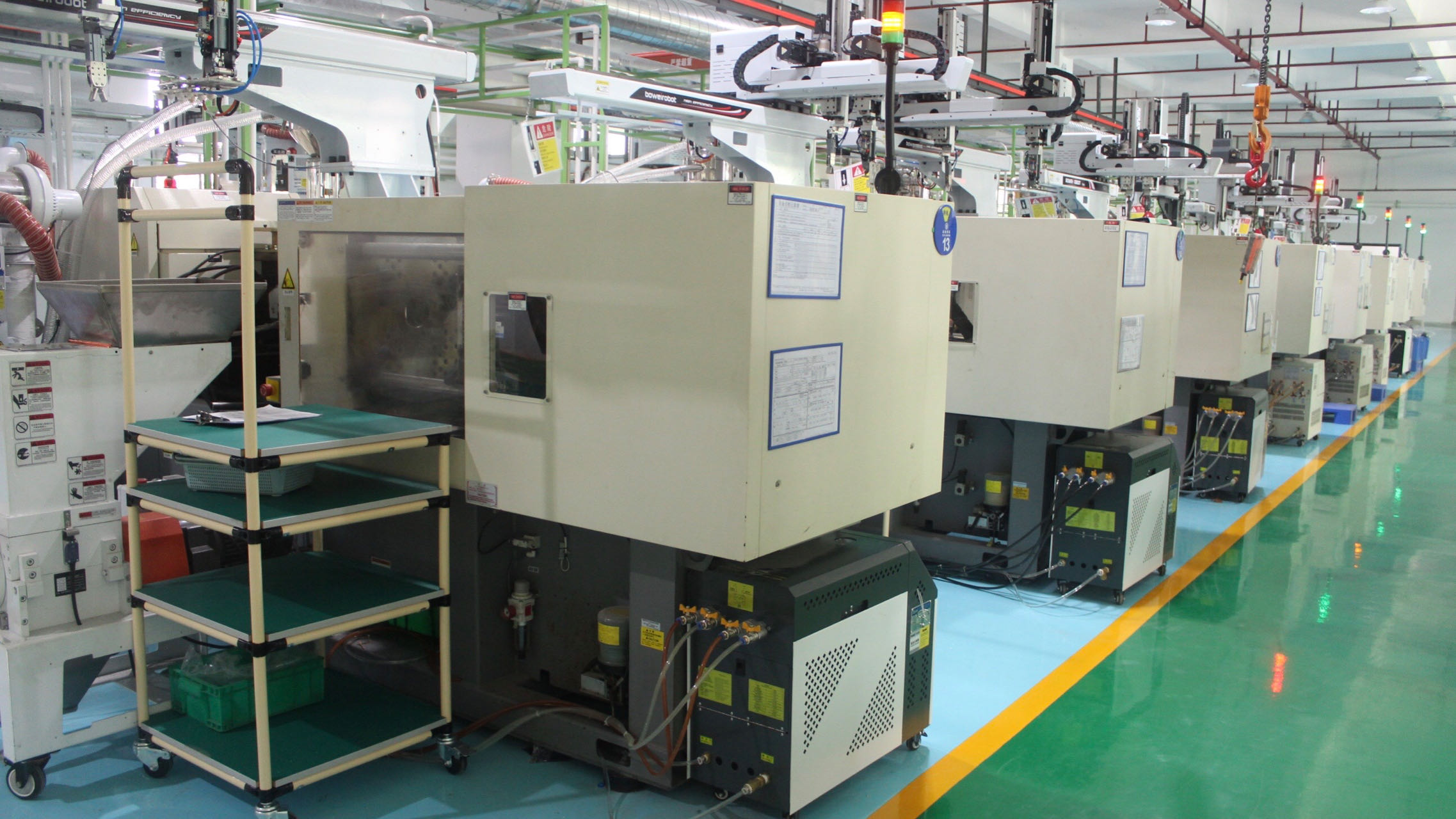
Excellence in electric motor control starts from raw material metallurgy to final automated testing. Explore our state-of-the-art machinery and rigorous QC protocols below.