DC Motor B2B
Featured Precision Low Voltage DC Motors
Engineered for extreme performance, stability, and high power density across multi-industry assemblies.
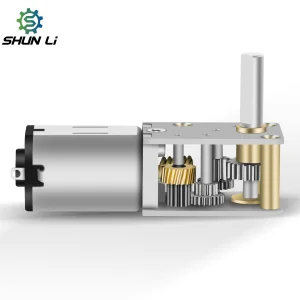
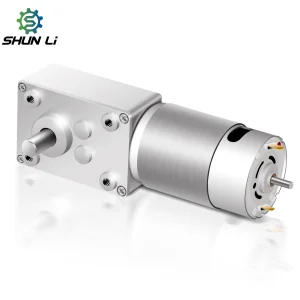
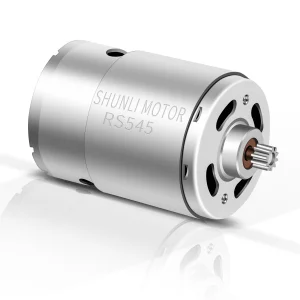
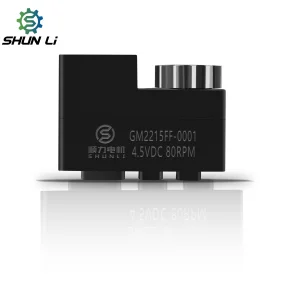
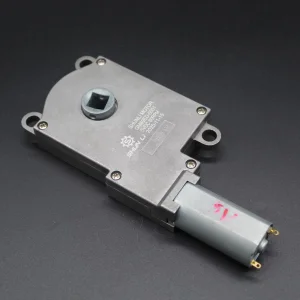
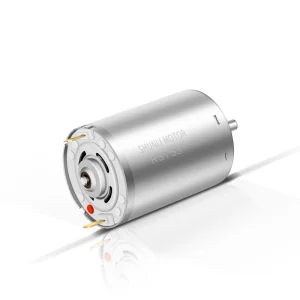
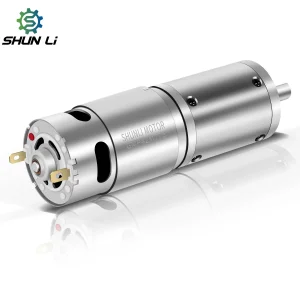
ABOUT DQC: Packing Massive Torque Into Miniature Spaces
Inside a premium robotic joint, an automated medical pump, or a high-end smart lock, space is the ultimate luxury. At DQC, we measure our success in micrometers and decibels. Our mission is to take advanced, heavy-duty rotational power and compress it into the most compact, energy-efficient footprints imaginable.
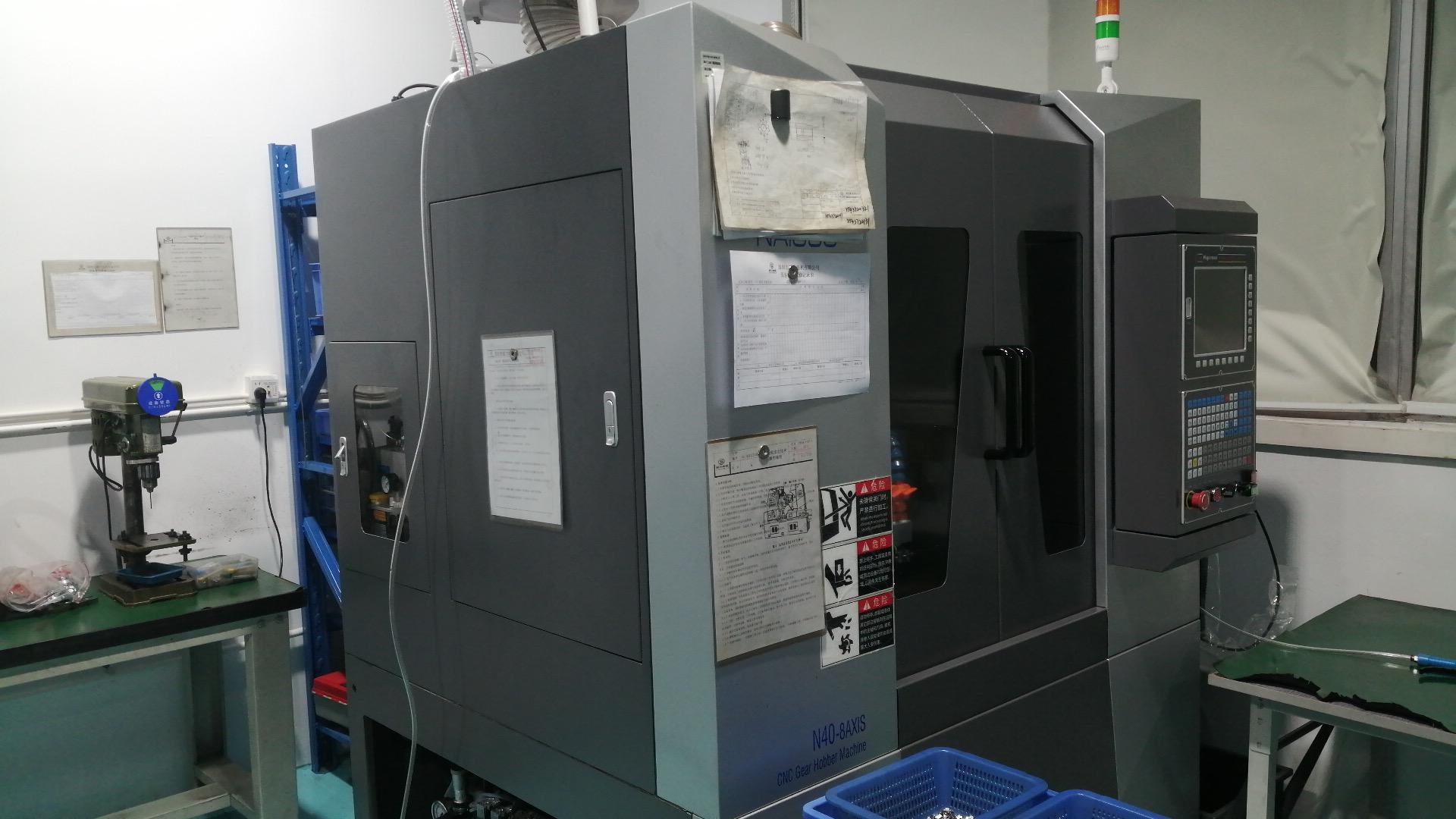
Our expertise lies in the micro-details of motion. From precision-wound copper rotors and high-purity commutators to zero-backlash planetary gear trains, every single internal component of a DQC motor is optimized to eliminate friction and maximize heat dissipation. By combining advanced automated Swiss-style hobbing with Japanese dynamic balancing, we ensure our micro drives deliver the fluid, whispering-quiet power your brand promises. When your next high-tech innovation relies on repeated mechanical perfection, let DQC be the core that spins it forward.

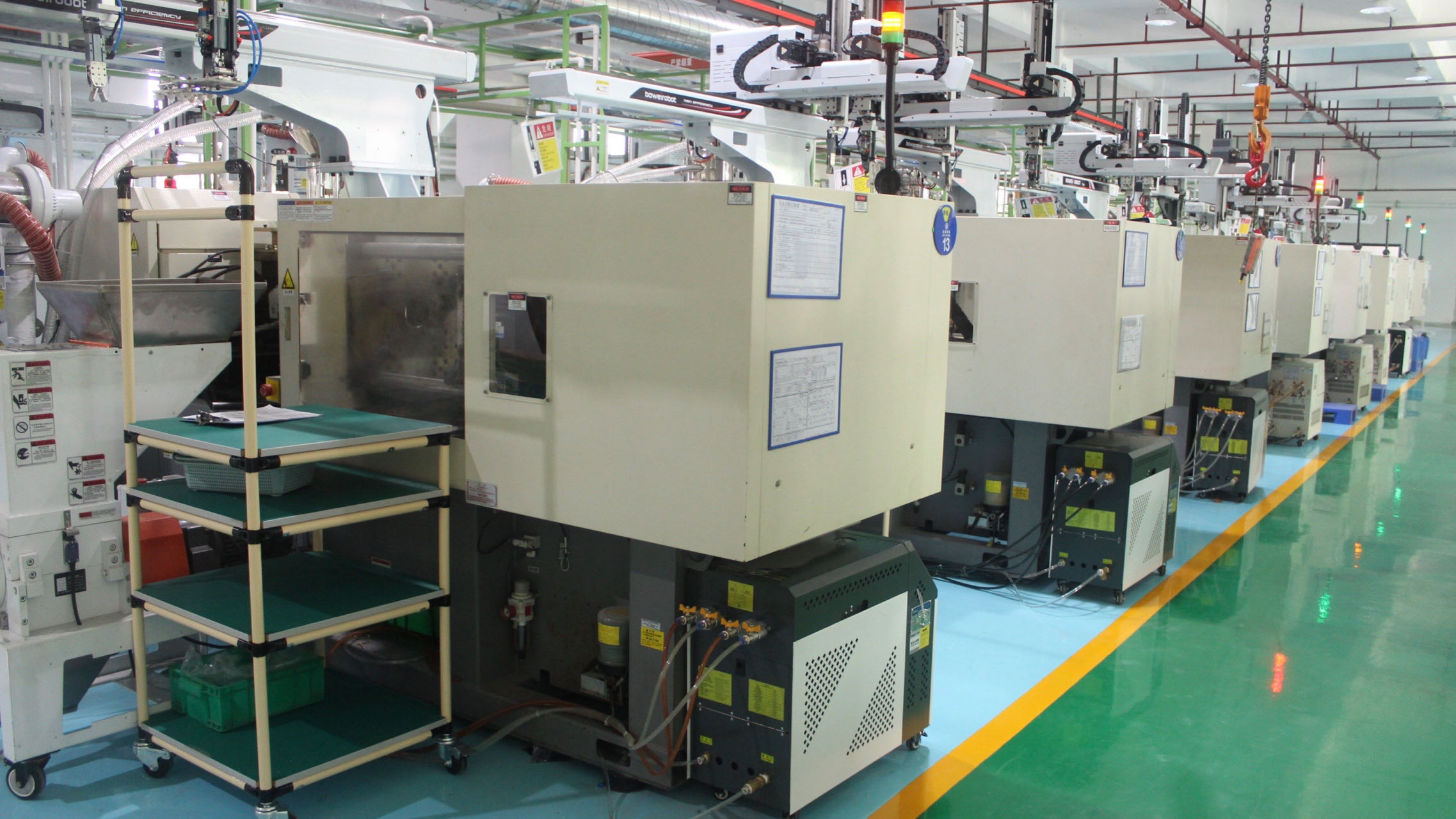
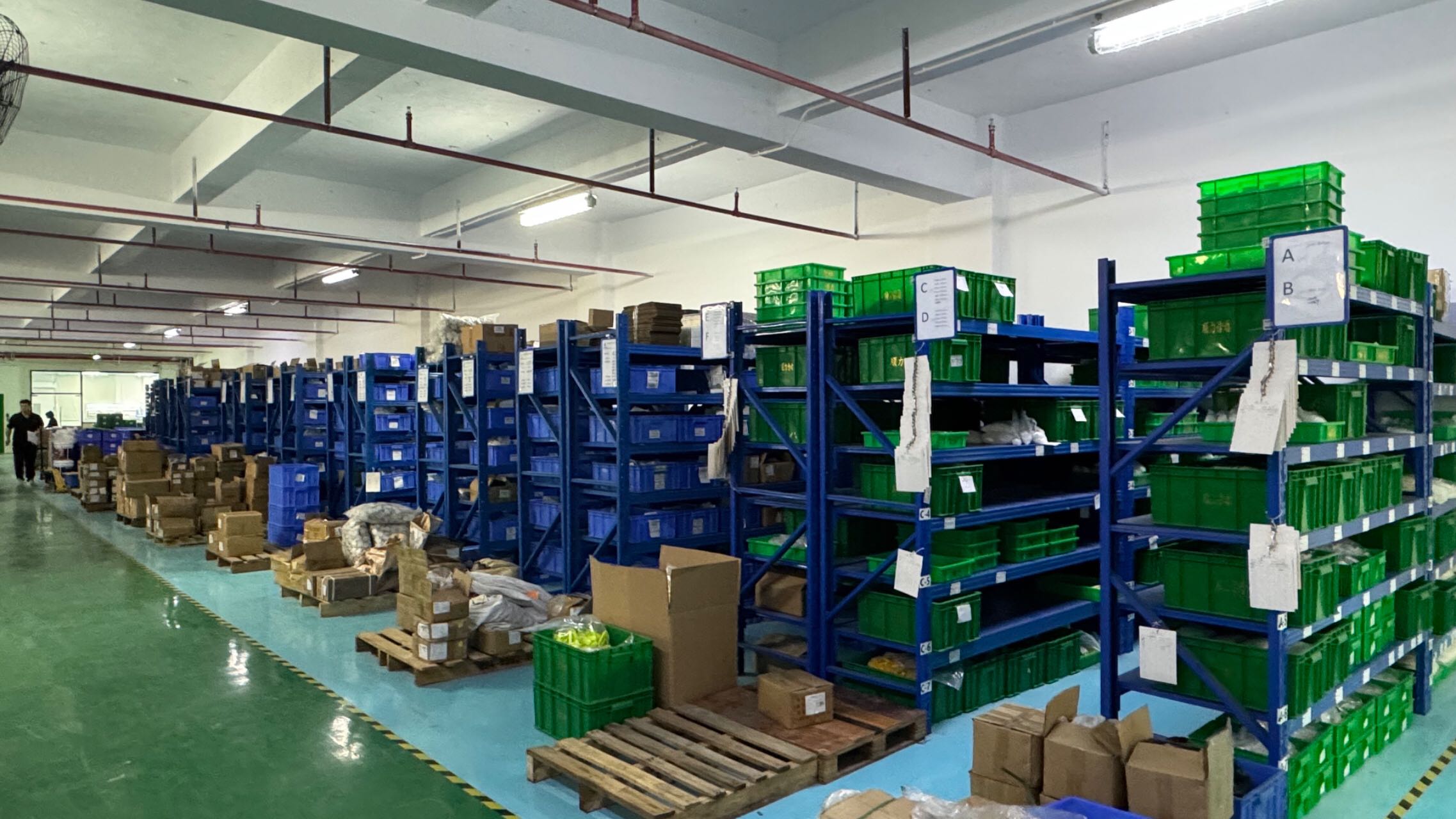
The Structural Advantages of Sourcing Low Voltage DC Motors from China
In the highly competitive arena of hardware engineering, sourcing micro-motors requires a fine balance between cost-efficiency and relentless quality control. Top China low voltage DC motor factories, located primarily in manufacturing powerhouses like Shenzhen, Dongguan, and the Yangtze River Delta, have advanced past the era of low-cost manufacturing. Today, they lead globally through intense vertical supply chain integration and high-end manufacturing practices.
Sourcing from premier Chinese factories offers significant strategic advantages:
- Integrated Core Supply Chains: Close proximity to rare-earth mines and refinement facilities ensures instant access to high-grade NdFeB magnets, copper wires, and specialized bearing alloys.
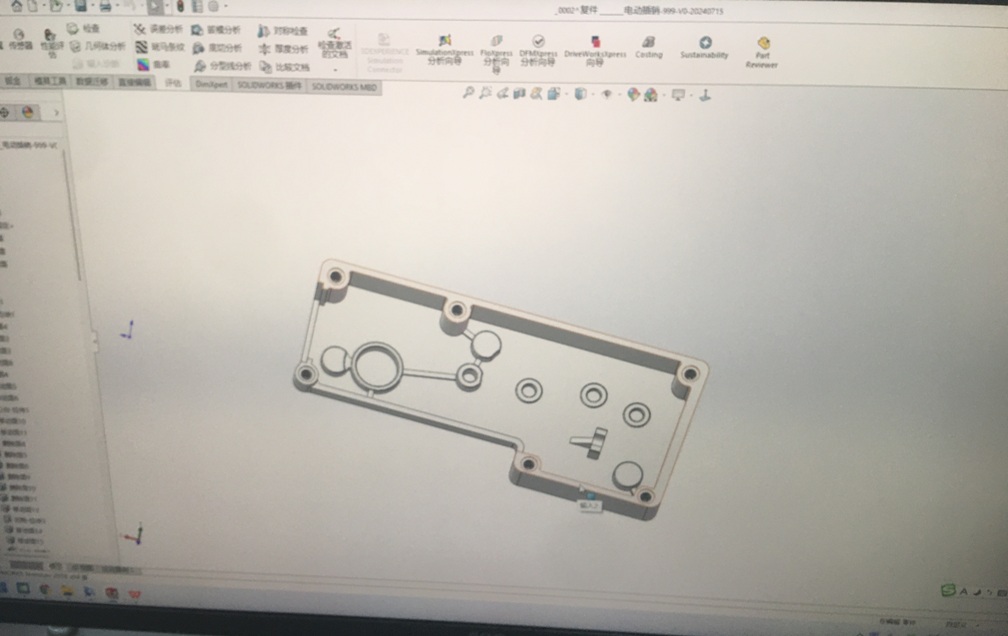
- Unparalleled ODM/OEM Versatility: Direct conversion of CAD blueprints into production prototypes within 5-7 business days, including custom output shaft profiles, custom wire harnesses, and specialized gear configurations.
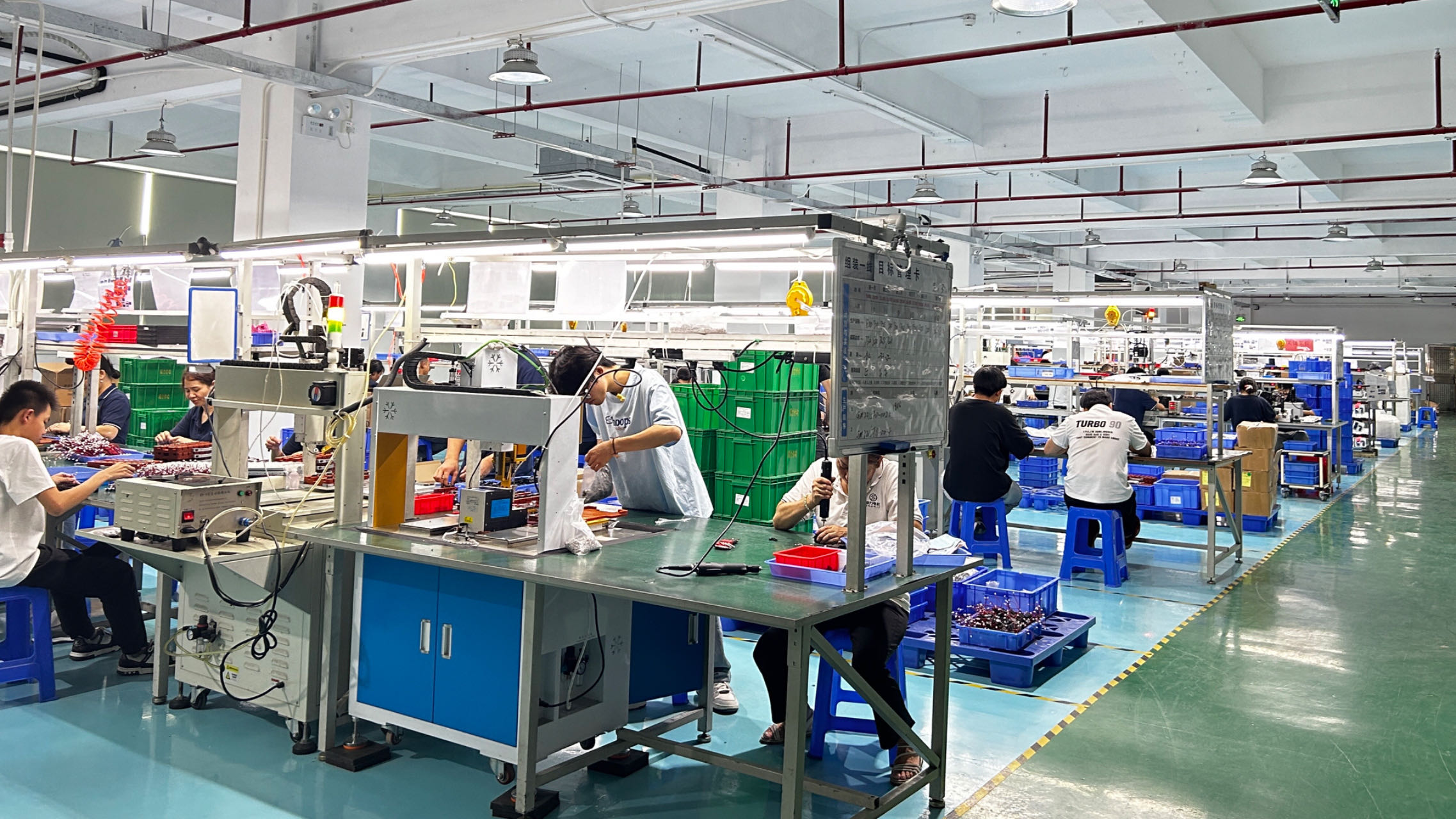
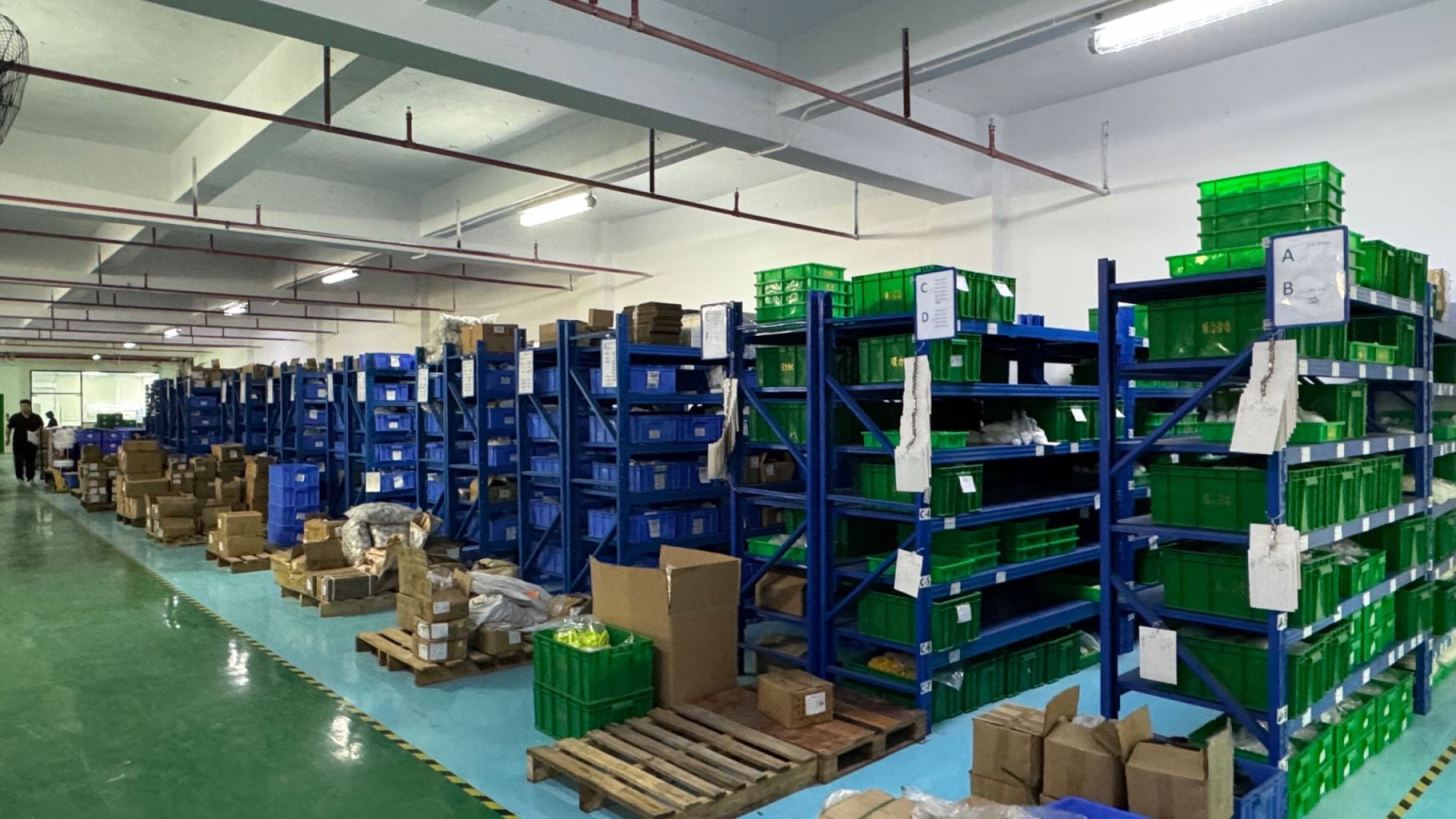
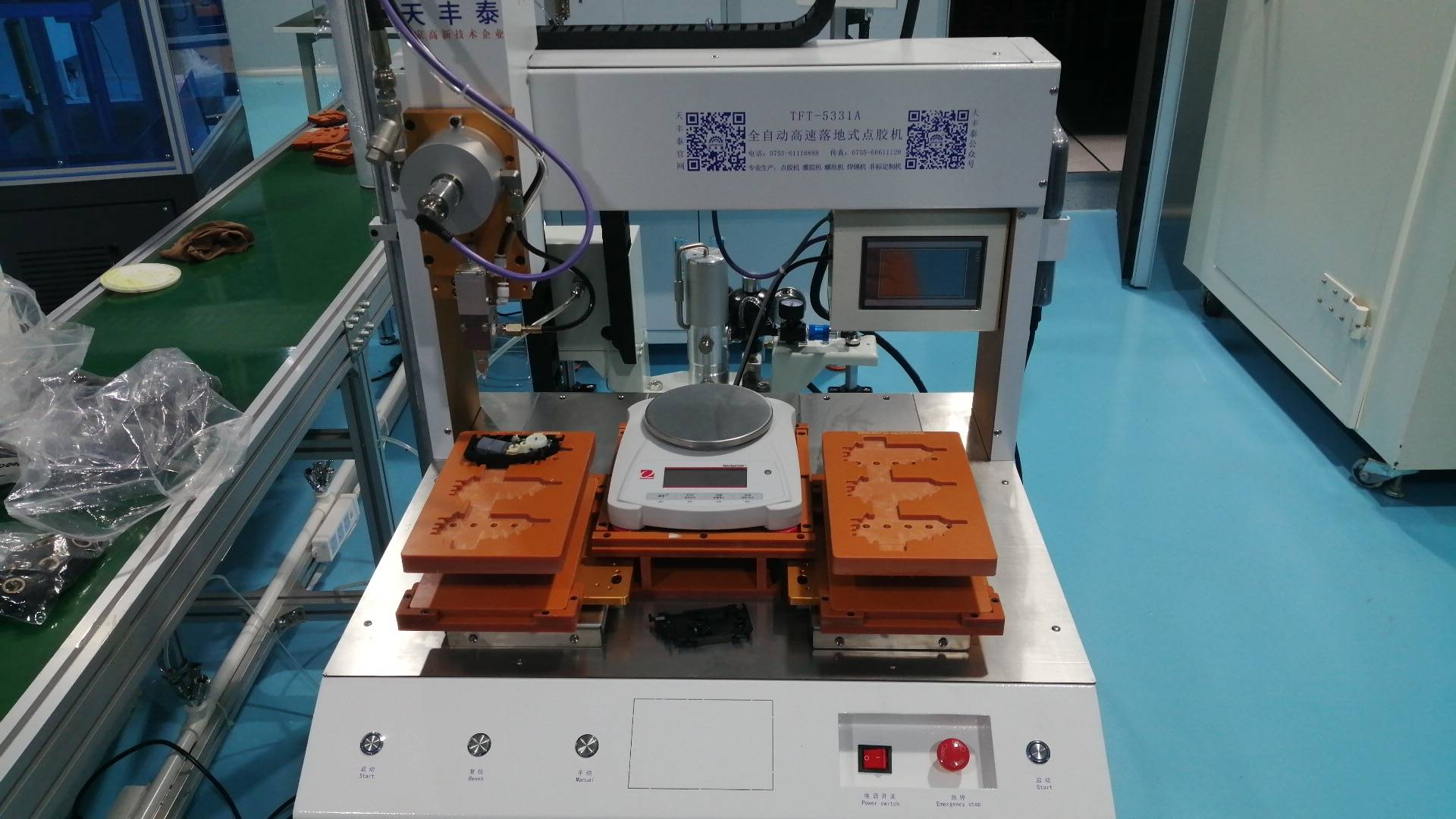
- Advanced Automation Scale: Deploying state-of-the-art winding machines, automatic gear riveting systems, and dynamic balance calibration units to minimize human error and ensure batch-to-batch consistency.
Information Gain Insight: The Material Factor
A primary factor dividing tier-1 Chinese factories from smaller workshops is the grading of their magnetic and copper materials. Premium manufacturers use oxygen-free copper wires with insulation class up to 180°C (Class H) and high-remanence Neodymium (NdFeB) magnets. This selection prevents demagnetization under continuous high-load states, raising thermal limits and providing up to a 35% longer operating life than lower-grade competitors.
Precision Step-By-Step Production Lifecycle
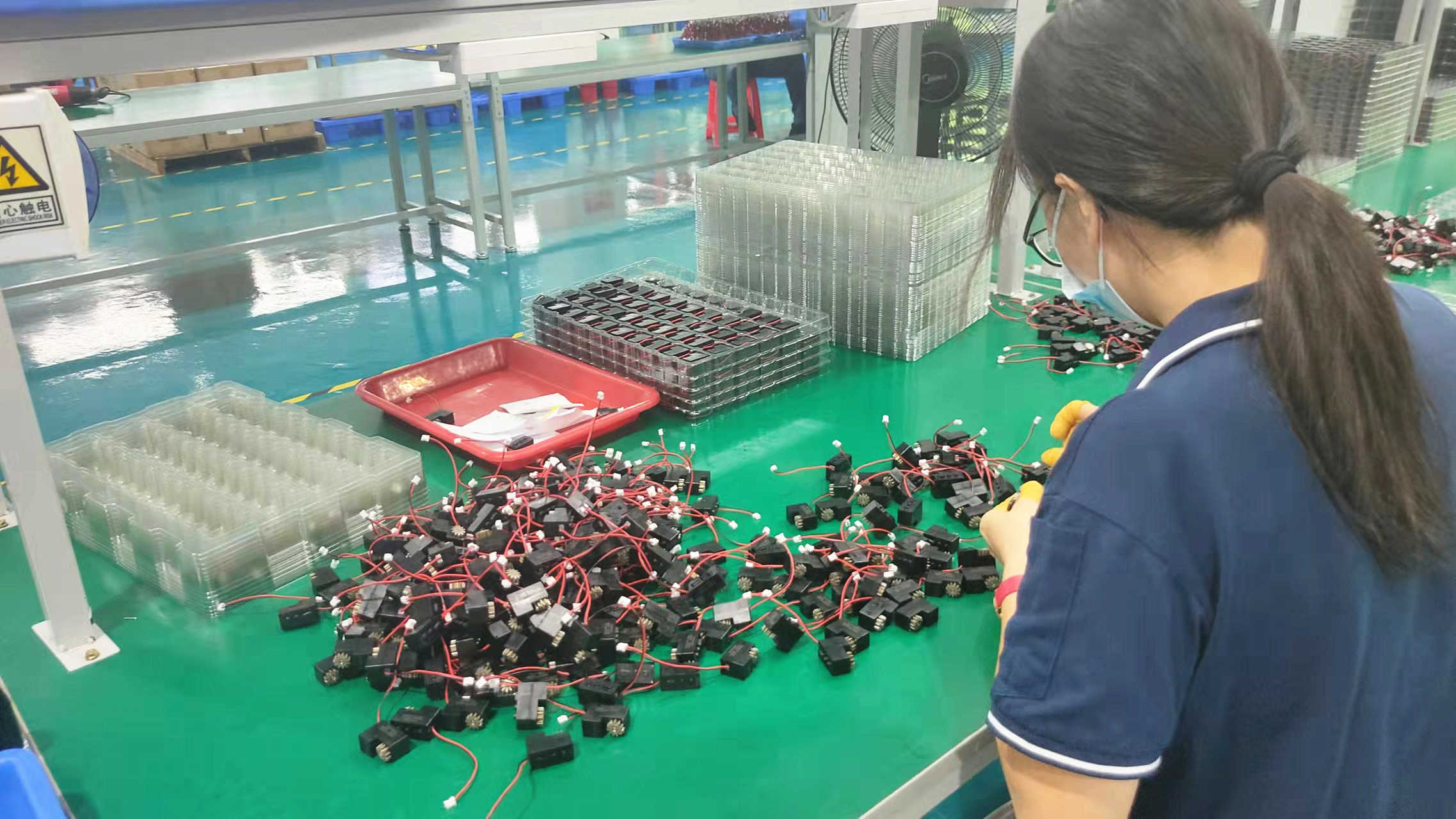
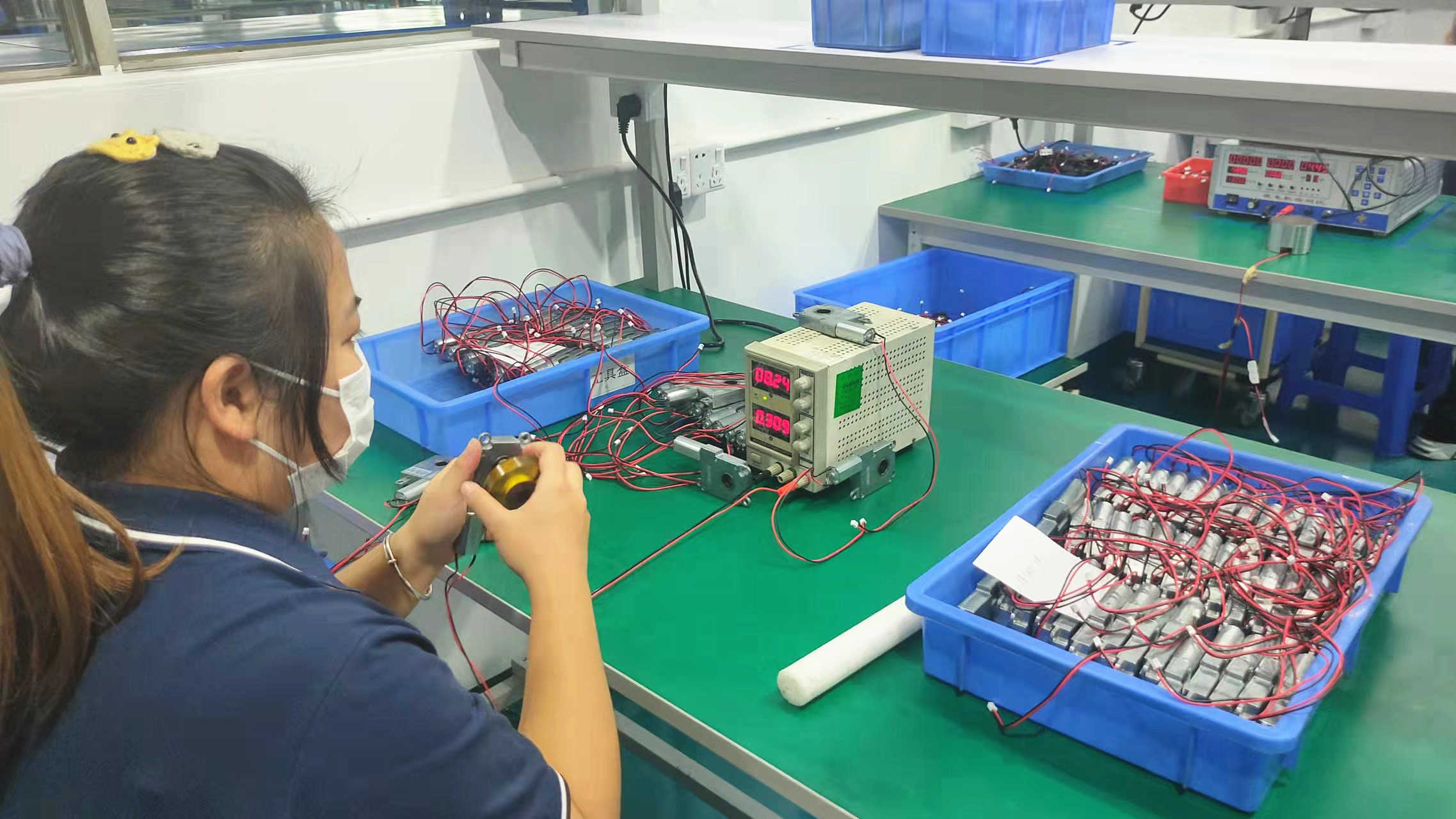
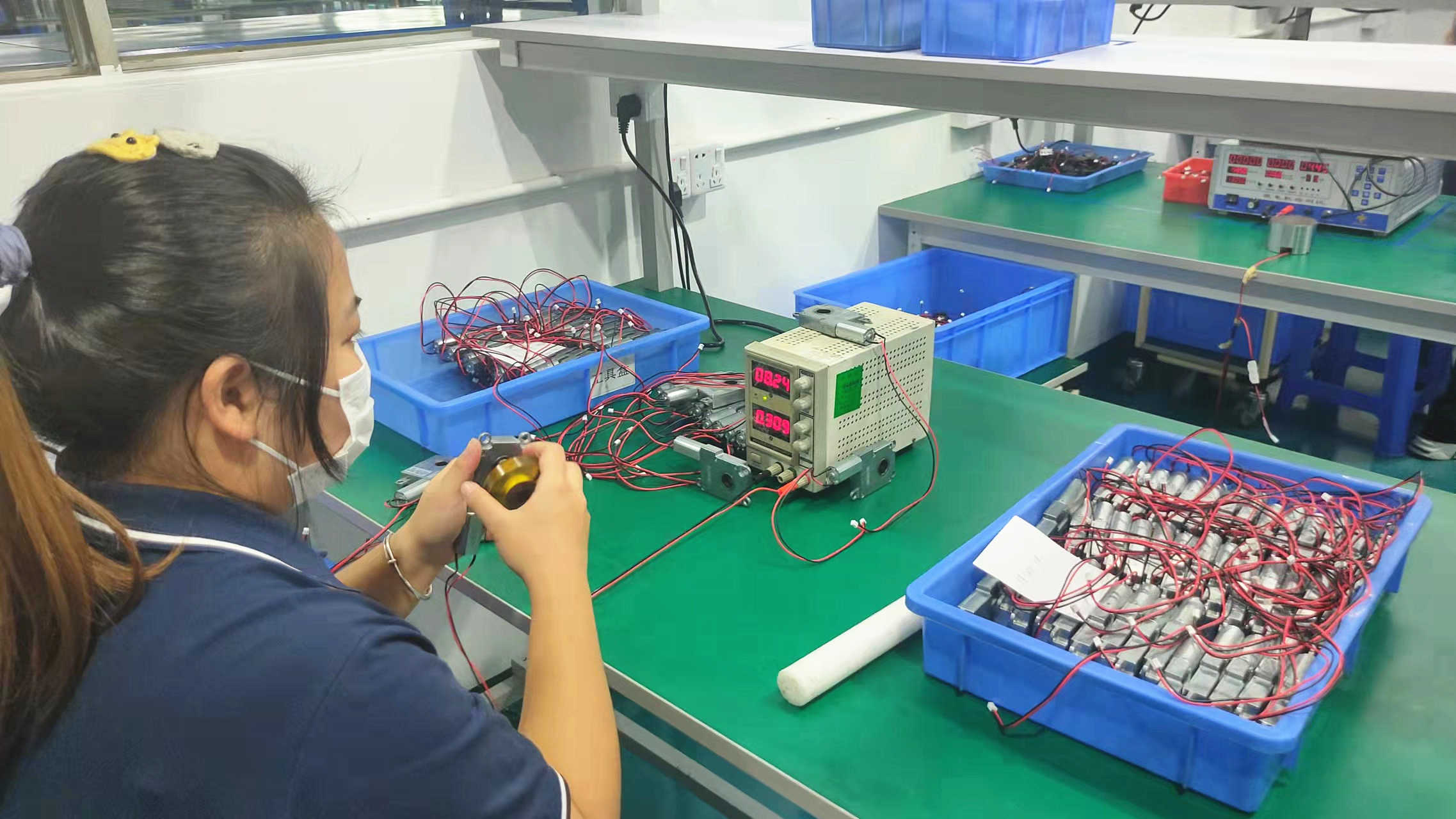
Our automated manufacturing workflow guarantees absolute control over tolerance levels, shaft alignment, and mechanical efficiency at every stage.

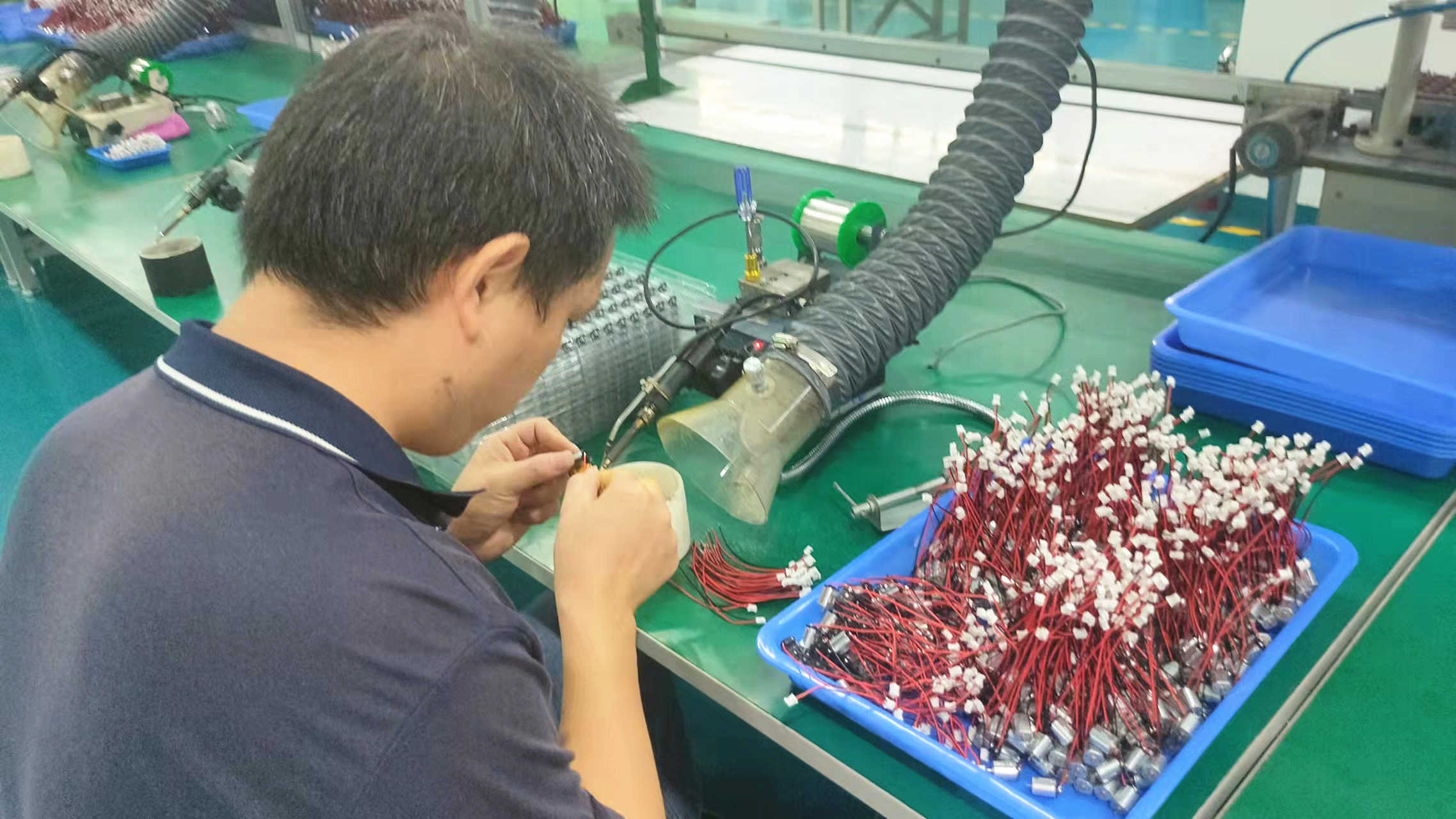
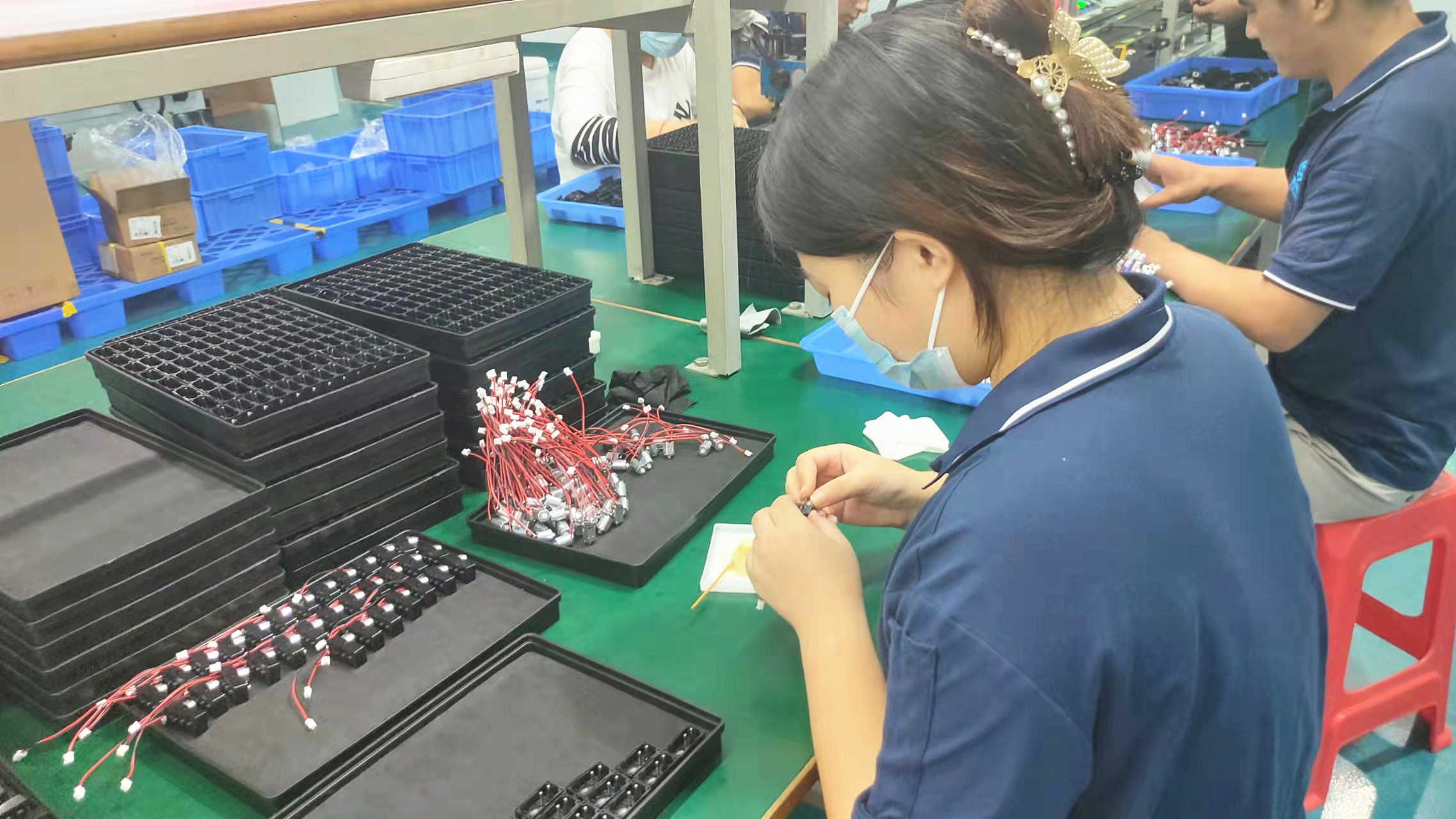
Advanced Production Machinery Portfolio
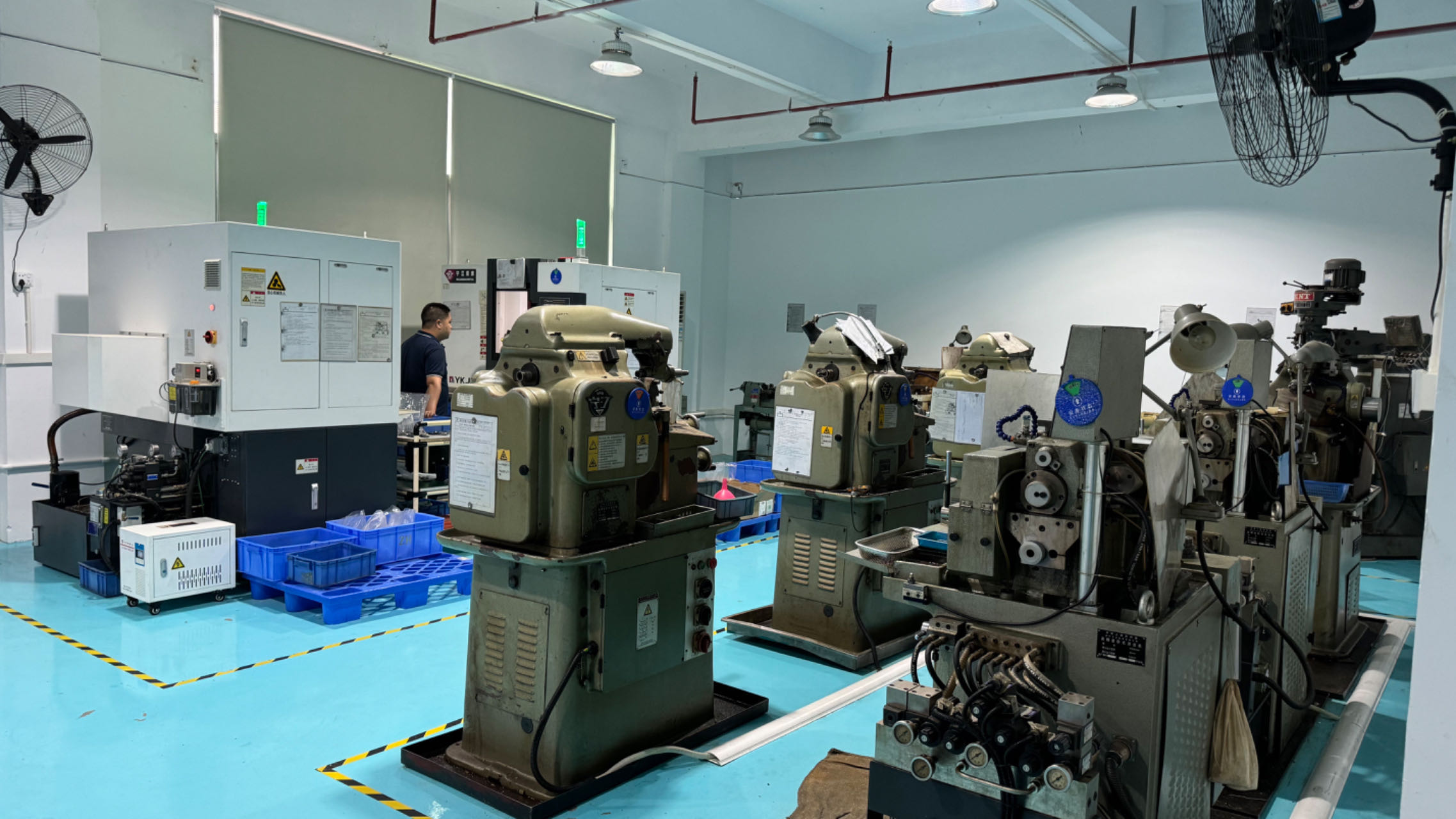
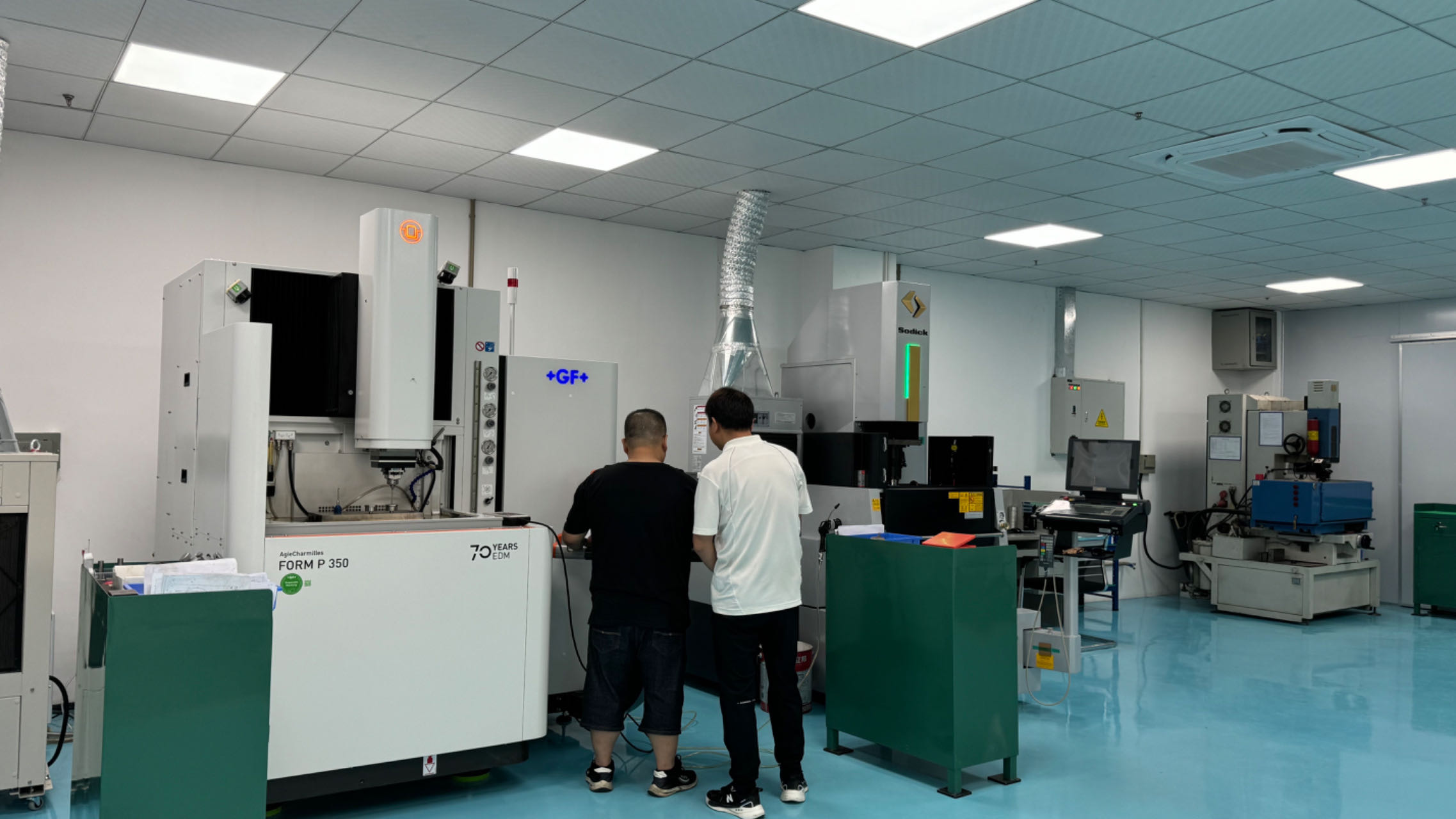
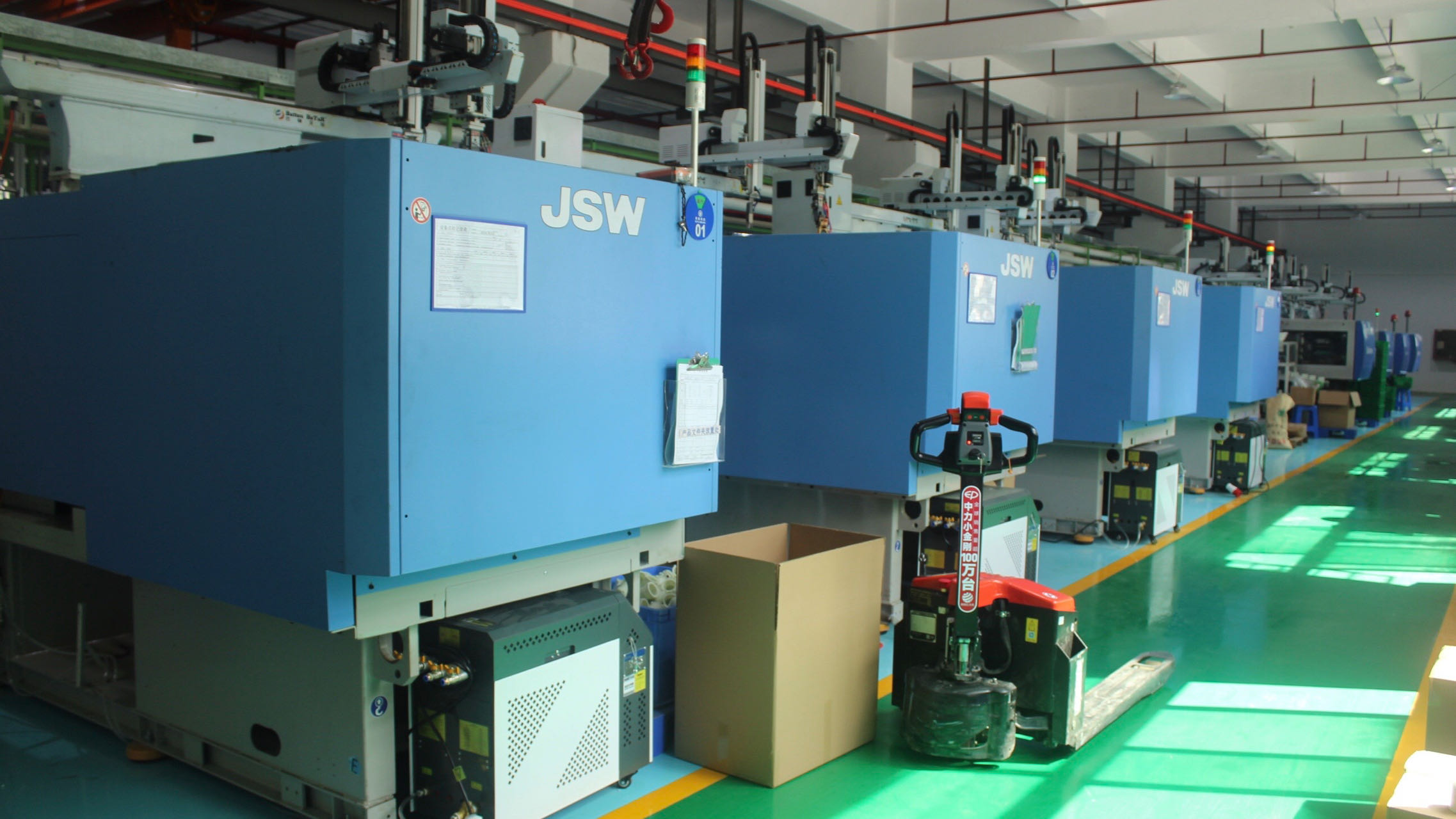
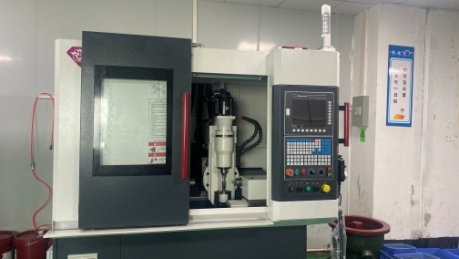
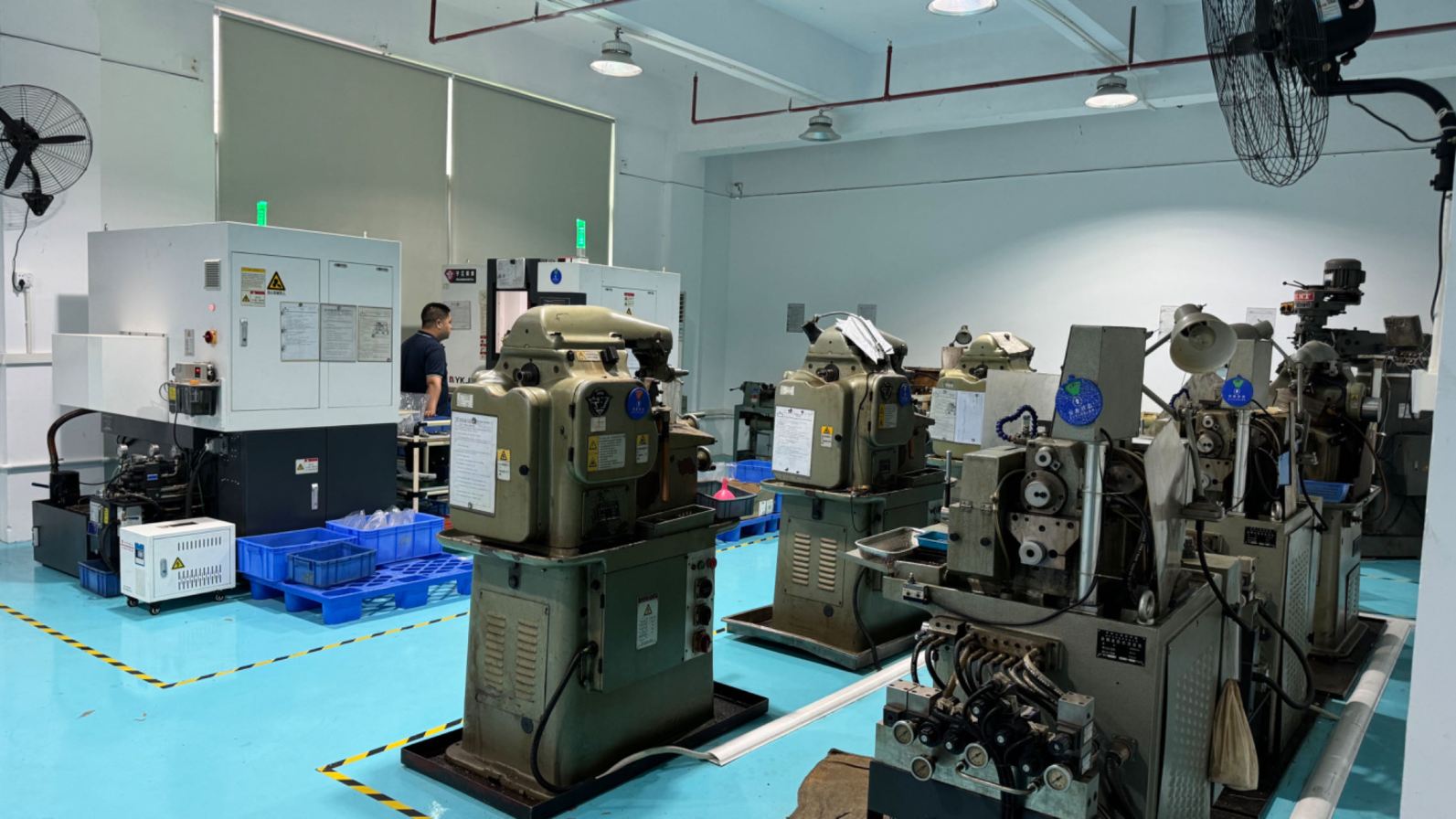
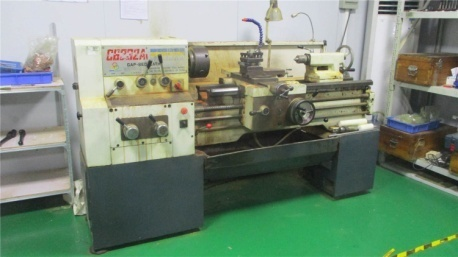
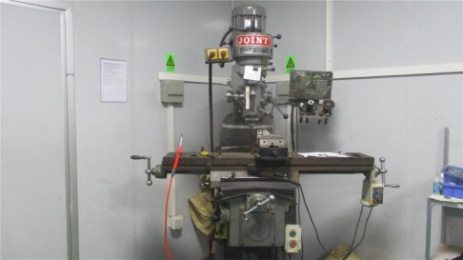
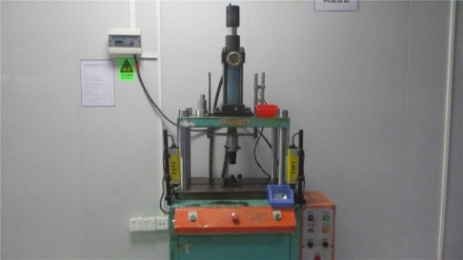
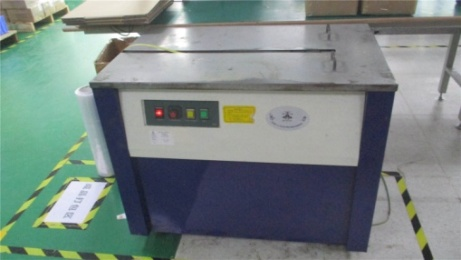
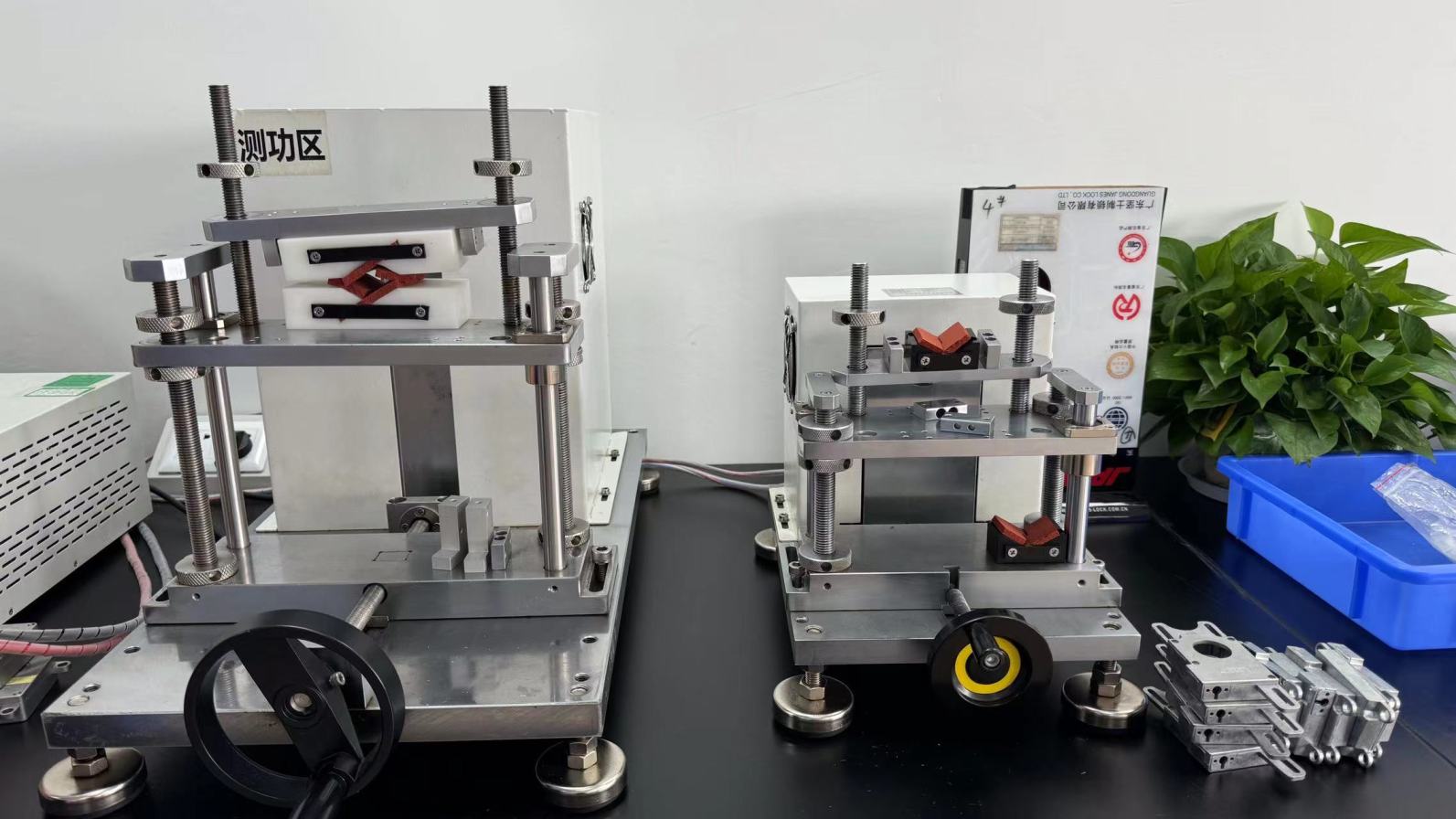
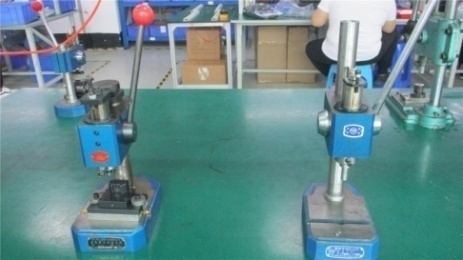
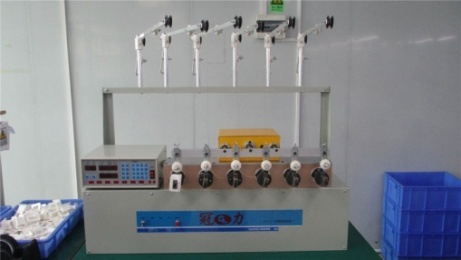
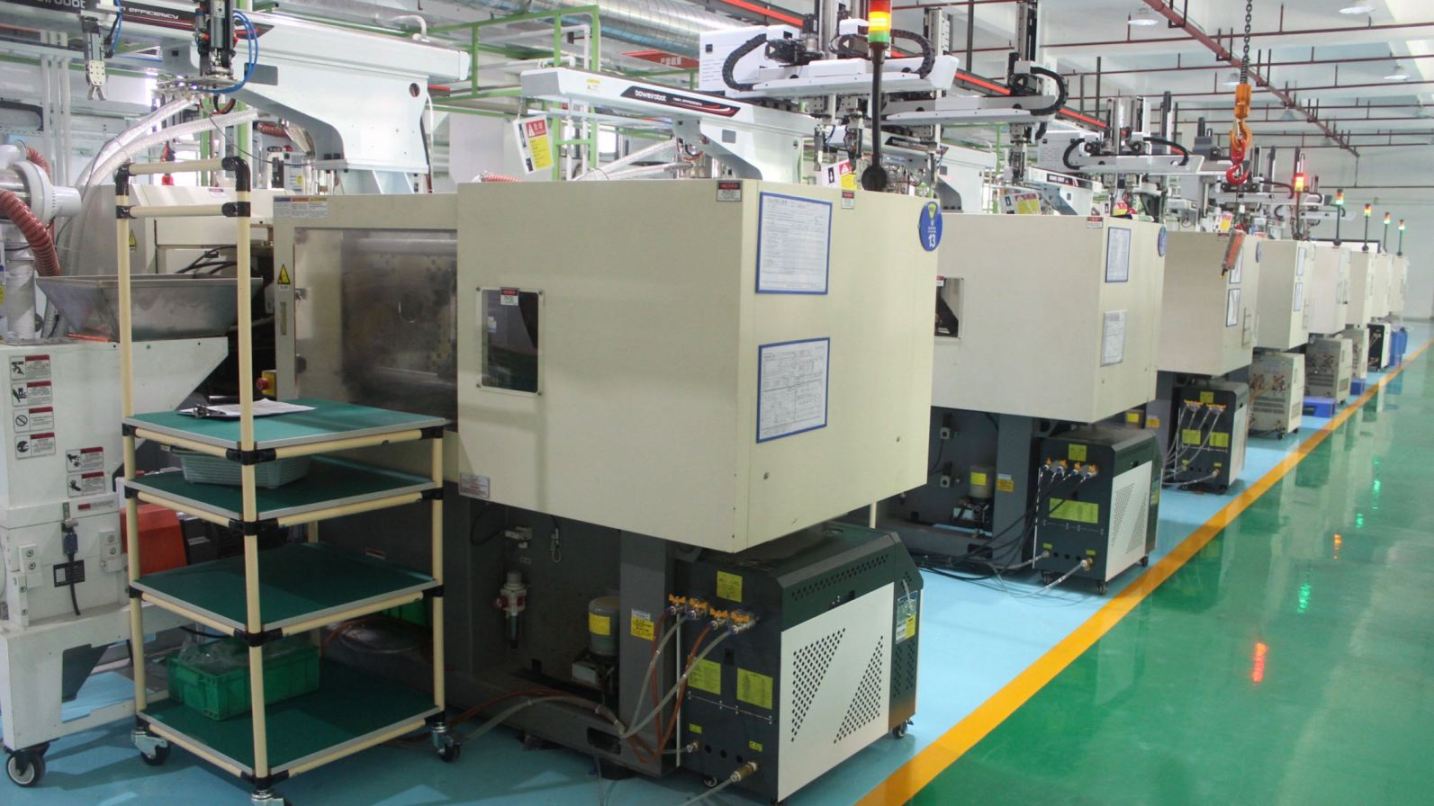
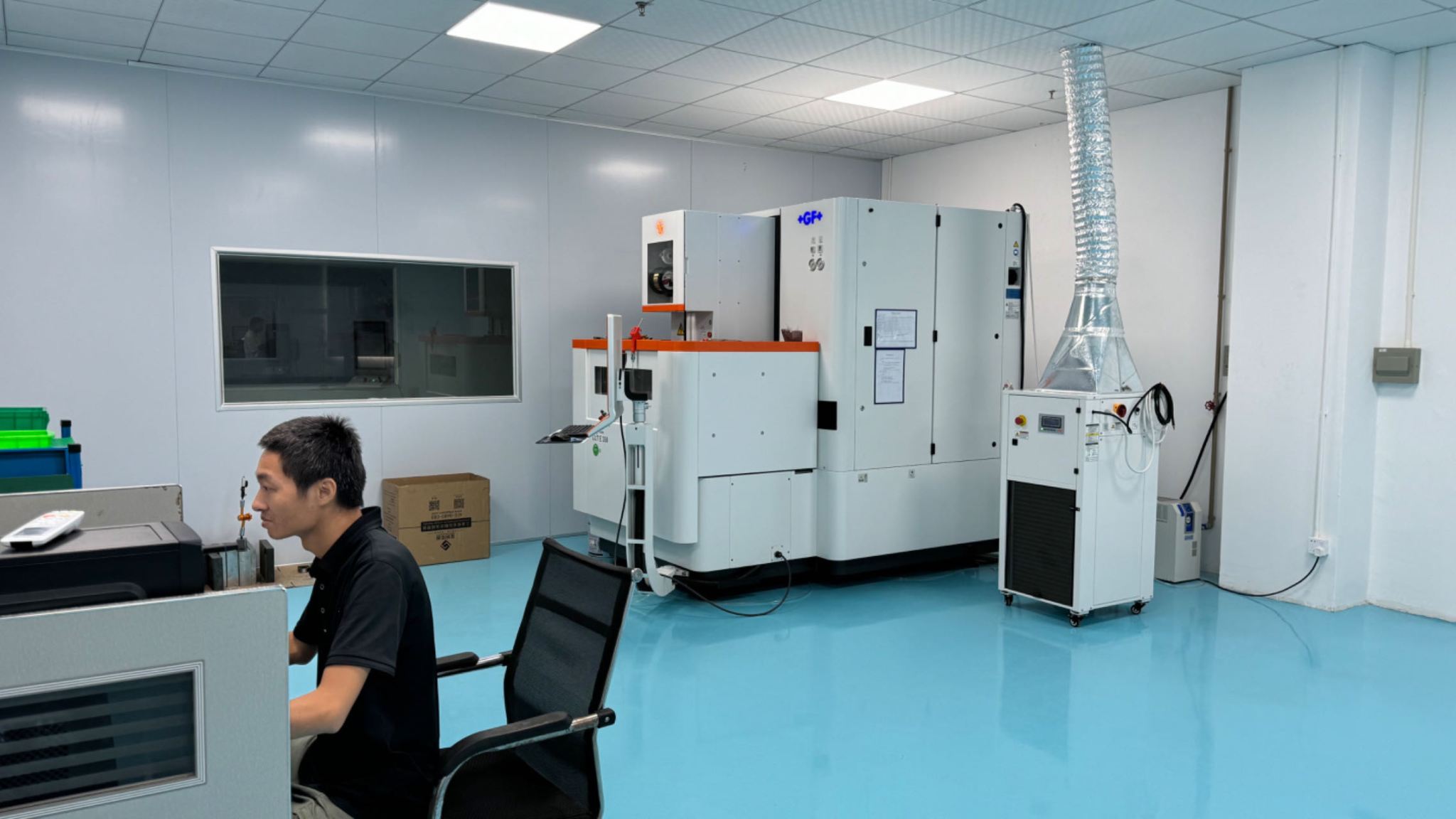
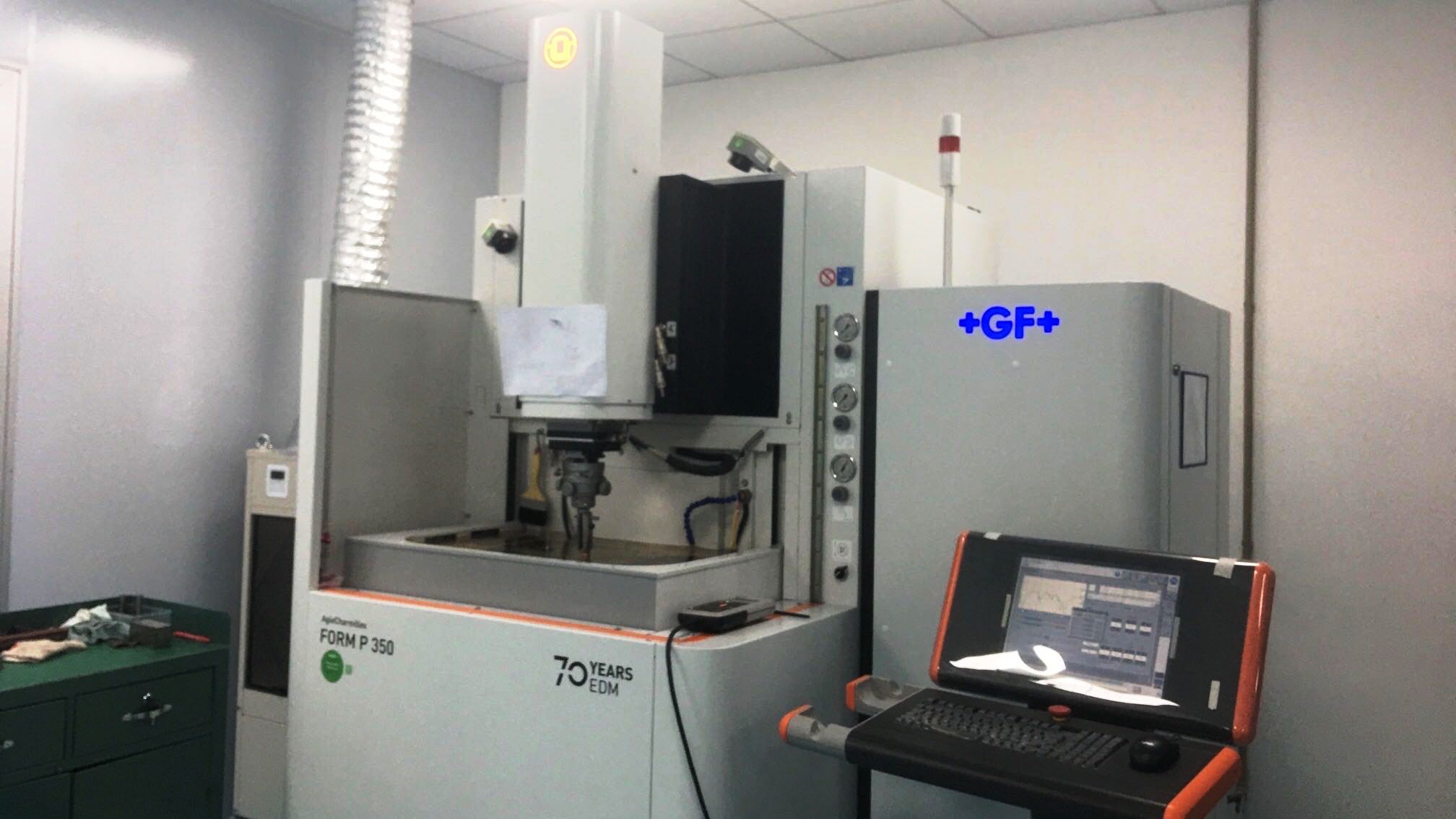
Micro-motion systems demand absolute precision. By using advanced Swiss gear-hobbing systems, high-speed wire winding equipment, and slow-feeding NC wire-cut machines, we maintain production tolerances at the micrometer level.
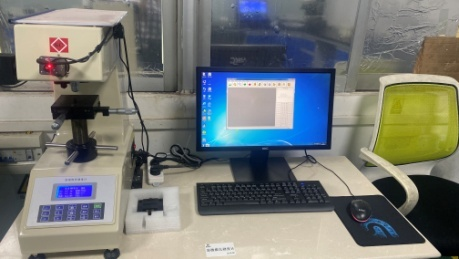
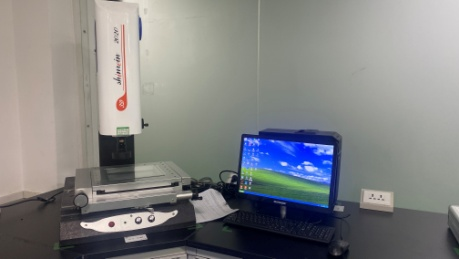
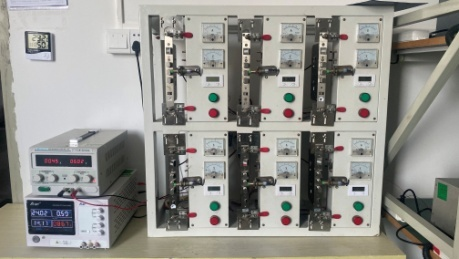
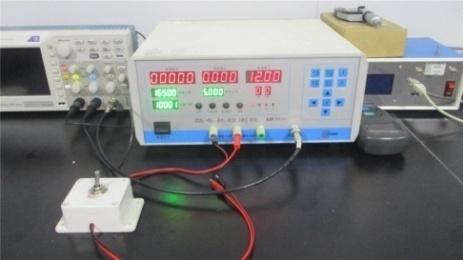
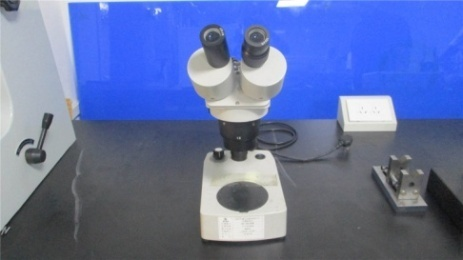
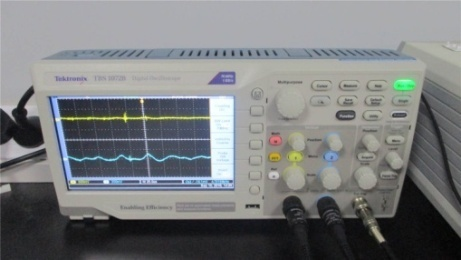
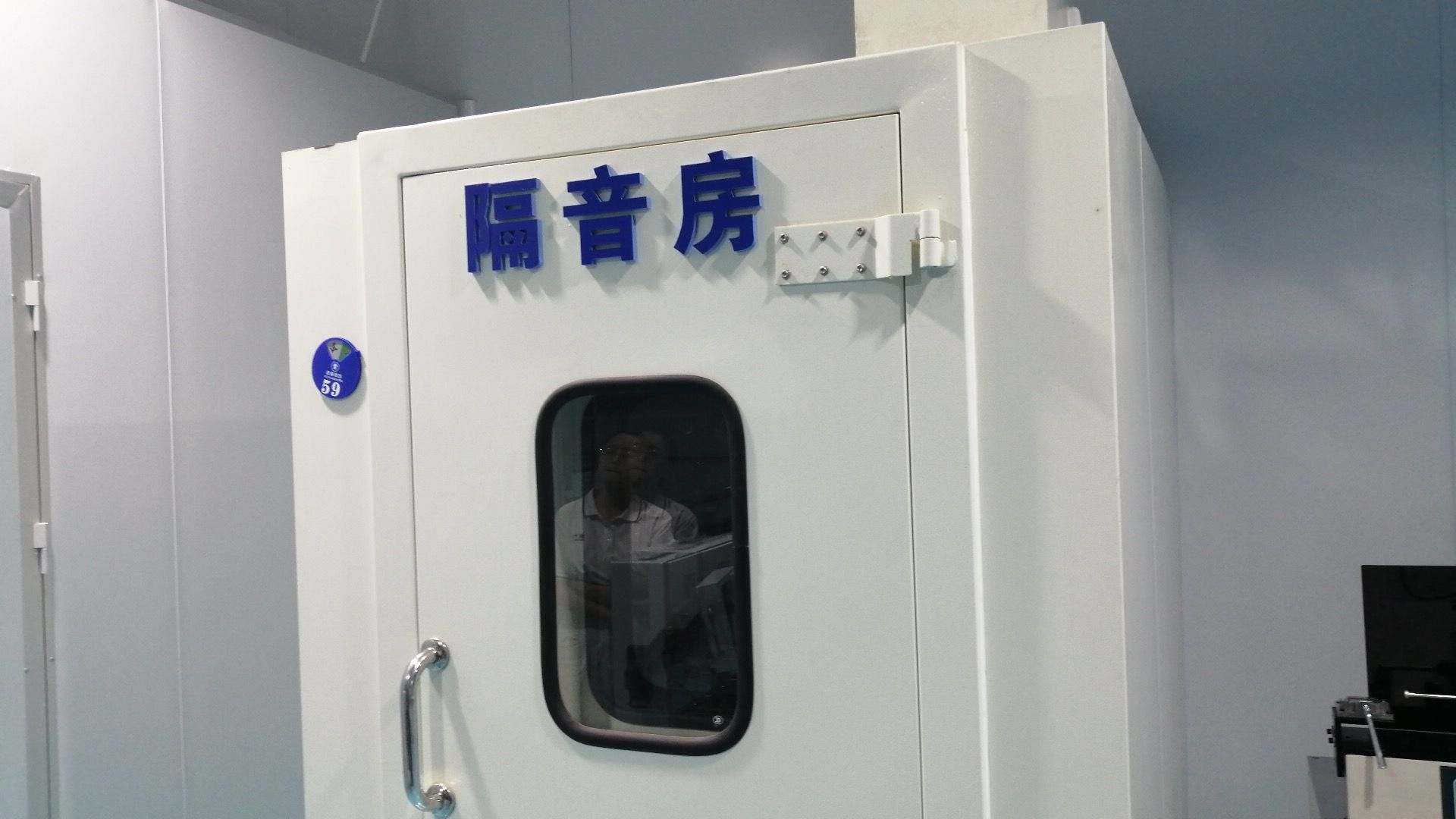
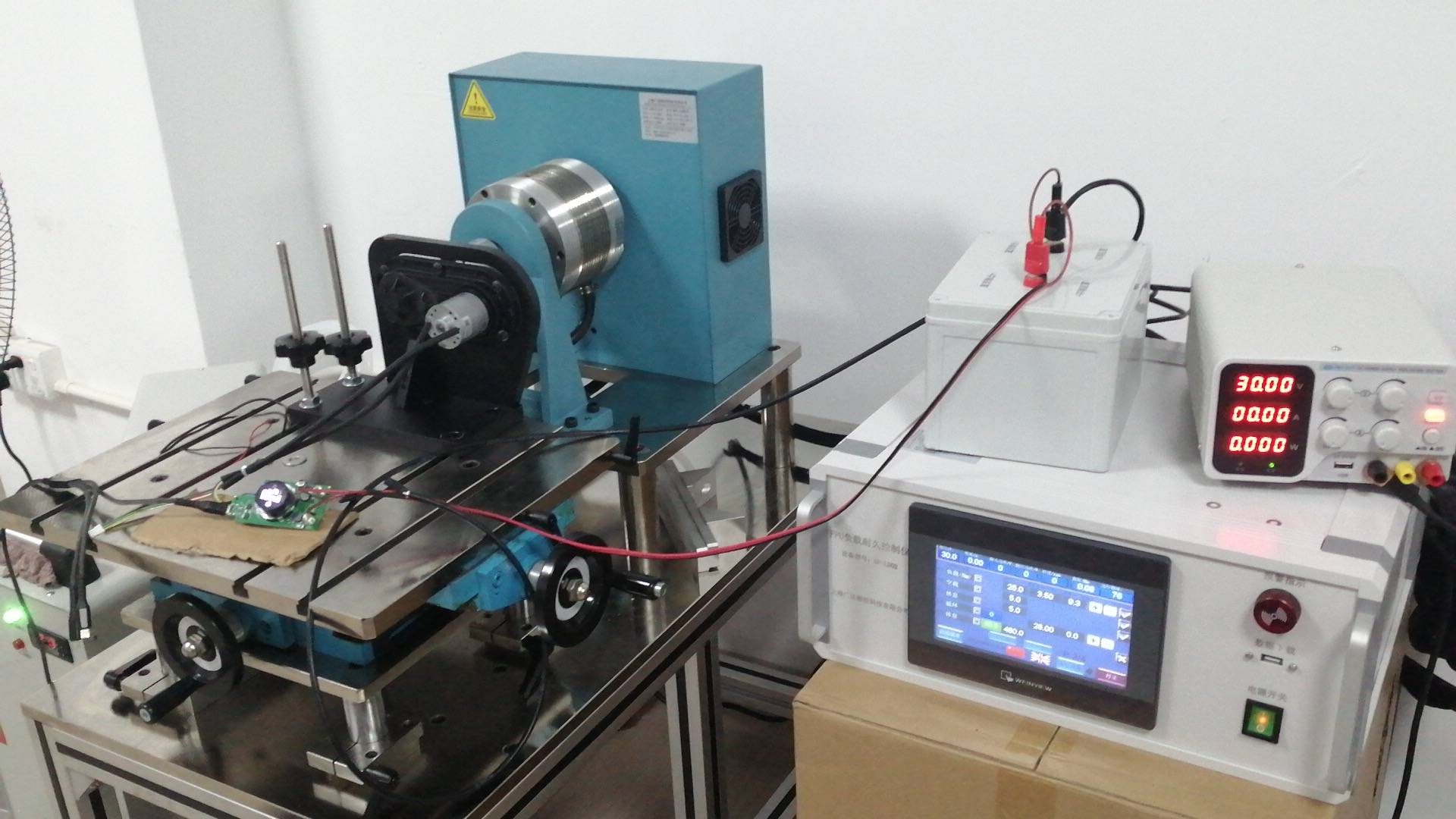
Rigorous Metrology and Quality Assurance Testing
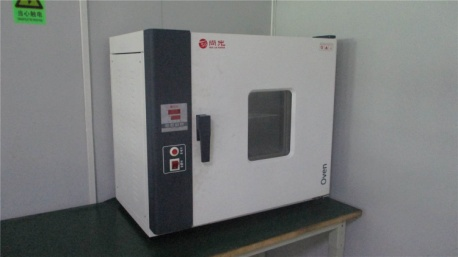
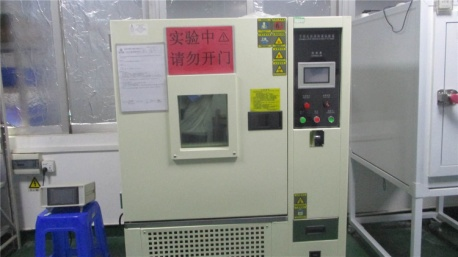
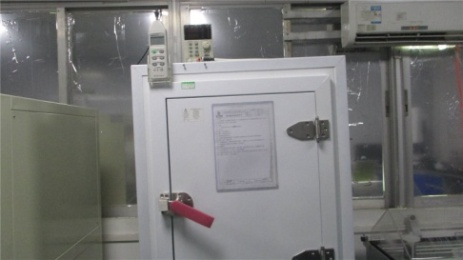
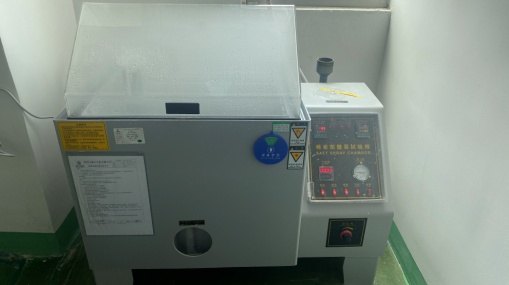
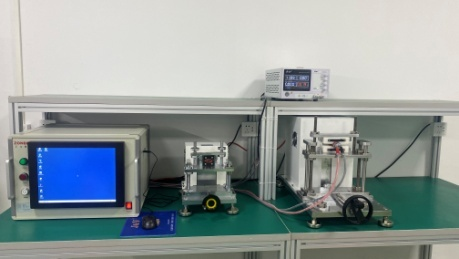
To guarantee reliability in harsh conditions—including high humidity, extreme temperatures, and high-frequency vibrations—we run every production batch through extensive verification tests inside our metrology labs.
Technological Development Trends & Industry Integration
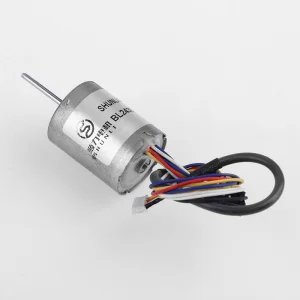
The low voltage DC motor industry is moving rapidly toward higher intelligence, brushless operation, and integrated sensor feedback systems. Modern product designers are increasingly transitioning from standard brushed configurations to high-efficiency Brushless DC (BLDC) systems.
Key Development Paths in Micro-Motors:
- Integrated Encoder Feedback: Brushed and BLDC motors now incorporate high-resolution optical or magnetic encoders. This integration provides precise closed-loop speed and position feedback, which is crucial for robotics, 3D printing pens, and high-end medical pumps.
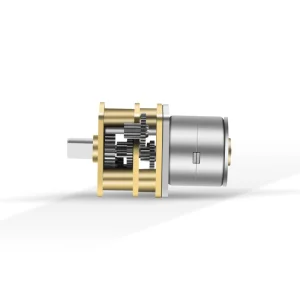
- Optimized Planetary Gearboxes: Upgrading from spur gear arrangements to planetary gear sets allows for higher torque load transfers and low backlash profiles without increasing the outer diameter of the motor housing.
- Enhanced Electromagnetic Compaction: Utilizing specialized computer wire winders increases the slot fill ratio within the armature, boosting torque output from a smaller frame footprint.
Typical Sourcing Application Scenarios:
These micro-drives serve as the mechanical foundation for several critical modern applications:
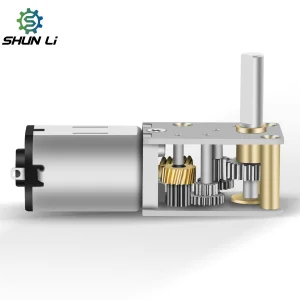
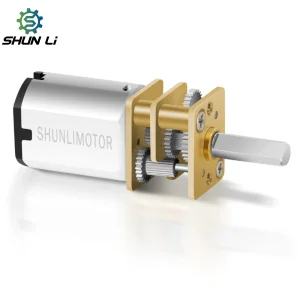
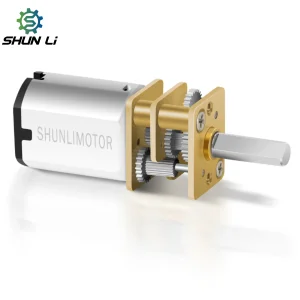
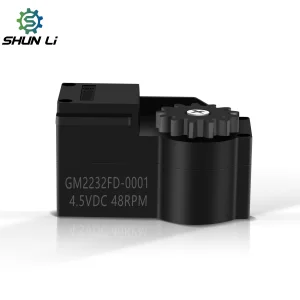
- Smart Security Systems: Small N20 geared motors and 12V lock body motors are the mechanical heart of smart home locking mechanisms. These applications demand high peak torque in tight dimensions, high duty cycles, and quiet operation.
- Personal Care & Medical Appliances: Low voltage 6V-24V micro-motors power premium massage chairs, electric shavers, and cosmetic devices where quiet operation and high speed (up to 15,000 RPM) are essential.
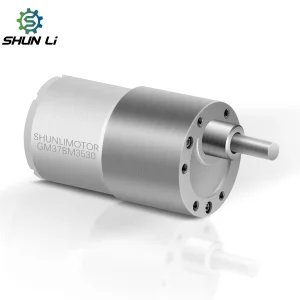
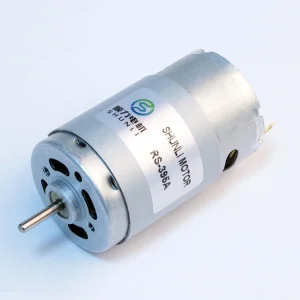
- Precision Tooling & Consumer Electronics: From electric drills and garden tools powered by high-torque RS-380/385 micro-motors to 3D printing pens using mini worm gear motors, performance depends on precise speed control and thermal efficiency.
Engineering FAQ: Choosing the Right Micro DC Motor
Technical guidance to help engineers and procurement teams select and specify low-voltage DC motors.
Choosing between metal and plastic gears depends on your application's load, speed, noise, and cost requirements. Metal gears (made from brass, steel, or sintered powder metallurgy) offer high tensile strength, load capacity, and wear resistance, making them ideal for high-torque applications like automated smart locks or planetary gear systems. Plastic gears (such as POM, Nylon, or PEEK) operate quietly, have lower inertia, offer self-lubrication, and reduce production costs, making them well-suited for high-speed, low-torque consumer devices like electric shavers and toy motors.
Shaft runout refers to the deviation of the output shaft's axis of rotation from its true center. High shaft runout creates uneven loading on bearings and brushes, accelerating wear and leading to increased noise and premature failure. Top factories control runout by using precision Swiss lathes, high-precision grinding machines, and automated dynamic balancing. The final check uses non-contact optical video measurement tools to ensure shaft runout remains within 0.01mm.
Precious metal brushes (gold, silver, or platinum alloys) offer very low contact resistance and low electrical noise, making them ideal for low-current, low-voltage control applications like cameras or medical sensors. However, they are sensitive to high currents and spark damage. Carbon brushes (graphite compounds) are much more durable under high electrical loads, high speeds, and frequent start-stop cycles (such as in garden tools and massage chairs), though they generate more electrical noise and carbon dust. Under rated conditions, precious metal brushes provide a long operating life at low currents, while carbon brushes are preferred for high-torque, high-current applications.
Operating a 12V motor at 6V decreases speed and torque by roughly half, which is generally safe but may cause stalling under load. Running a 12V motor at 24V increases speed and power output, but the elevated electrical and thermal stress will rapidly overheat the armature, degrade the insulation, and wear out the brushes. For reliable operation, it is best to run motors within their rated voltage range. If custom performance is needed, factories can adjust the copper wire diameter and coil winding density to meet your voltage requirements.
Extreme temperatures can cause standard gear greases to break down: high temperatures lower grease viscosity, causing it to leak from the gearbox, while low temperatures increase viscosity, raising internal friction and starting current. Humidity and salt spray can also corrode internal copper windings and steel gear plates. Premium factories address these issues by using specialty synthetic low/high-temperature greases and treating external metal components in salt spray testing chambers to ensure long-term reliability in harsh conditions.
Comprehensive Micro DC Motor Catalog
Explore our full range of planetary gearboxes, stepper controllers, and high-speed brushed/brushless micro drives.