 DC Motor B2B
Precision Micro-Actuator Portfolio
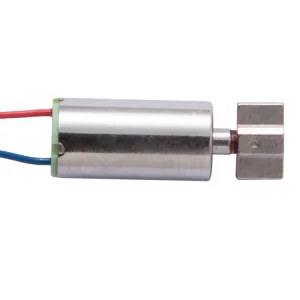
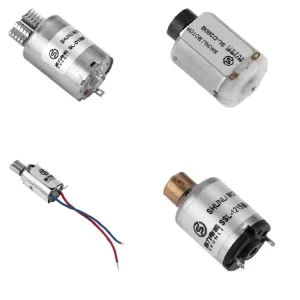
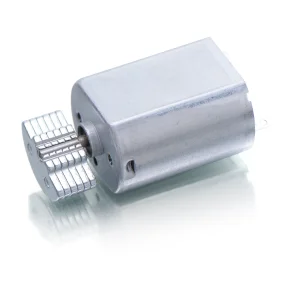
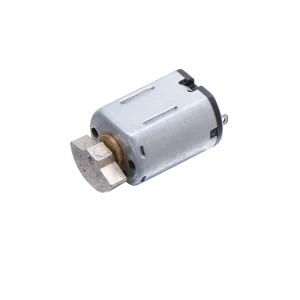
Engineered for immediate integration. These units meet strict quality standards, offering long service lives and optimal electro-mechanical conversion efficiency.
15+
Years Engineering Excellence
99.85%
First-Pass Yield Rate
50M+
Annual Unit Output
100%
UKCA / CE Compliance
UK Haptic Feedback & Precision Micro-Motion Industry Analysis
In high-end mechanical and medical hardware assemblies, physical space is a critical engineering constraint. At DQC (Ningjiang Shunli Motors), we design micro-motion technologies to deliver torque and controlled vibrational feedback within small device footprints. Our micro-drive engineering focuses on precision-wound copper rotors, high-purity commutators, and low-backlash gear assemblies optimized for thermal performance and structural durability.
By pairing precision Swiss-style hobbing with dynamic balancing systems, we supply DC micro vibration motors to UK developers and manufacturing centers. This page details the current UK industrial requirements, supply chain strategies, QA testing workflows, and the technical specifications of our micro-motor range.
Every internal component is configured to reduce mechanical friction, minimize electromagnetic noise, and withstand extended operational cycles in critical devices.

UK Industrial Applications & Hardware Requirements
From medical devices in the Midlands to smart telemetry networks across England and Scotland, micro vibration motors are critical for modern haptic interfaces.
NHS & Medical Devices
Handheld diagnostics, infusion pumps, and clinical alarms require precise tactile alerts. Our motors meet ISO 13485 environments, ensuring operational reliability in critical scenarios.
Smart Metering & Infrastructure
UK smart gas and electricity grids rely on long-life N20 micro motors to operate internal shut-off valves. These components require low standby current draw and high torque output.
Aerospace & Defense
Haptic feedback in pilot controls and simulated military gear requires reliable actuators. Dynamic balancing and soundproof chambers help verify operation under extreme vibration profiles.
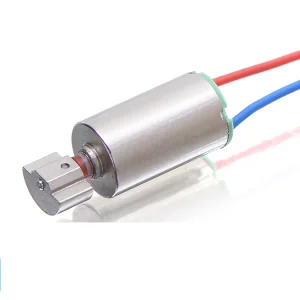
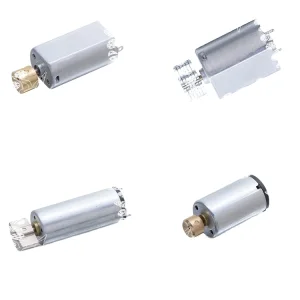
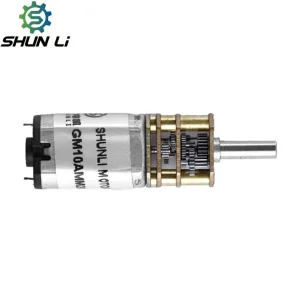
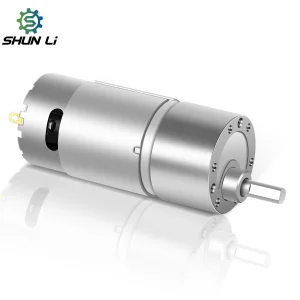
Secondary Core Actuator Series
These specialized models are built for haptic devices, high-speed applications, and micro-gear transmissions requiring precise output control.
Leveraging a Fully Integrated CNC & Automated Micro-Motor Factory
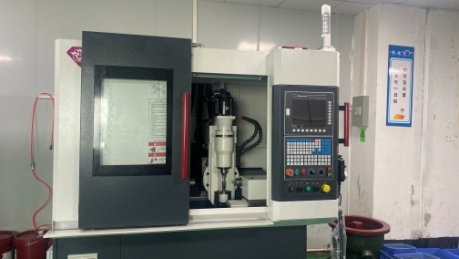
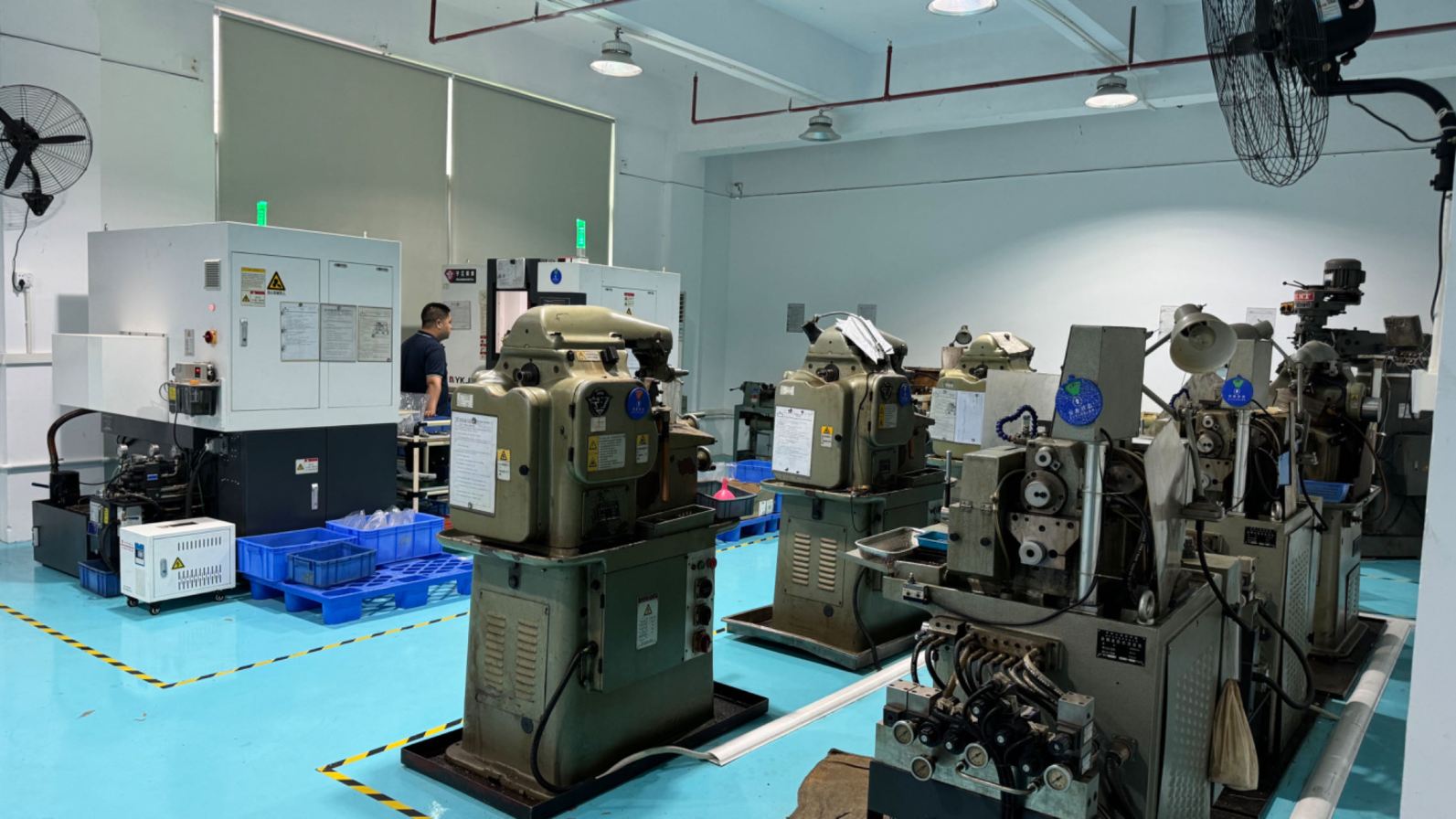
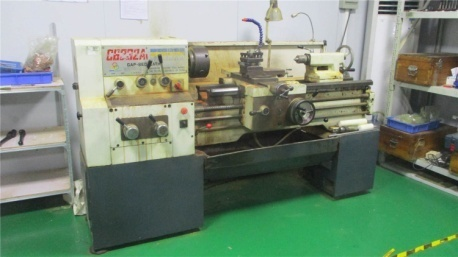
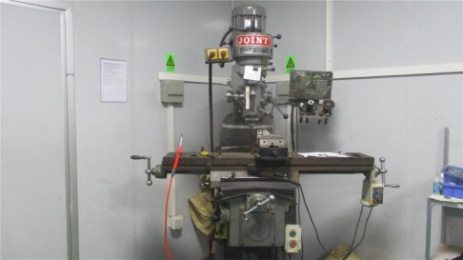
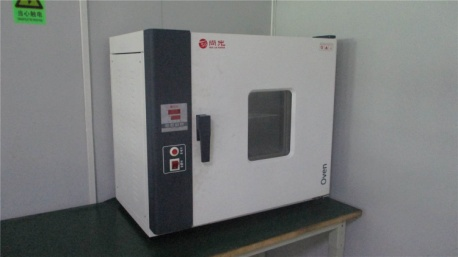
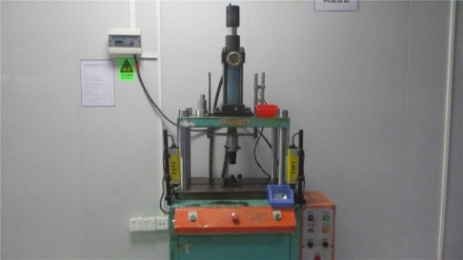
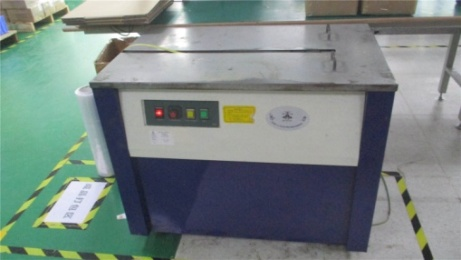
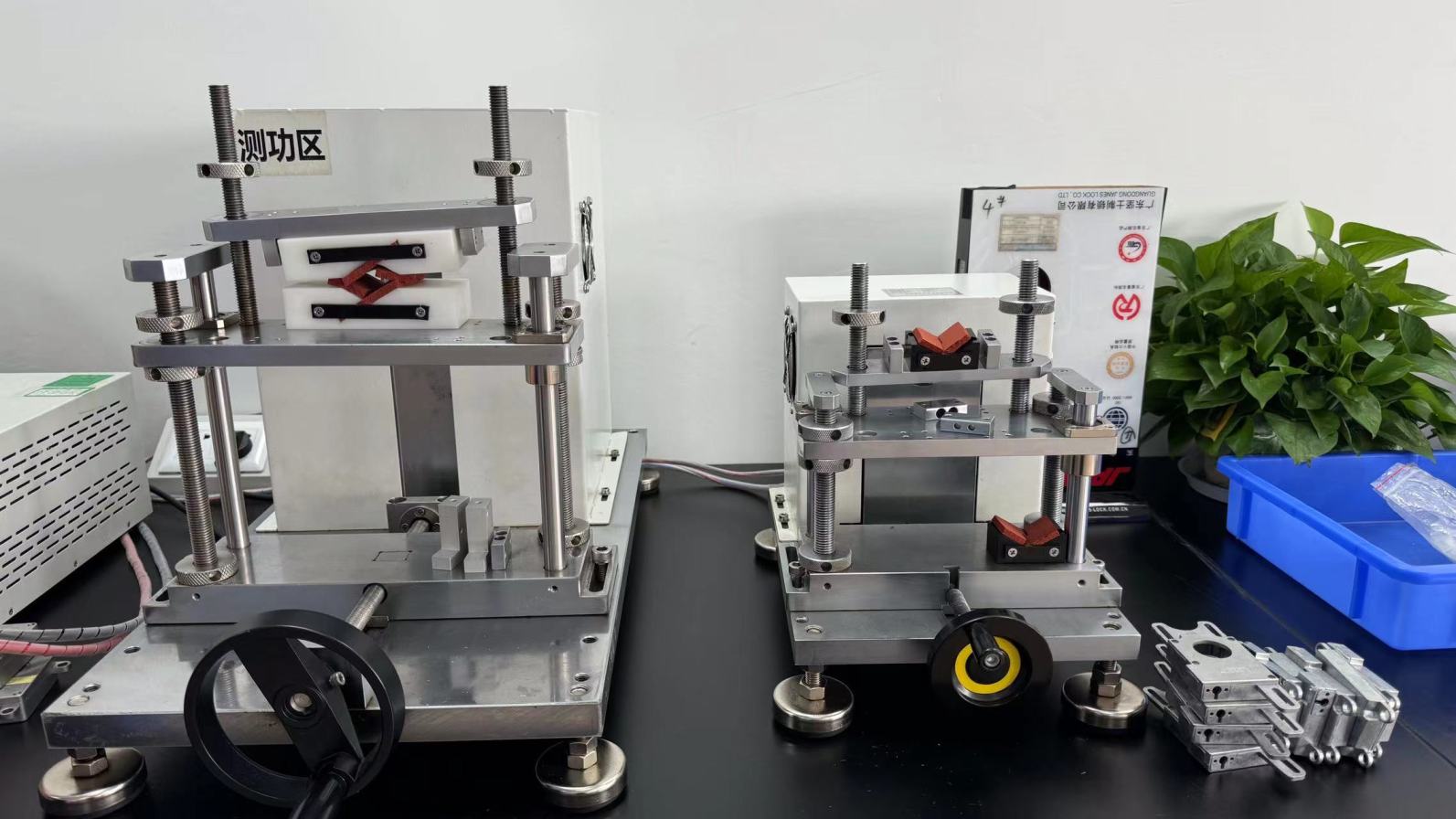
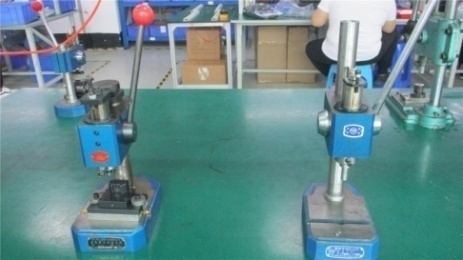
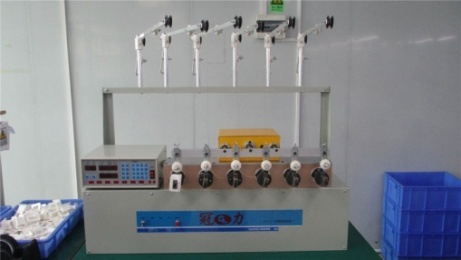
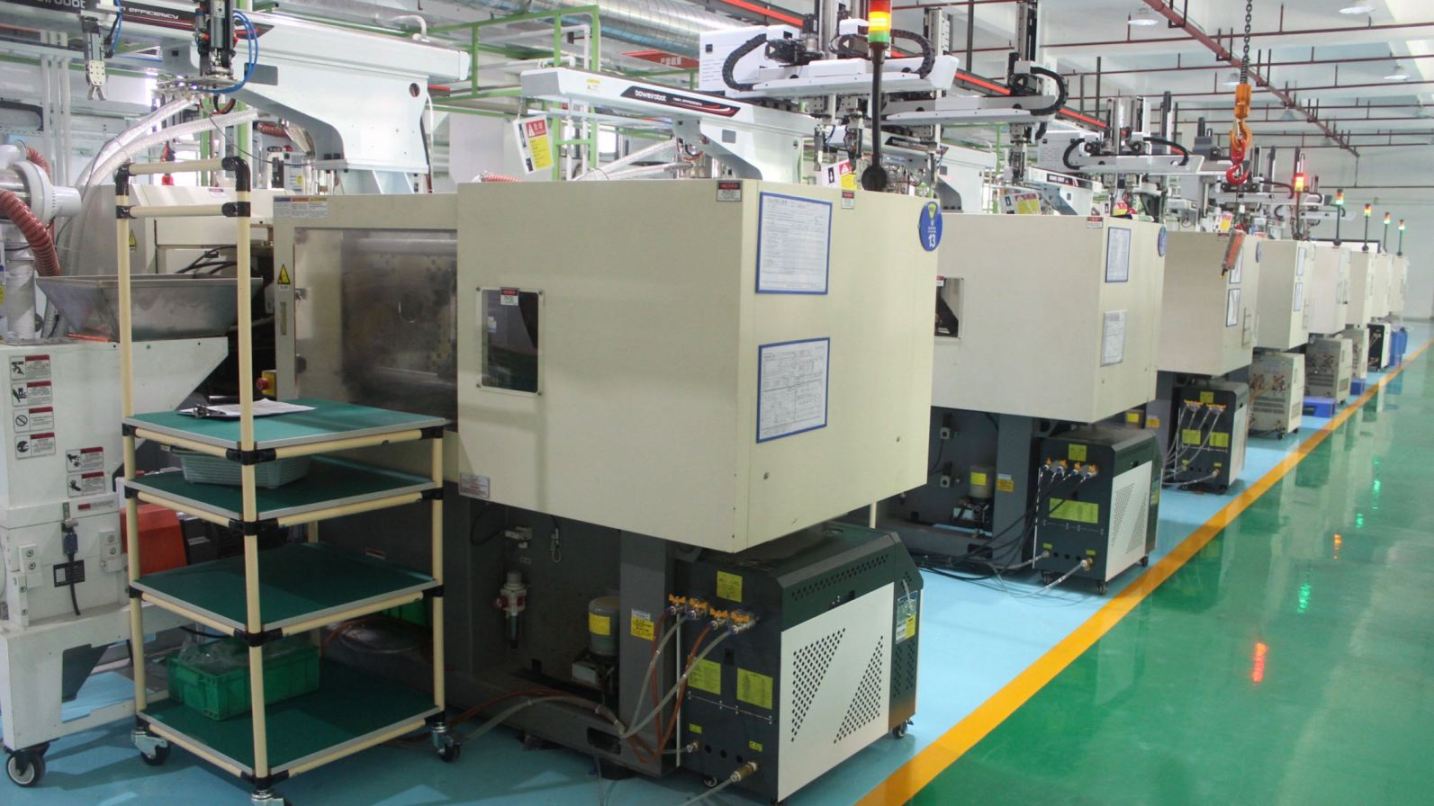
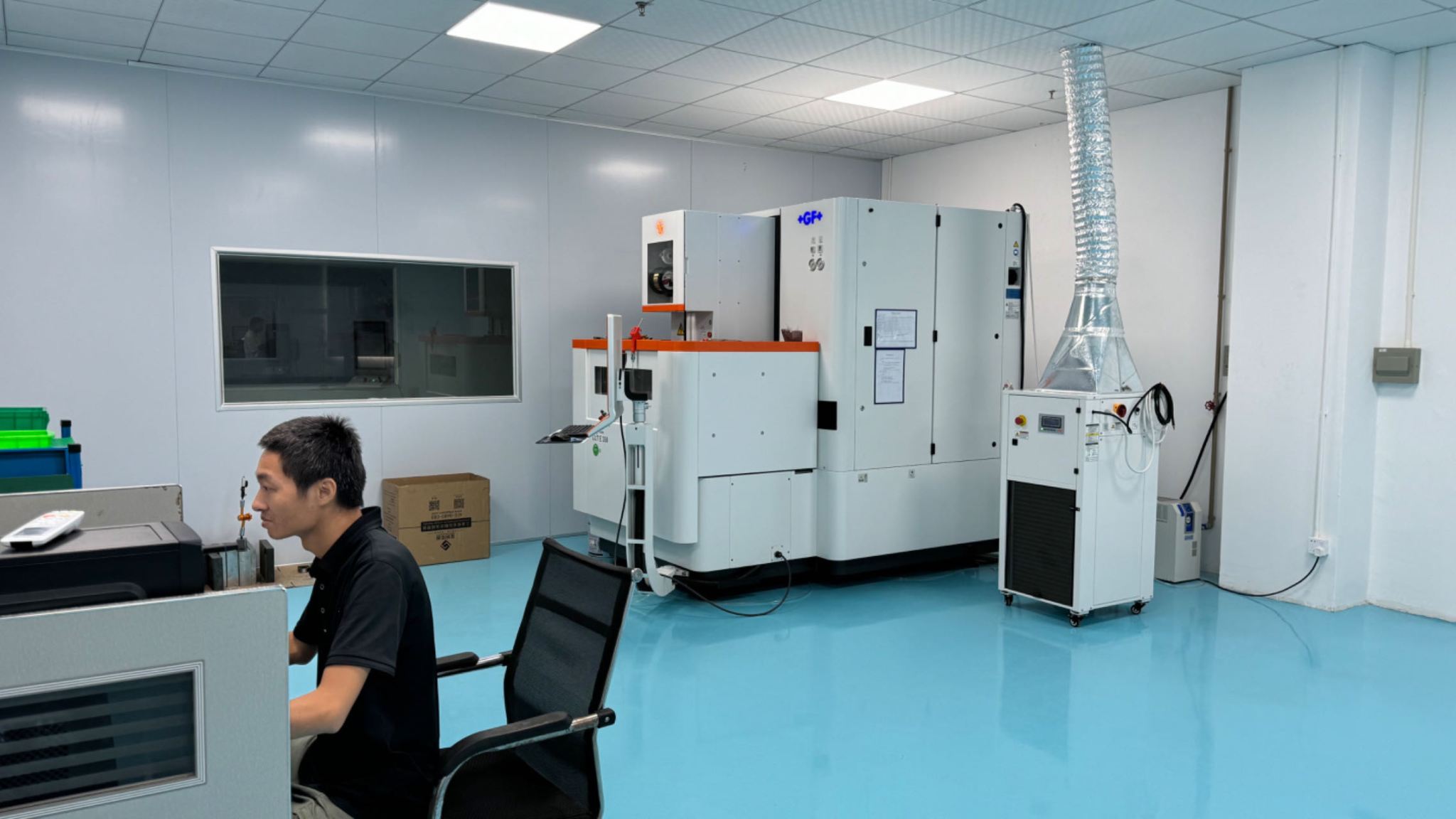
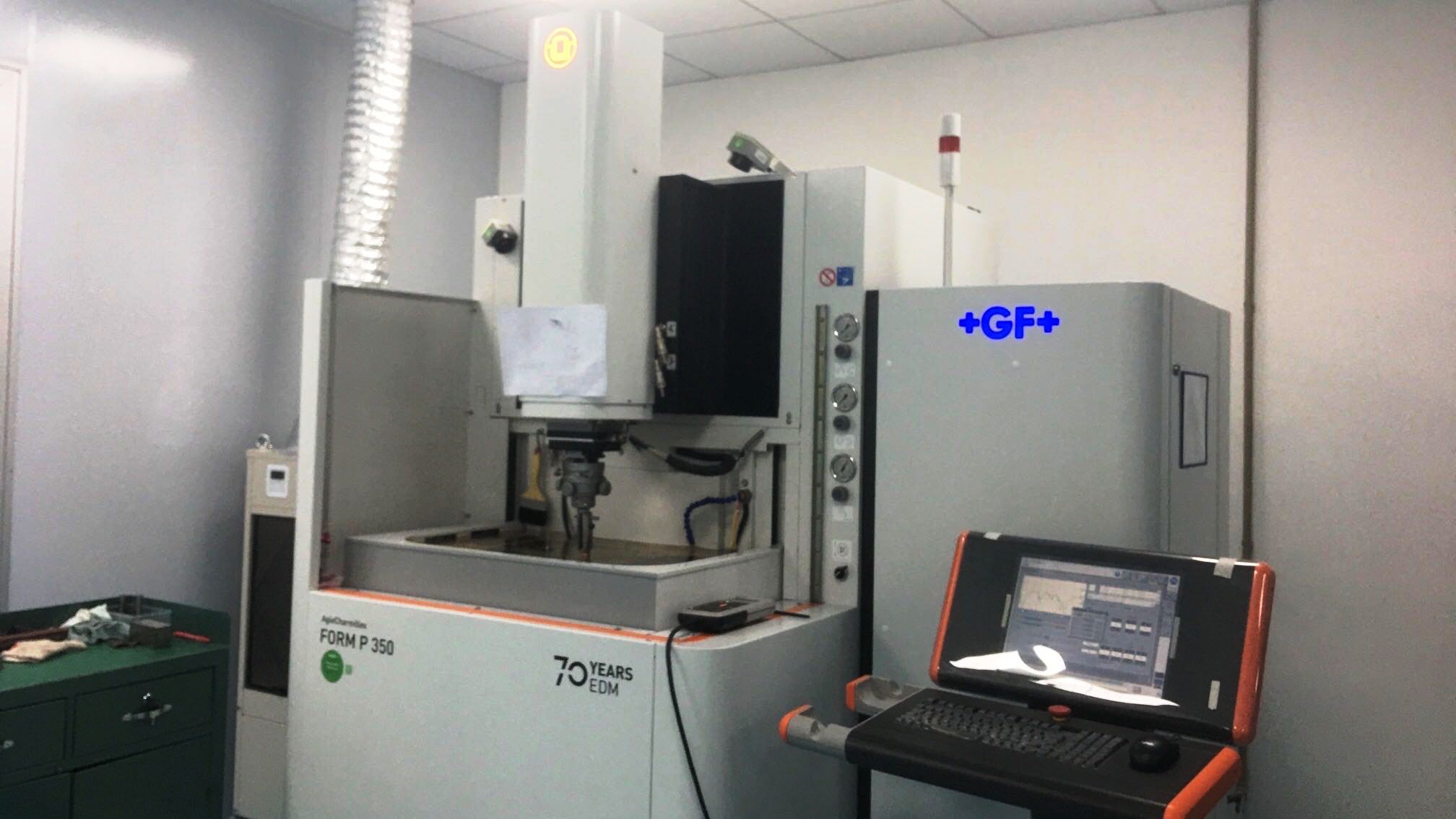
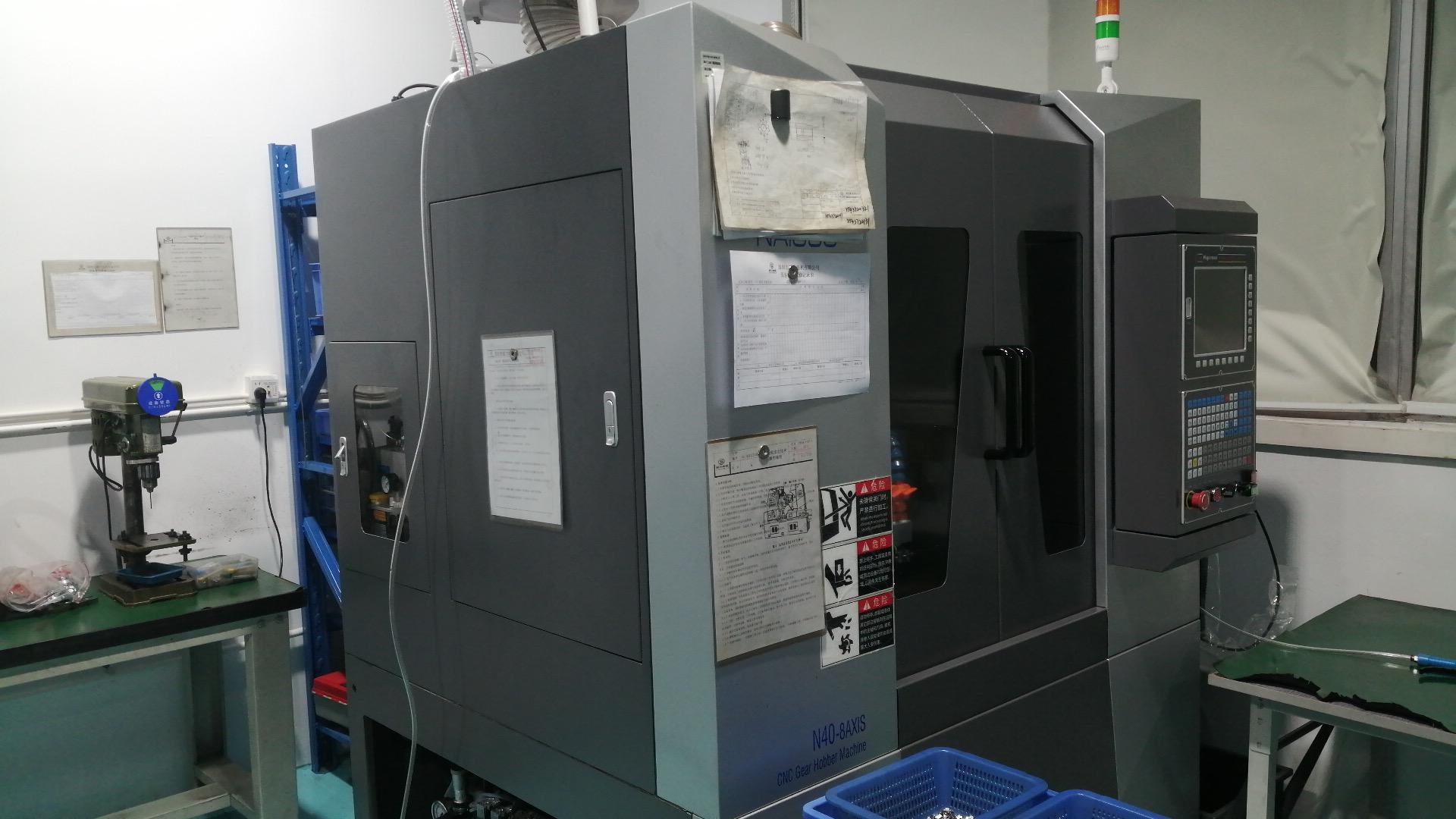
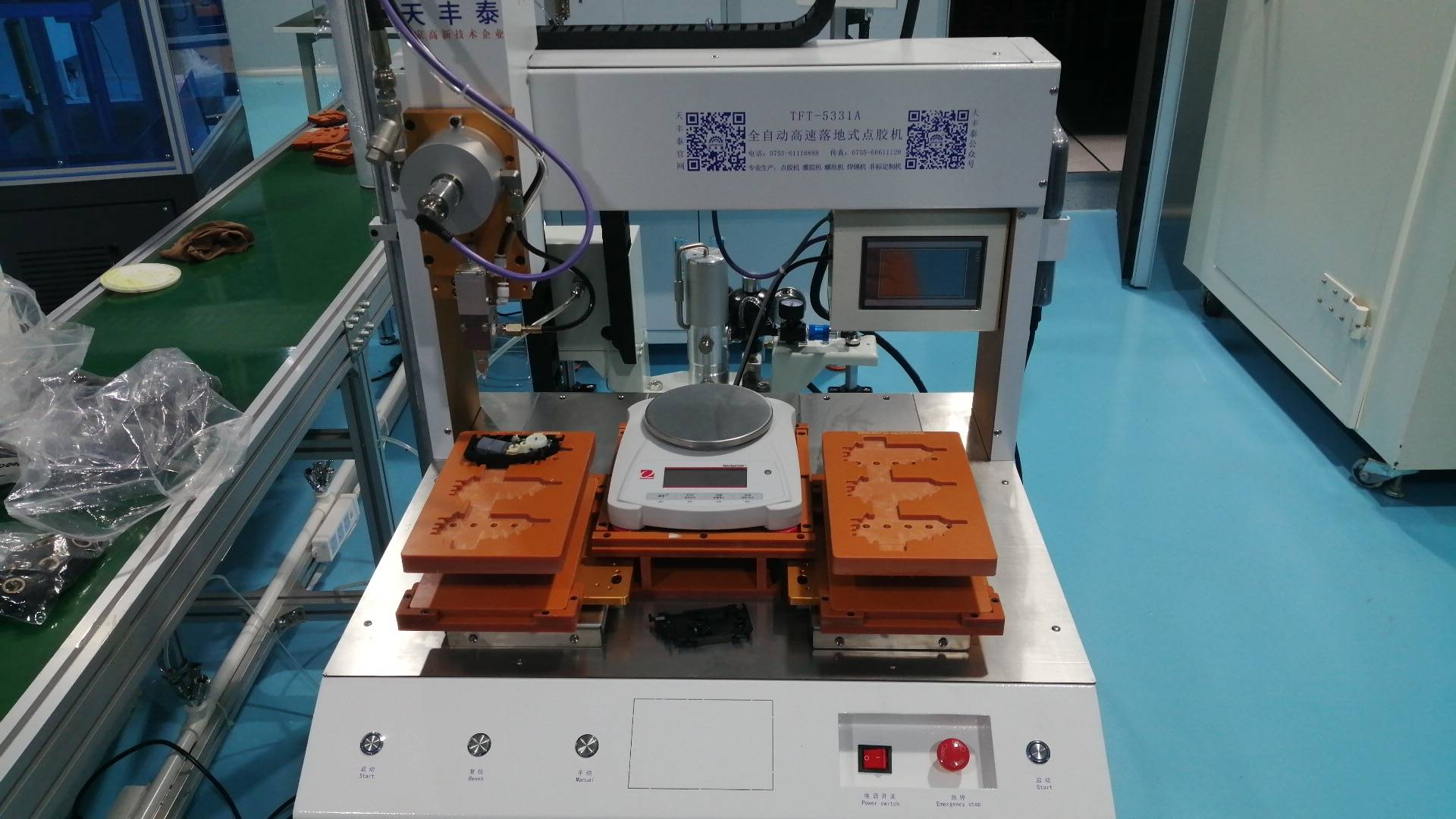
Developing micro vibration systems requires specialized machinery and process controls. Our production facility uses high-precision tool systems to manufacture key internal parts. Below is a breakdown of our machinery infrastructure and manufacturing workflows:
Manufacturing Plant Machinery
Step-by-Step Production Process & Materials Validation
Our assembly line is structured to isolate mechanical stages, helping prevent cross-contamination and ensure high structural integrity in the finished micro-motors:

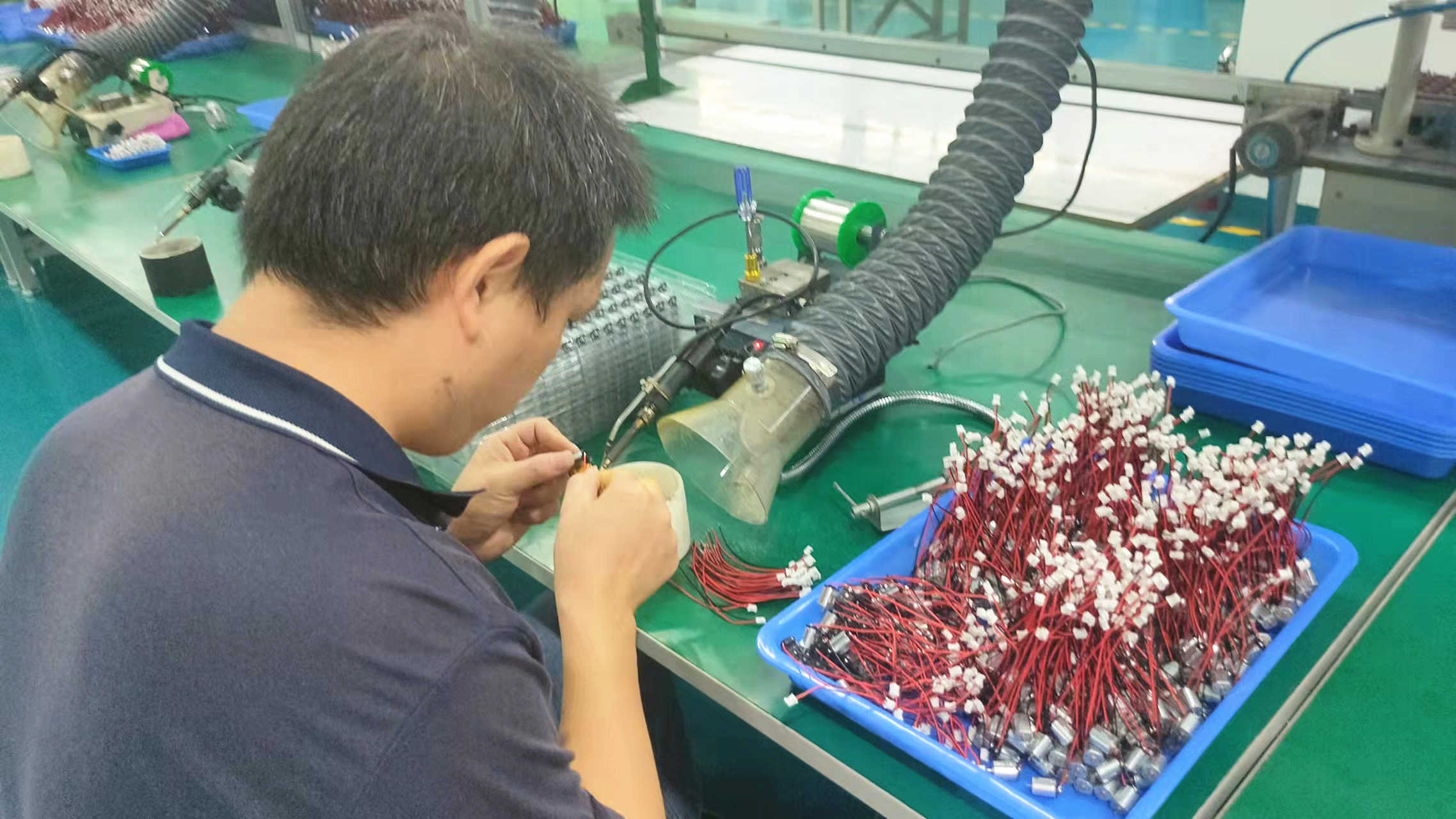
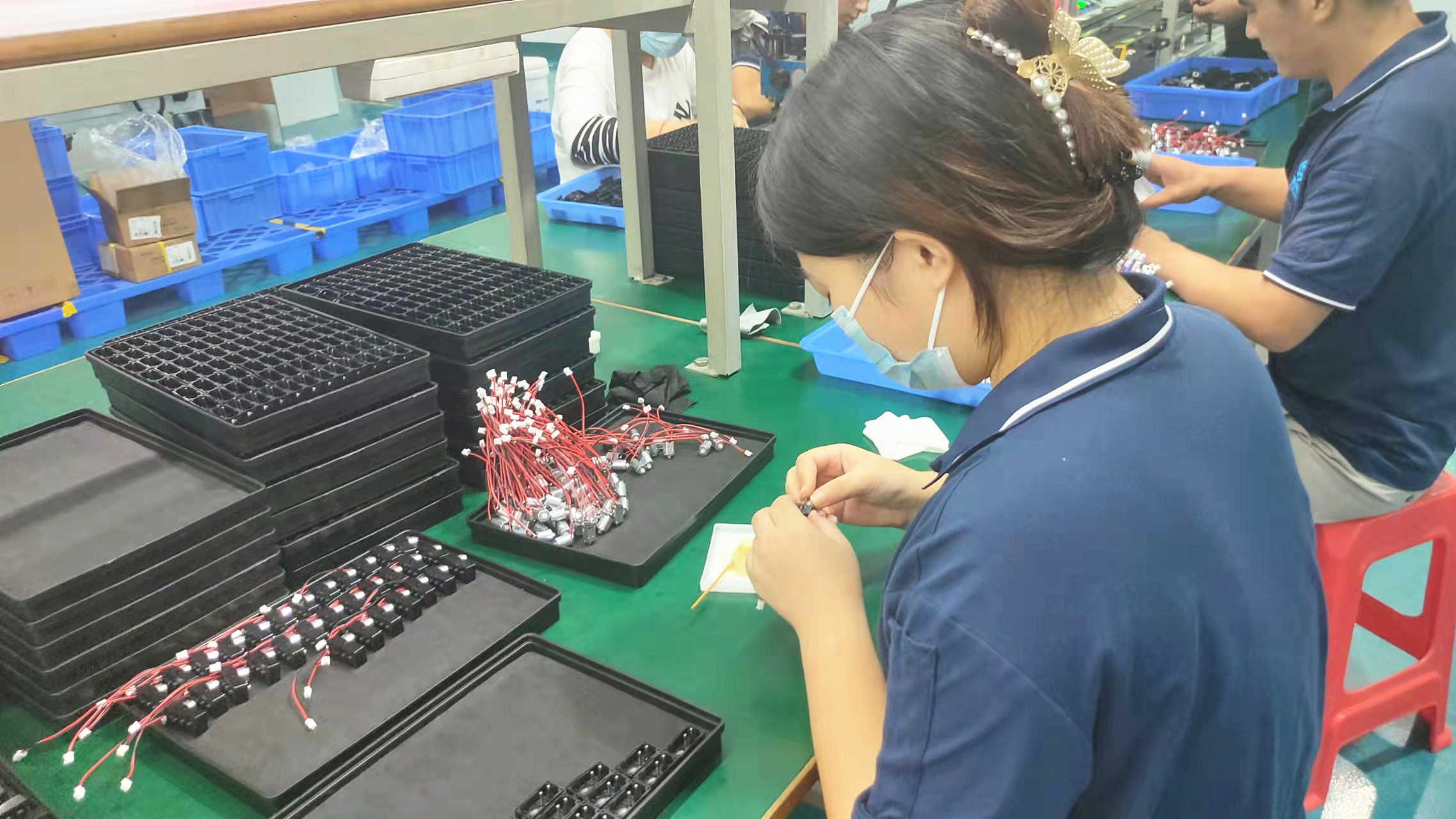
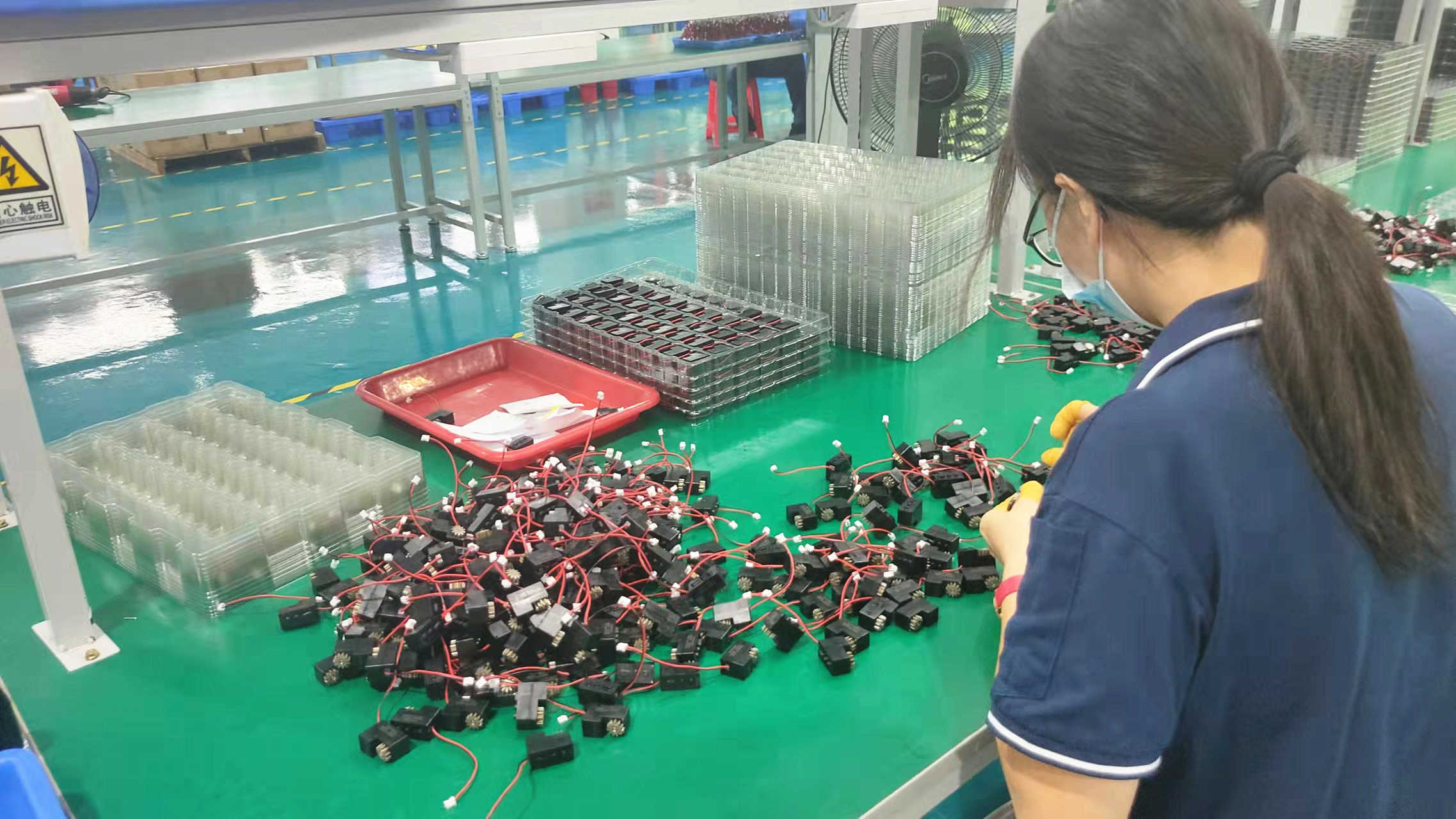
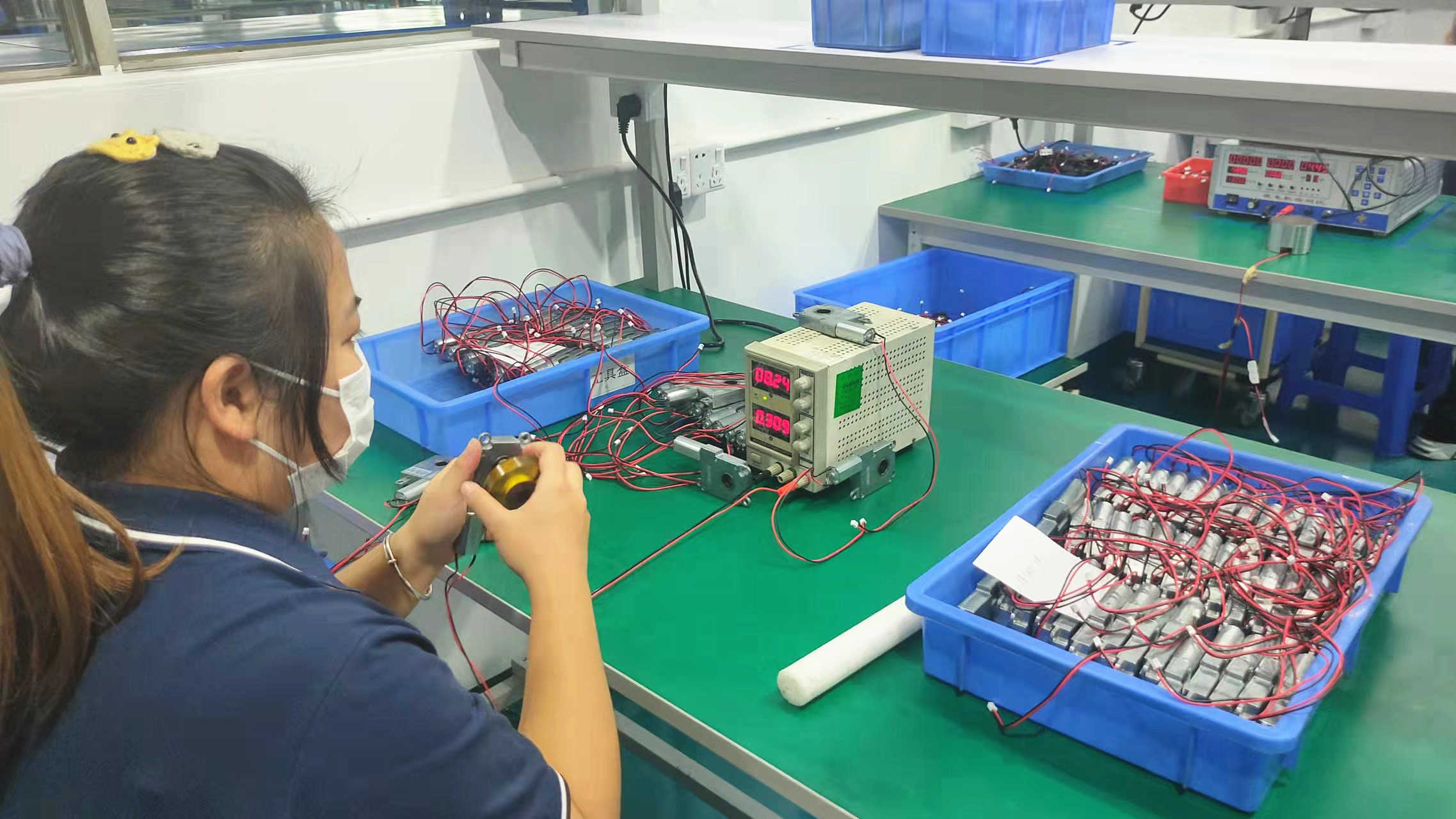
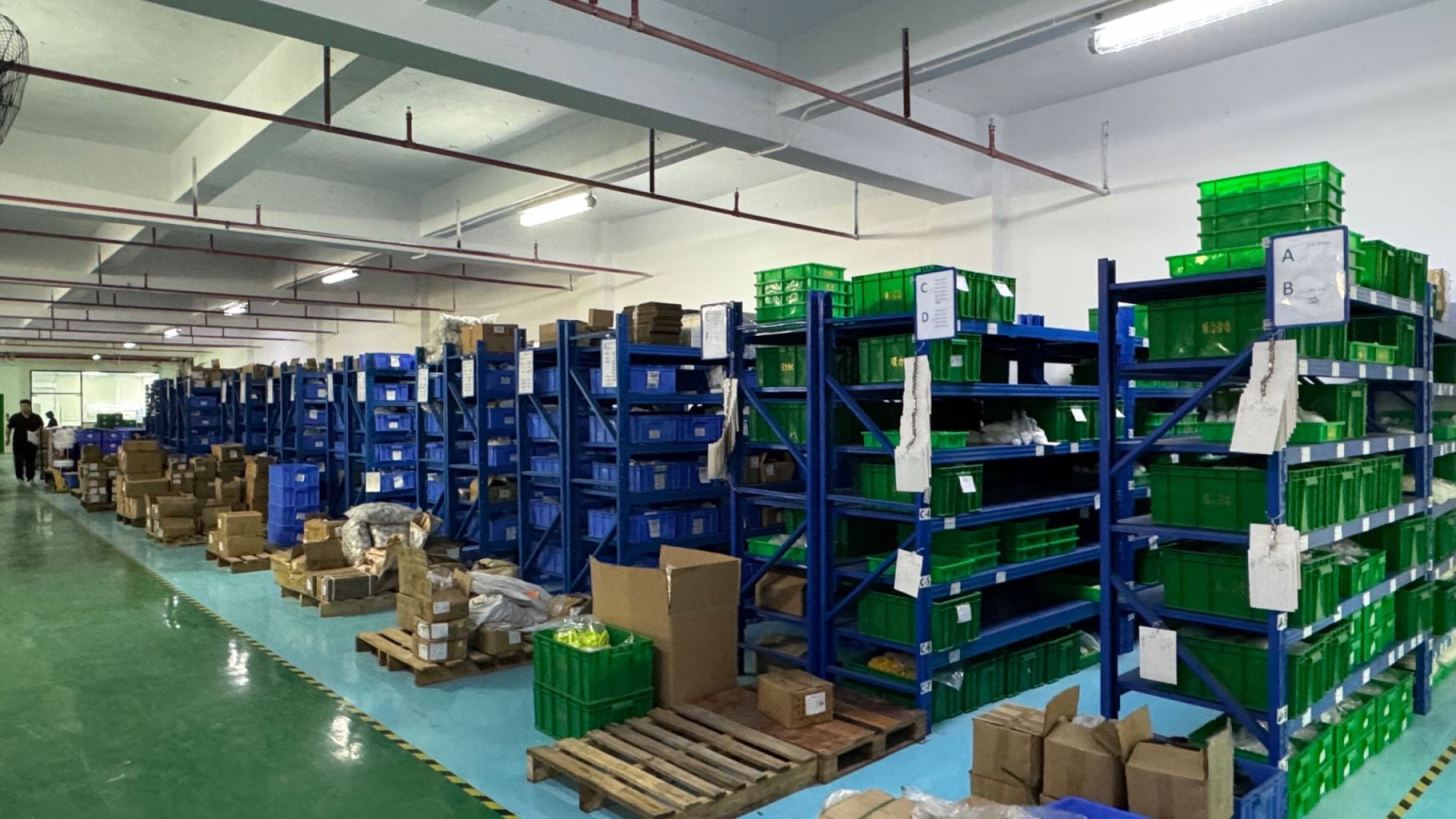
Our raw material sourcing involves structural auditing of alloy steel shafts, high-grade copper wires, and neodymium iron boron permanent magnets. Precision soldering and robotic assembly prevent resistance imbalances, while computerized dynamic testing monitors torque limits and checks for motor housing defects.
Rigorous Testing Protocol & Quality Control Chambers
To meet UK compliance standards, including CE, RoHS, and REACH guidelines, every motor batch undergoes environmental and performance testing. We use dedicated testing chambers to verify operation under varied thermal and mechanical conditions:
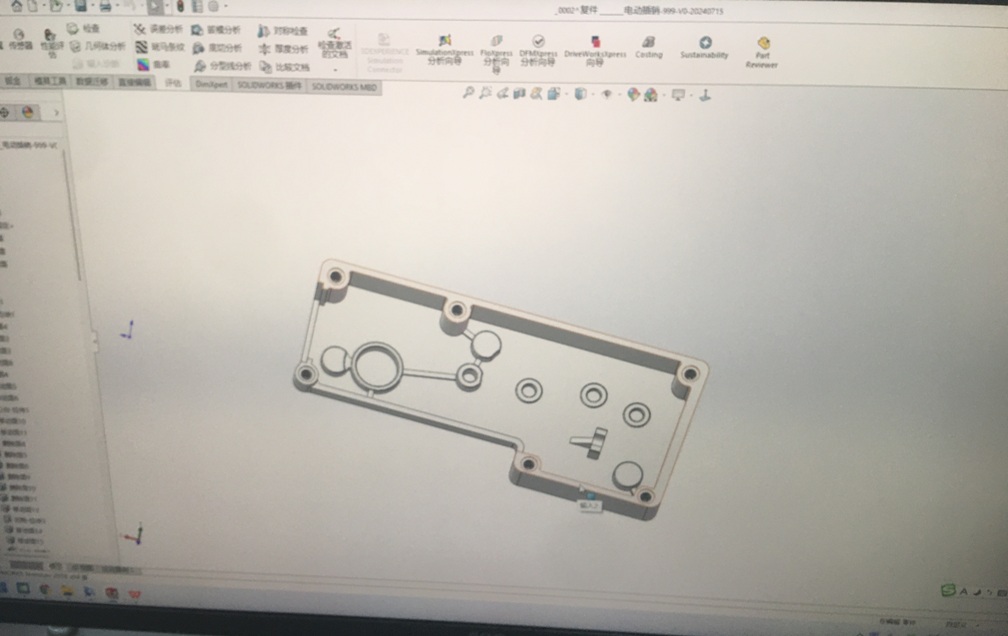
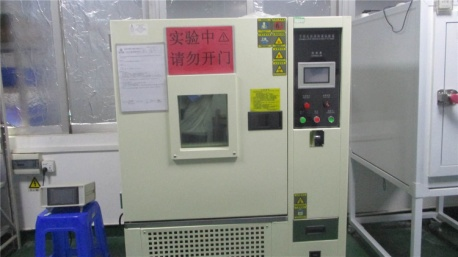
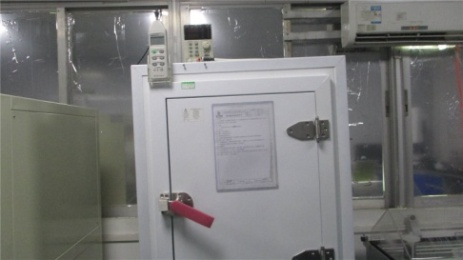
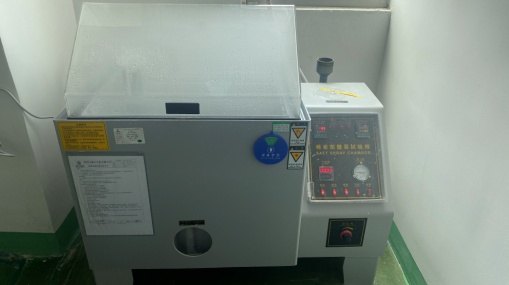
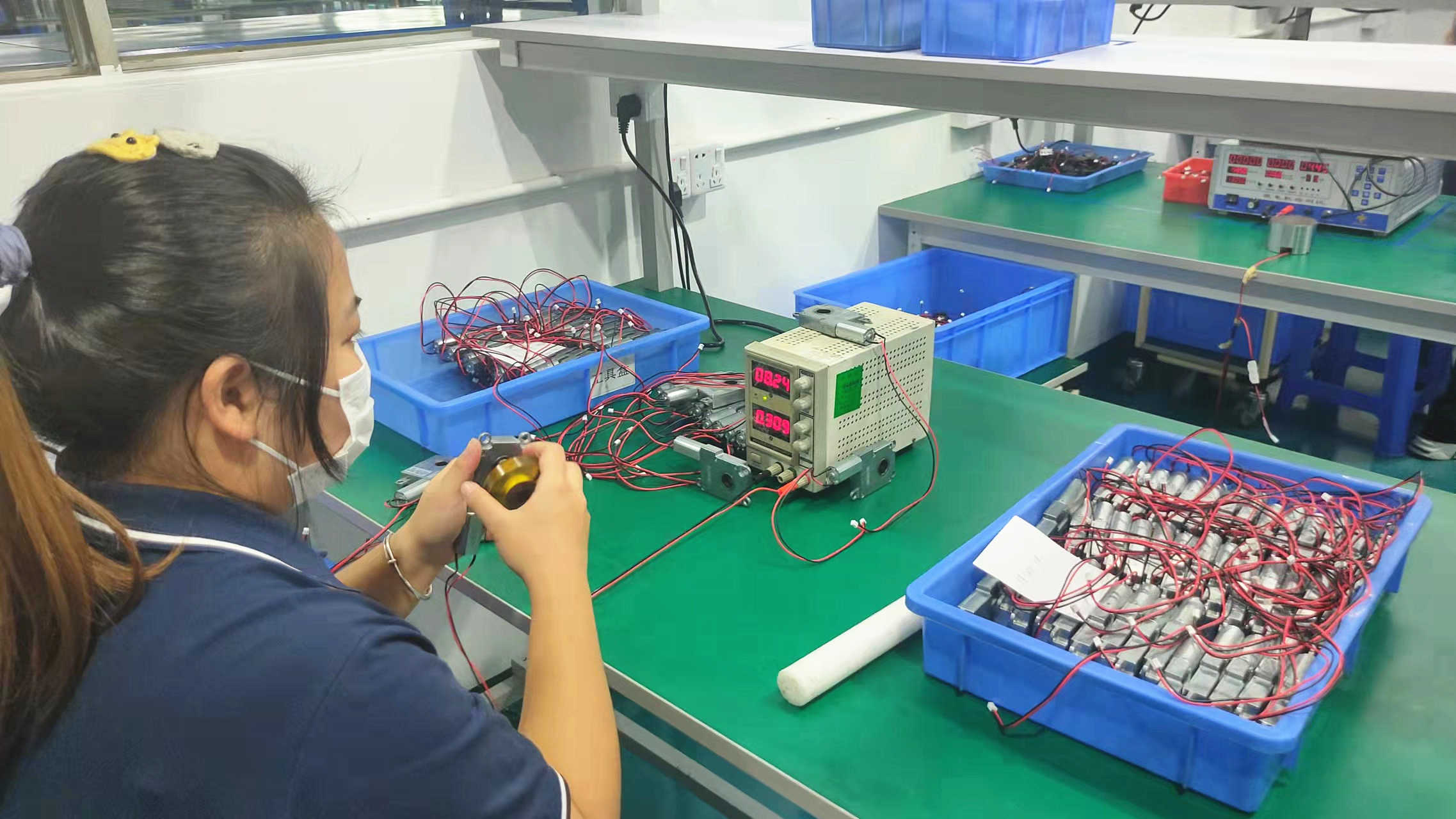
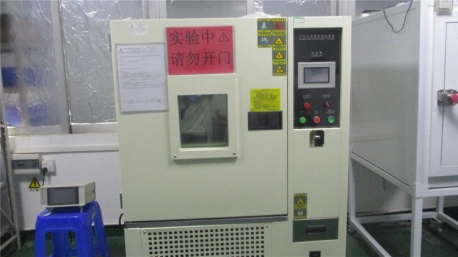
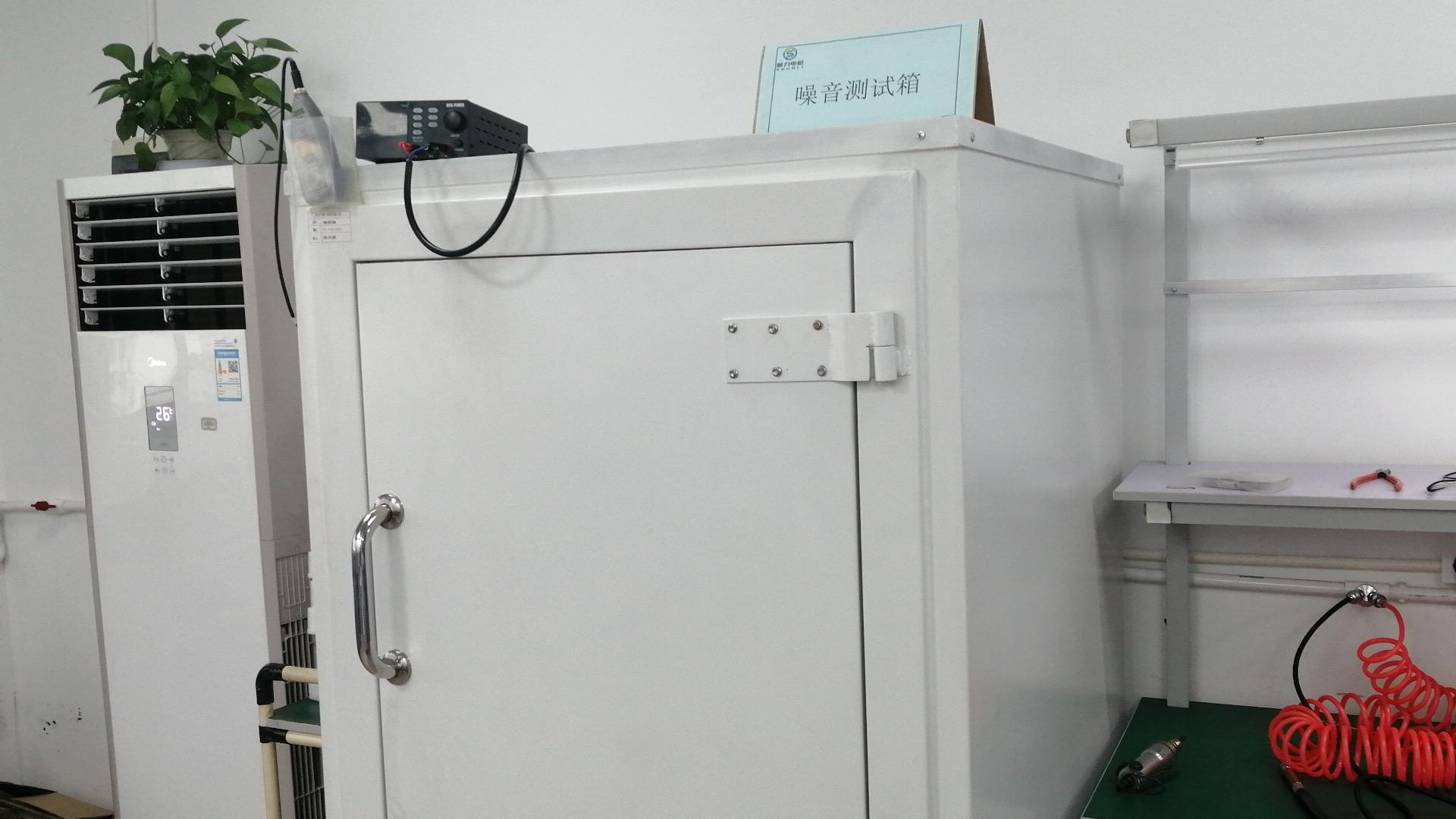
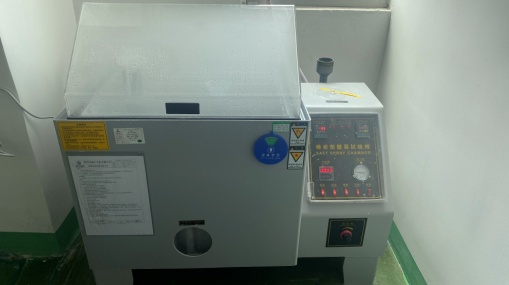
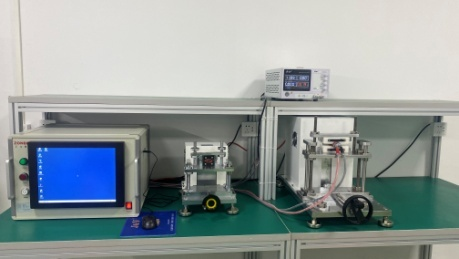
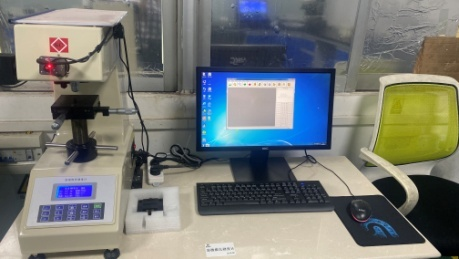
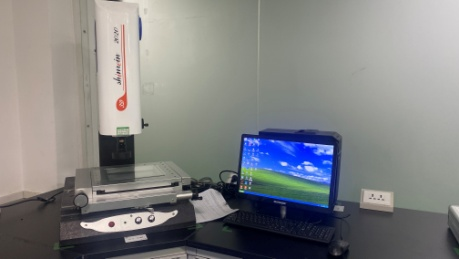
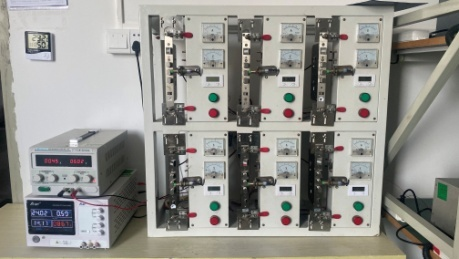
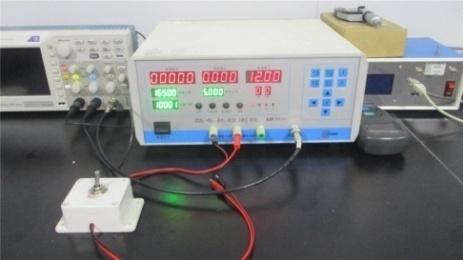
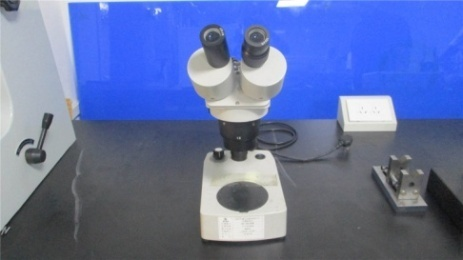
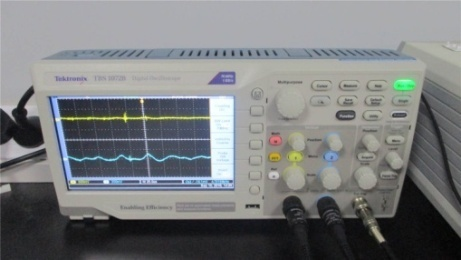
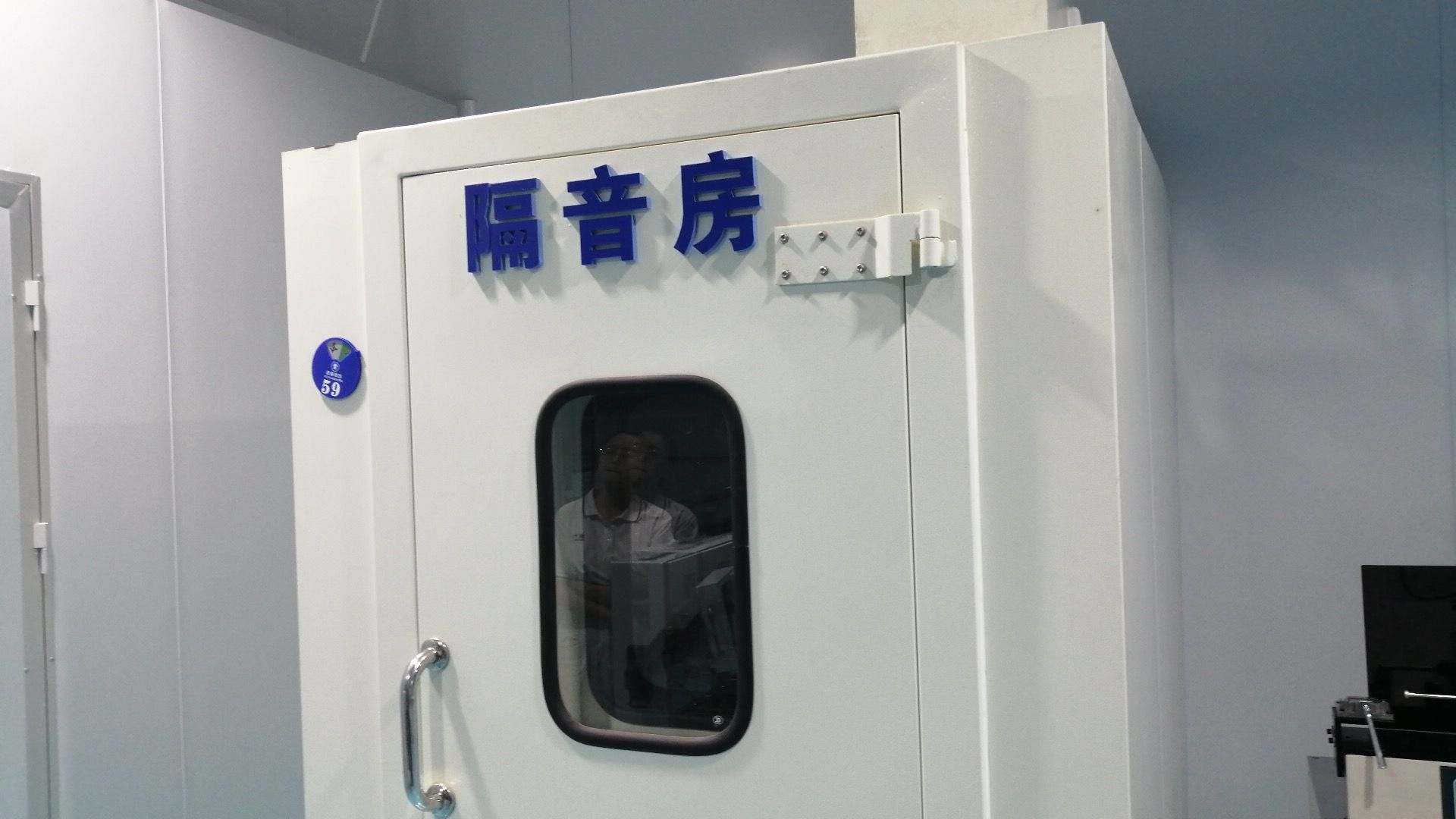
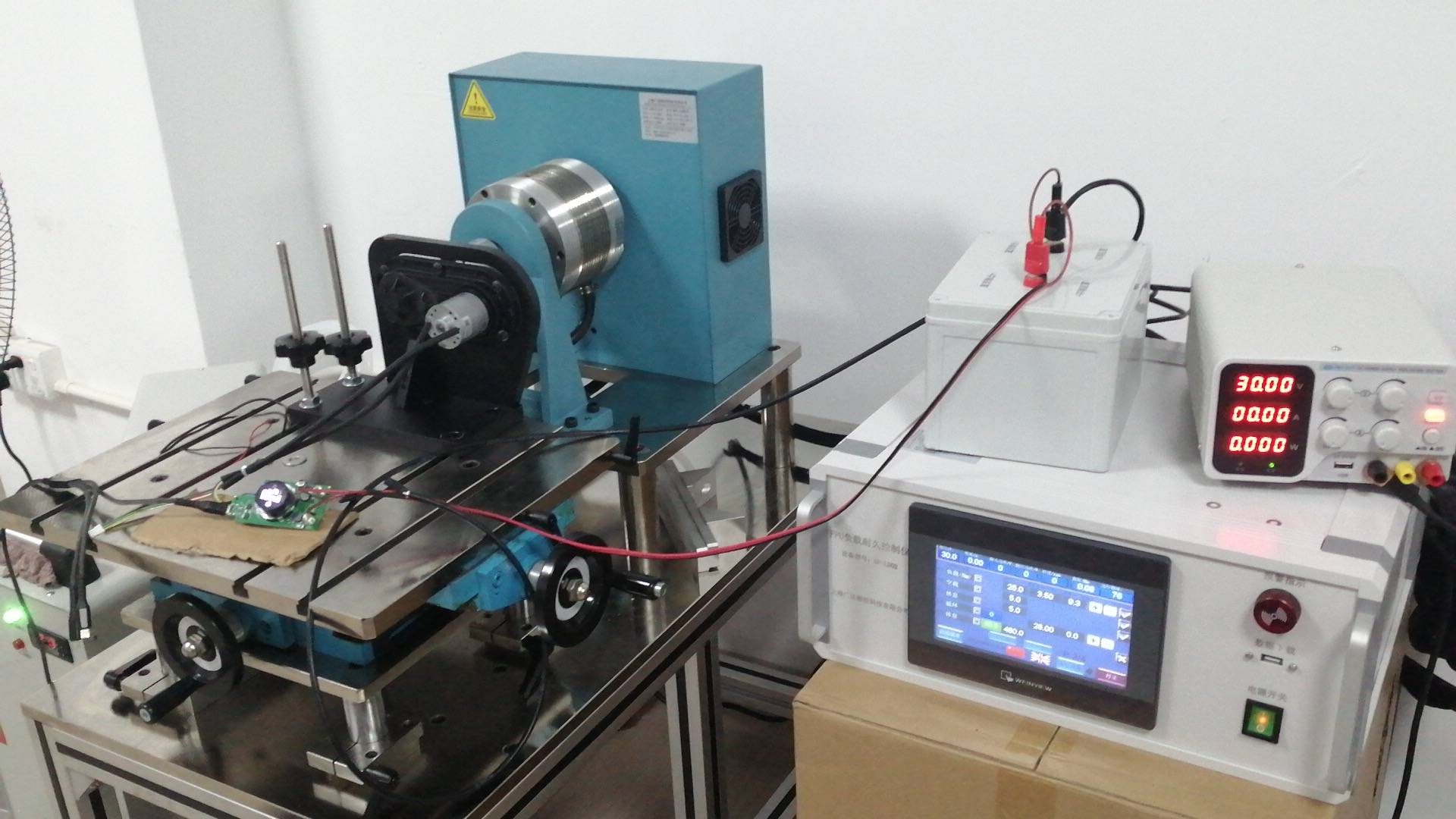
Our quality control process runs from the design stage through final packaging. Using video dimension meters, coordinate measuring machines, and optical microscopes, we audit component geometry down to the micrometer level. Performance testing validates current draw, RPM limits, start-up voltage, and insulation resistance. Environmental testing includes salt spray chambers to check for corrosion resistance and humidity rooms to evaluate performance under high dampness. Additionally, our soundproof anechoic chamber checks that motor operational noise fits within specified decibel ranges.
Navigating UKCA Compliance & British Sourcing Standards
We design our products to comply with the European and British regulatory frameworks that govern imports of electronic and mechanical hardware.
UKCA & CE Declarations of Conformity
Following Brexit, the United Kingdom introduced the UKCA (UK Conformity Assessed) marking for products placed on the market in Great Britain. Our micro vibration motors are manufactured in compliance with RoHS, REACH, and electromagnetic compatibility standards, simplifying the UKCA declaration process for British importers.
For medical devices, we provide raw material data sheets, material safety certificates, and manufacturing records to support ISO 13485 audits and technical documentation. Our engineering team can also customize motor wire lengths, termination connectors, and eccentric mass shapes to match specific product envelopes.
Logistics & Duty Management
We work with established logistics partners to manage shipments from our manufacturing facility to key UK ports, including Southampton, Felixstowe, London Gateway, and regional air hubs like Heathrow and East Midlands. We offer flexible shipping arrangements, including CIF, FOB, and DDP (Delivered Duty Paid), helping to streamline customs clearances and duty payments.
Our sales and support engineers provide technical coordination across time zones, assisting from the initial prototype phase through to final mass production.
Complete Micro Vibration & Gear Motor Range
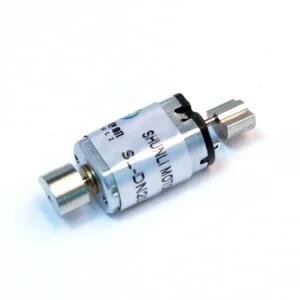
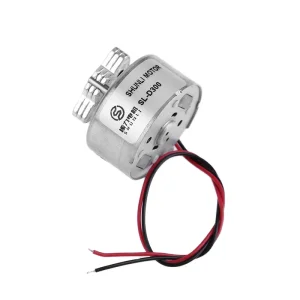
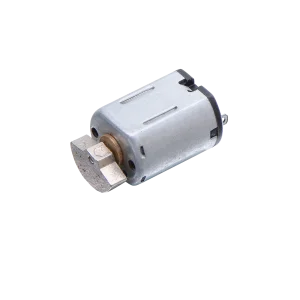
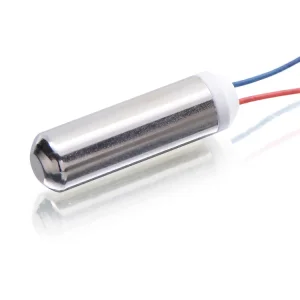
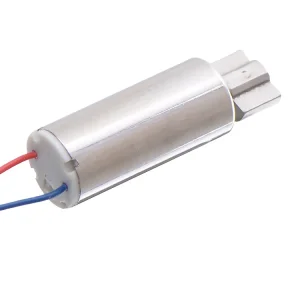
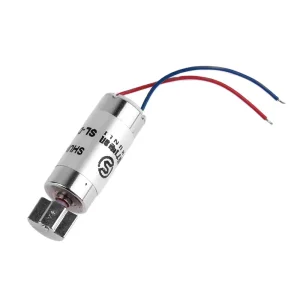
Our full range of motors supports applications from micro-haptics to high-torque mechanisms. These units are tested for reliable operation under varied loading cycles.
Technical Specifications & Procurement FAQ
Answers to common engineering and sourcing questions regarding DC micro vibration motors, logistics, and quality assurance.
What is the difference between ERM and LRA micro vibration motors?
ERM (Eccentric Rotating Mass) motors use an offset weight on a rotating shaft to create vibration. They run on standard DC voltage and are simple to integrate. LRA (Linear Resonant Actuator) motors use a magnetic mass suspended by springs that moves back and forth, requiring an AC-like drive signal. LRAs provide faster response times and localized feedback but require more complex drive circuitry.
How does the factory ensure UKCA and RoHS compliance for imports to the United Kingdom?
We maintain trace records for all raw materials, ensuring components are free from lead, mercury, cadmium, and hexavalent chromium in line with EU and UK RoHS restrictions. We supply Certificates of Conformity (CoC), material declarations, and technical documentation to support your UKCA compliance audits.
What custom options are available for micro vibration motors?
We can customize lead wire lengths, connector configurations (such as JST, Molex, or spring contacts), eccentric mass dimensions, mounting brackets, and electrical parameters (like operating voltage, speed, and starting current) to match your specific housing and power envelopes.
What are the typical lead times and shipping options for UK delivery?
Standard prototyping lead times range from 7 to 10 working days. Mass production cycles typically take 20 to 25 days depending on batch volume. We ship under terms including FOB, CIF, or DDP, coordinating delivery with major air cargo hubs and maritime ports across the UK.
How are mechanical noise levels validated in your production process?
Every batch of low-noise motors is tested in our anechoic soundproof chamber. Microphones and decibel meters measure noise profiles at specified distances and operational speeds. This helps ensure our motors operate quietly when installed in medical devices and personal wellness equipment.