 DC Motor B2B
Premium Micro Drive Product Series (Featured Lineup)
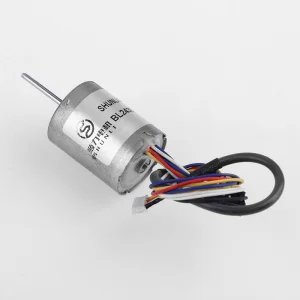
BL Dc Electric Shaver Brushless Planetary Gear Motor Bl2430 Micro Motor CAR Permanent Magnet FAN Boat
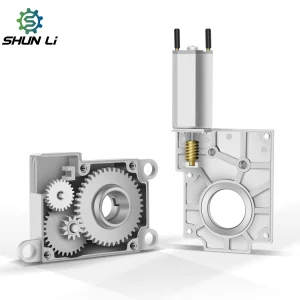
Shunli Dc Gear Motor 3V 6V 12V 1.4-1.6A 90RPM 79RPM 3KG.CM 8V Smart Lock Fingerprint Lock DC Deceleration Motor Mini Motor Lock
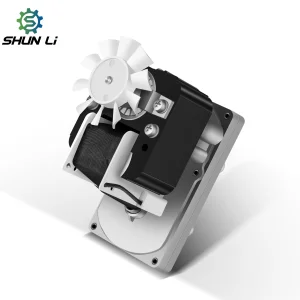
Shunli Motor Factory New Sale 110V-240V/50Hz-60Hz Low Rpm High Torque Ac Electric Motor
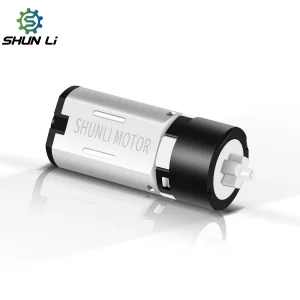
Shunli Customizable Bldc Dc Motor 7.4v Brush 65Rpm~180Rpm 12mm Planetary Gear Motor With Gearbox
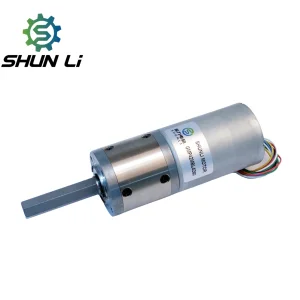
Low Speed Brushless Motor 24 Volt Hall Effect Sensor Dc Planetary Gear Motor
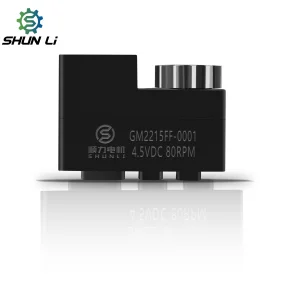
4.5v Gear Motor for Lock Small Rpm Motor 50rpm Dc Gear Motor
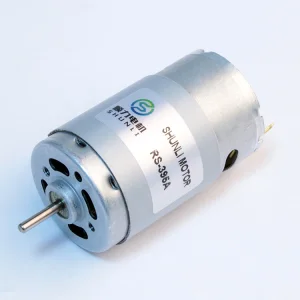
Shunli Custom Professional Manufacturer Hair Dryer and Micro Vacuum Cleaner 390PH 12v Dc Motor Brush Brushless
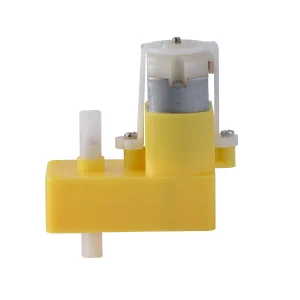
Yellow Dc Gear Motor with Plastic Wheels of Toy Car
Brushed DC Motors: The Global Industrial & Commercial Landscape
Despite the high-frequency market growth of brushless motors (BLDC), Brushed DC Motors (BDC) remain a cornerstone of modern consumer products, automotive components, and heavy-duty industrial automation systems. The primary driver behind their enduring popularity is the optimal combination of linear torque-speed characteristics, simple drive topologies, and cost-effective manufacturing processes. In smart home devices, surgical tool mechanisms, automated manufacturing setups, and vehicle actuation, brushed DC drives provide reliable starting torque and high response speeds with minimal control system overhead.
Globally, the brushed DC motor market continues to expand. The demand for reliable micro motors is surging, driven by the growth of compact smart locks, robotic joint subassemblies, and precision medical pumps. Engineering teams prefer BDCs because they do not require complex driver chips or hall sensors to perform basic commutation, reducing electromagnetic compatibility (EMC) vulnerabilities and simplifying physical integration. Consequently, industrial buyers look for reliable Chinese manufacturing partners capable of balancing high component longevity with affordable mass production costs.
< 50 ms
Dynamic Response Time
99.98%
Commutator Precision Rate
15,000 hrs
Engineered Operational Lifespan
0.02 mm
Gear Train Center Tolerance
Efficiency & Technological Advantages of China's Motor Factories
China's dominance in the micro motor sector stems from specialized regional supply chains and high levels of production automation. In manufacturing hubs like the Yangtze and Pearl River Deltas, factories operate within dynamic ecosystems where raw materials, heat-treatment plants, and precision lathe operators are co-located. This allows manufacturers to procure high-grade NdFeB magnets, copper coils, and carbon brushes with minimal lead times.
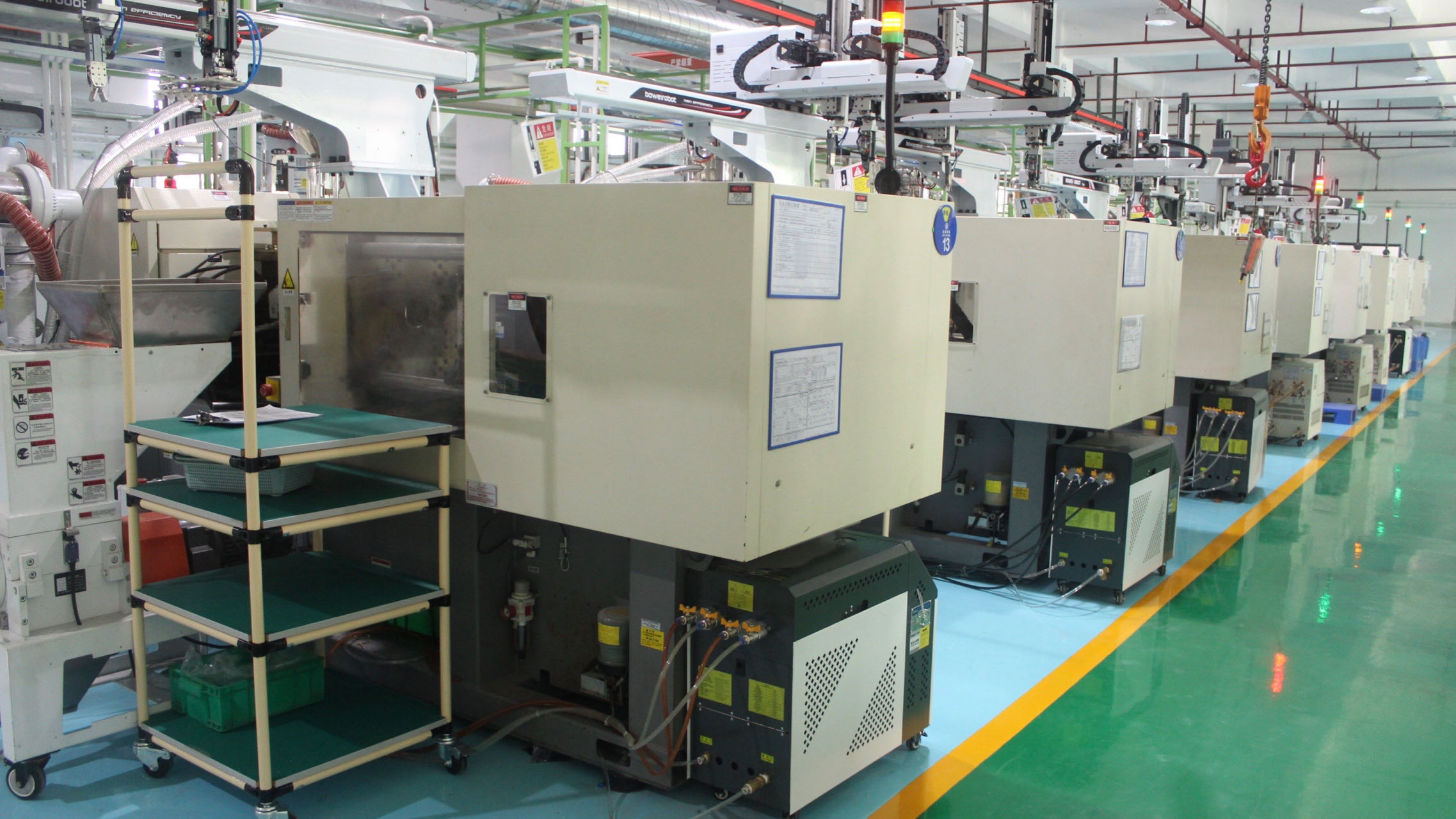
Beyond raw material access, Chinese factories have transitioned from manual assembly to advanced automated manufacturing. Utilizing high-speed precision gear-hobbing systems, automated dynamic balancers, and multi-station rotor winding systems, manufacturers achieve high levels of consistency. Automated production lines also reduce manual errors during crucial steps like soldering commutators and pressing shafts. The resulting motors match European and Japanese performance standards while remaining cost-effective for large-volume industrial programs.
ABOUT: Packing Massive Torque Into Miniature Spaces
Inside a premium robotic joint, an automated medical pump, or a high-end smart lock, space is the ultimate luxury. At DQC, we measure our success in micrometers and decibels. Our mission is to take advanced, heavy-duty rotational power and compress it into the most compact, energy-efficient footprints imaginable.
Our expertise lies in the micro-details of motion. From precision-wound copper rotors and high-purity commutators to zero-backlash planetary gear trains, every single internal component of a DQC motor is optimized to eliminate friction and maximize heat dissipation. By combining advanced automated Swiss-style hobbing with Japanese dynamic balancing, we ensure our micro drives deliver the fluid, whispering-quiet power your brand promises. When your next high-tech innovation relies on repeated mechanical perfection, let DQC be the core that spins it forward.
 Manufacturing Floor
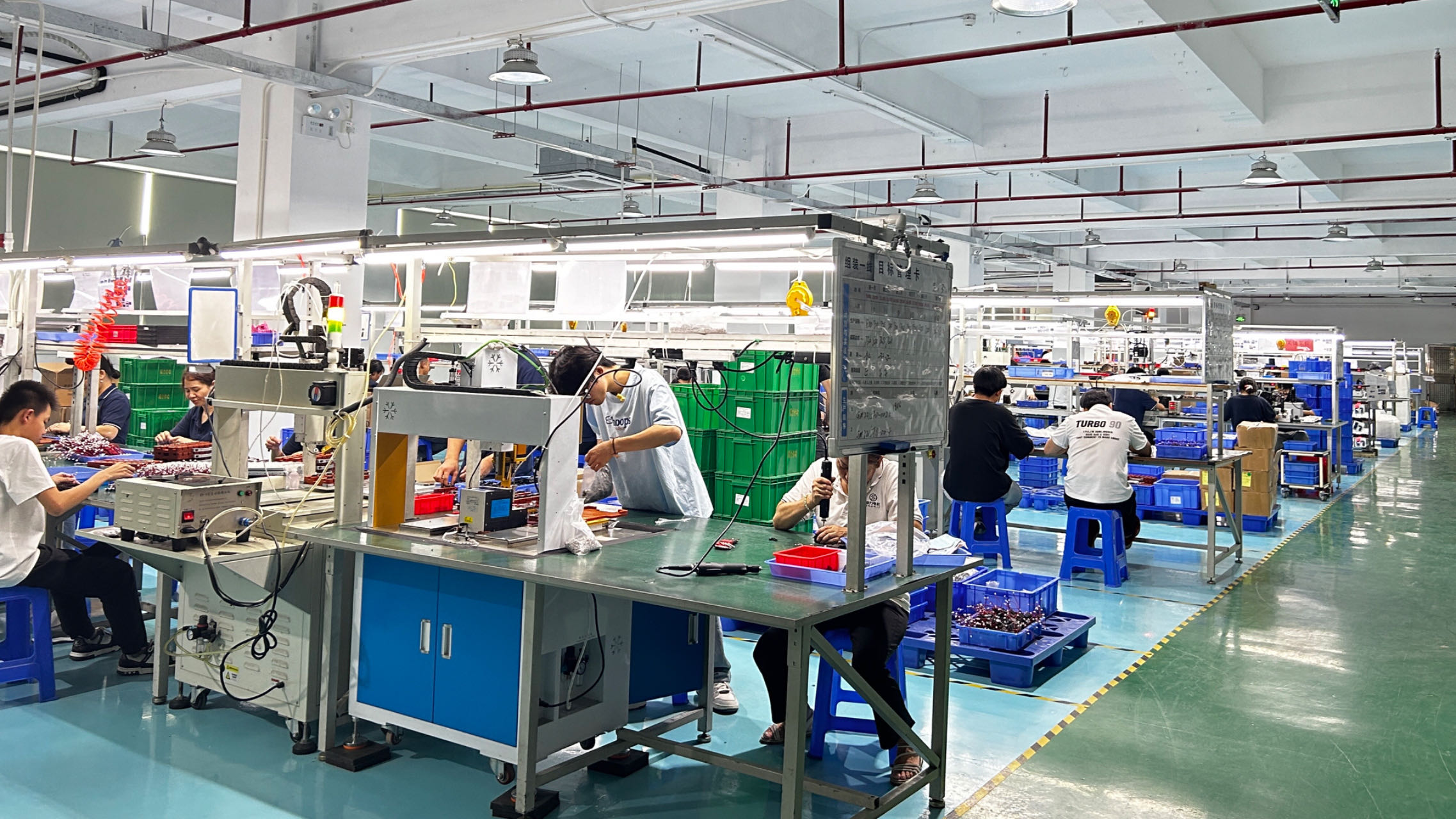 Production Line
 Rotor Inspection
 Micro Gearbox
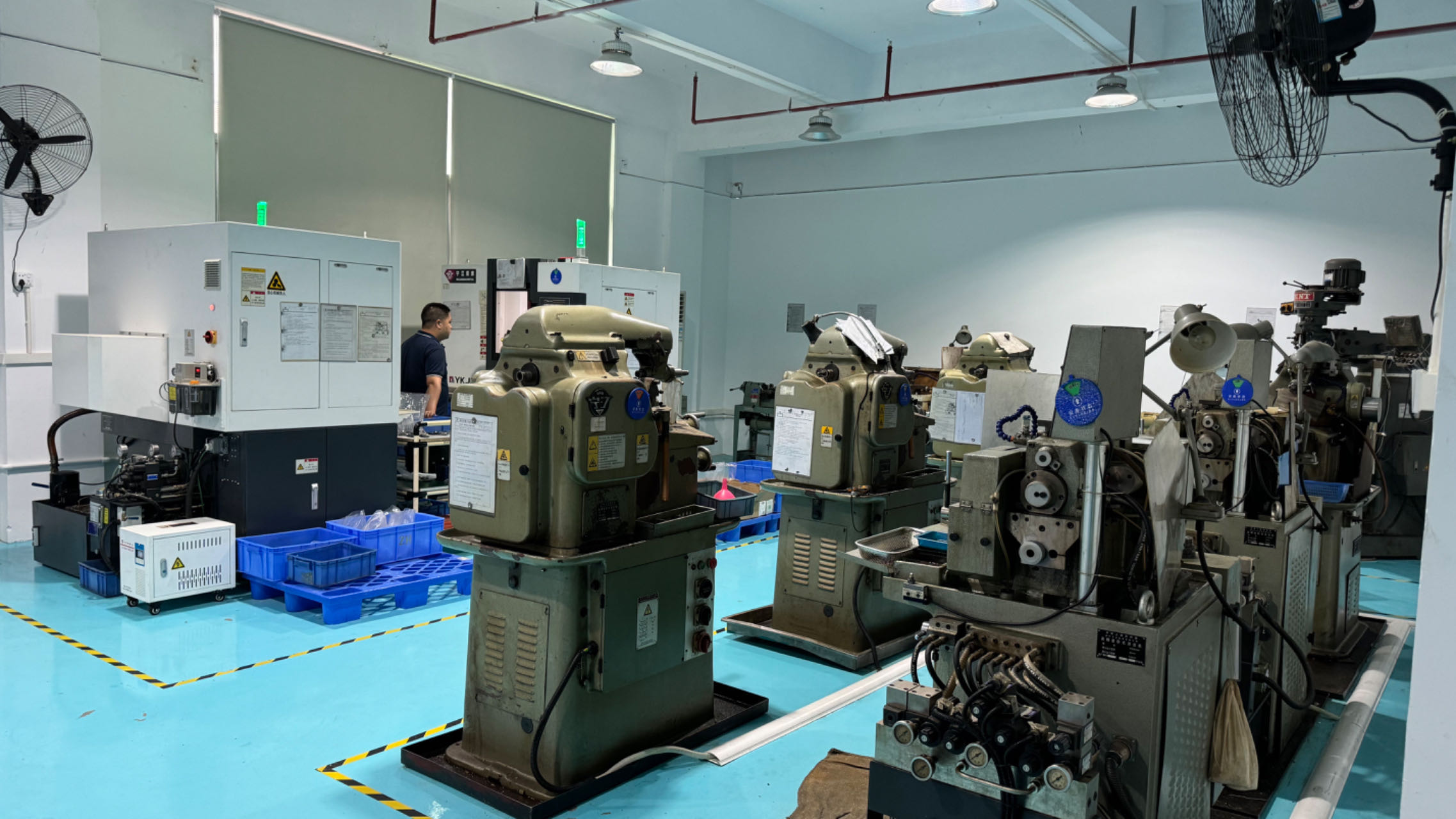
 Precision Lathing
 Diagnostic Lab
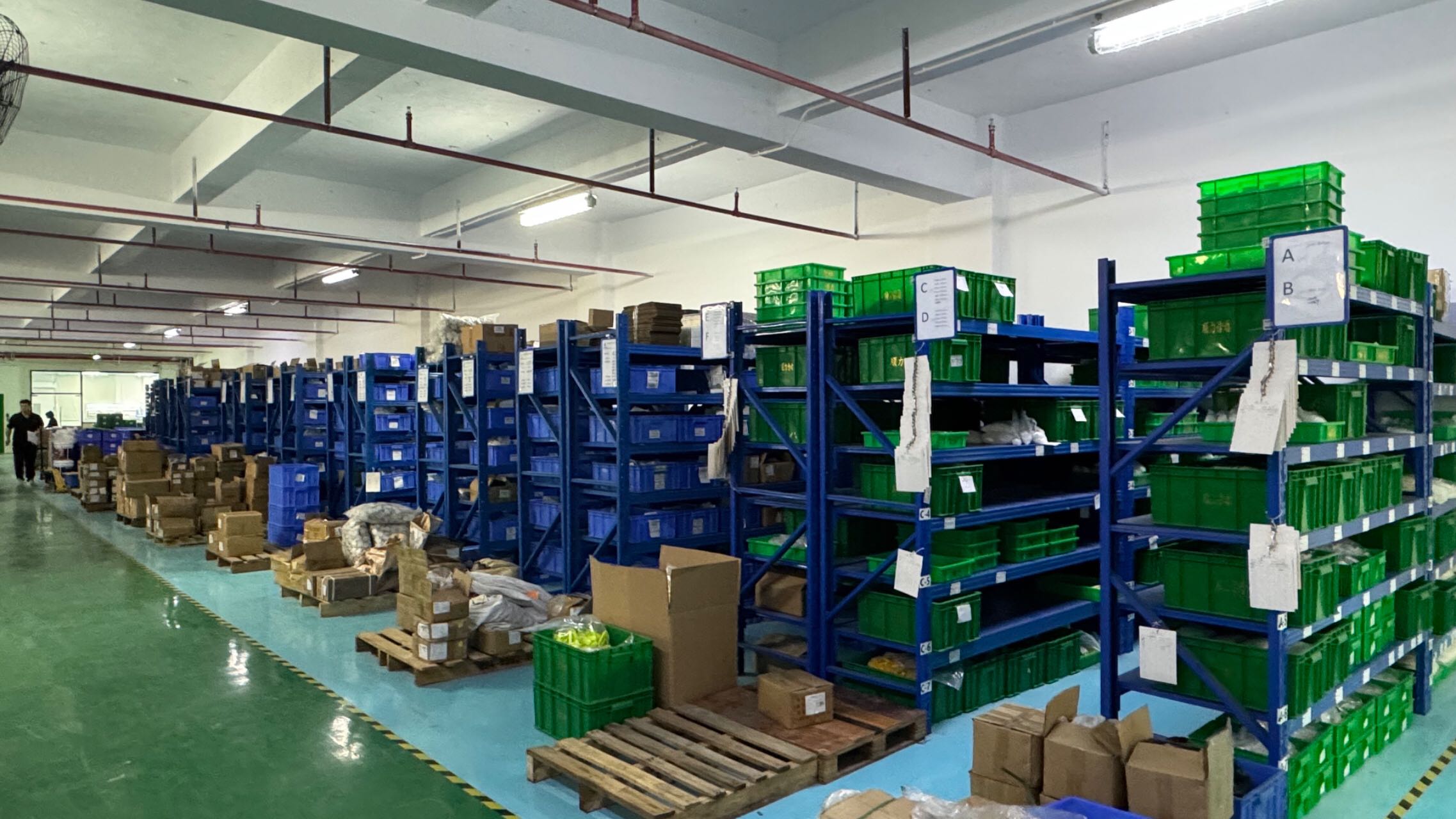 Ready for Shipping
Our Production Workflow & Advanced Manufacturing Machinery
Our manufacturing operations follow structured, industry-standard protocols, moving from dynamic design processes through component production to final validation. At each step, we utilize precise machinery to control structural parameters, ensuring consistent quality.
Standardized Assembly & Quality Inspection Stages
 Raw Material
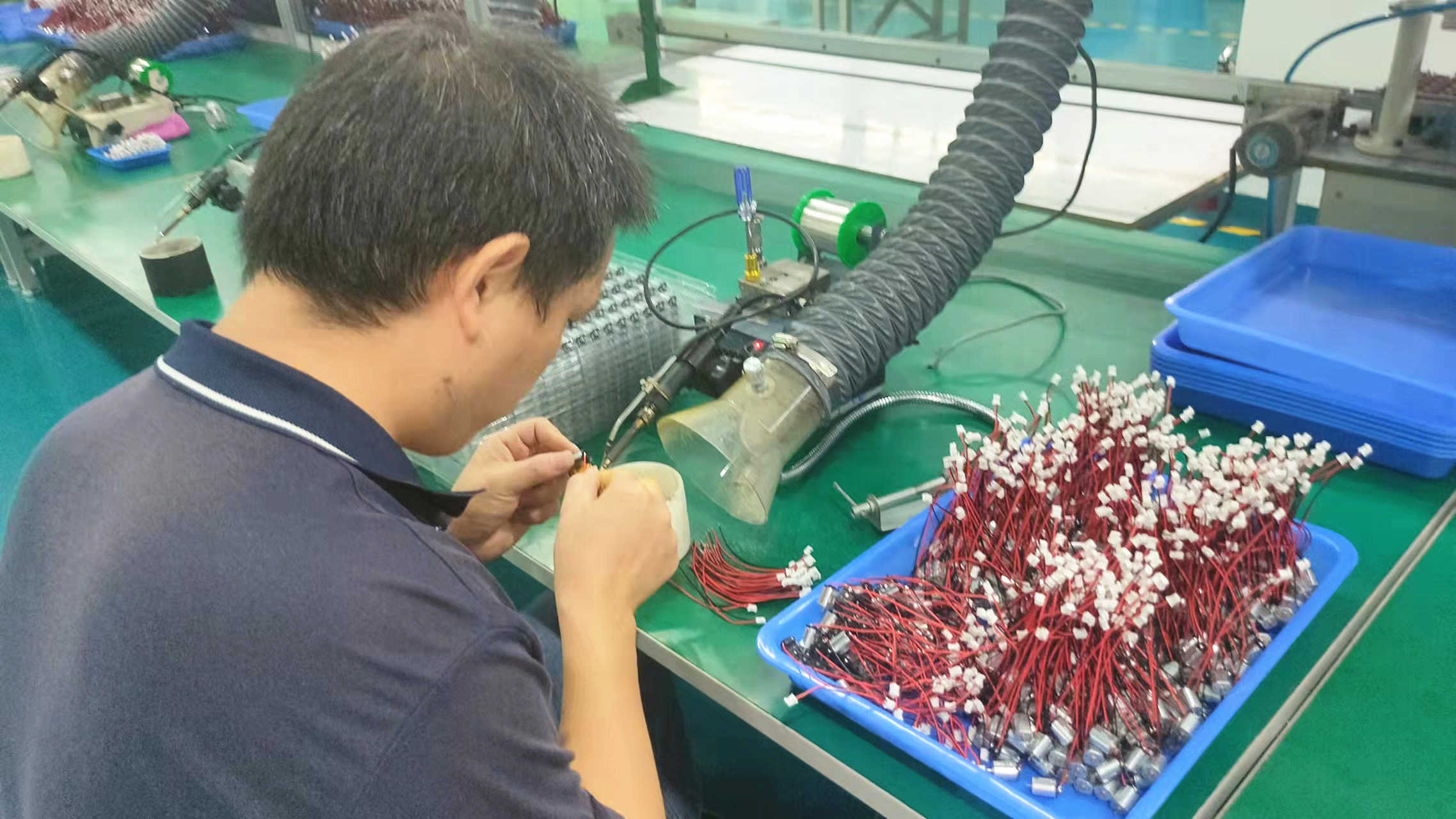 Soldering
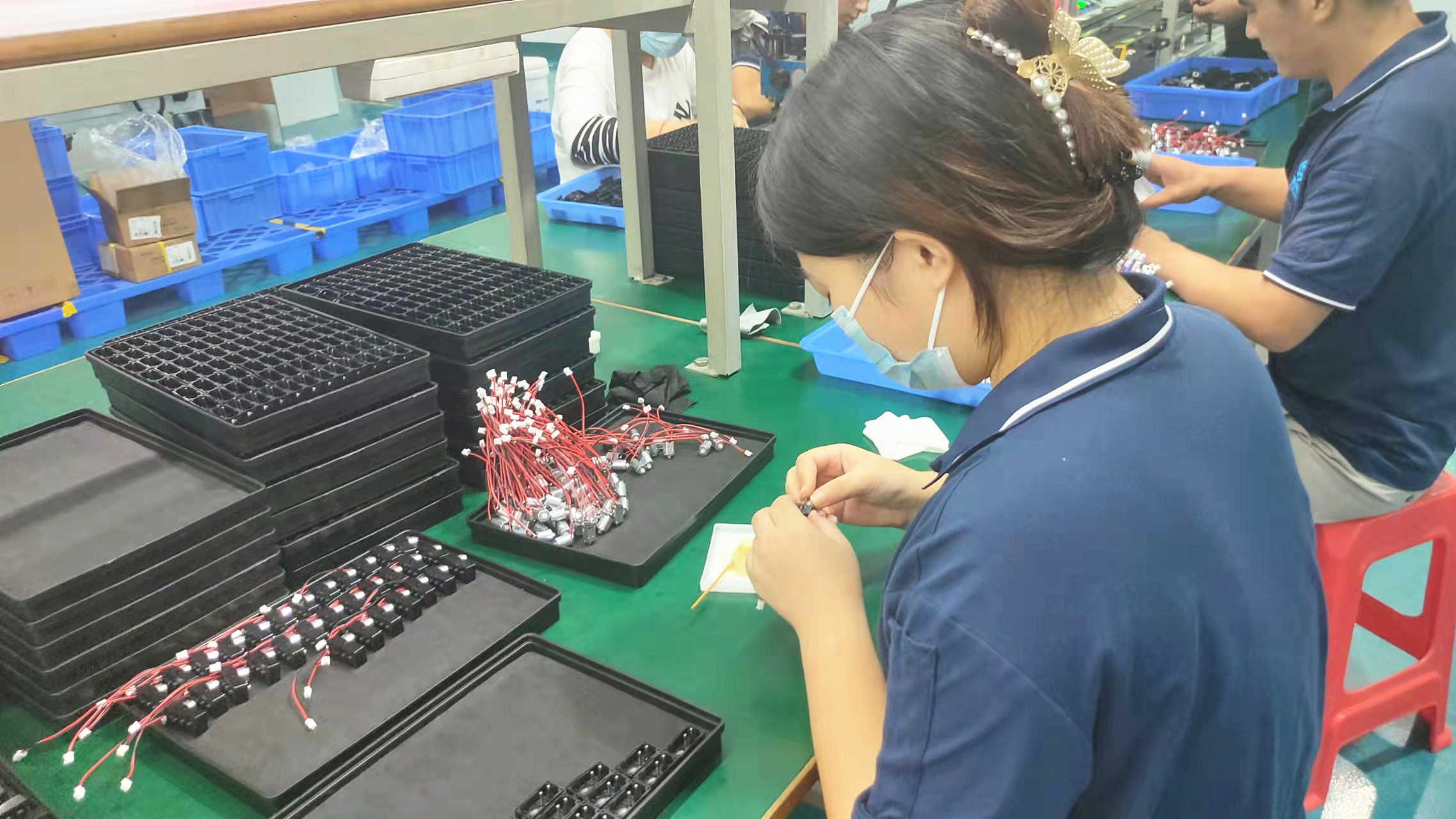 Assembling
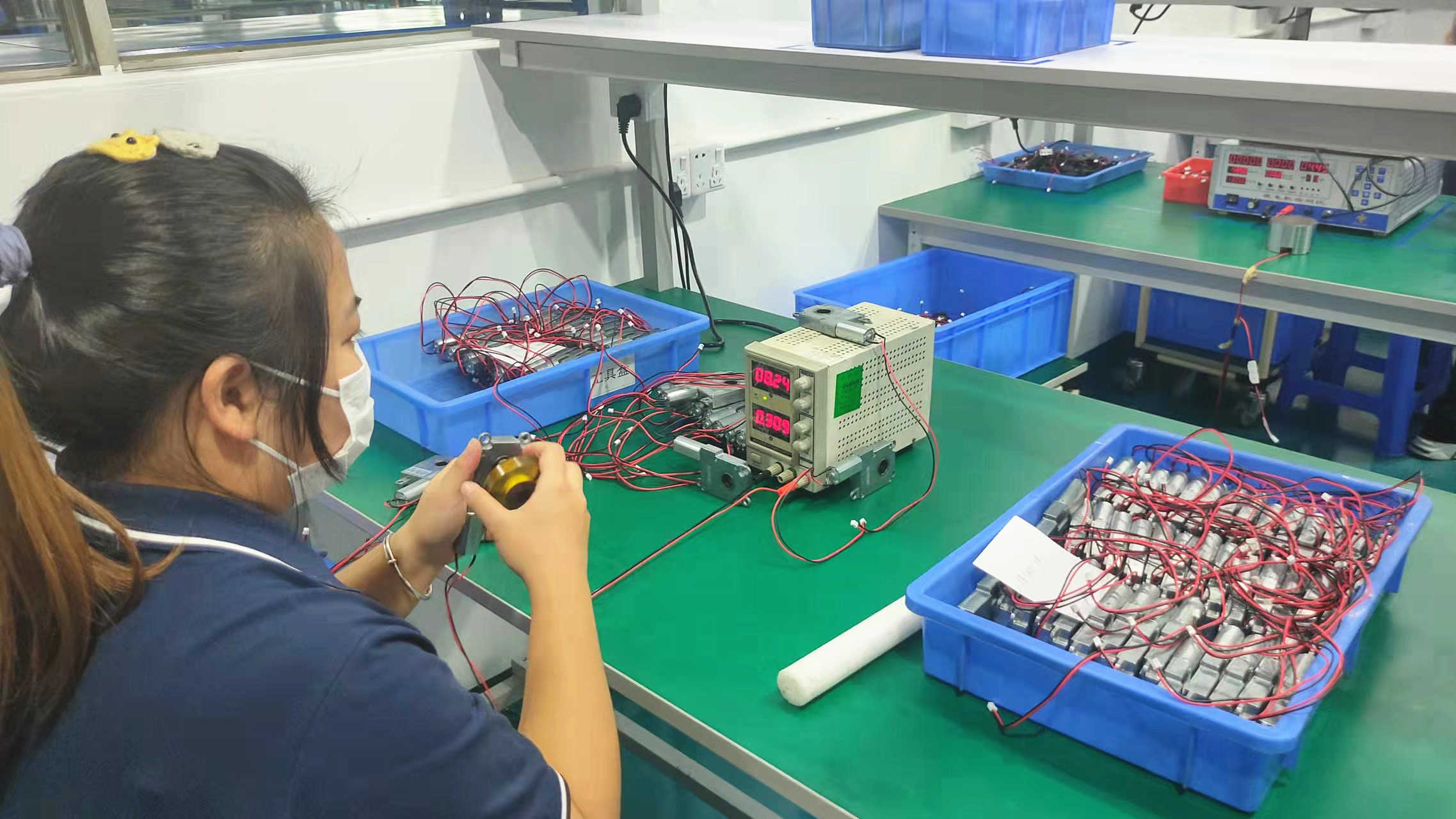
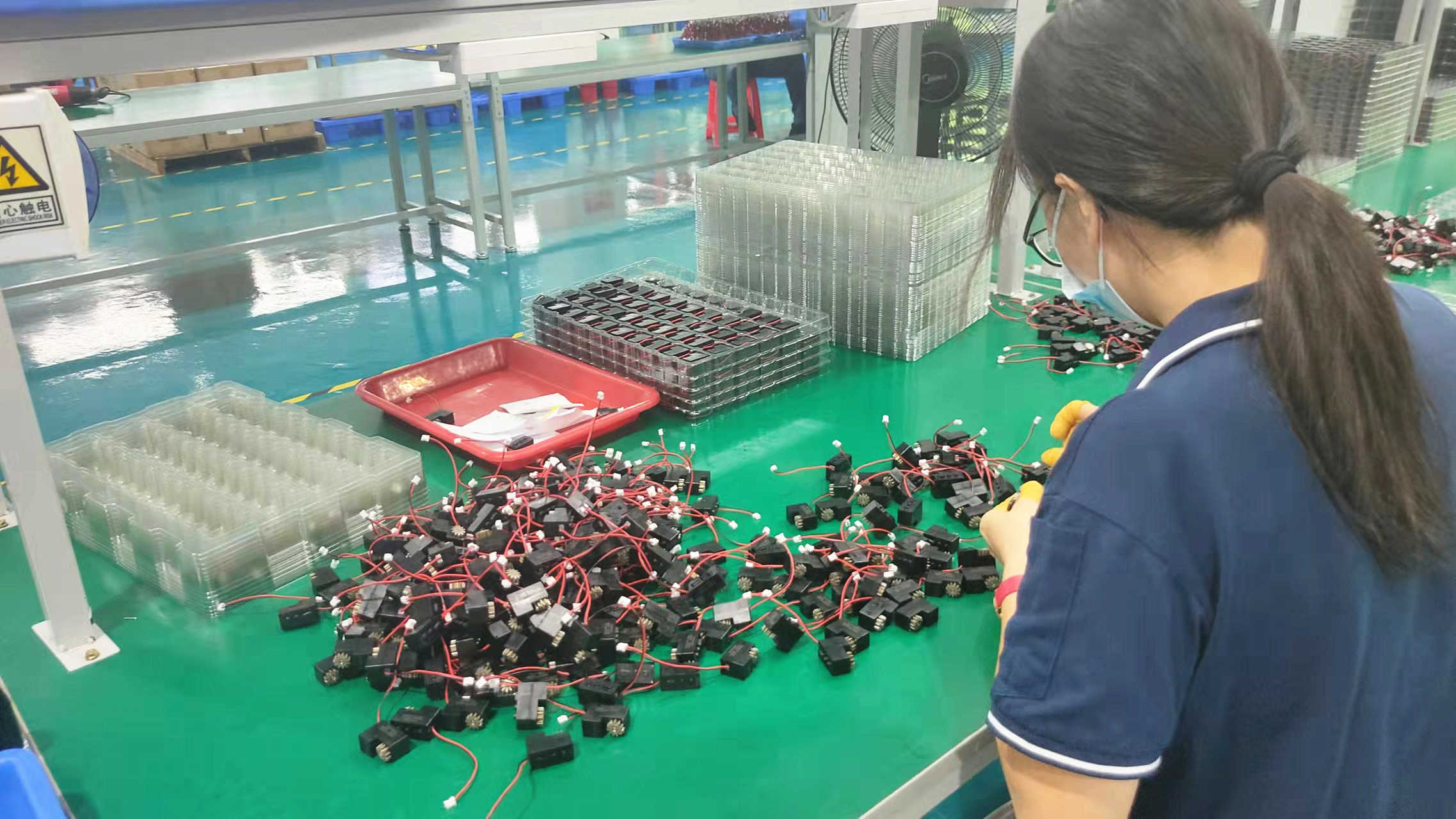 Testing
 Packing
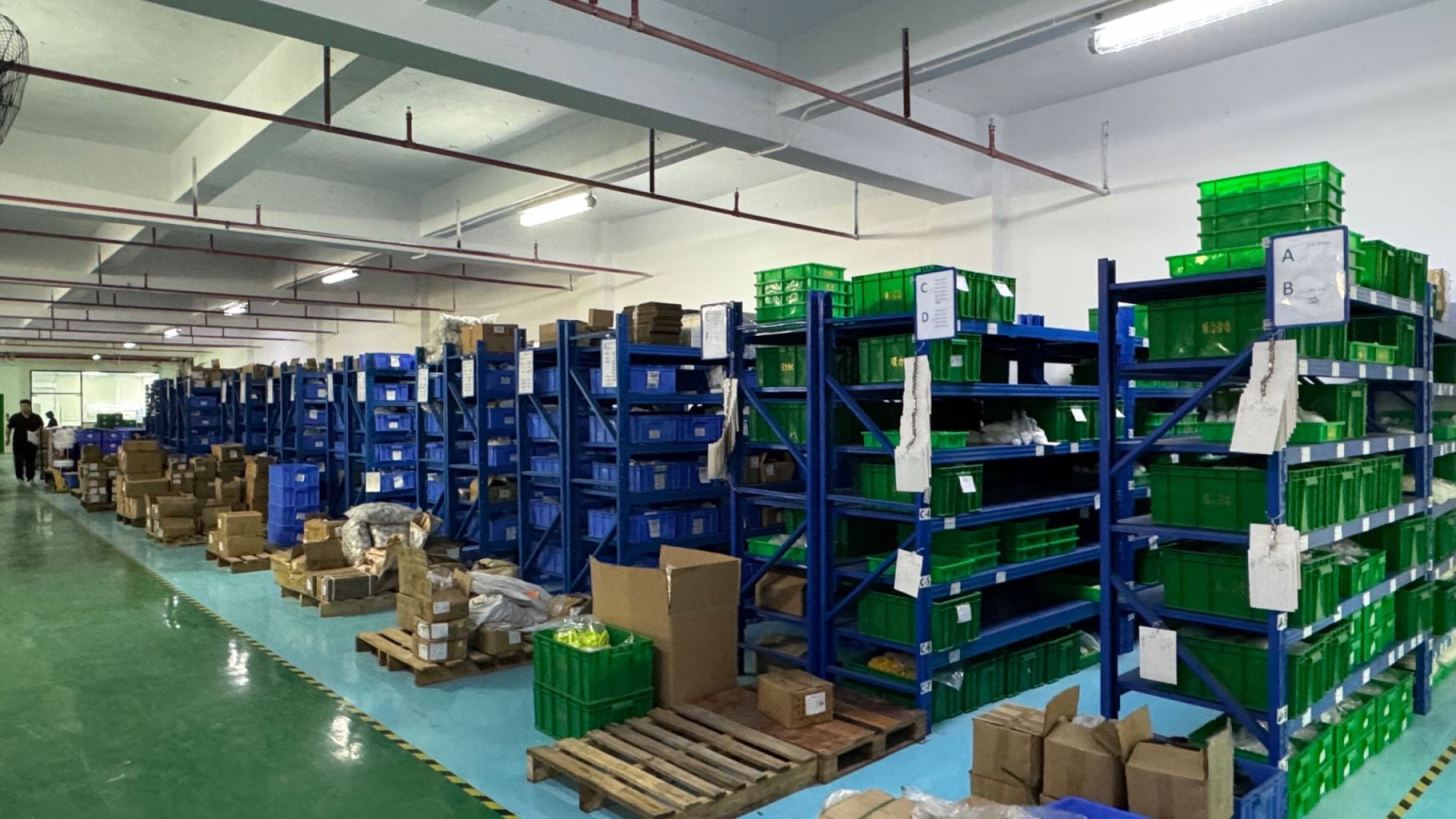 Storage
In-House Manufacturing Equipment Fleet
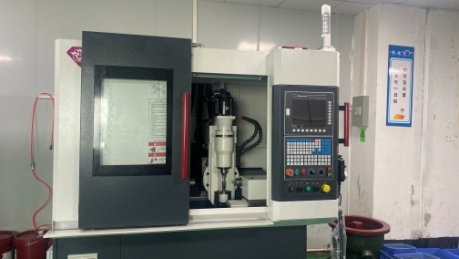 NINGJIANG MACHINE TOOL
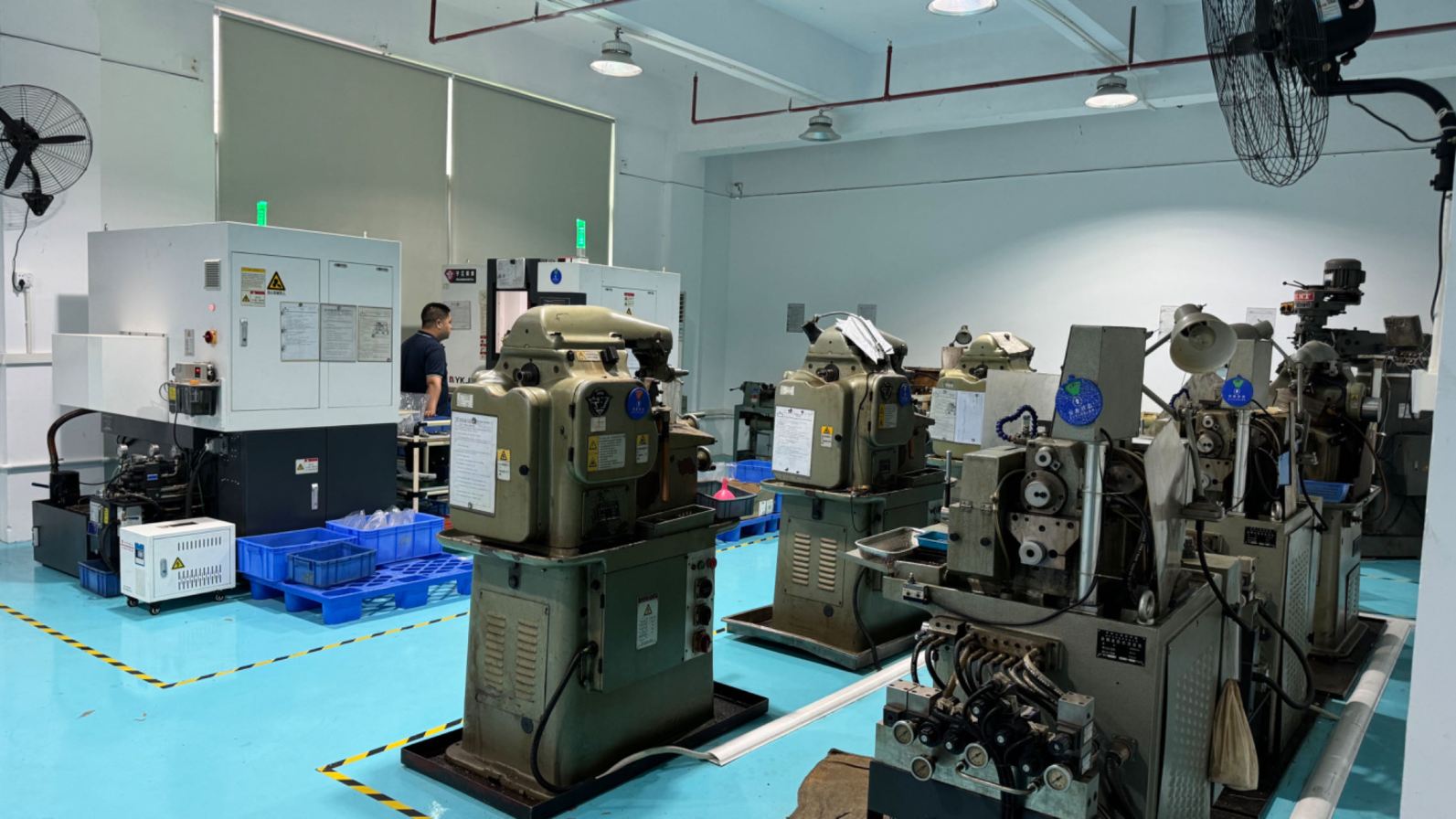 High Precision Horizontal Gear Hobbing Machine
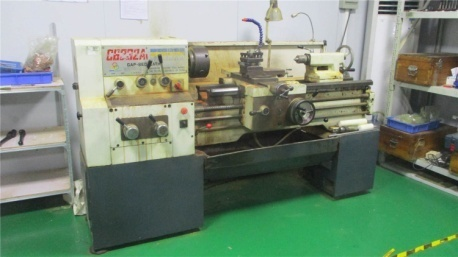 Lathing Machine
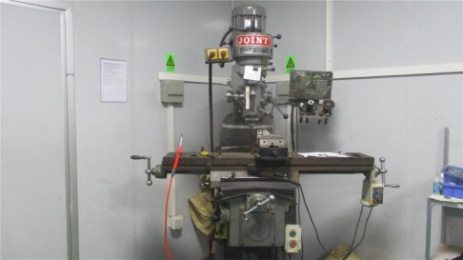 Milling Machine
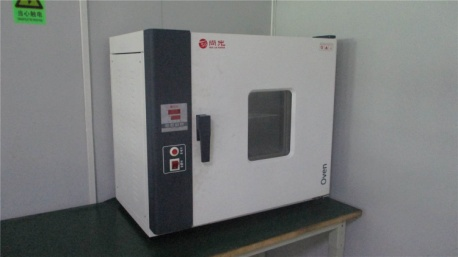 Drying Oven
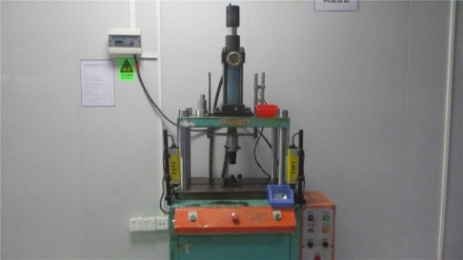 Automatic Gear Riveting Machine
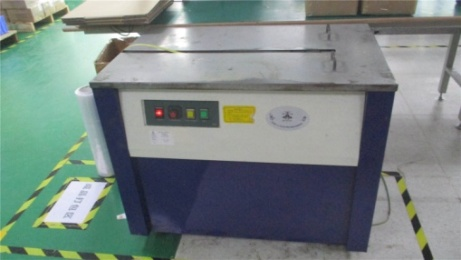 Packing Machine
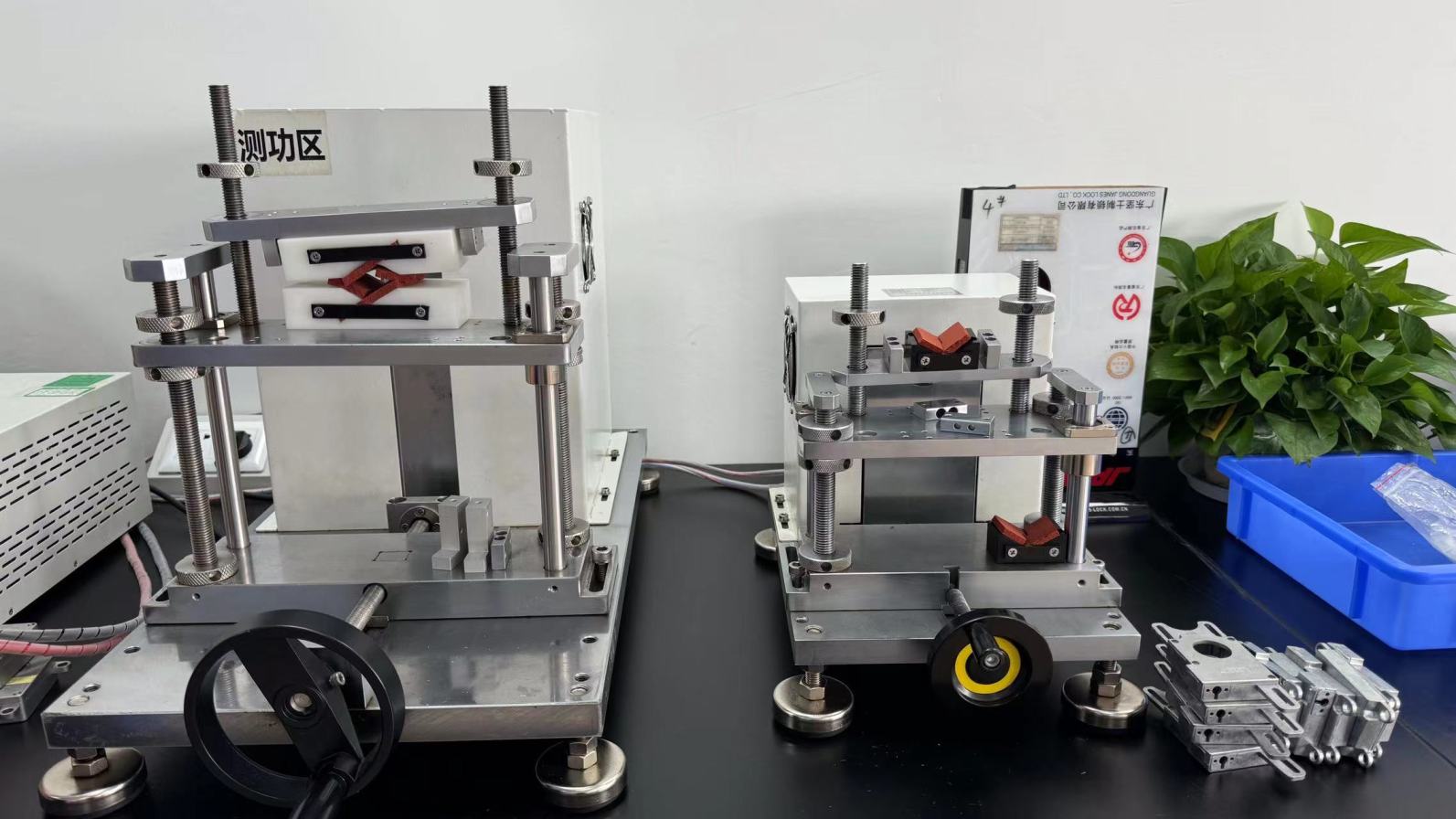 Pneumatic Pressing Machine
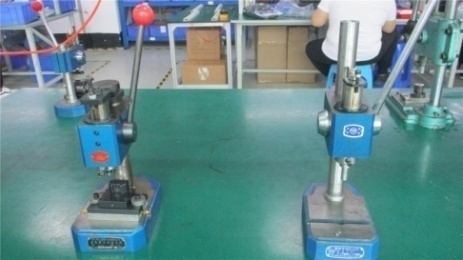 Manual Pressing Machine
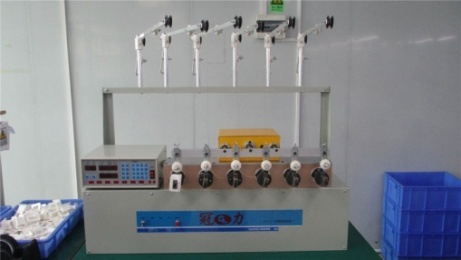 Computer Wire Winding Machine
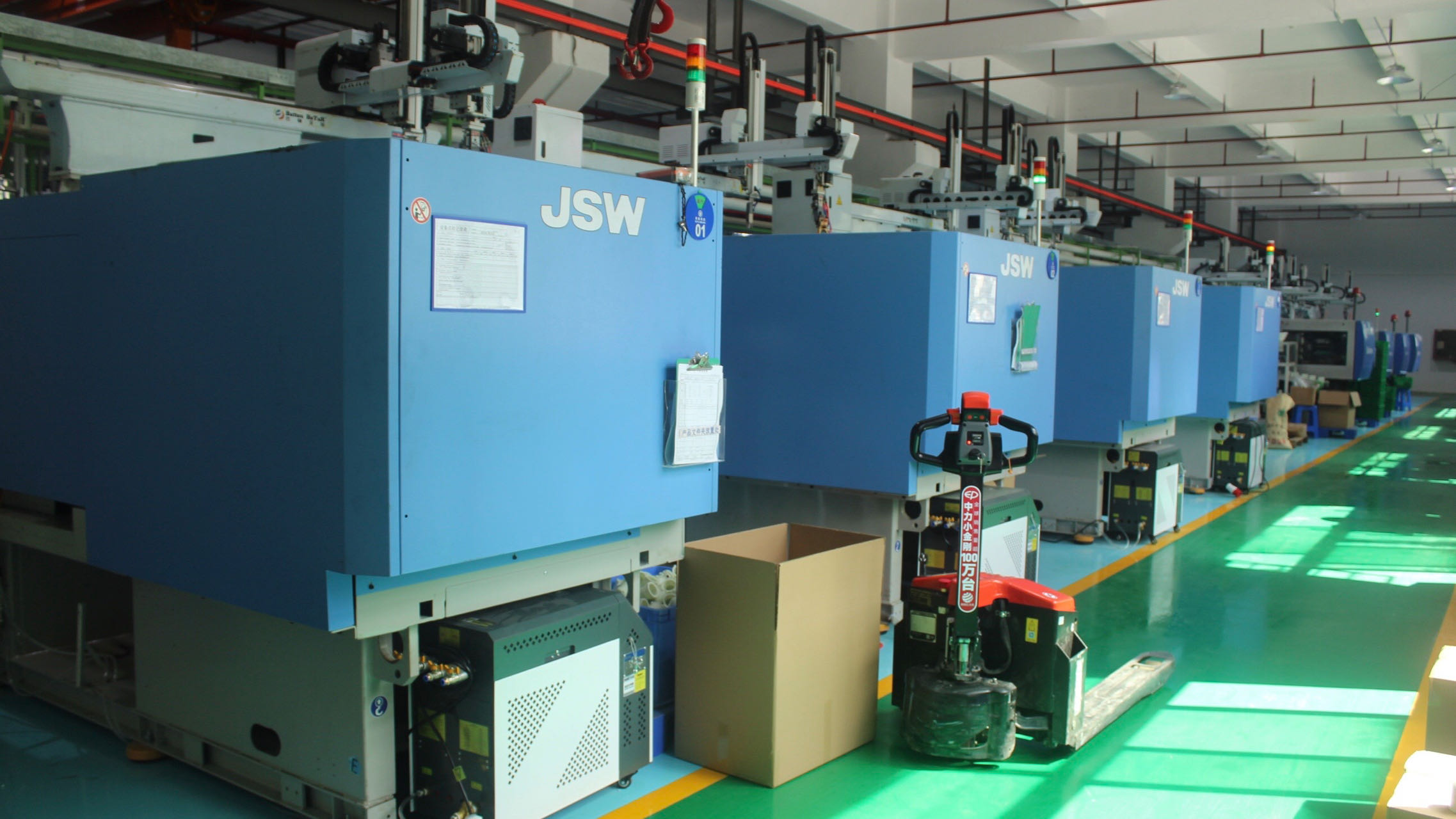
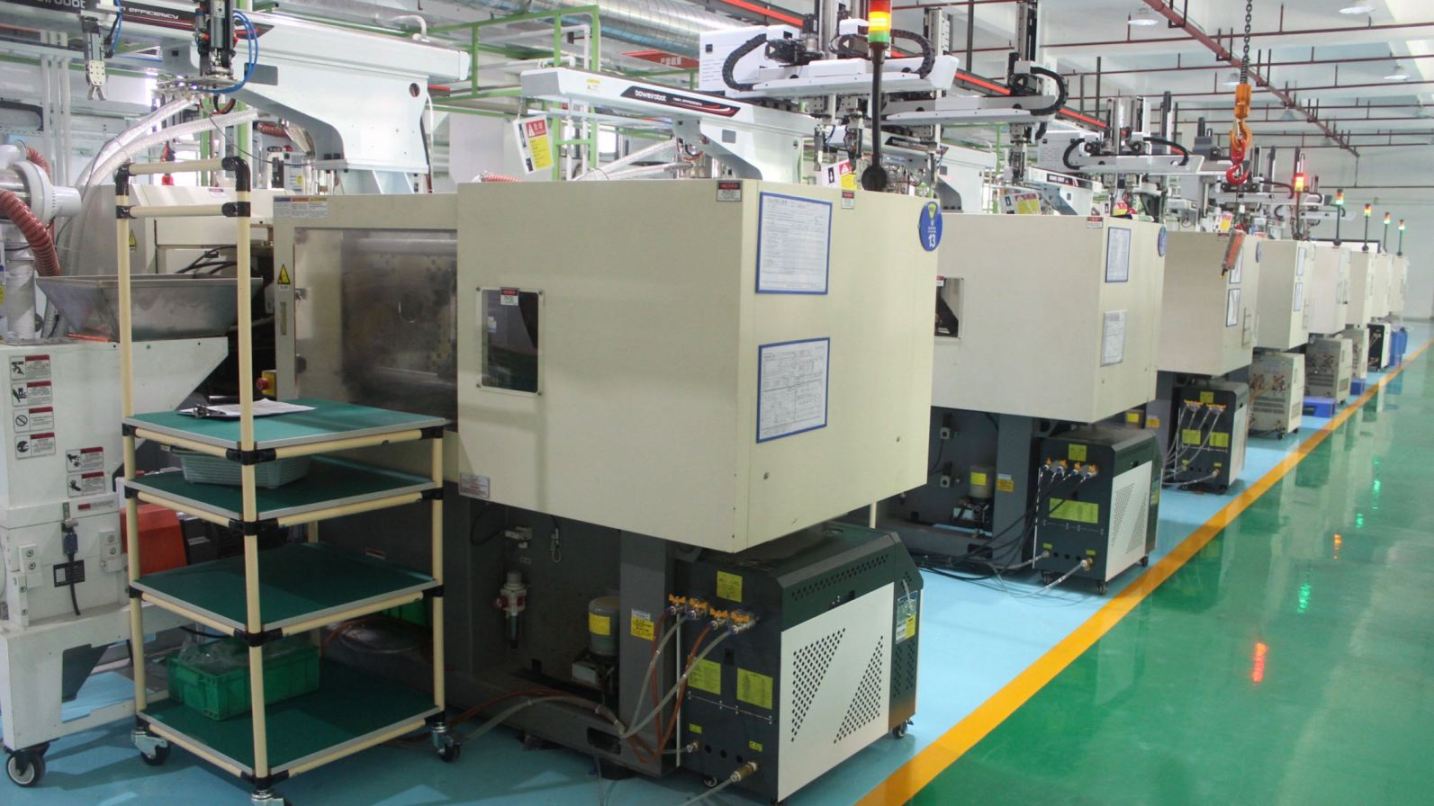 Injection Machine
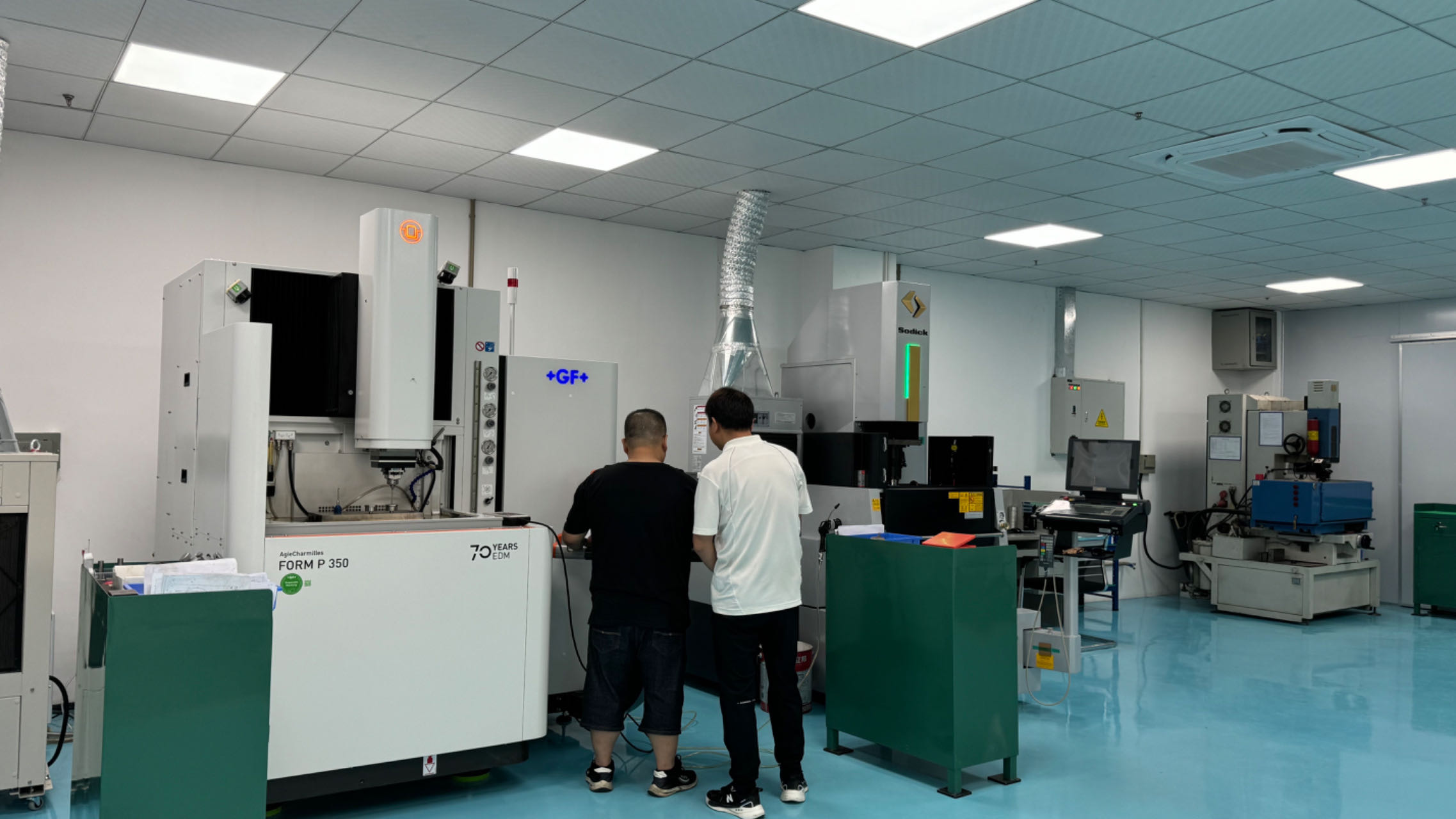
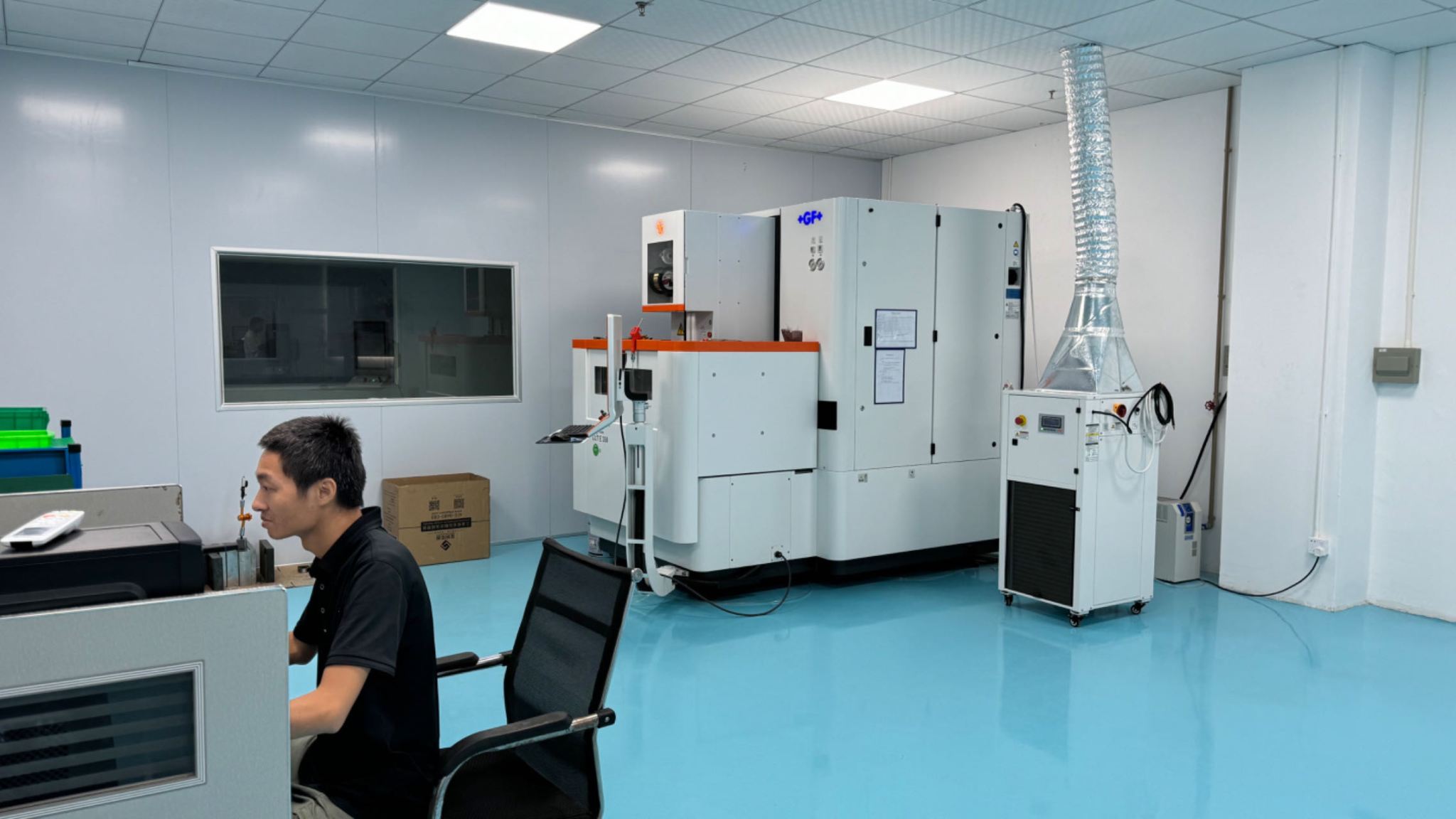 Slow-feeding NC wire-cut machine
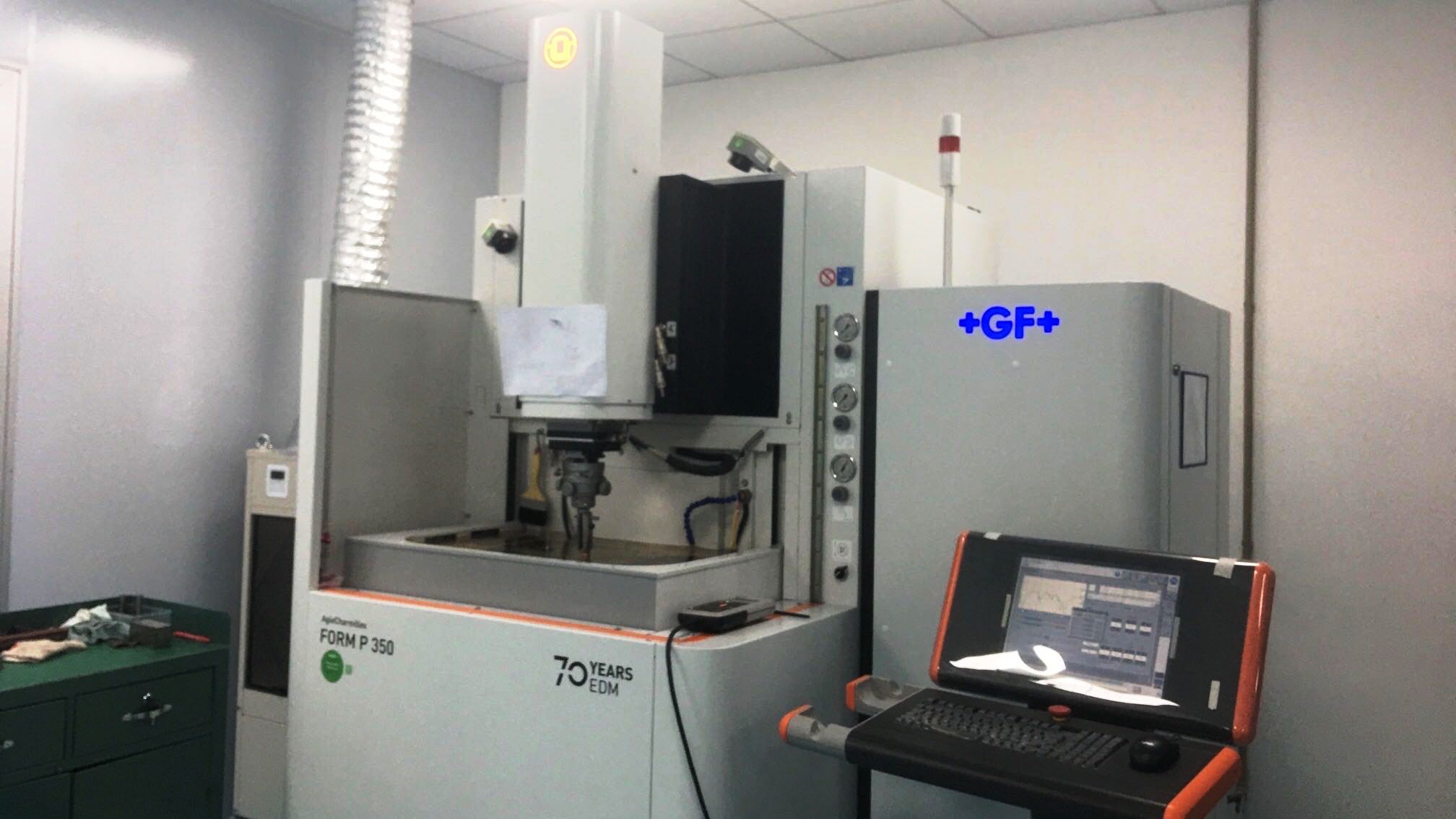 EDM
EDM
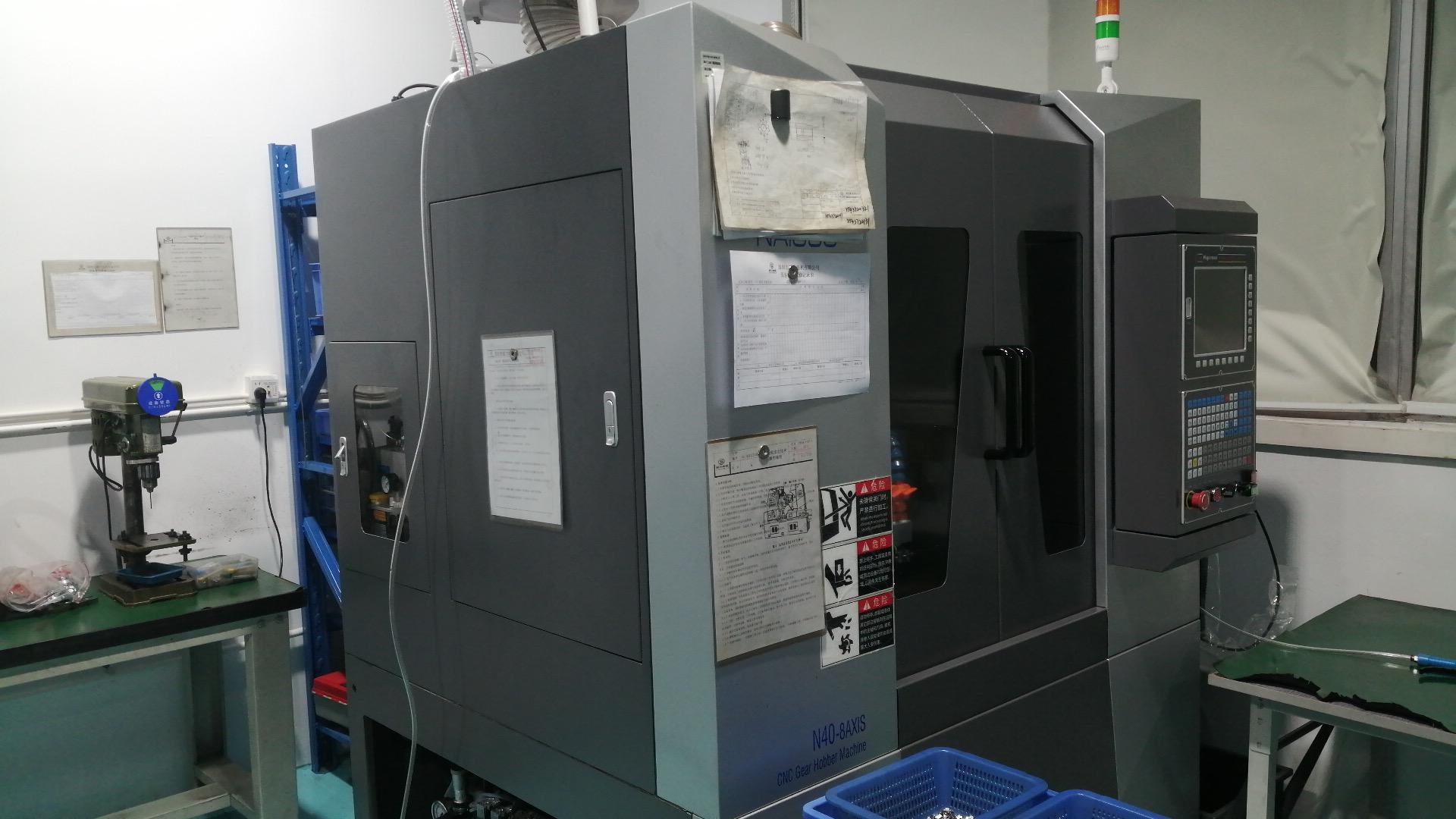 Hobbing Machine
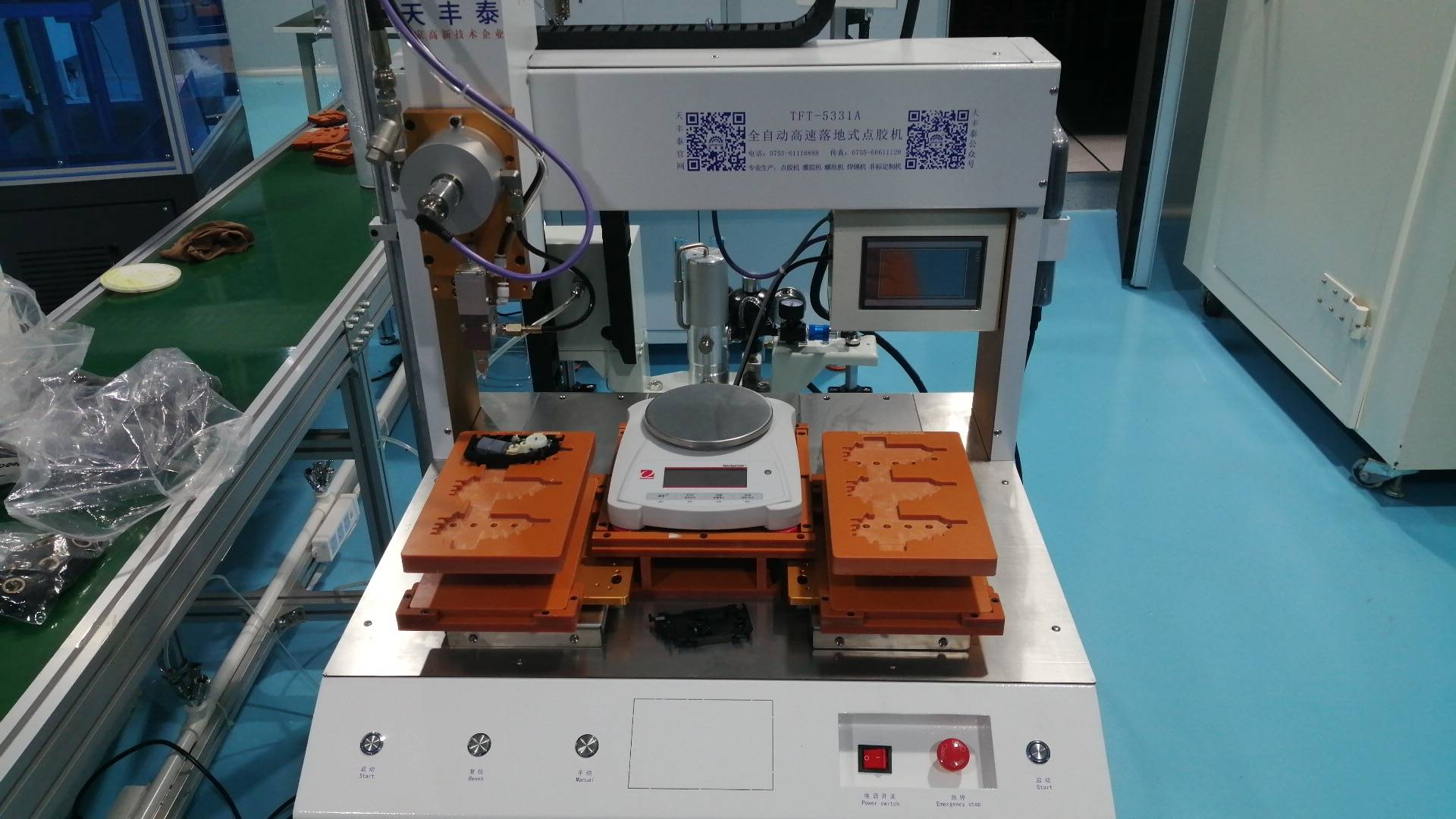 Glue Dispenser
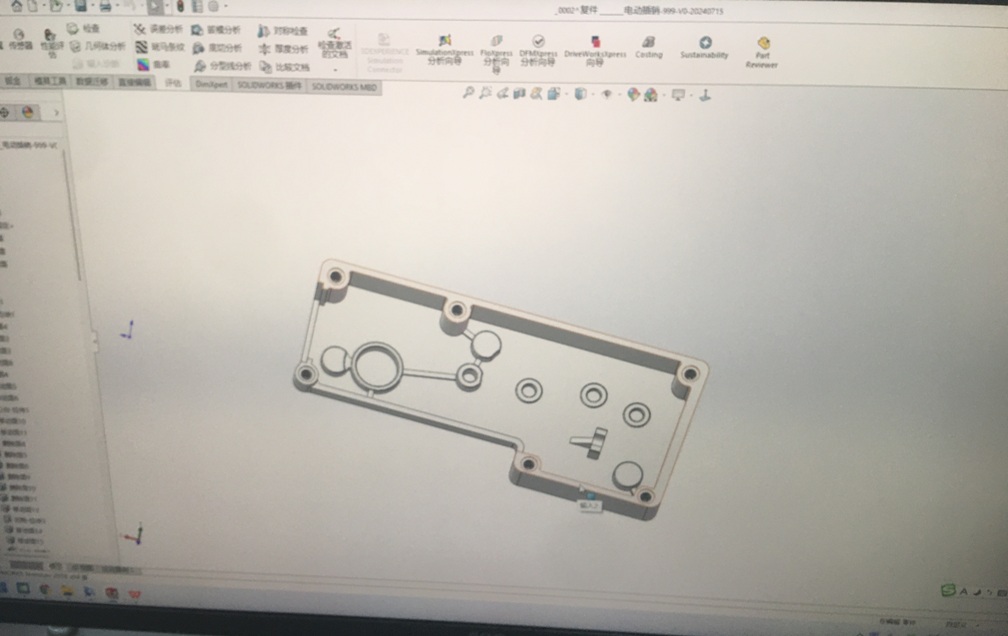 Design
Comprehensive Diagnostics & Metrology Laboratories
Our quality control strategy relies on empirical testing. To ensure reliable performance under diverse environmental conditions, our laboratories are equipped with test stations that monitor environmental resilience, acoustic signatures, rotational consistency, and geometric tolerances.
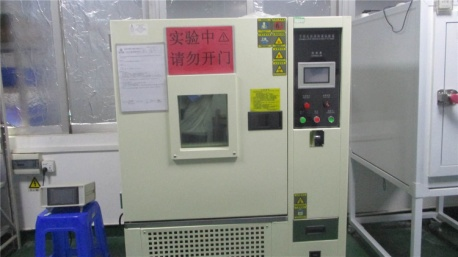 Programmable Constant Temperature Testing
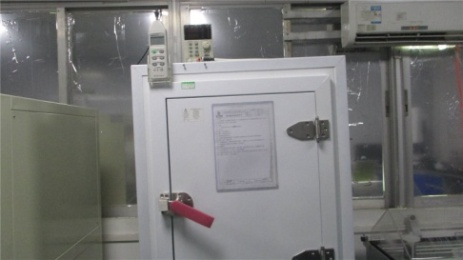 Acoustic Test Room
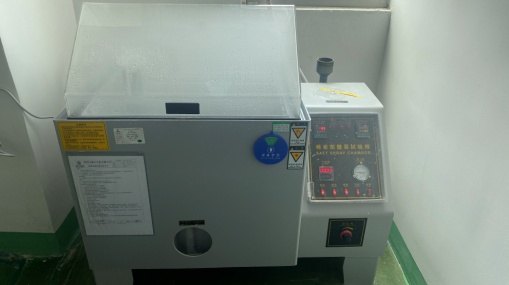 Salt Spray Testing Machine
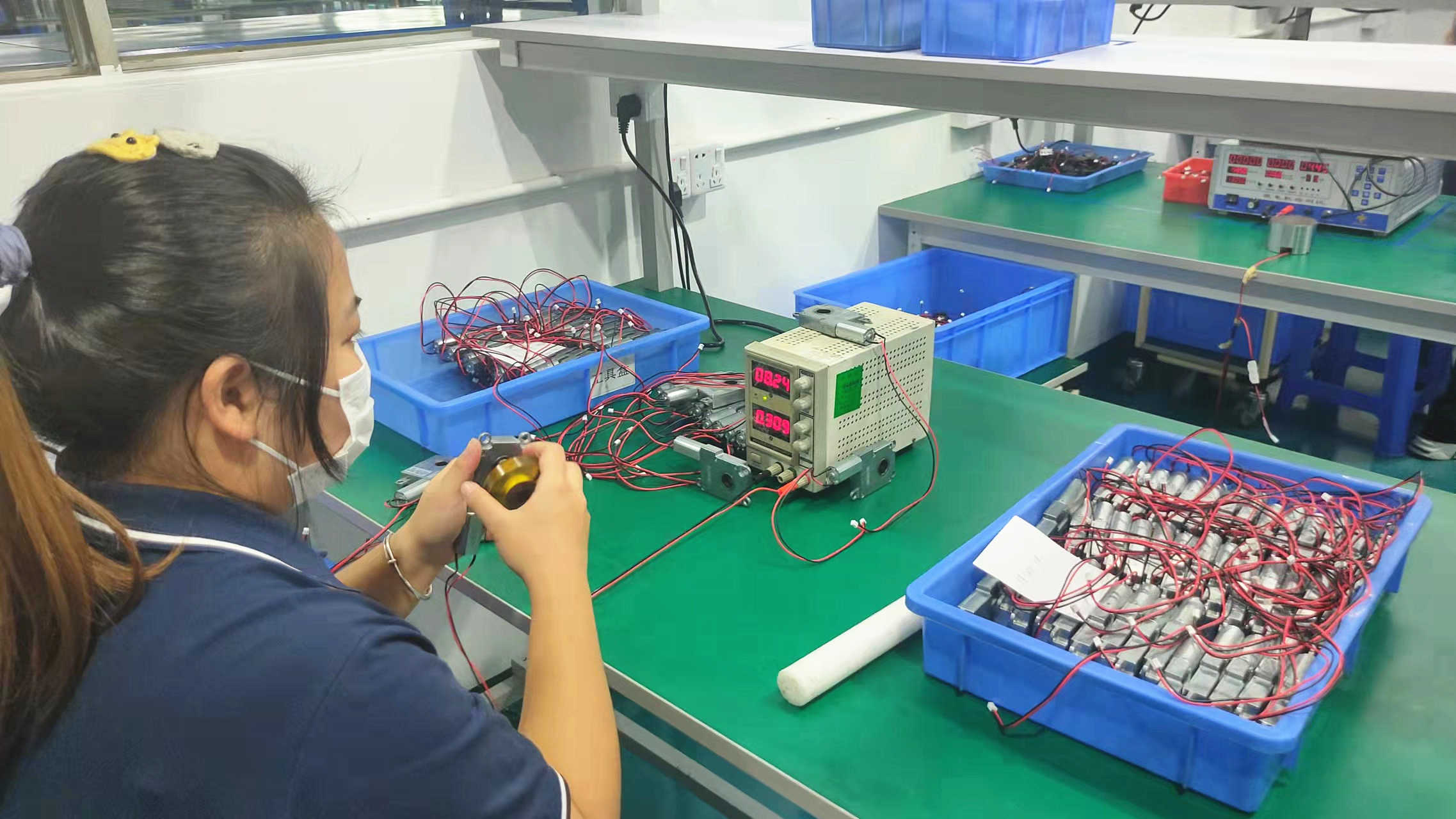 Qc Checking
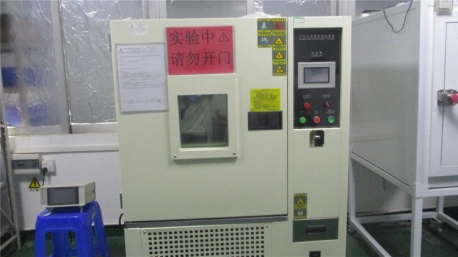 Humidity Chamber
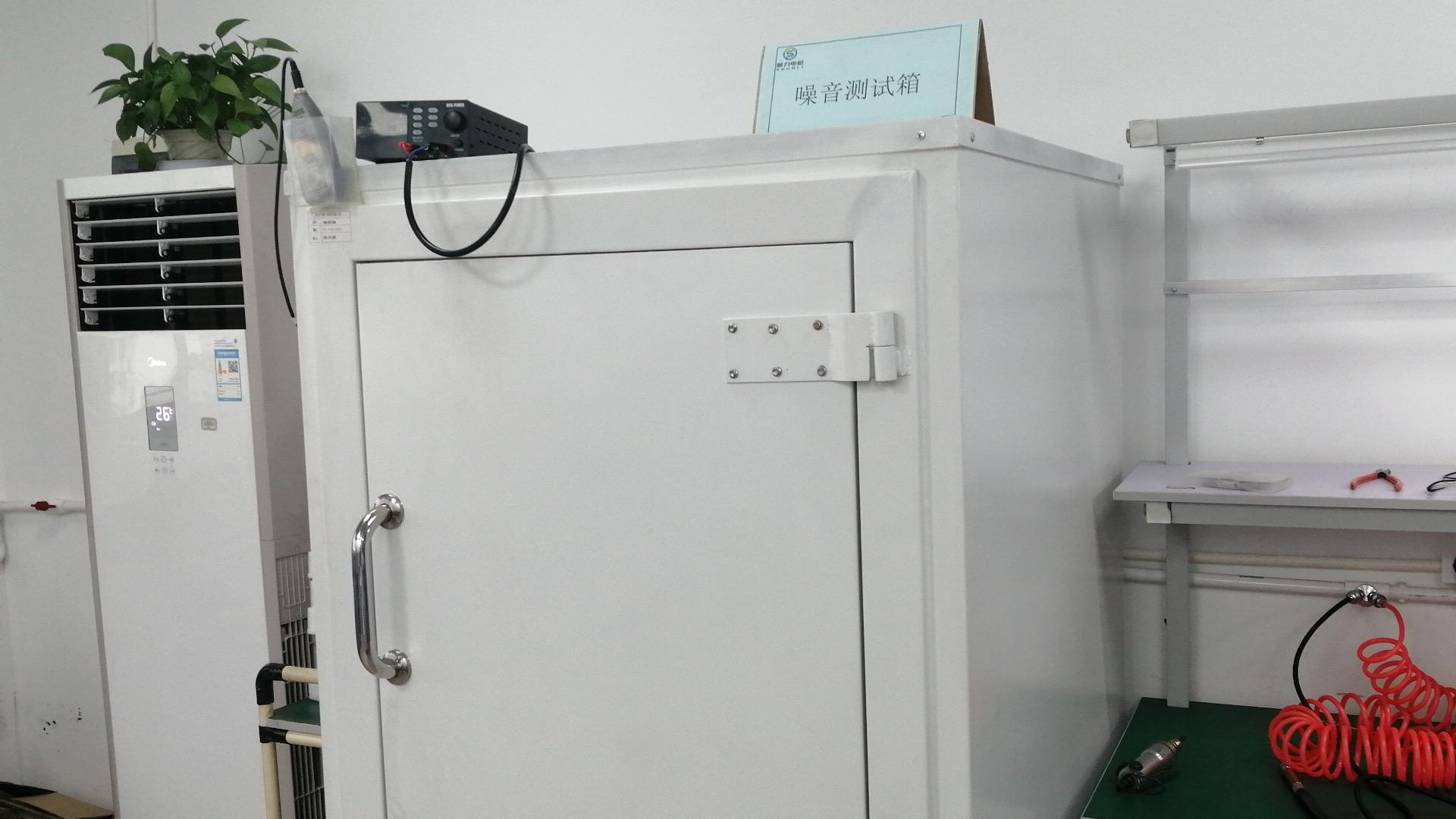 Noise Analysis Chamber
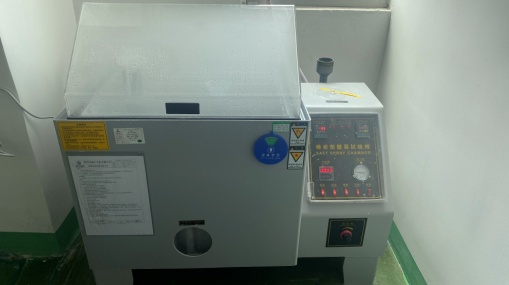 Corrosion Testing Station
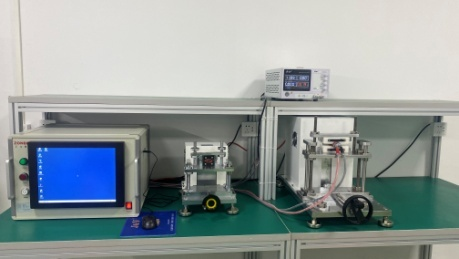 Dynamometer Machine
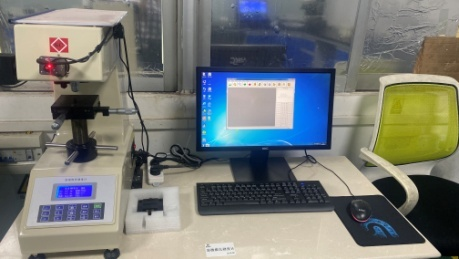 Hardness Tester
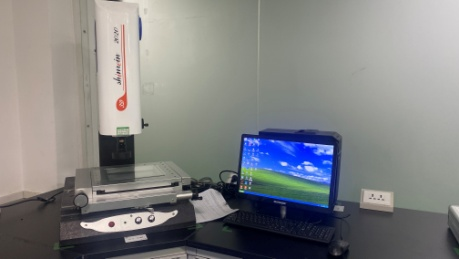 Video Measuring Instrument
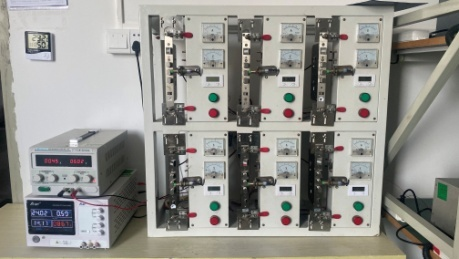 Aging Shelf
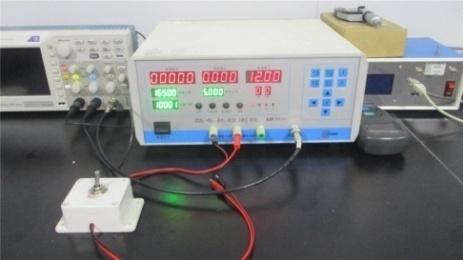 Motor Testing Machine
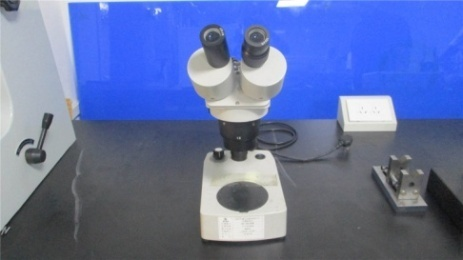 Microscope
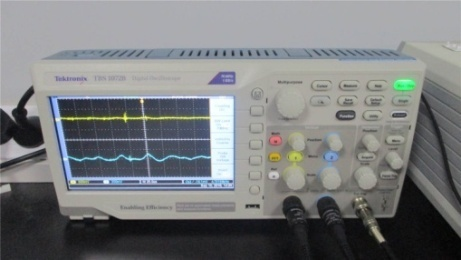 Digital Oscilloscope
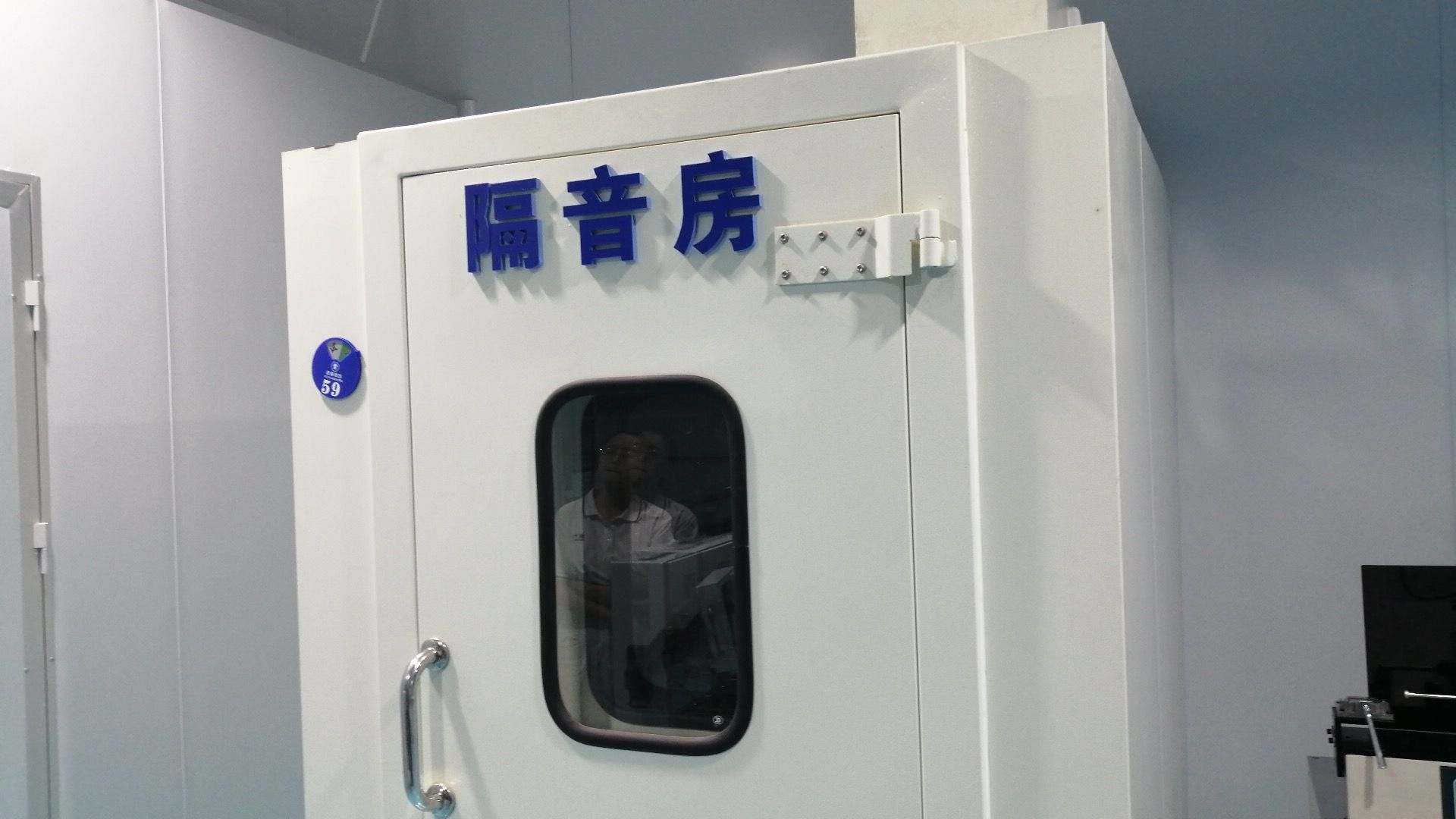 Soundproof Room
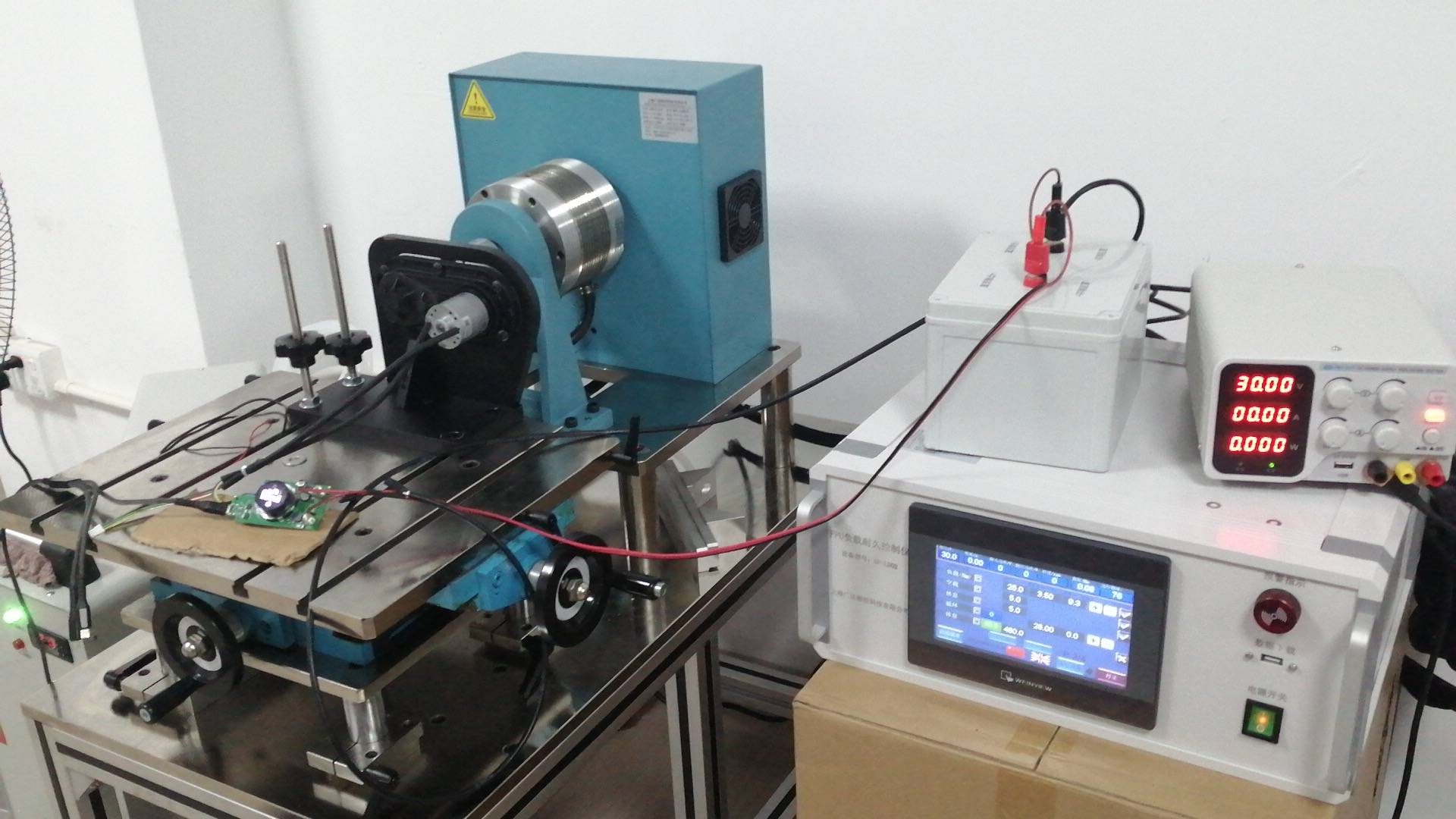 Magnetic Powder Testing Machine
Application Engineering & Global Procurement Priorities
Modern micro drives are designed for specific operating environments. For example, in smart home electronic access systems, a mini DC gear motor must deliver high starting torque at low speeds to reliably cycle heavy deadbolts, while drawing low standby power. In automotive applications, including power window actuators, seat adjusters, and electronic parking brakes, motors must operate across wide temperature ranges (-40°C to +85°C) and resist moisture and vibration.
In medical and personal care products, such as high-performance shavers, electric toothbrushes, and diagnostic fluid dispensers, the focus shifts to noise control, power density, and brush life. Procurement and engineering teams must evaluate key operational parameters:
1. Commutator Material Selection: Precious metal commutators are typically selected for low-current, high-efficiency micro applications due to their minimal electrical noise. Carbon-graphite systems are preferred for heavy-duty, high-torque applications where electrical arcing would degrade lighter metals.
2. Precision Gearbox Integration: Backlash control is crucial. Planetary gear arrangements distribute mechanical loads across multiple gear teeth, allowing for high torque transfer in compact packages.
3. Electromagnetic Interference (EMI) Management: Motor housings must include varistors, capacitors, or choke coils to suppress transient voltage spikes and comply with CE and FCC regulations.
2. Precision Gearbox Integration: Backlash control is crucial. Planetary gear arrangements distribute mechanical loads across multiple gear teeth, allowing for high torque transfer in compact packages.
3. Electromagnetic Interference (EMI) Management: Motor housings must include varistors, capacitors, or choke coils to suppress transient voltage spikes and comply with CE and FCC regulations.
Strategic Q&A: Technical Considerations for Motor Procurement
1. Why are brushed DC motors preferred over brushless (BLDC) models in smart locks and security hardware?
Brushed DC motors are often selected for smart locks because they run on simple DC power sources without the need for complex control electronics or driver chips. This reduces component count and standby current draw, extending battery life. BDCs also provide high starting torque, which is essential for overcoming mechanical resistance in lock cylinders or misaligned door frames.
2. What manufacturing steps prevent premature commutator wear and brush degradation?
Preventing wear involves using high-purity copper alloys for the commutator segments, selecting appropriate brush materials (carbon-graphite or precious metal compositions like silver-palladium), and maintaining precise alignment during assembly. Computerized dynamic balancing minimizes rotational vibration, which reduces mechanical wear and electrical arcing.
3. How does dynamic balancing affect acoustic noise profiles in high-end medical pumps and home devices?
Unbalanced rotors produce high-frequency vibration and structural resonance, which can exceed acceptable decibel limits for medical and consumer devices. Dynamic balancing isolates heavy points on the rotor, allowing technicians to add counterweights or remove material. This keeps dynamic radial runout under 0.05 mm, minimizing audible vibration.
4. What criteria should procurement teams use to evaluate a Chinese manufacturer's quality management?
Buyers should verify ISO 9001 and IATF 16949 quality certifications. They should also evaluate the factory's testing equipment, including dynamometers for torque-speed mapping, programmable temperature/humidity chambers for environmental testing, and salt-spray machines to verify corrosion resistance on plated steel shafts and housings.
5. How does planetary gear integration optimize output characteristics in low-speed, high-torque applications?
Planetary gearboxes mount multiple planet gears around a central sun gear, distributing load torque across multiple contact points. This design provides higher torque density and efficiency in a smaller diameter than traditional spur gear trains, making it ideal for high-load, space-constrained applications.
Heavy-Duty & Custom Actuator Product Series
220 Volt Ac Electric Gear Reducer Motors for Fireplace/Meat Chopper/Ice Maker Asynchronous Motor 50/60hz
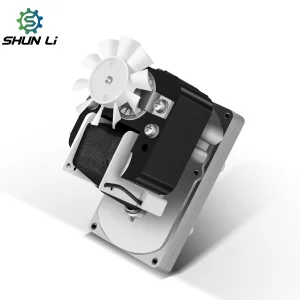
Shunli Customized High Quality Electric High Torque Single Phase Speed Controller Ac Reductor Gear Motor for Treadmill
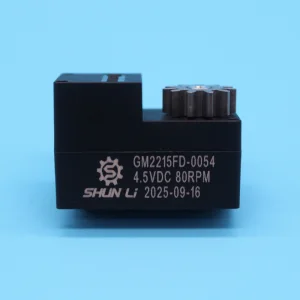
Shunli Motor 2215 Smart Lock Motor Steering Gear Automatic Door Lock Micro Motor Gearbox Reduction of Smart Lock
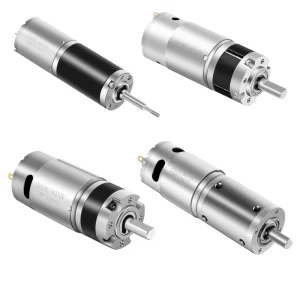
36mm High Torque 3N.m 1N.m 12v 24v Bldc Brushless Dc Customized Planetary Gear Motor for Robot Joint
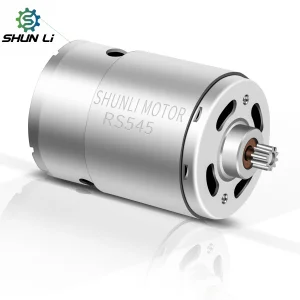
SRS-555 Dc Motor 12v 24v Micro Dc Motor for Toys
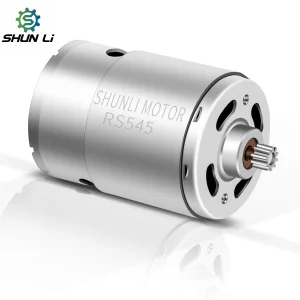
SRC-370SH-4730 Factory Hot Selling 4.5V 17500rmp 3.63A Output 11.51W
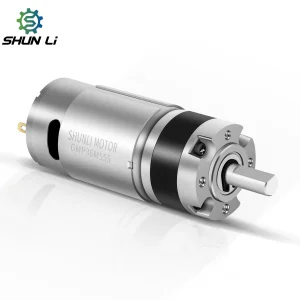
CE Certification High Torque Low Rpm 12 24 Volt Drill Permanent Magnet Dc Gear Electric Torque Motor Planetary
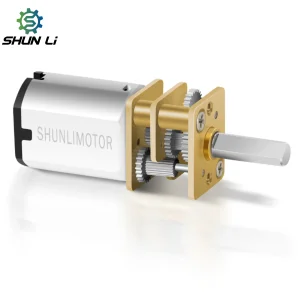
N20 Micro Mini Full Metal DC Gear Motor DC 3V~6V 25RPM-50RPM DC5V 42RPM Slow Speed Engine for Robot Electronic Lock