 DC Motor B2B
Featured Stepper & Gear Motors for Naples Systems Integrators
Engineered for precise positioning, high torque density, and optimized spatial configurations. Direct-factory components optimized for Italian industrial applications.
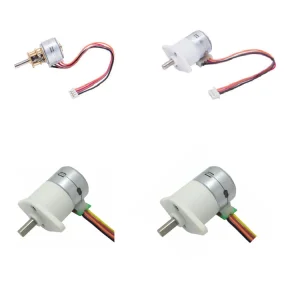
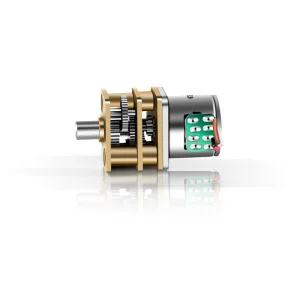
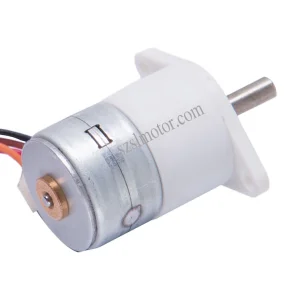
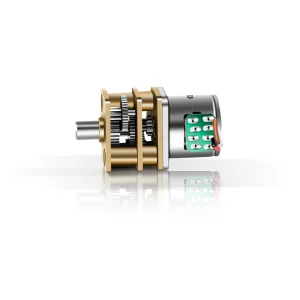
The Naples & Campania Industrial Landscape: Seeking Motion Precision
Southern Italy, particularly the Naples metropolitan area and the wider Campania region, is undergoing a profound industrial modernization phase. Known for historically robust manufacturing sectors like automotive, food processing, aerospace, and biomedical engineering, local enterprises are rapidly transitioning to Industry 4.0 standards. The integration of high-performance stepper and servo motors has become the technical foundation of this evolution.
In the Campania Aerospace District (DAC), local OEMs require motion components that meet zero-backlash criteria and extreme temperature resilience. In the agricultural packaging facilities of Salerno and Caserta, high-throughput labelling machines, capping apparatus, and robotic sorting systems require micro drives that can endure millions of duty cycles under humid, continuous conditions. Direct access to a custom motor manufacturer allows Naples firms to bypass intermediary markups while obtaining custom-configured shafts, winding variations, and specific reduction gear ratios.

Localized Technical Support & Italian Market Regulatory Conformity
Deploying sub-fractional horsepower motors in the Italian market mandates compliance with strict safety directives. The European Union’s Machinery Directive 2006/42/EC, Low Voltage Directive (LVD) 2014/35/EU, and Electromagnetic Compatibility (EMC) Directive 2014/30/EU form the legislative core of motor deployments in Italy.
DQC structures all design and manufacturing workflows around these compliance framework criteria. By implementing specialized insulation systems (Class B, F, or H configurations), utilizing lead-free solder, and engineering custom EMC suppression boards (including integrated capacitors or varistors directly in the motor cap), DQC ensures that municipal inspectors and system compliance engineers in Naples receive drop-in assemblies ready for EU market entry.
- Direct trace verification for RoHS 3.0 and REACH chemical compliance.
- Precision-machined stainless steel and anodized aluminum housings to resist seaside corrosion in maritime environments around Naples.
Packing Massive Torque Into Miniature Spaces
Inside a premium robotic joint, an automated medical pump, or a high-end smart lock, space is the ultimate luxury. At DQC, we measure our success in micrometers and decibels.
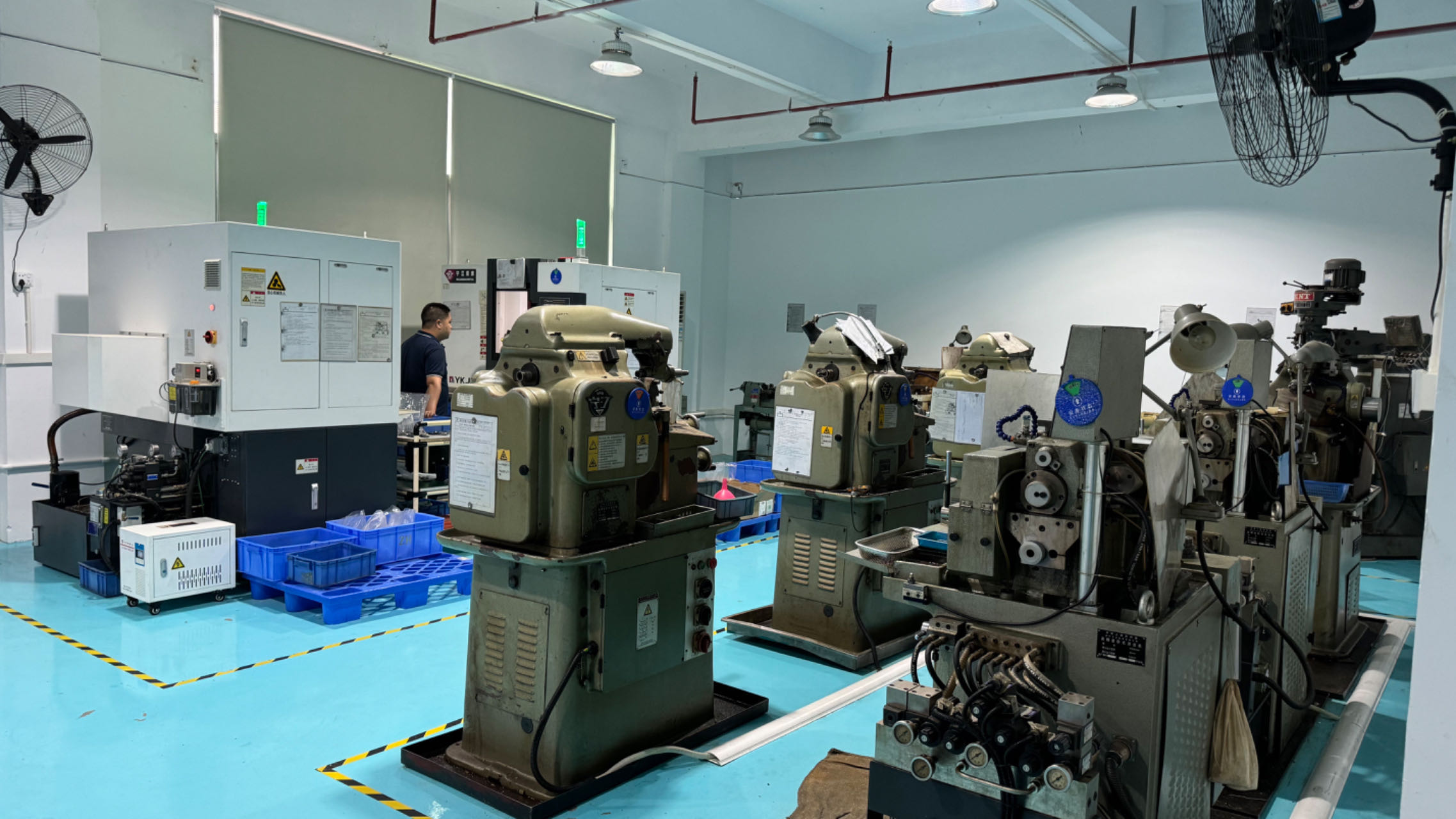
Our expertise lies in the micro-details of motion. From precision-wound copper rotors and high-purity commutators to zero-backlash planetary gear trains, every single internal component of a DQC motor is optimized to eliminate friction and maximize heat dissipation. By combining advanced automated Swiss-style hobbing with Japanese dynamic balancing, we ensure our micro drives deliver the fluid, whispering-quiet power your brand promises. When your next high-tech innovation relies on repeated mechanical perfection, let DQC be the core that spins it forward.
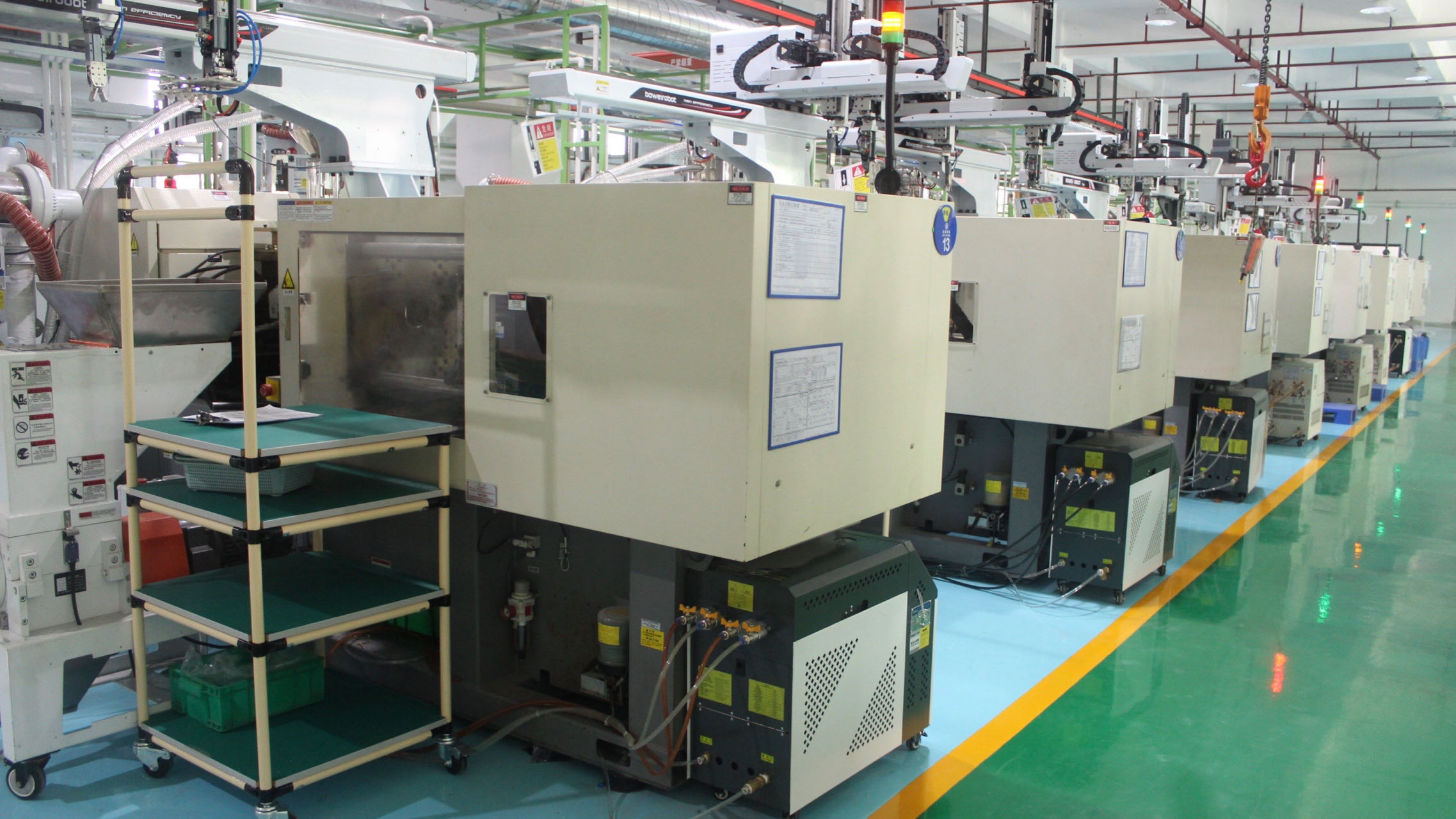
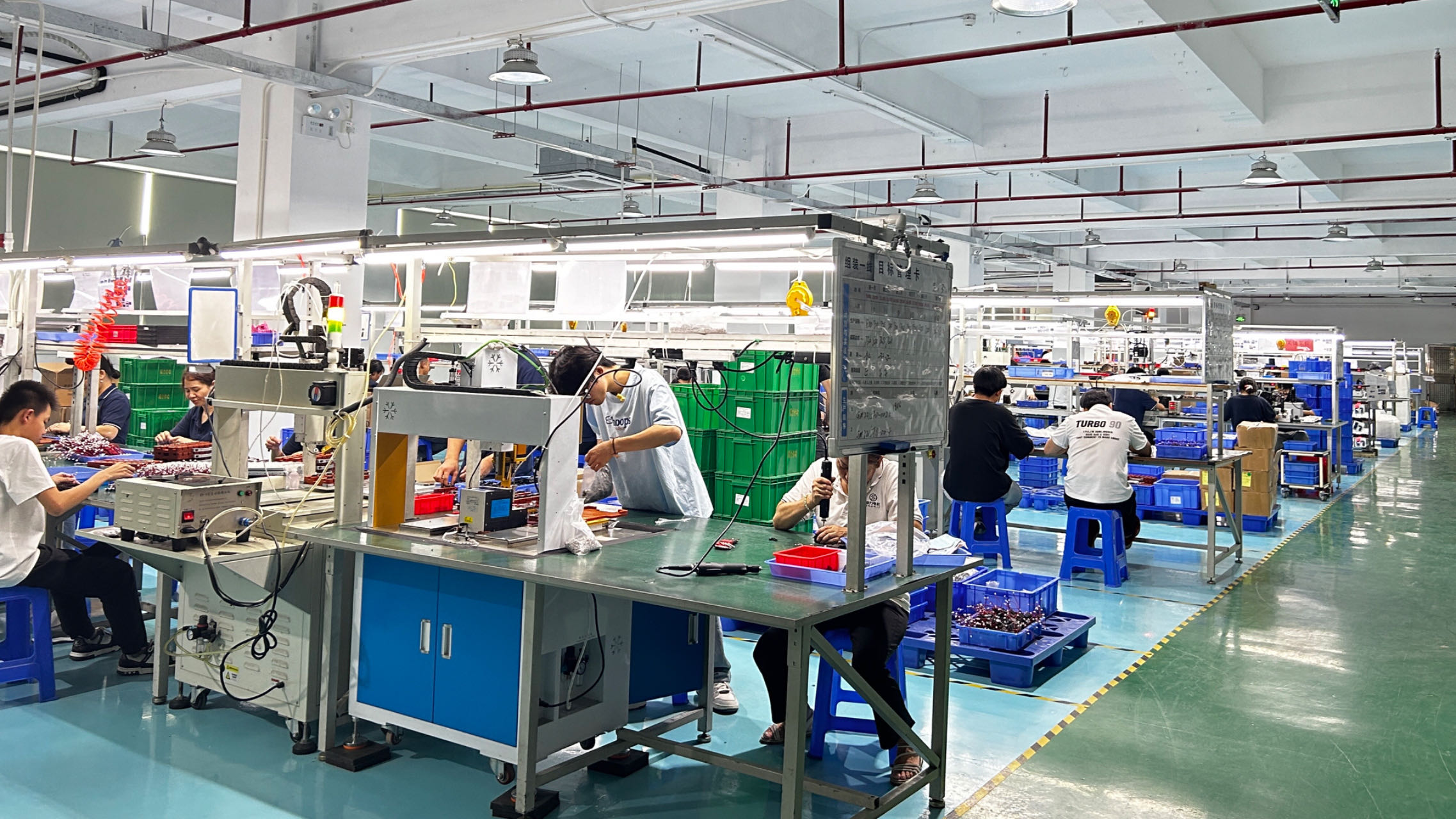
From Raw Materials to Final Logistics
Step-by-step transparency ensures every motor arriving in Italy meets exact torque profiles, operational lifetimes, and noise thresholds.
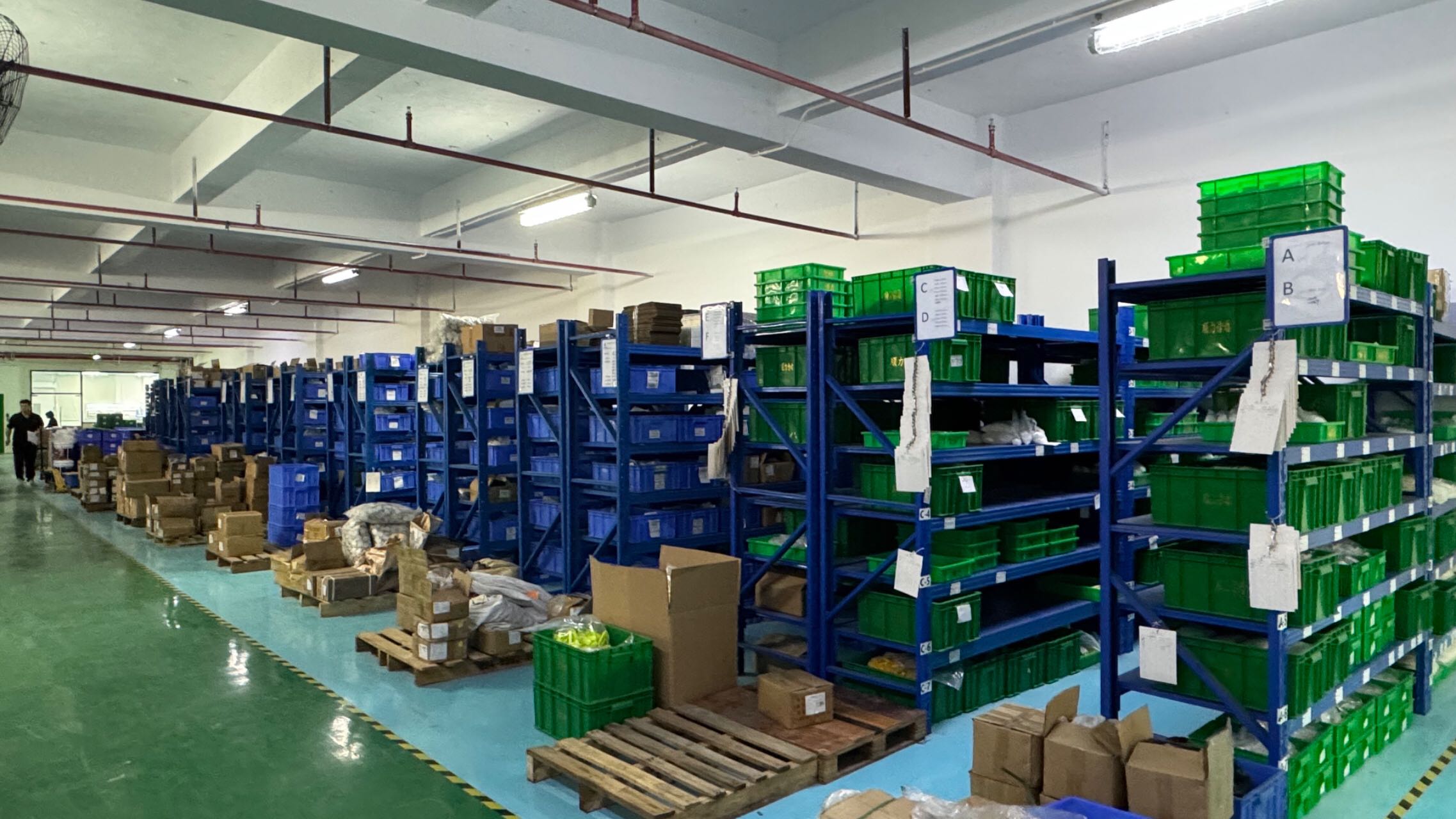 Manufacturing Overview
 Raw Material
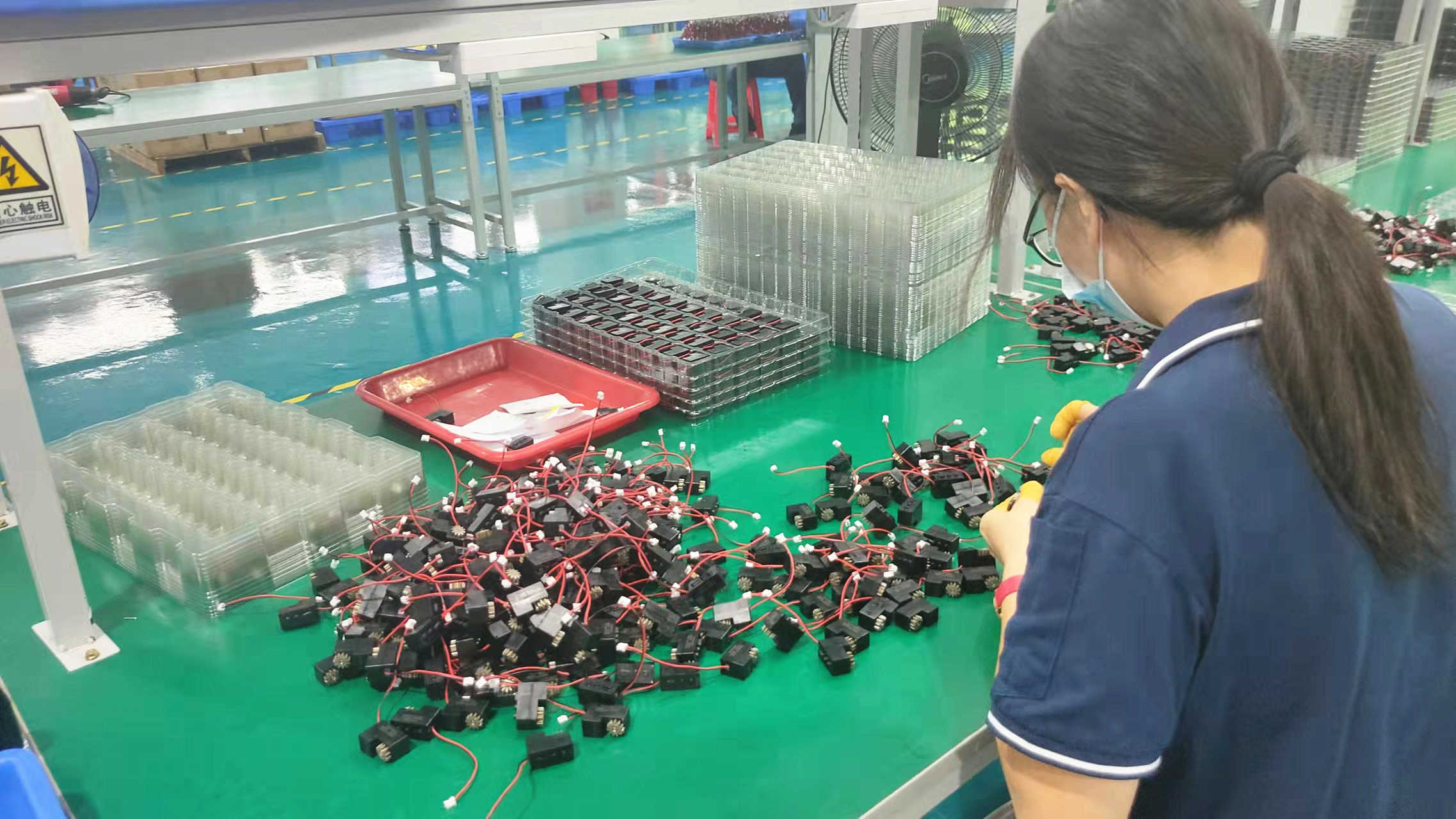
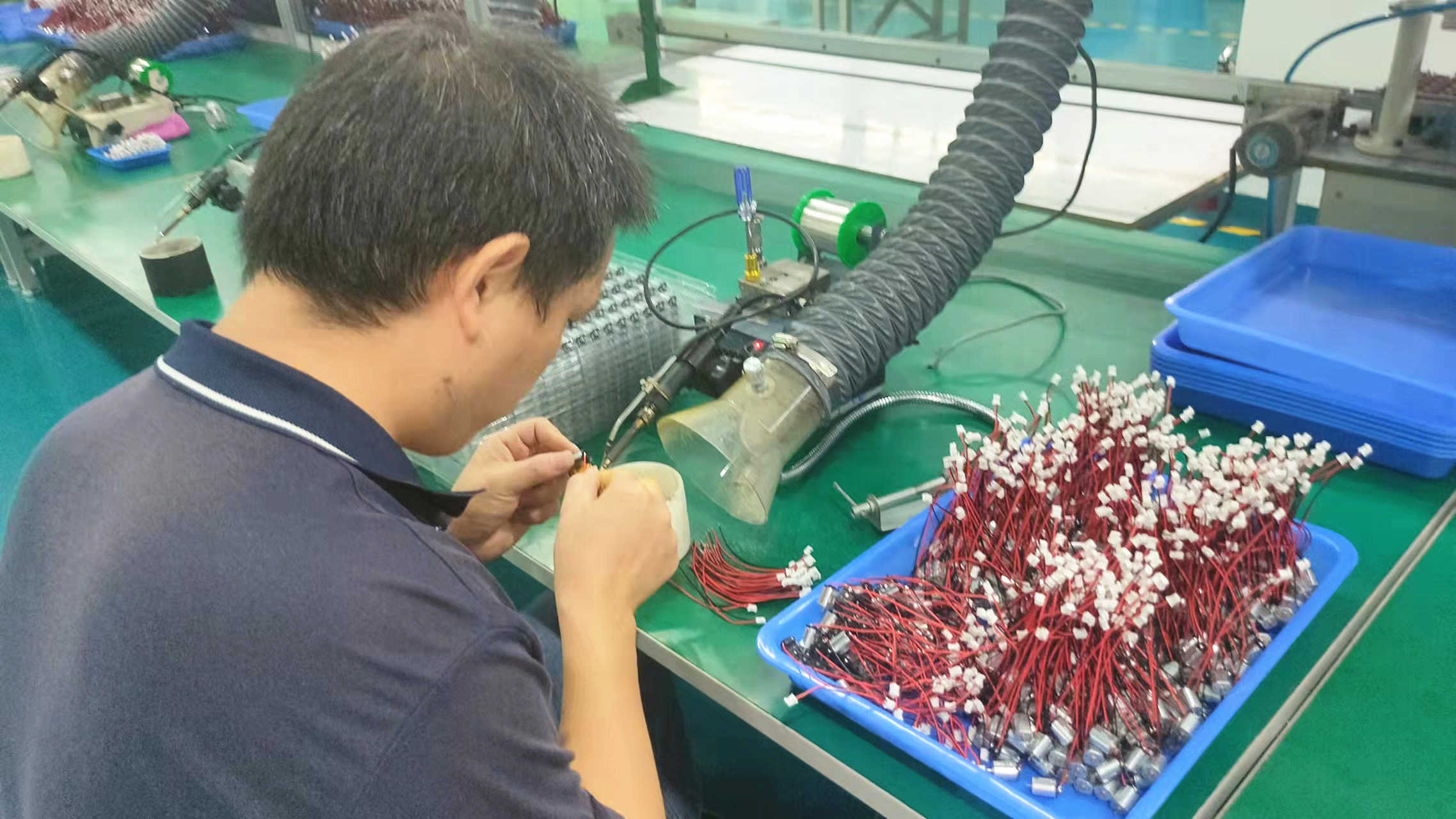 Soldering
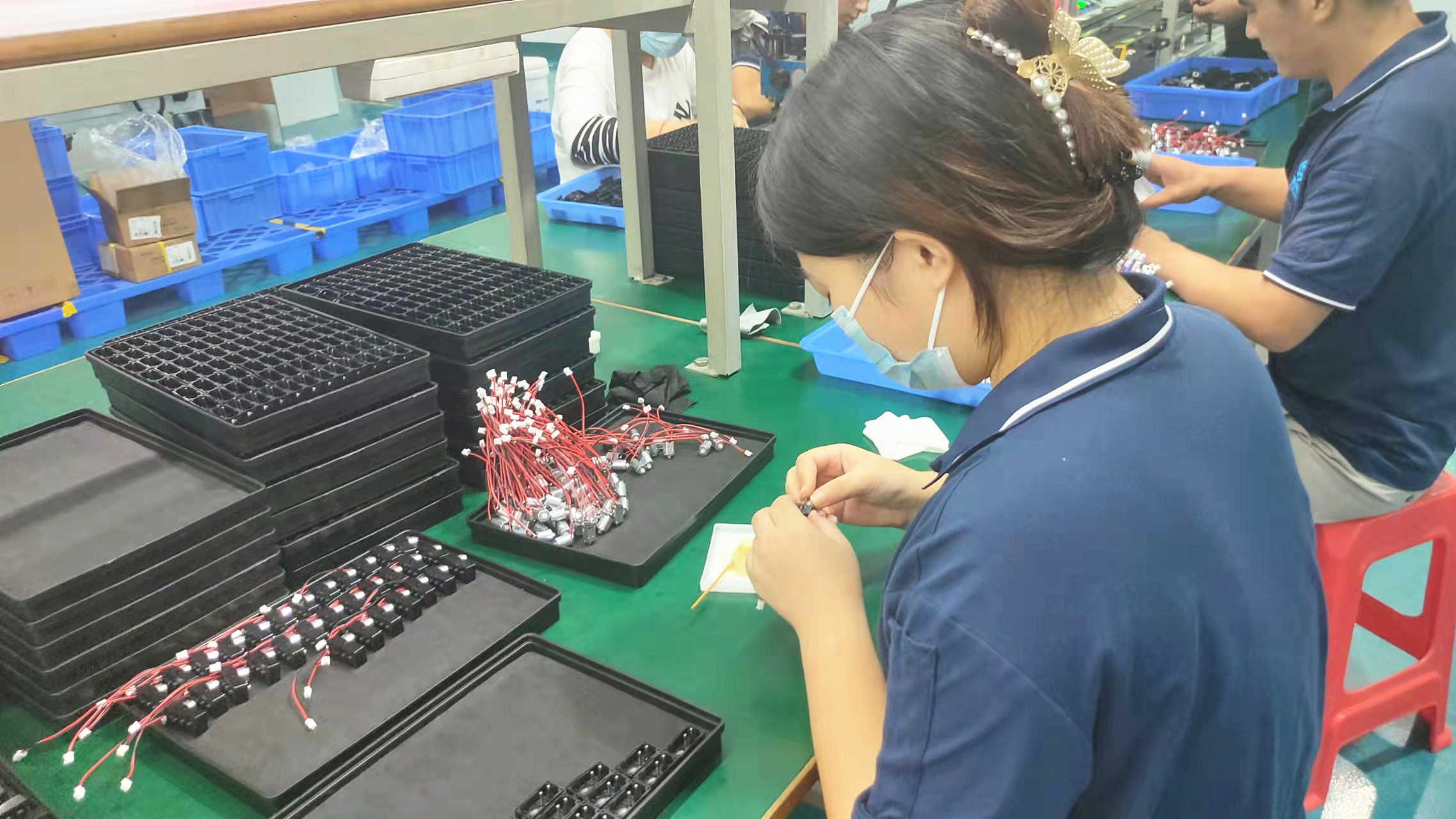 Assembling
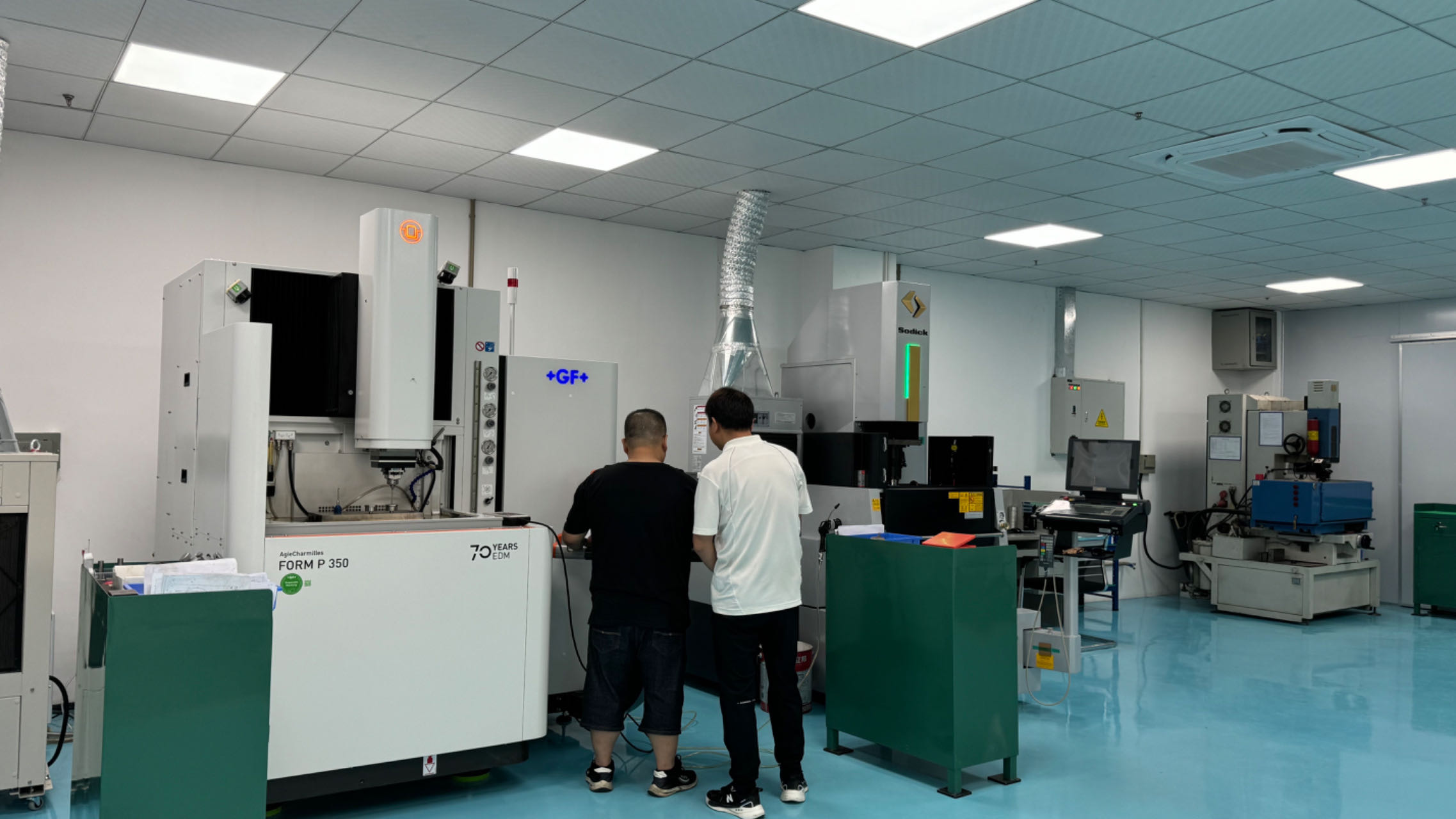
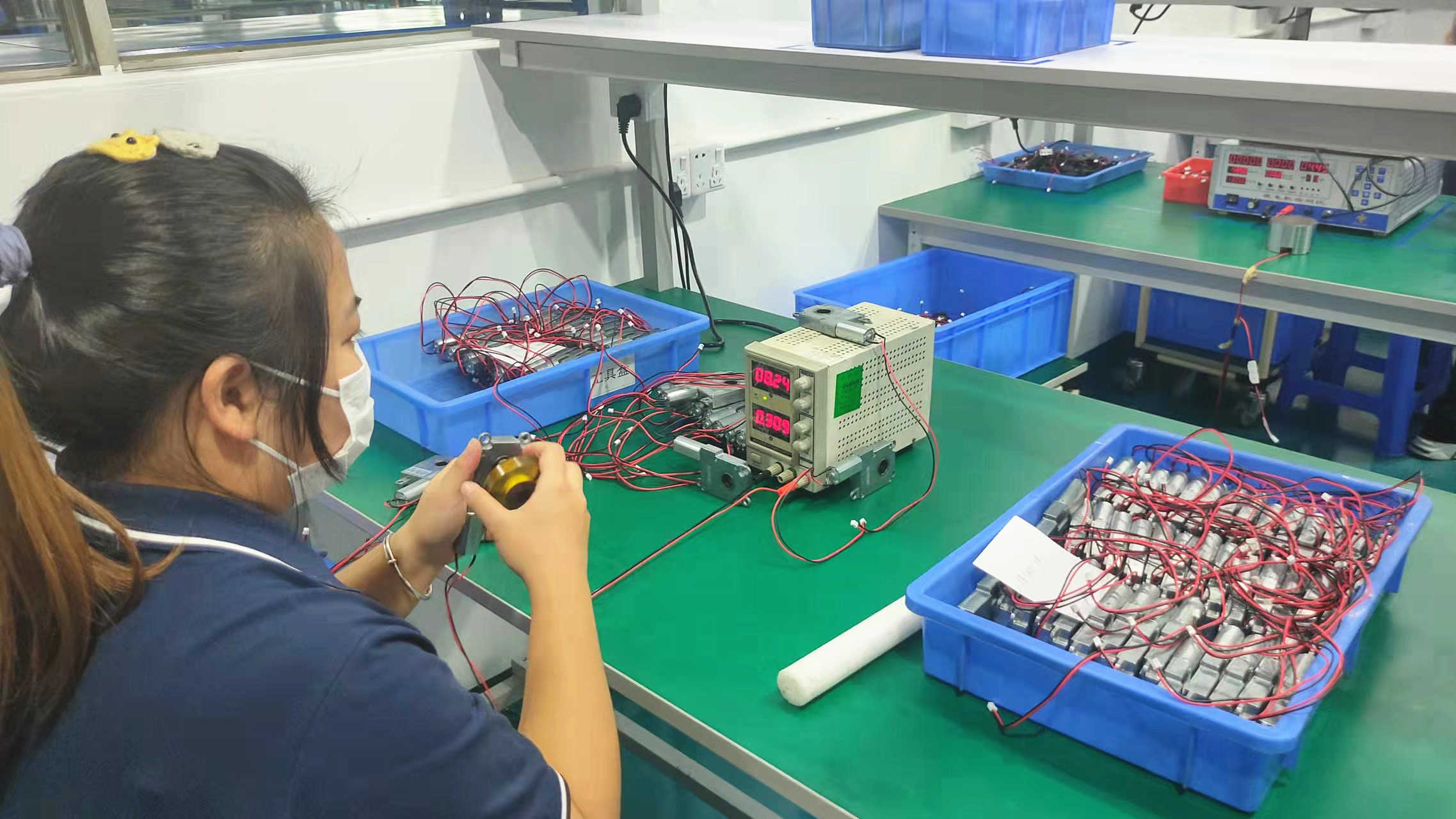
 Testing
 Packing
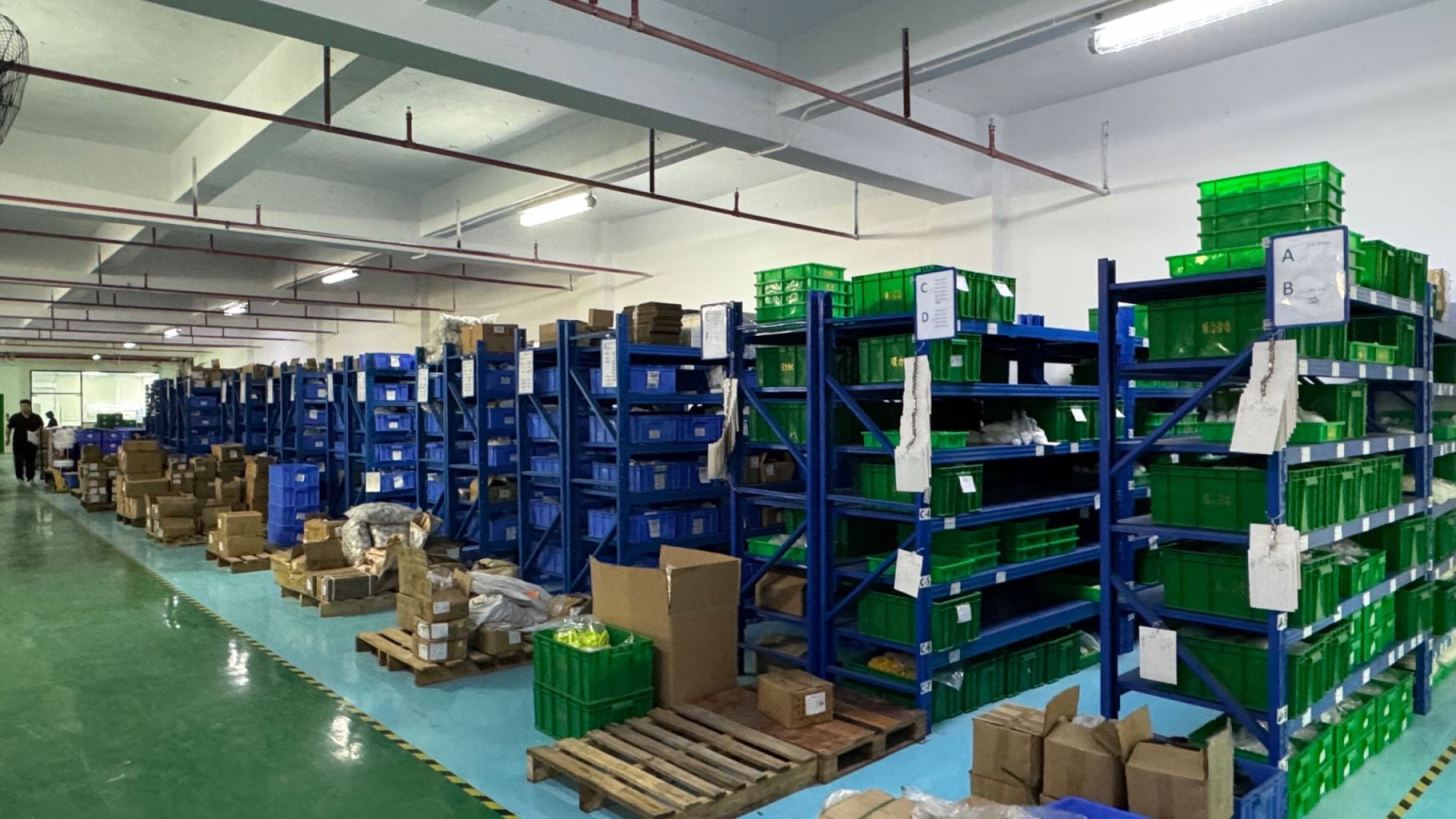 Storage
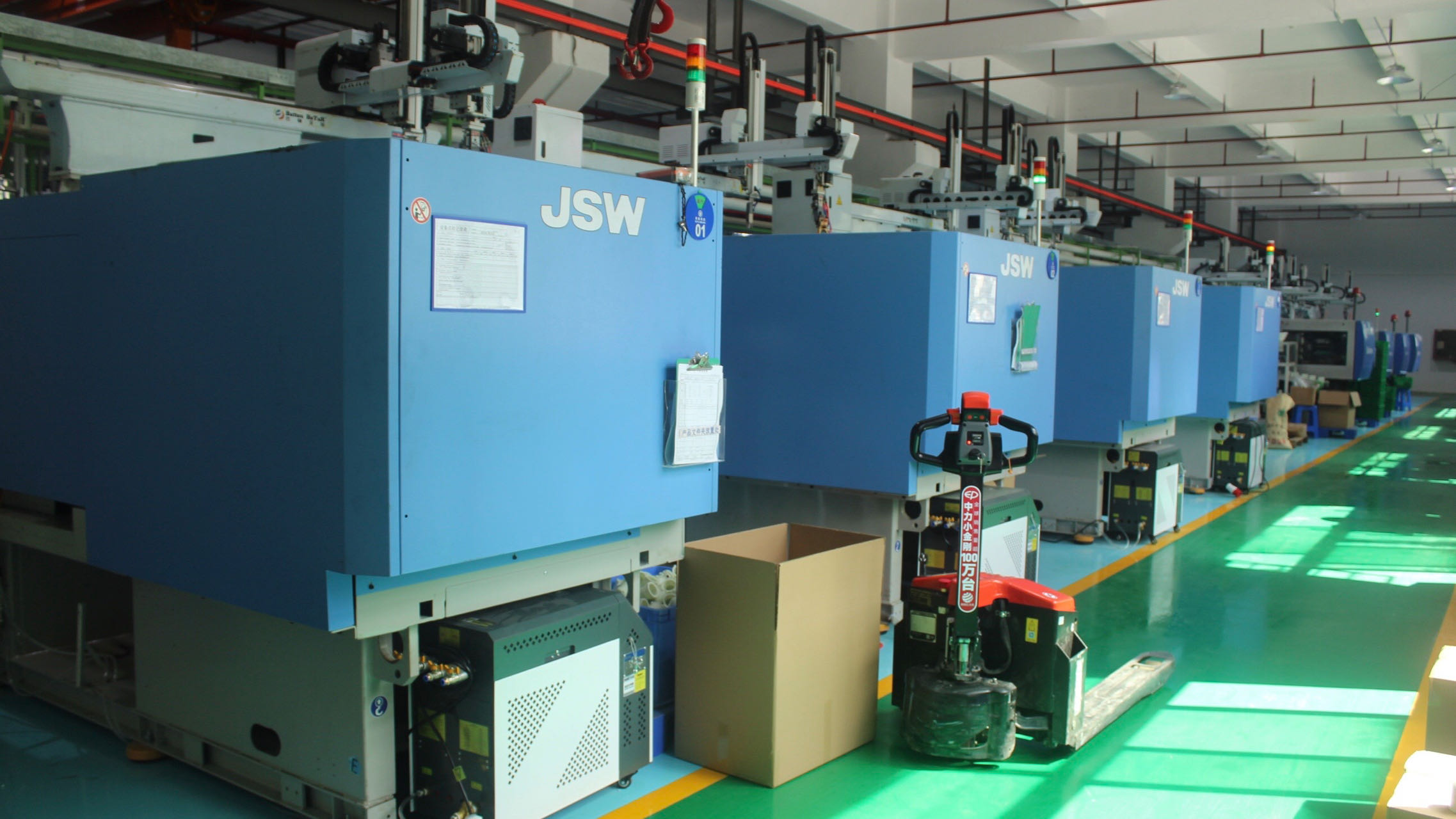
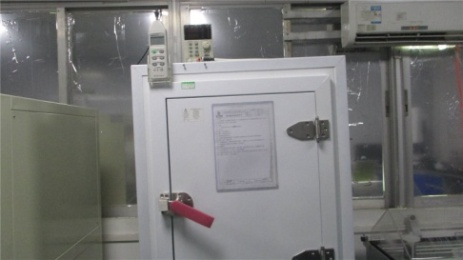
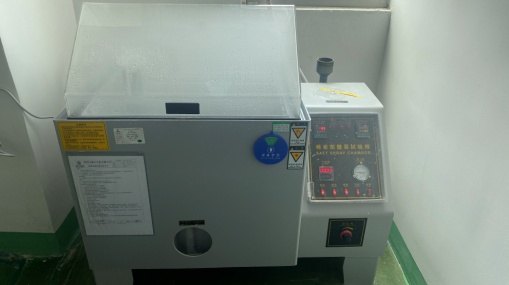
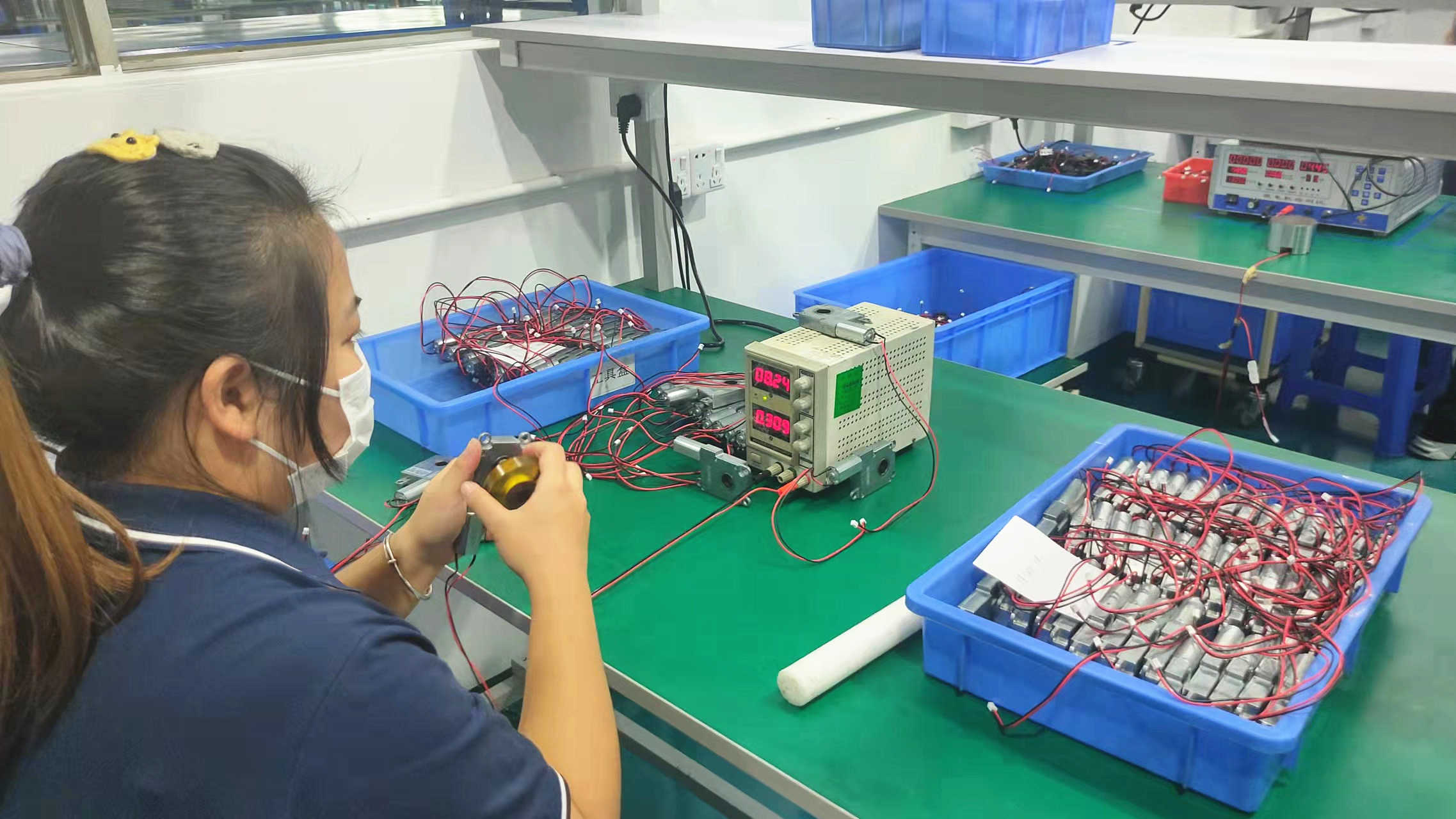
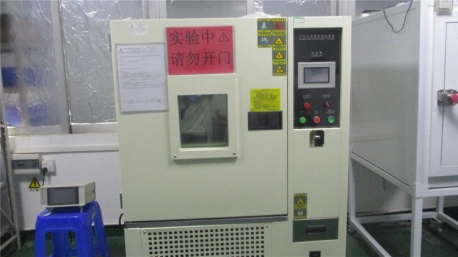
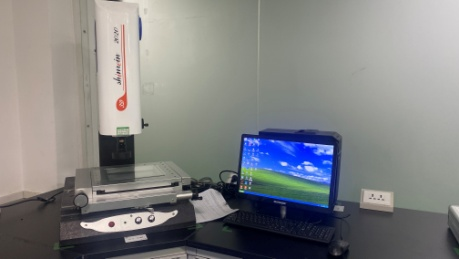
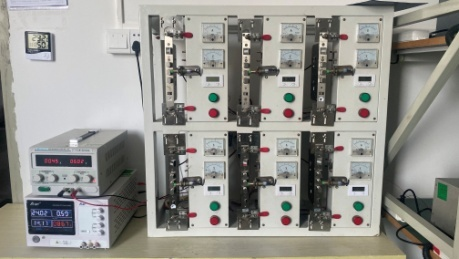
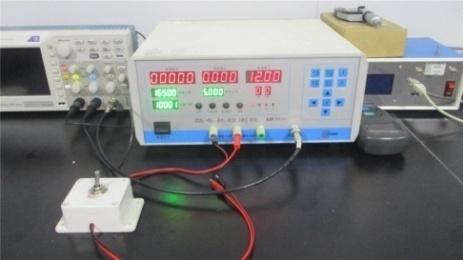
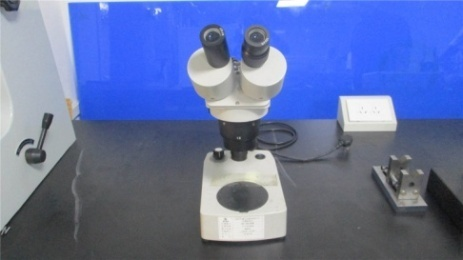
State-of-the-Art Production & Quality Control Instruments
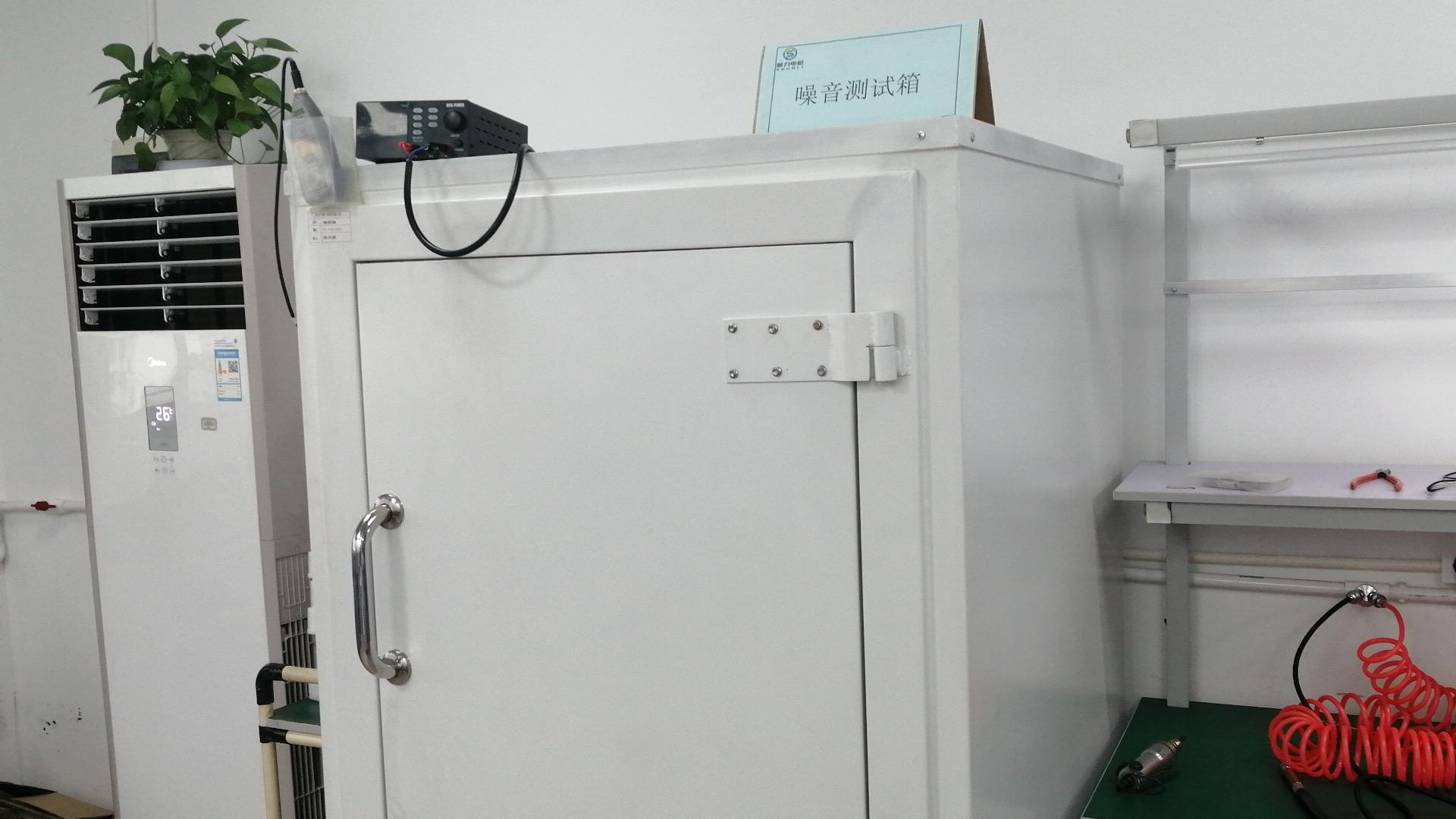
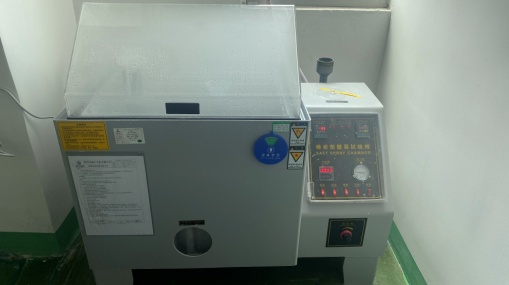
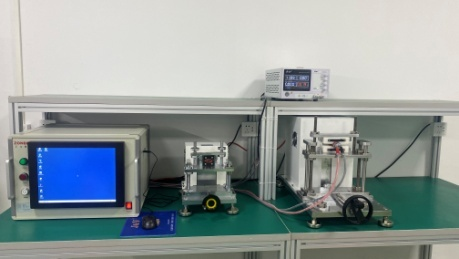
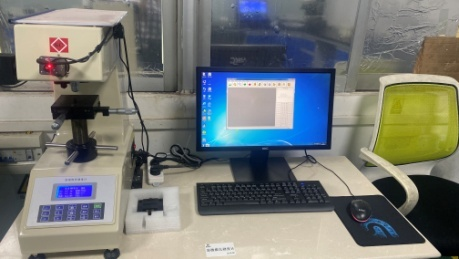
We utilize industry-leading machinery to ensure precision gearing, structural reliability, and exact dynamic balancing for every unit.
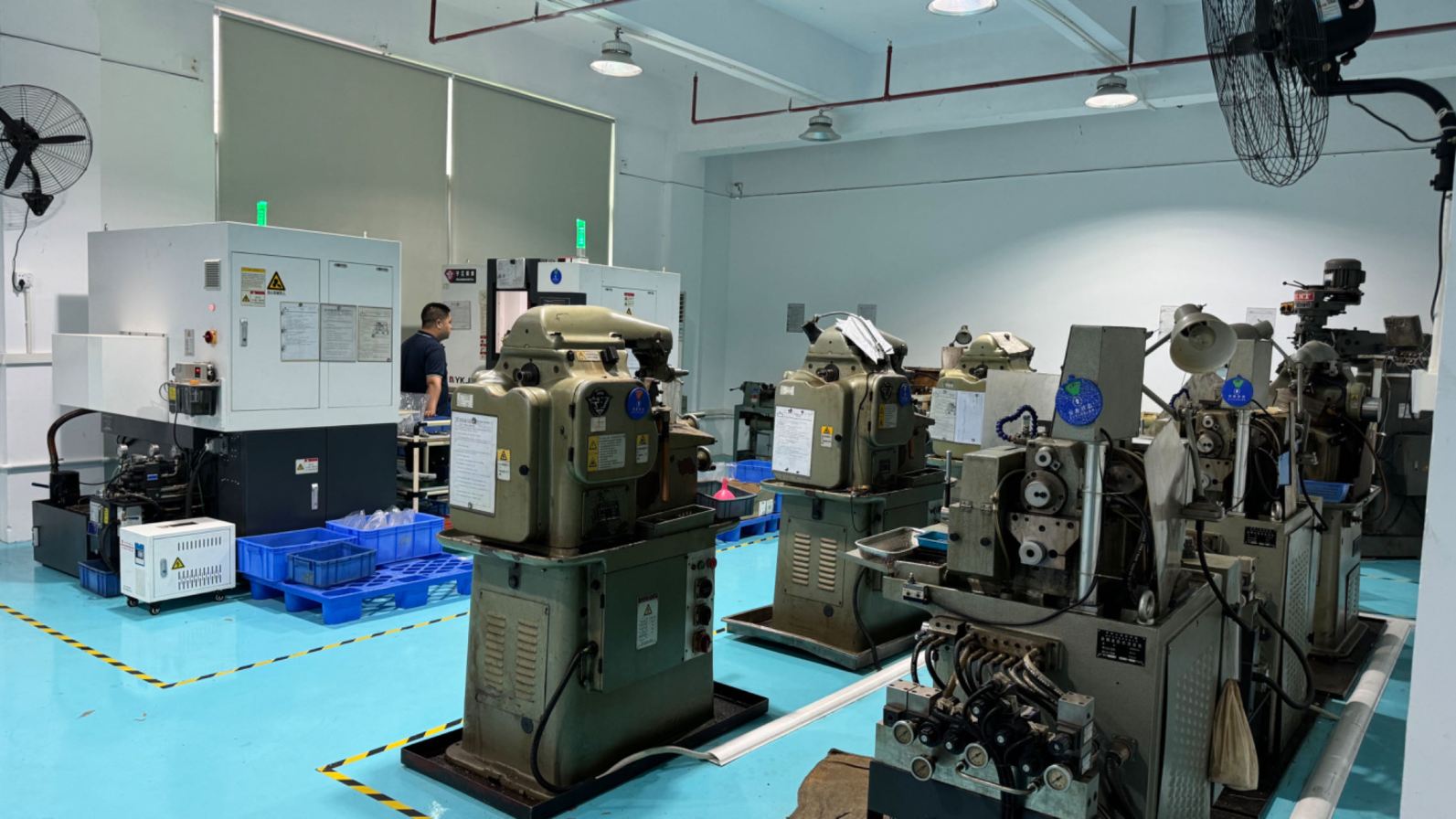
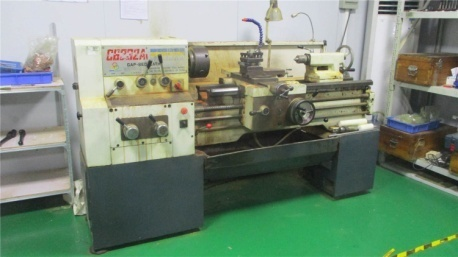
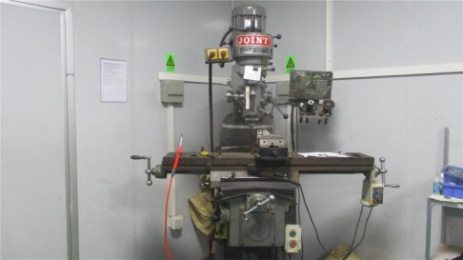
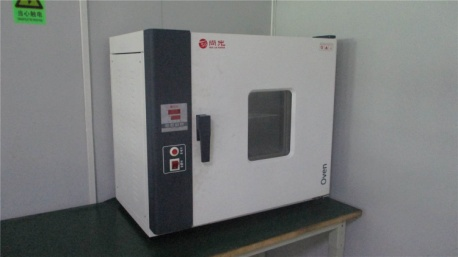
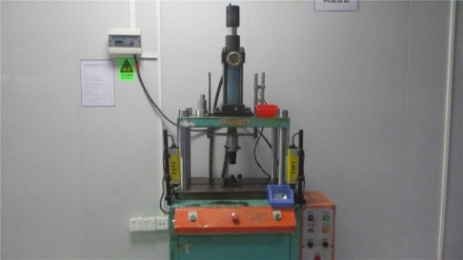
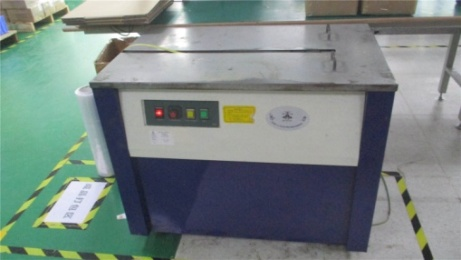
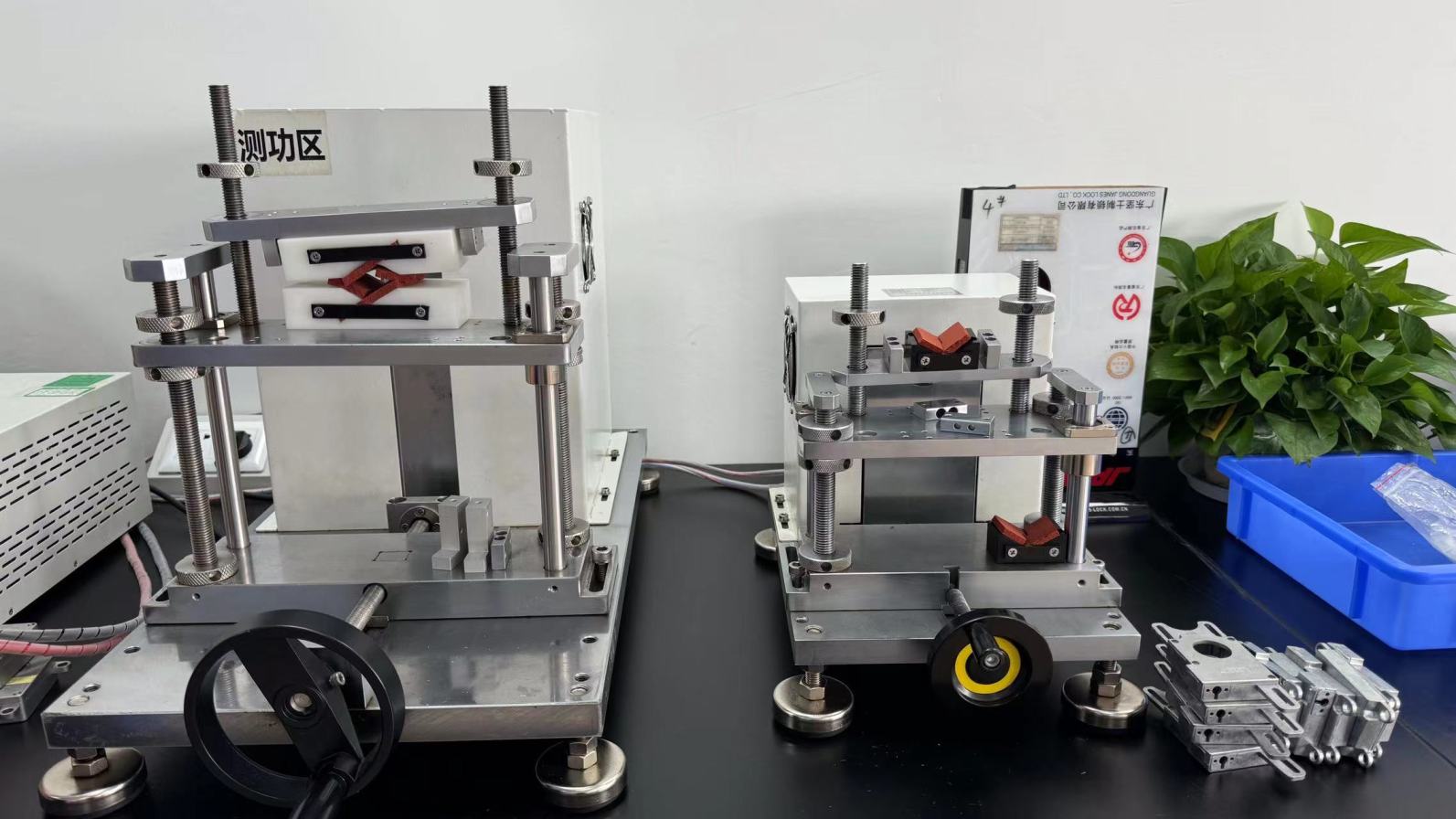
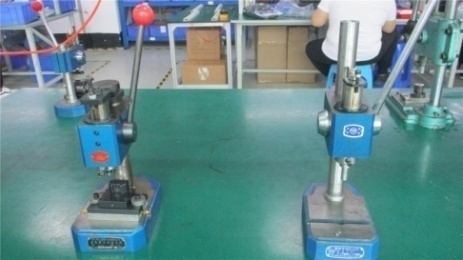
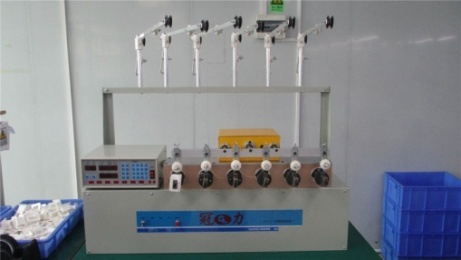
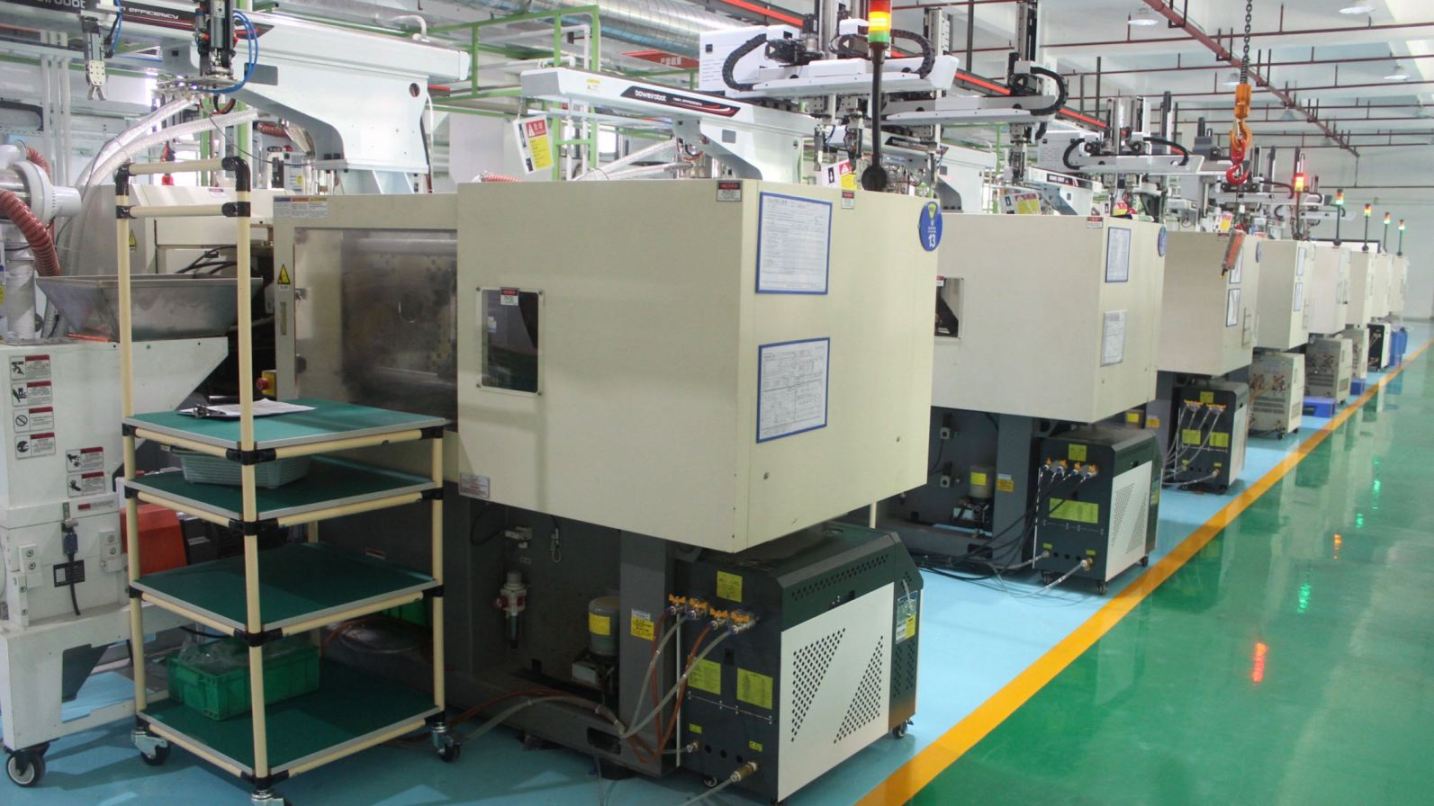
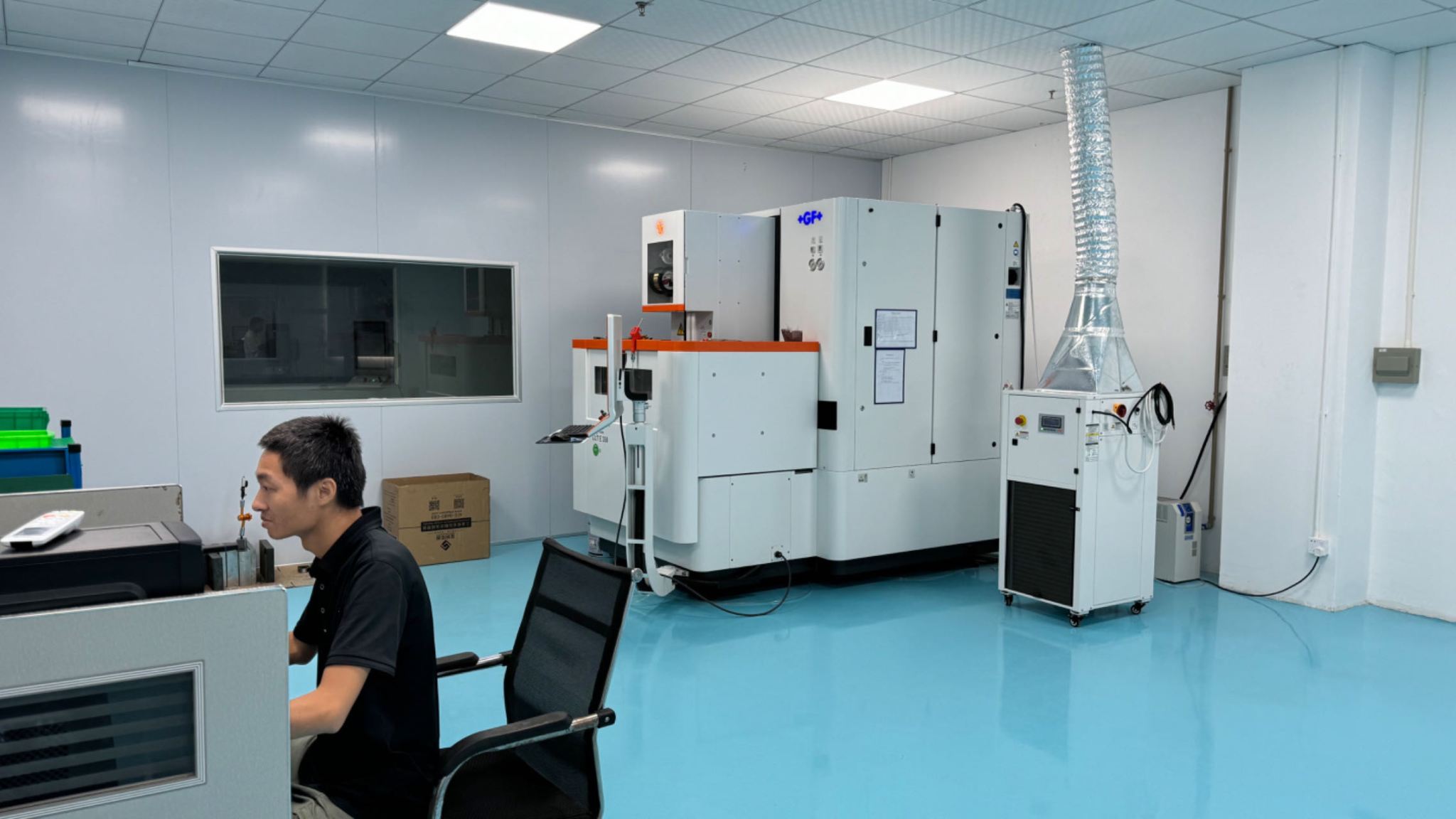
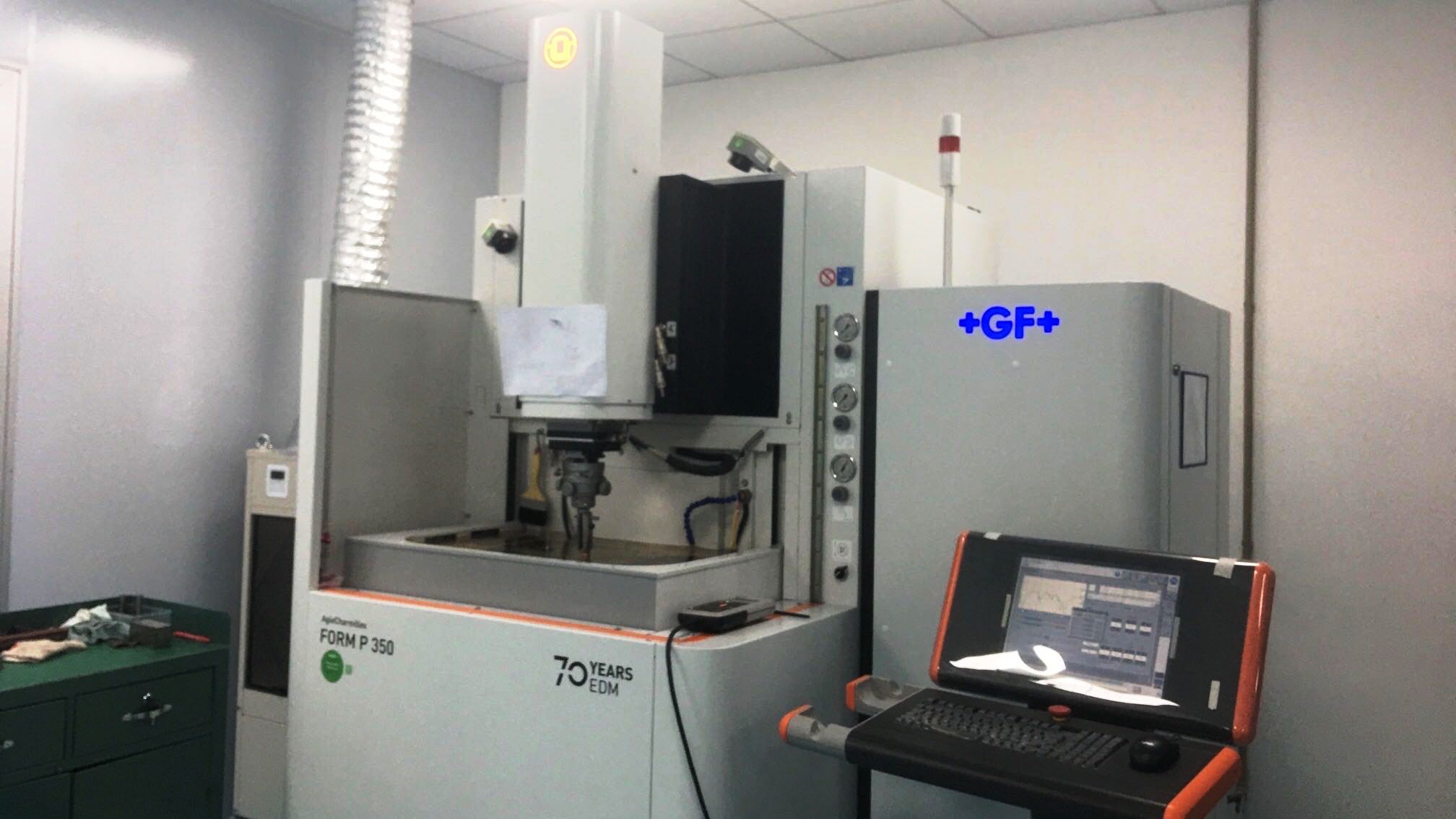
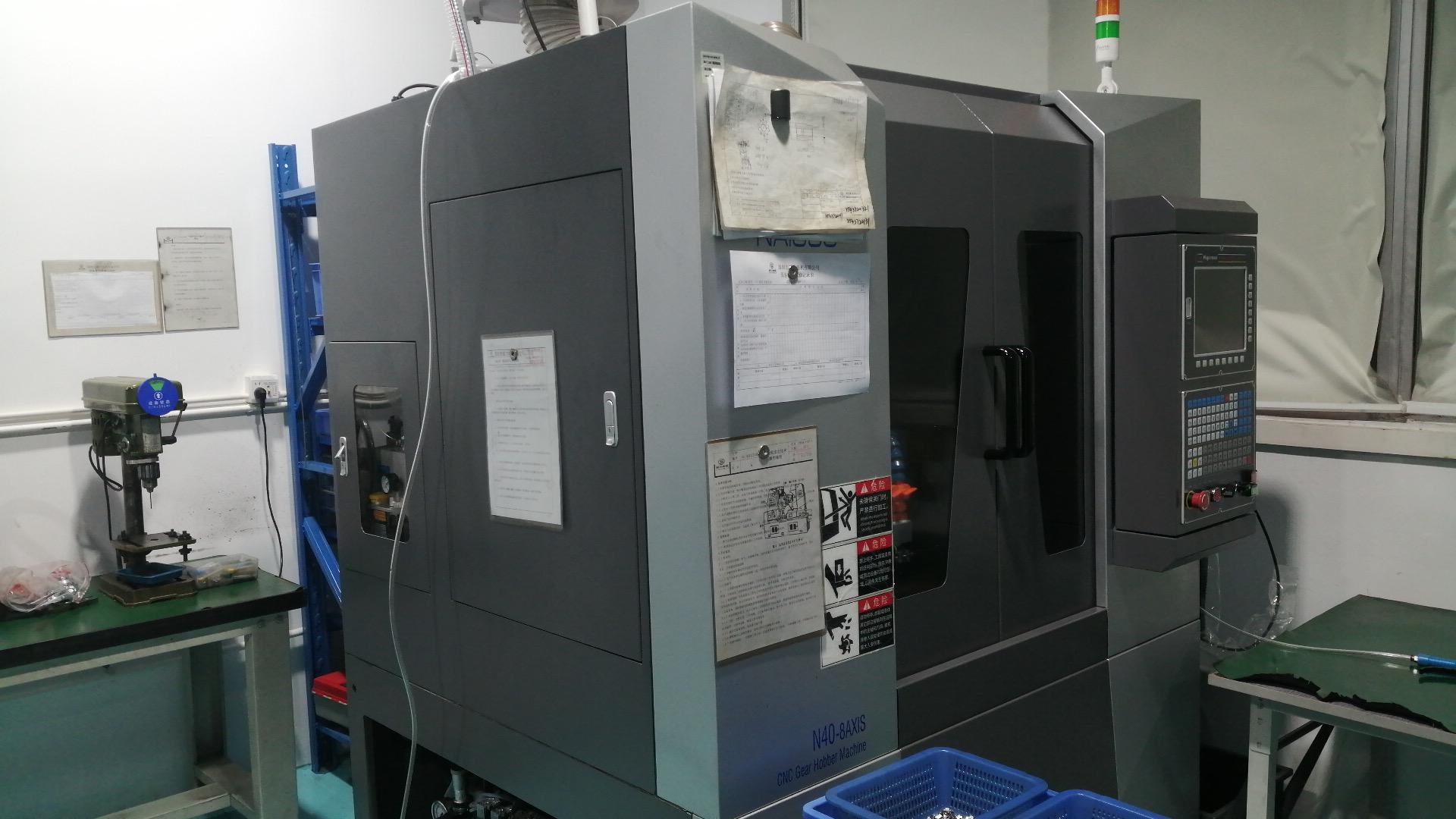
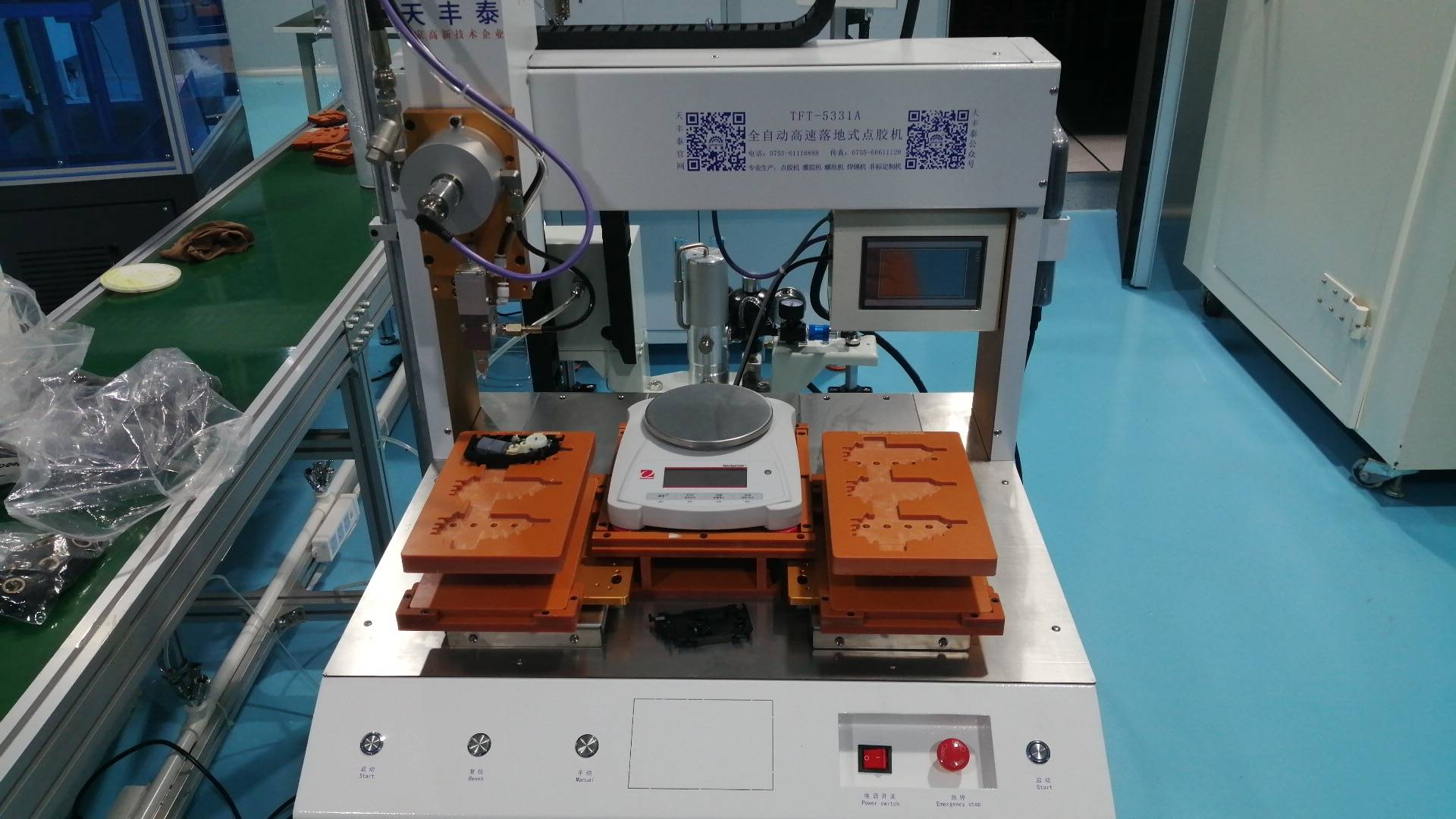
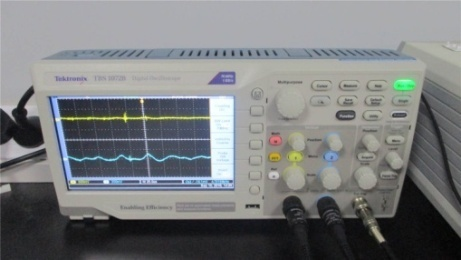
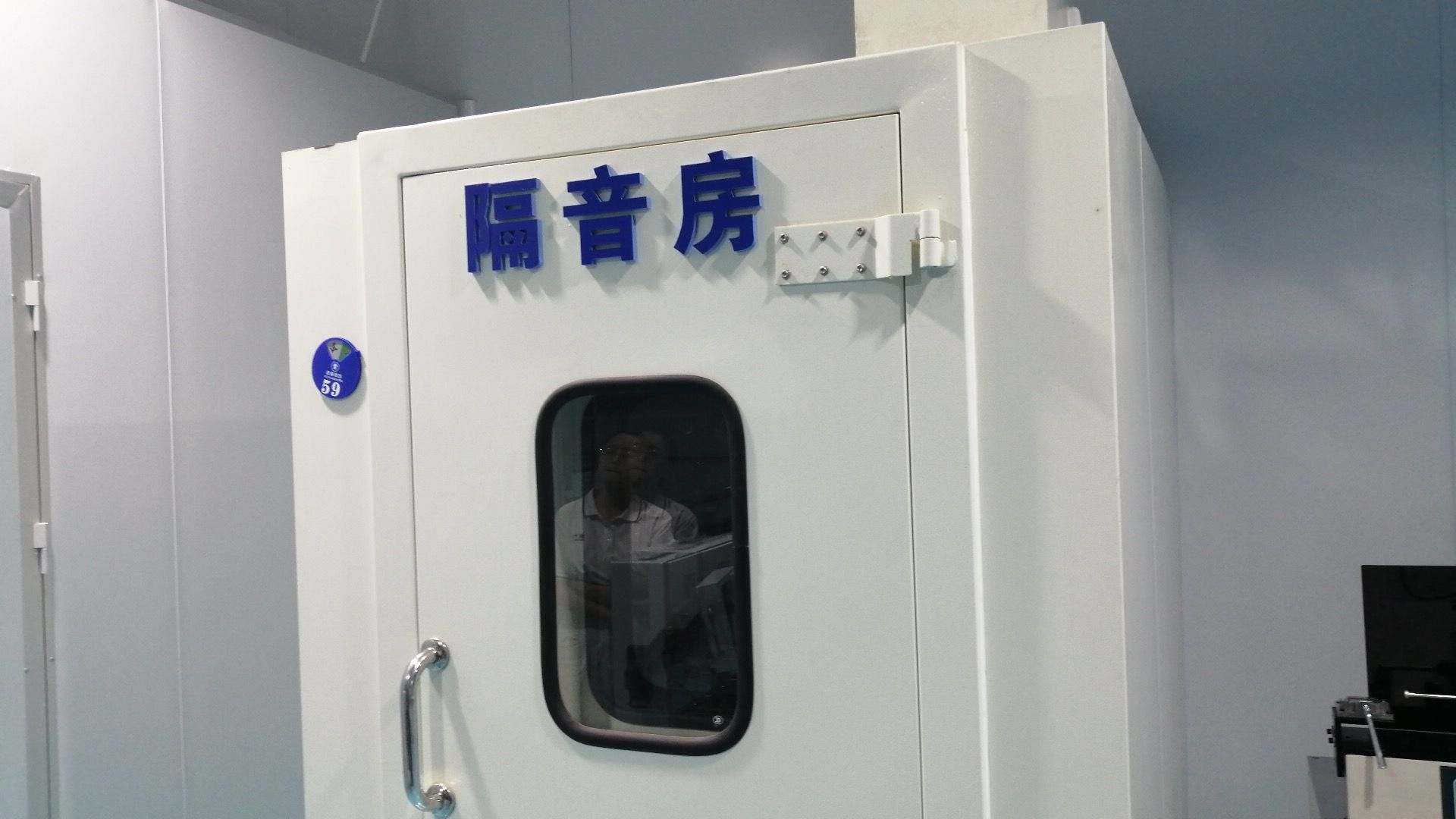
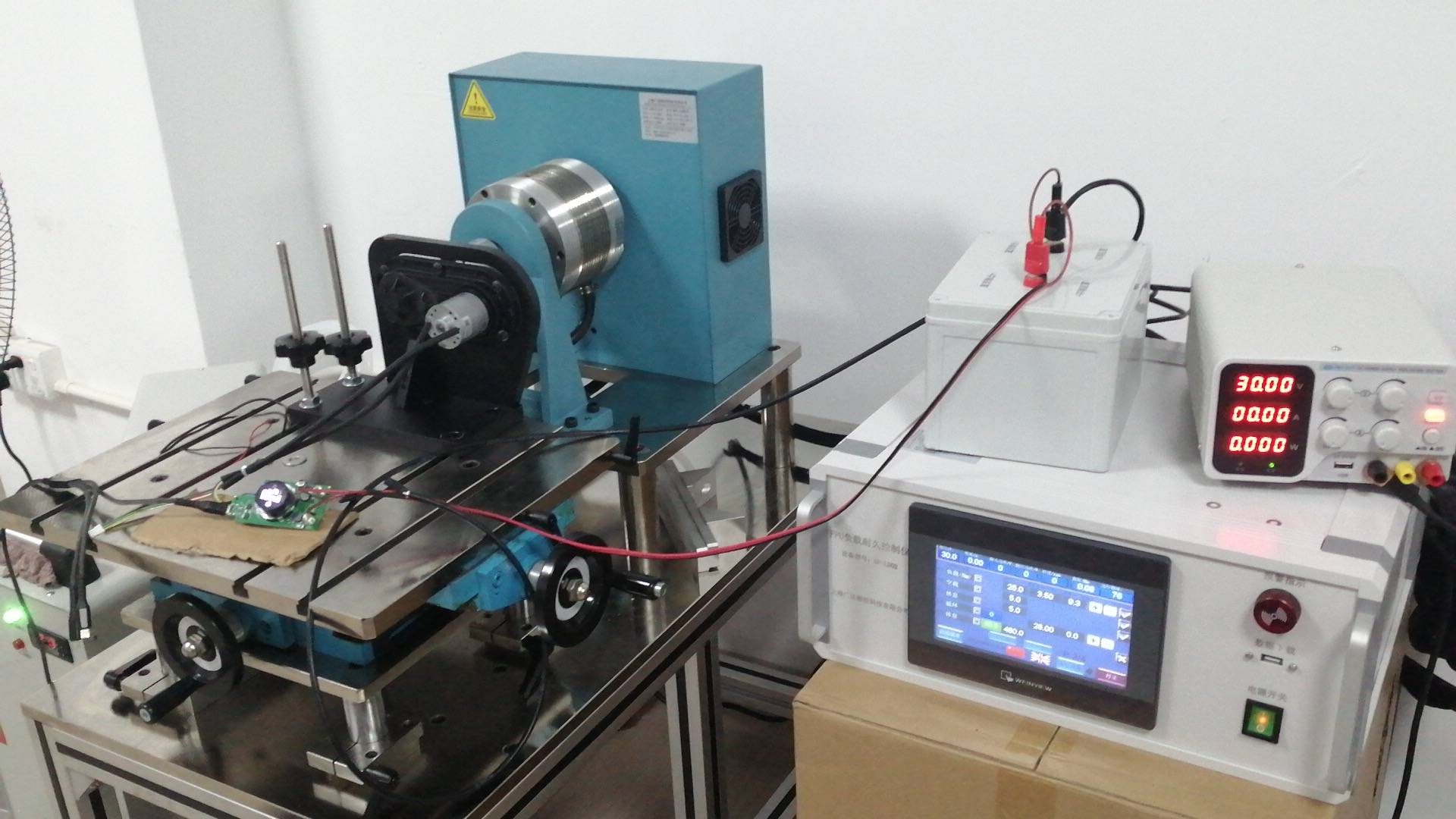
Quality Checking & Testing Instruments Showcase
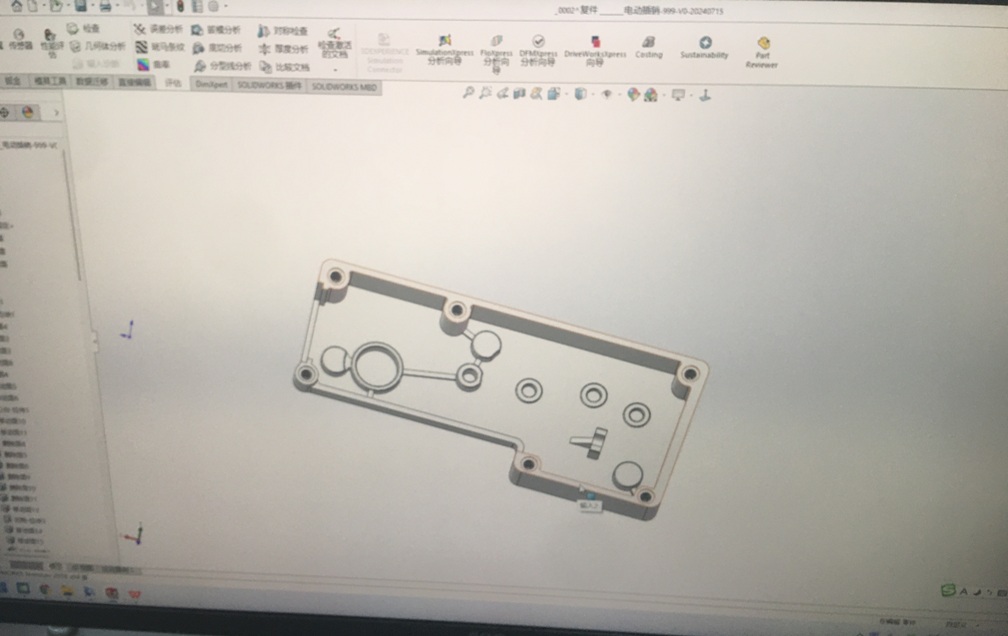
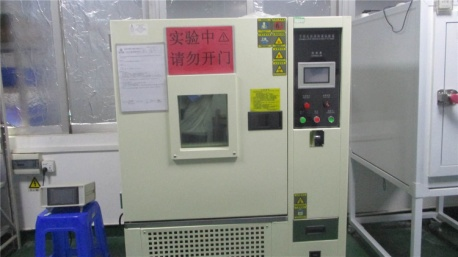
Technical Deep-Dive: Selecting and Customizing Precision Steppers
When selecting micro stepper motors for high-duty applications, Naples packaging and mechanical engineering teams frequently face optimization challenges. Balancing dynamic torque against mechanical volume while maintaining reliable thermal profiles requires detailed electromechanical customization. The following factors outline how DQC optimizes motors for maximum system integration efficiency:
1. Tooth Profile and Planetary Gearbox Optimization
To deliver high holding torque within micro footprints, DQC leverages specialized, custom-wound rotors combined with miniature high-reduction planetary gearboxes. Conventional gearboxes suffer from significant angular backlash and premature tooth wear under repeated start-stop cycles. Using Swiss-engineered gear hobbing equipment, we process carbon steel and heavy-duty brass pinions to sub-micron accuracy. By optimizing the contact ratio and tooth engagement, backlash is restricted to <1.5° (customizable to <0.5° for high-accuracy medical valves), significantly reducing positioning errors in critical automated packaging configurations.
2. Electromagnetic Winding and Current Controls
The resistance, inductance, and winding configuration of a miniature stepper motor dictate its speed-torque characteristics. For instance, a 10 Ohm, 12V DC configuration offers stable holding torque at lower RPM values. For rapid indexing, however, lower resistance coils (such as 3V/5V configurations operating with constant-current chopper drivers) provide higher torque at elevated step frequencies. DQC’s design engineers dynamically calibrate phase resistance, wire diameter, and turn counts to match the impedance profile of the customer's stepper controller, maximizing power output and preventing driver overheating.
3. Thermal Control and Life Expectancy in Enclosed Spaces
Micro-drives in smart locks, automotive actuators, and clinical pumps are frequently mounted inside tight, unventilated cavities. Without proper dissipation paths, the heat generated by phase currents degrades magnet strength, causing rotor slippage or coil insulation breakdown. DQC addresses this by using dynamic magnetic balancing and high-temperature-rated enamel wire (up to 180°C class). Additionally, we implement high-conductivity thermal pads and custom zinc alloy/aluminum enclosures that double as integrated heat sinks, extending the operational life of the motor to over 10,000 continuous hours.
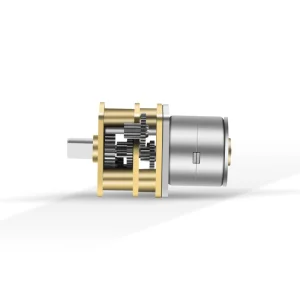
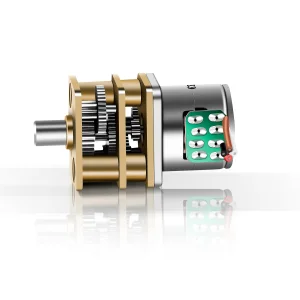
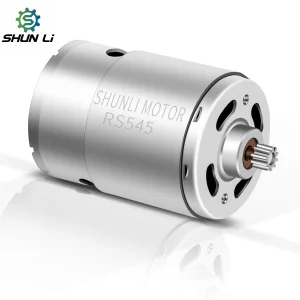
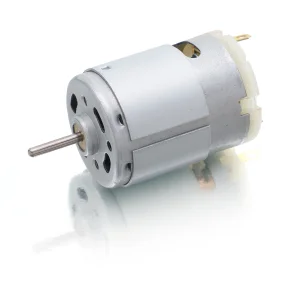
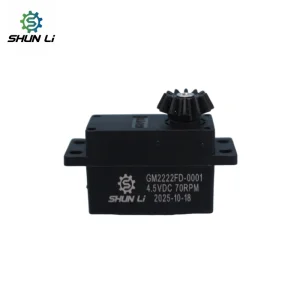
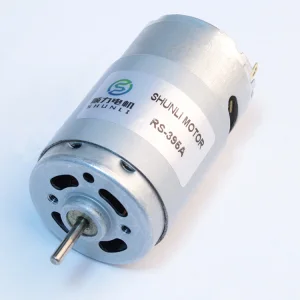
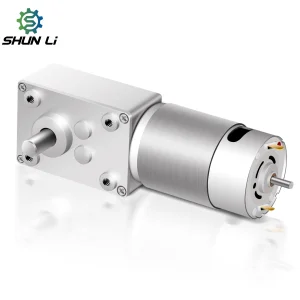
Comprehensive Stepper & Brushless Micro Motor Catalog
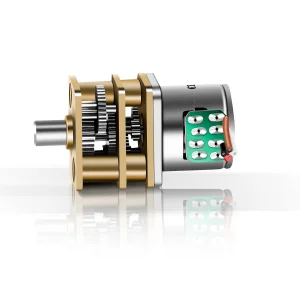
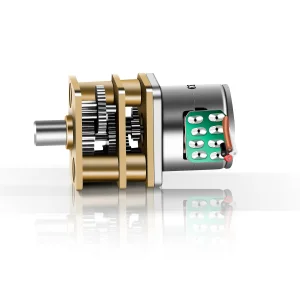
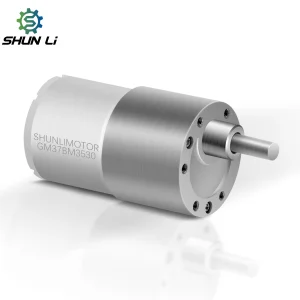
Explore our full technical line of miniature drives, customized for the Italian market. Complete with dynamic balancing, low acoustic signatures, and custom gear reduction.
Why Naples Procurement Managers Choose DQC
Combining absolute precision engineering with scale economics, agile logistics, and deep design customization.
- Direct Pricing & High-Volume Scalability: Bypassing distributor networks lowers unit costs by 30-45% for Italian assembly plants.
- Advanced Customization Protocols: Modify drive shafts (D-cut, round, keyway, or hollow configurations), winding impedances, terminal connections, and wiring harnesses.
- Comprehensive QA Reporting: Dynamic balancing results, salt spray tests, and acoustic noise reports are supplied for every production batch.
- Optimized Logistics to Naples: Direct sea cargo routes to the Port of Naples (Porto di Napoli) and rapid air-freight options to Naples Capodichino Airport (NAP) for urgent prototyping.
Frequently Asked Questions: Technical Engineering & Procurement
Get professional answers regarding integration, compliance, customized engineering, and delivery protocols for the Italian market.